Warcraft III: Reign of Chaos
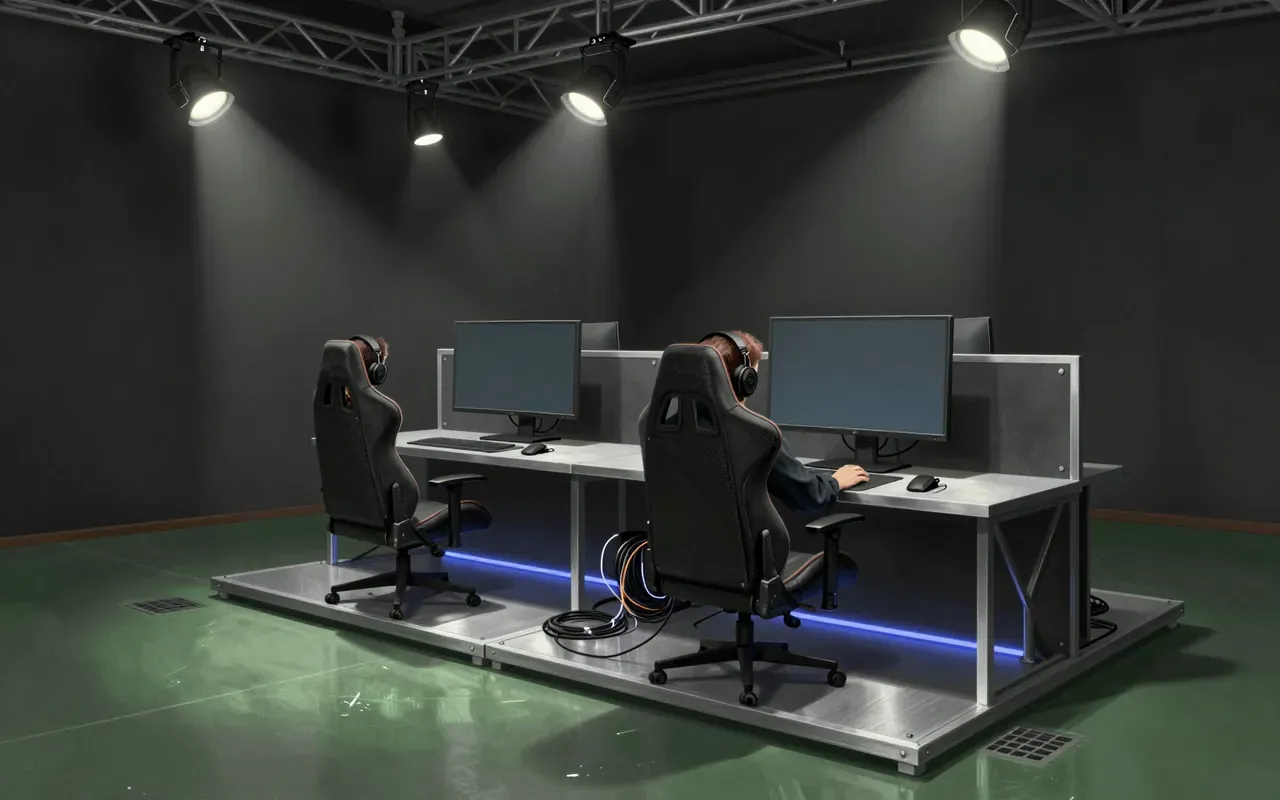
Warcraft III: Reign of Chaos is a 2002 real-time strategy game by Blizzard. It uses fog-of-war, upkeep penalties, fixed top-down perspective, and hero progression to enforce tight, consequential decision-making.
Warcraft III: Reign of Chaos is a 2002 real-time strategy game by Blizzard. It uses fog-of-war, upkeep penalties, fixed top-down perspective, and hero progression to enforce tight, consequential decision-making.
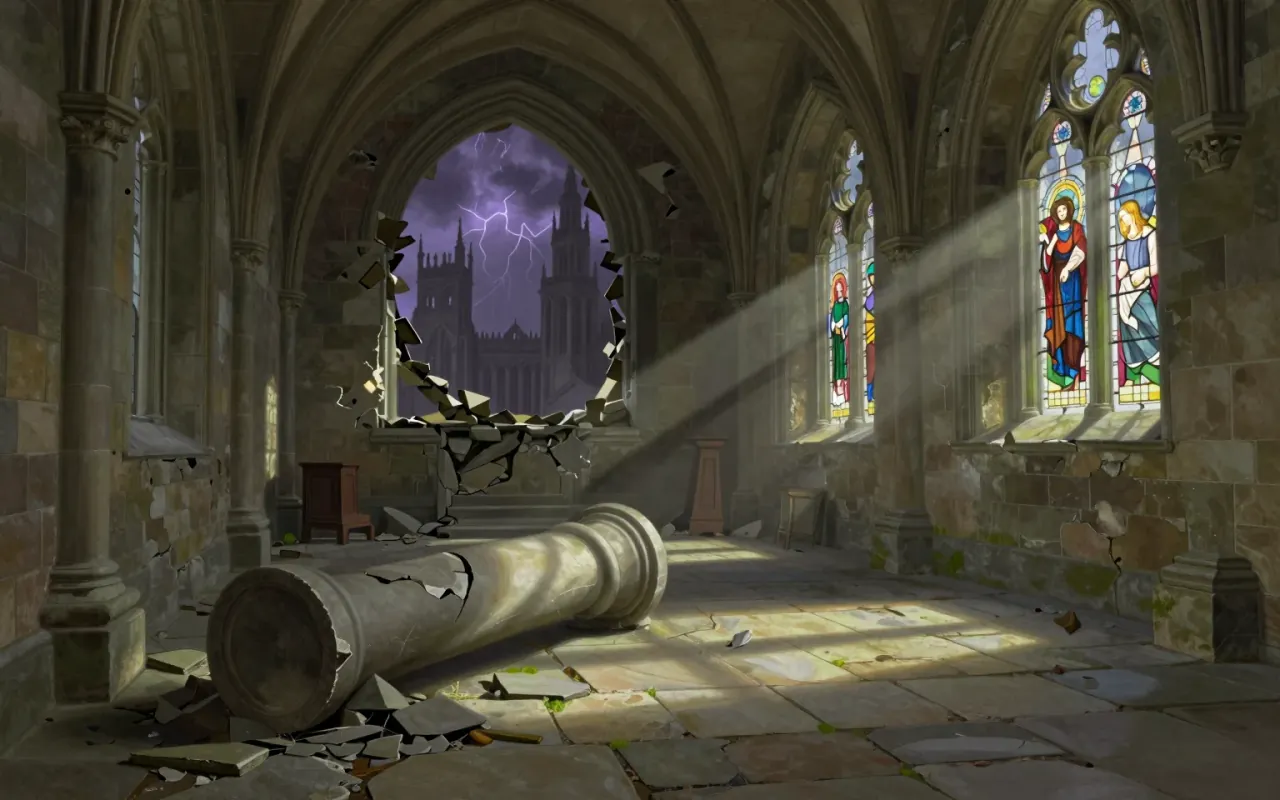
Diablo (1996) is an action role-playing dungeon crawler developed by Blizzard North and published by Blizzard Entertainment for Windows. Players navigate procedurally generated levels using mouse-driven movement and keyboard-based spellcasting. Dungeon themes shape layout—catacombs feature long corridors, caves are non-linear. Quests are randomly assigned from tiers; only the final two are mandatory. Items degrade with use and are destroyed at zero durability. Griswold the Blacksmith repairs them for a fee; Warriors may self-repair at durability cost. Staves enable spellcasting without spell knowledge or mana. The game establishes a tight, friction-driven loop: explore, degrade, return, repeat—until the final two quests gate the end.

StarCraft is a foundational RTS defined by enforced asymmetry across three races—Protoss, Zerg, and Terrans—each with unique units, economies, and strategic identities. Its campaign delivers thirty fixed missions, ten per race, with AI difficulty escalating automatically. It offers no difficulty adjustment, no mission retries, and no explicit pedagogy—only systemic divergence and player-driven translation.

Diablo II is a rigid, act-locked RPG where procedural generation serves narrative containment — not freedom. Its power lies in enforced repetition across escalating difficulty tiers, each demanding full completion before unlocking the next. It asks for time, patience, and tolerance for systemic friction. It gives back loot, clarity, and a sense of earned scale — nothing more, nothing less.

Diablo III is a 2012 action RPG built around loot-driven progression, real-time isometric combat, and mandatory online connectivity. Its systems prioritise frequency and clarity of reward over narrative or environmental storytelling. The game’s design enforces repetition, not reflection.

Diablo IV is an online-only ARPG where eight classes fight themed enemy families in an open world punctuated by procedurally generated dungeons. Combat effectiveness is determined by attributes and gear. Loot acquisition drives progression. Player versus player combat exists. There is no offline mode.

StarCraft II is a real-time strategy game developed and published by Blizzard Entertainment for Windows and Mac OS X. Players act as military commanders for one of three species across single-player campaigns and multiplayer modes. Versus mode supports team sizes from 1v1 up to 4v4. Player skill is ranked in regional ladders divided into bronze through grandmaster leagues. Archon mode allows multiple humans to jointly control one player's forces in a 1v1 match. Co-op mode pairs two players against AI-controlled opponents, each commanding a unique hero commander. Commanders level up across co-op matches, unlocking upgrades and abilities that alter future gameplay. Mutations are optional modifiers that alter co-op missions with increased difficulty and chaotic effects.