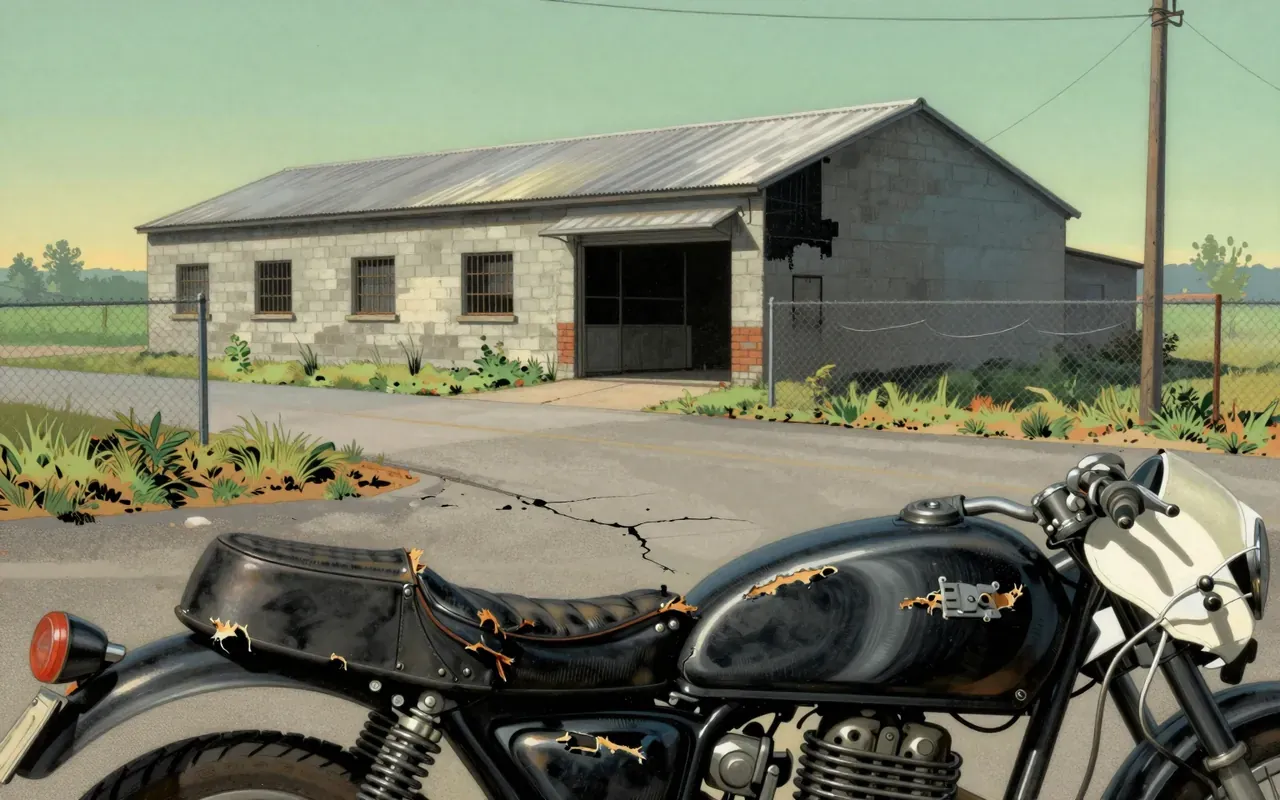
Full Throttle (1995 video game)
LucasArts · 1995
Full Throttle is a 1995 LucasArts graphic adventure game built on SCUMM with INSANE for FMV, played from a third-person perspective using point-and-click navigation.
Full Throttle is a 1995 LucasArts graphic adventure game built on SCUMM with INSANE for FMV, played from a third-person perspective using point-and-click navigation.
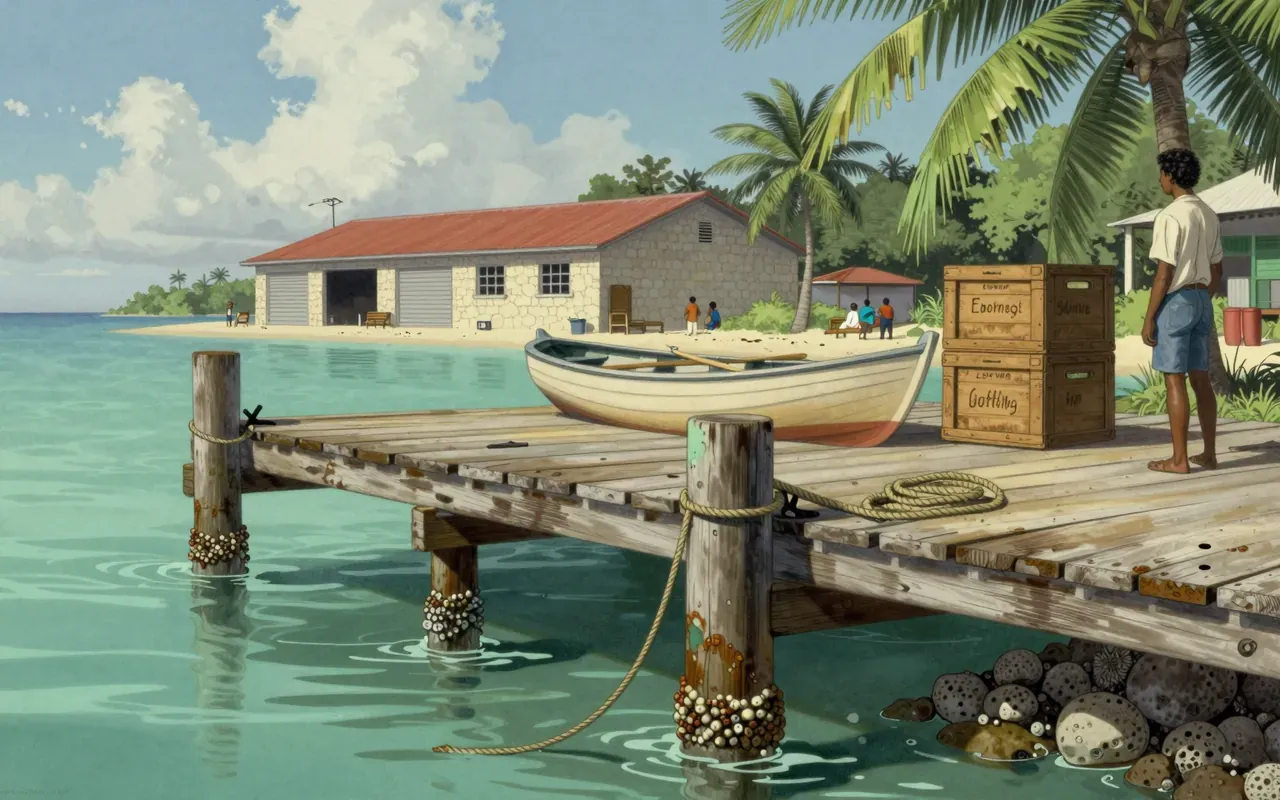
Monkey Island 2: LeChuck's Revenge is a 1991 LucasArts SCUMM-based point-and-click adventure game that introduced iMUSE, used Puzzle Dependency Charts, and offered dual puzzle-difficulty modes.

The Dig is a 1995 LucasArts point-and-click adventure game for PC and Macintosh. It casts the player as Commander Boston Low, stranded on an alien world after a failed lunar mission, investigating ancient ruins to understand a vanished civilisation and find a way home.
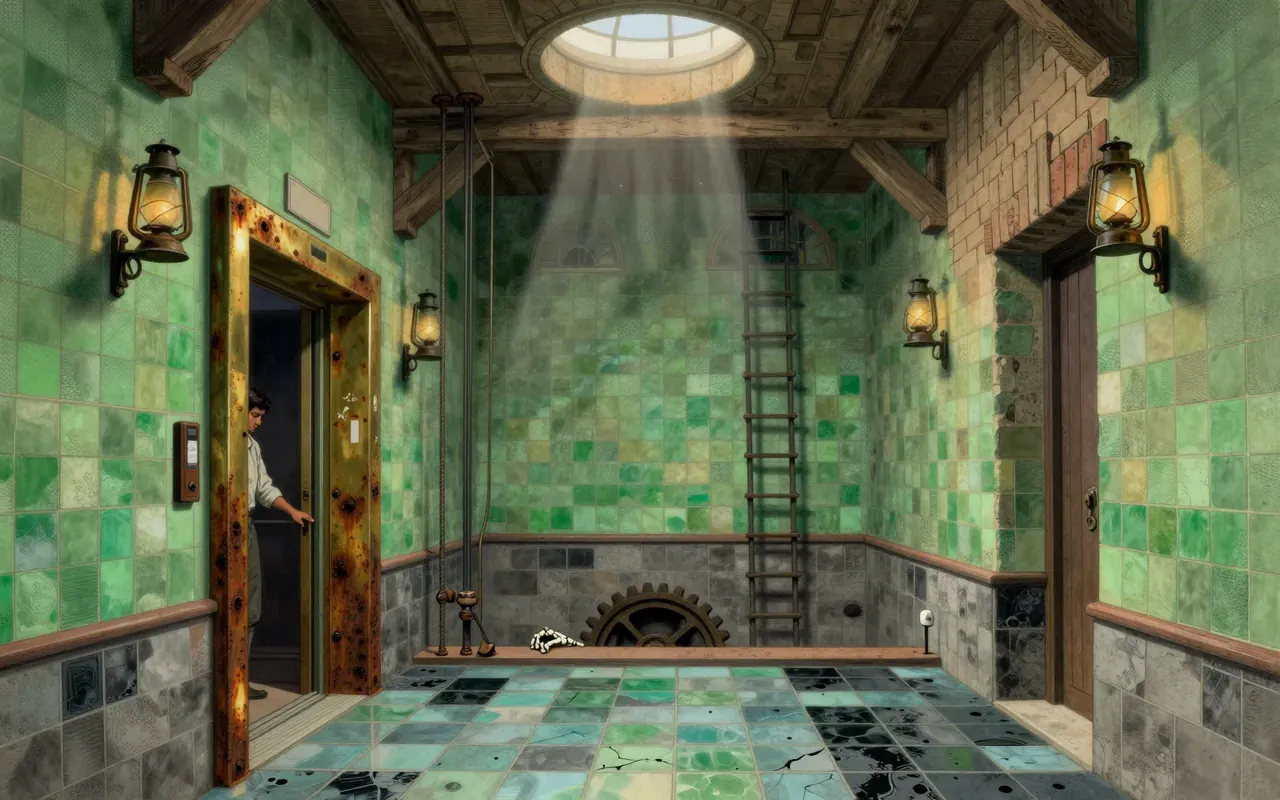
Grim Fandango (1998) is LucasArts’ first 3D adventure game. It replaces UI cues with Manny Calavera’s head-turning and inventory management with coat-jacket animations. Players solve puzzles by collecting and combining objects, talking through dialogue trees, and navigating pre-rendered environments — all without death or unwinnable states. Its strengths are its writing, voice acting, soundtrack, and stylised world. Its weaknesses are stiff movement, fixed-camera disorientation, and repetitive environmental feedback. It rewards patience and attention. It resists speed and muscle memory.

Day of the Tentacle is a 1993 LucasArts point-and-click adventure built on the SCUMM engine. It uses time travel as a structural puzzle mechanic, splitting three protagonists across past, present, and future. Players switch between them and move items across eras using Chron-o-Johns or temporal placement. It features voice acting — a LucasArts first — and relies on cause-and-effect logic over reflexes or narrative choice.
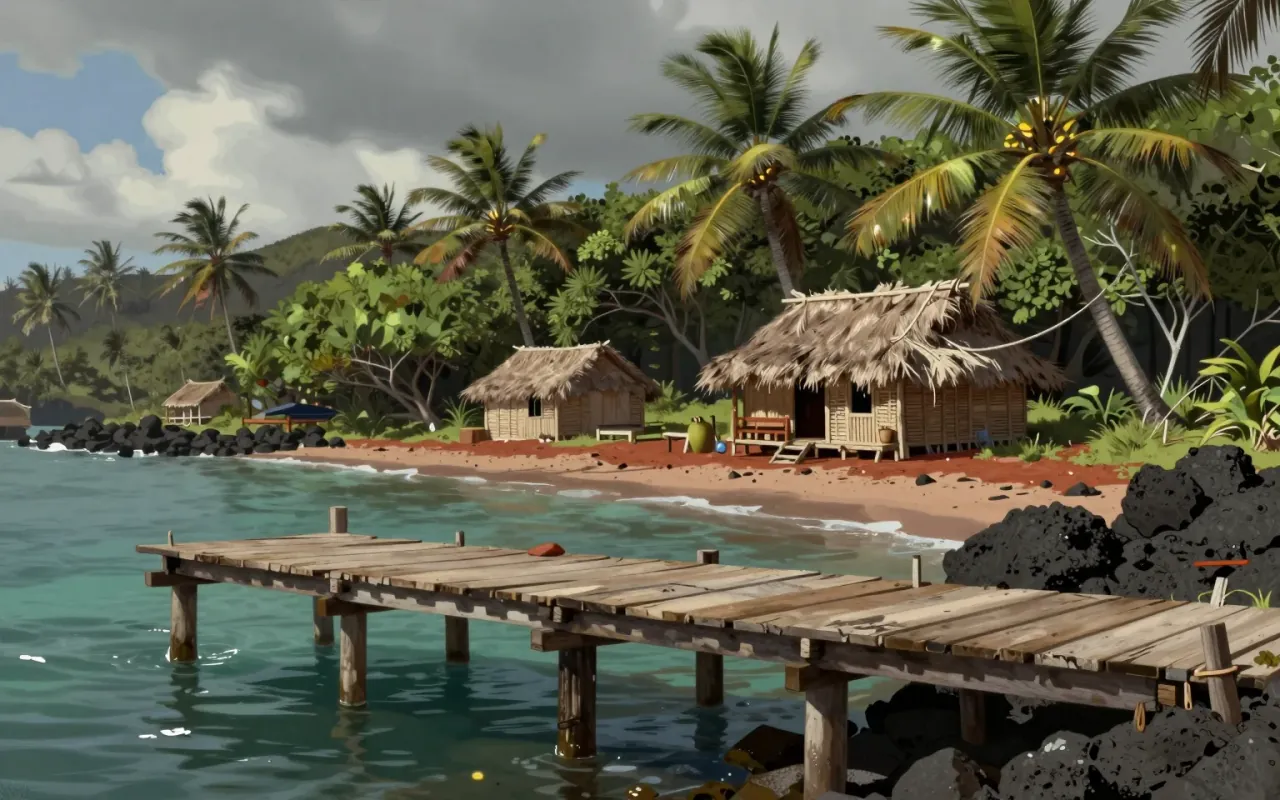
Escape from Monkey Island is the fourth Monkey Island game and LucasArts’ final original adventure title. It is a narrative-driven Caribbean island-hopping game built on dialogue, puzzle-solving, and novel input schemes.
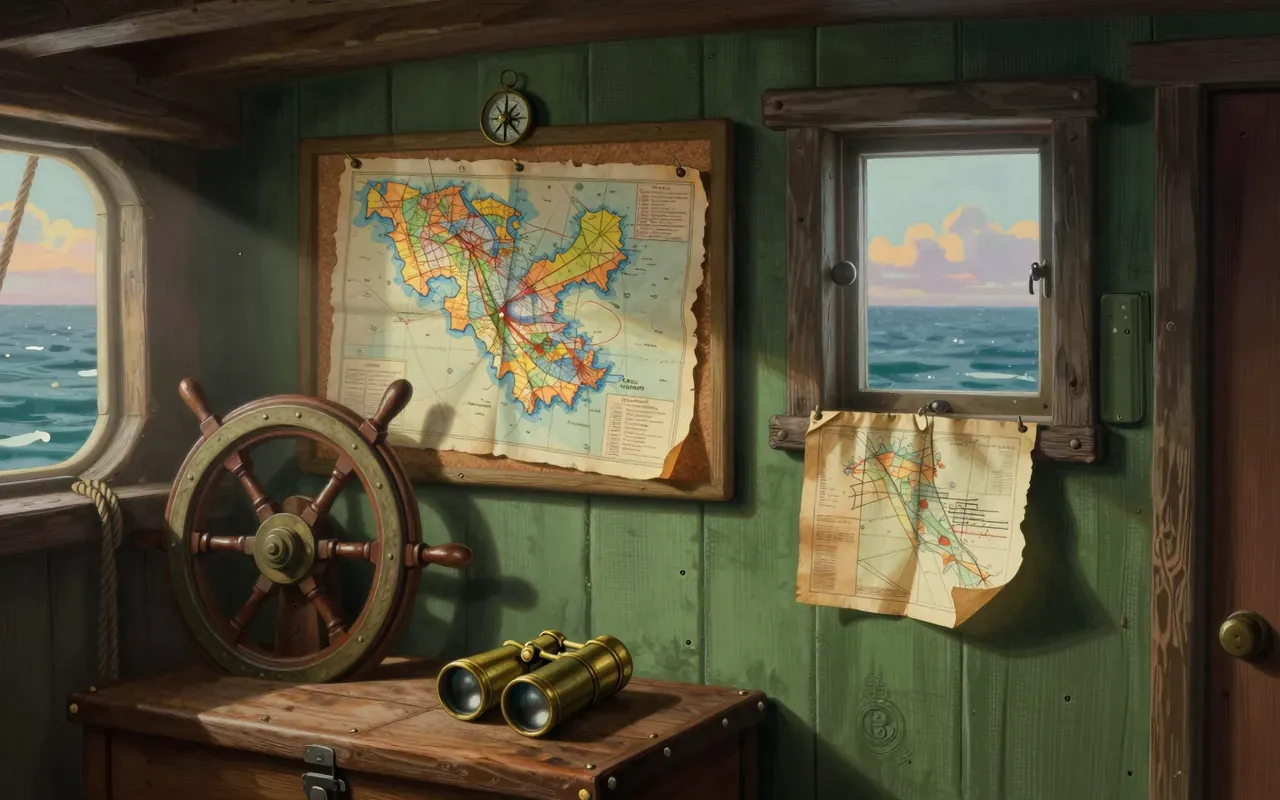
A foundational point-and-click adventure that prioritised interface clarity and consequence-free exploration over challenge or realism.