What the game is
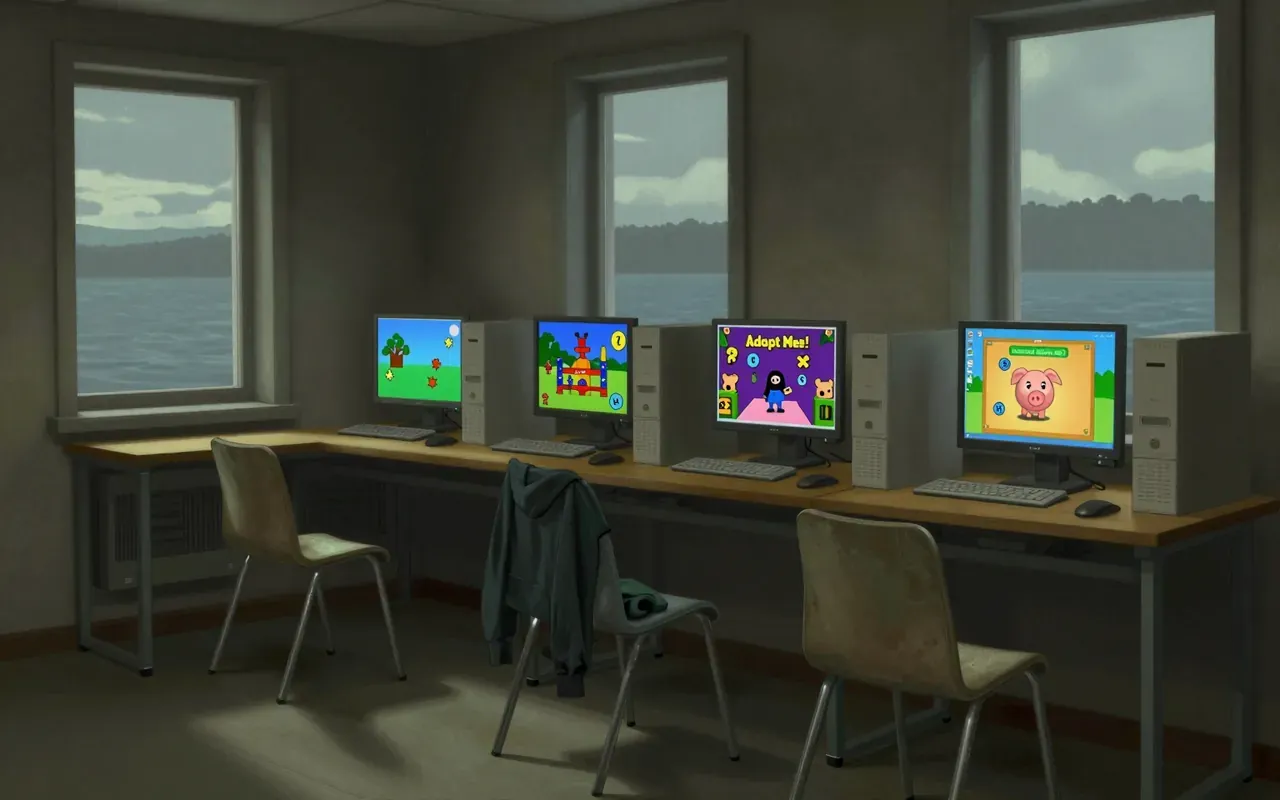
Roblox is a game platform released in 2006 by Roblox Corporation. It is not a single game. It is a system where users create and play games built with Roblox Studio and Luau.
How it actually plays
Players use Roblox Studio and Luau to build games. They share those games for others to play. They communicate via in-game chat and direct messaging. They spend Robux on items created by other users.
What works
It works as a publishing and monetisation layer for amateur developers. It enables real-world income via the Developer Exchange program. It sustains a free-to-play model through Robux purchases.
What does not
It does not establish consistent quality, coherence, or design intent across experiences. It withholds editorial curation, technical standardisation, and unified gameplay identity.
Who it is for, and who it is not
It is for young creators learning programming, educators using it as a sandbox, and players who enjoy variety over polish. It is not for players seeking authored experiences, deep mechanics, or consistent performance.
Is it worth your time
It is worth your time only if you want to build, share, or play user-made experiences — not if you seek a curated game with fixed rules, narrative, or progression.