gamesbriefs
11:50in productionCh. 1 · You Are Your Abilities/ 11:50 · ceiling 15 min
RPG · Action & adventure

Castlevania: Symphony of the Night

It doesn’t guide you — it watches you learn.

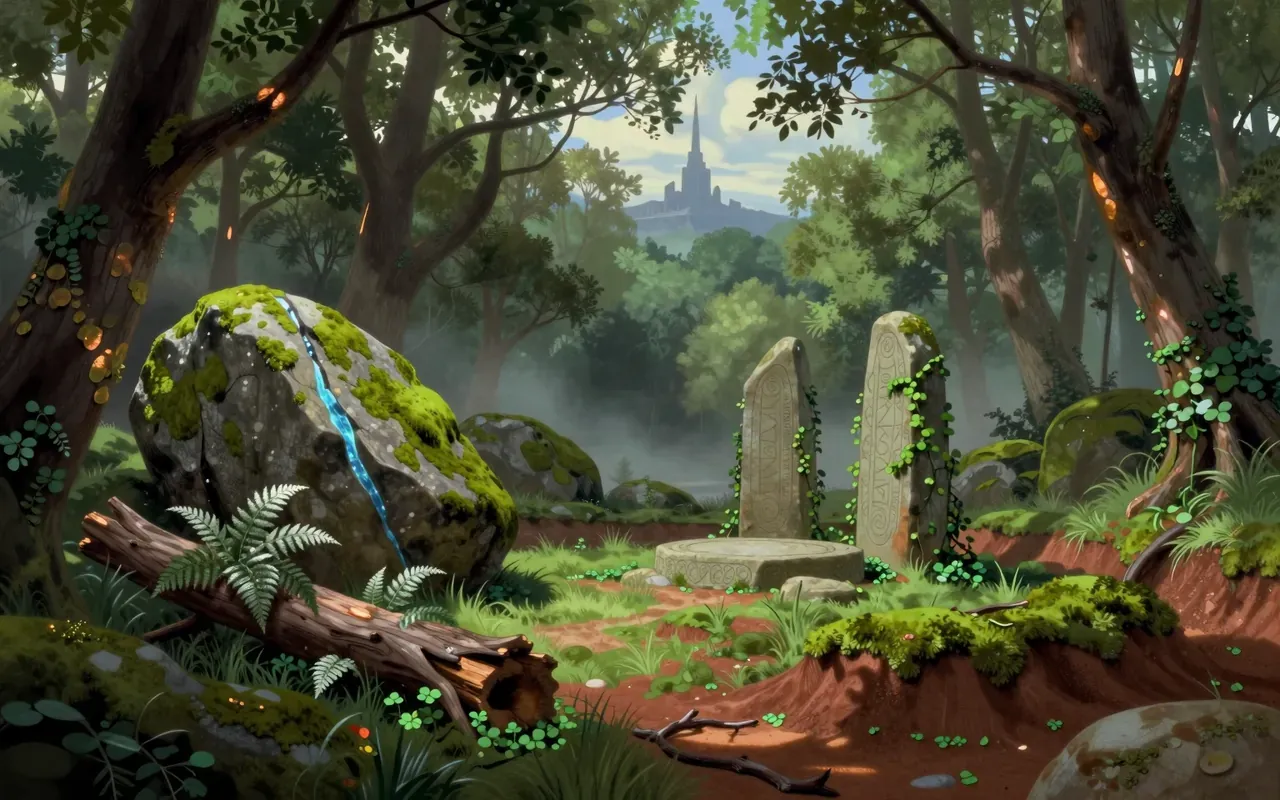
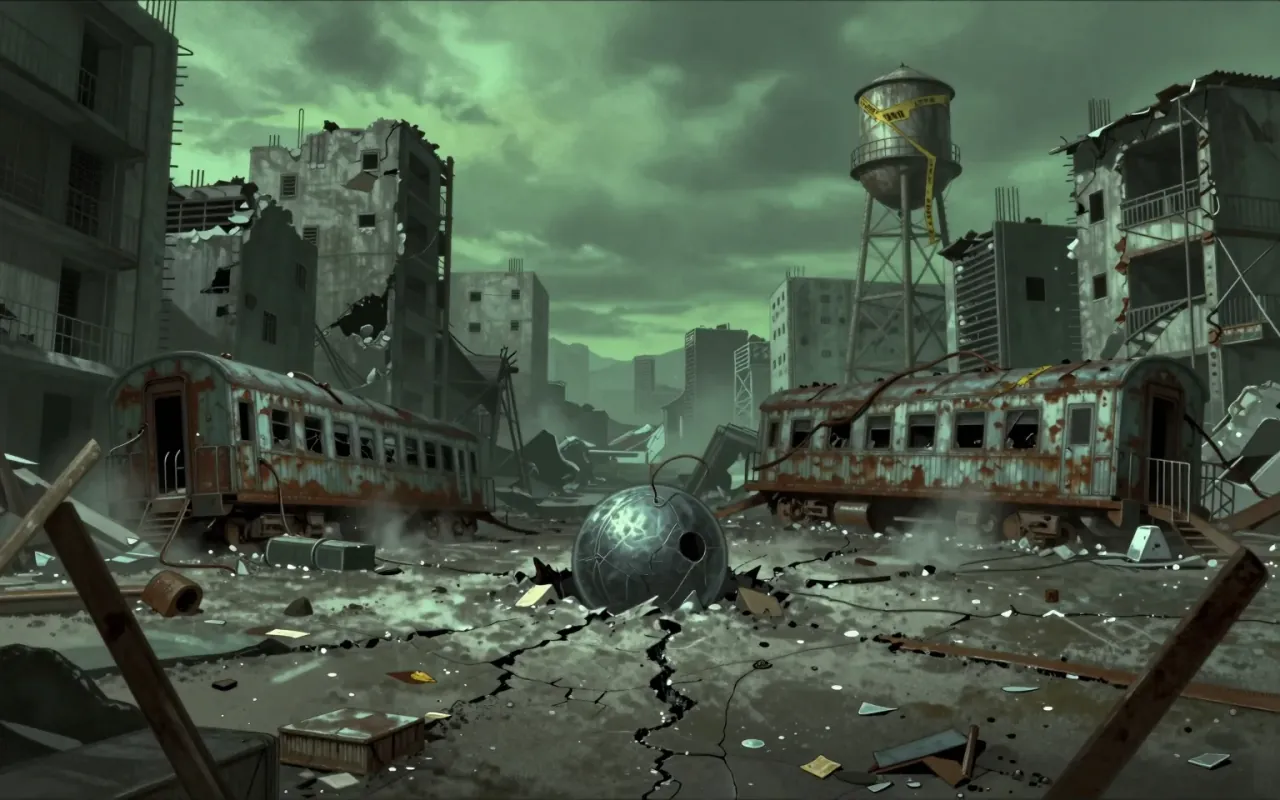
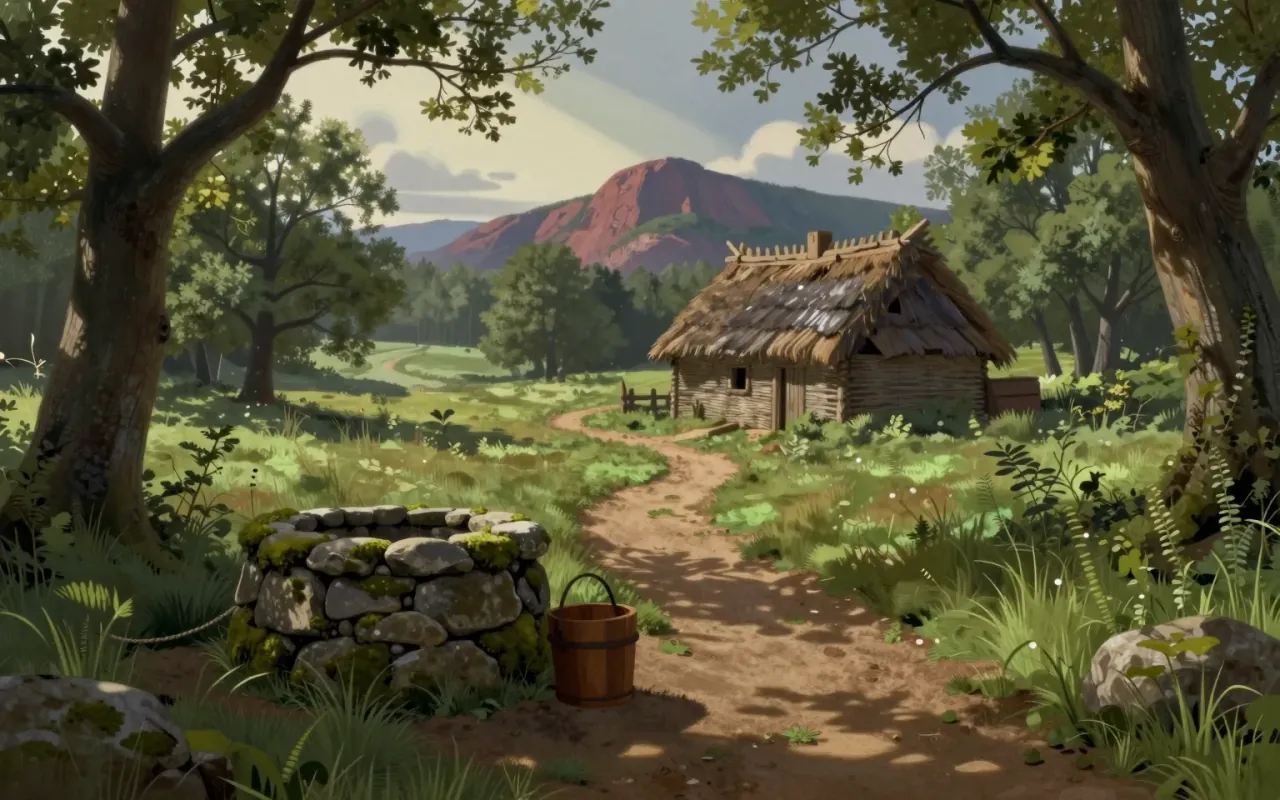
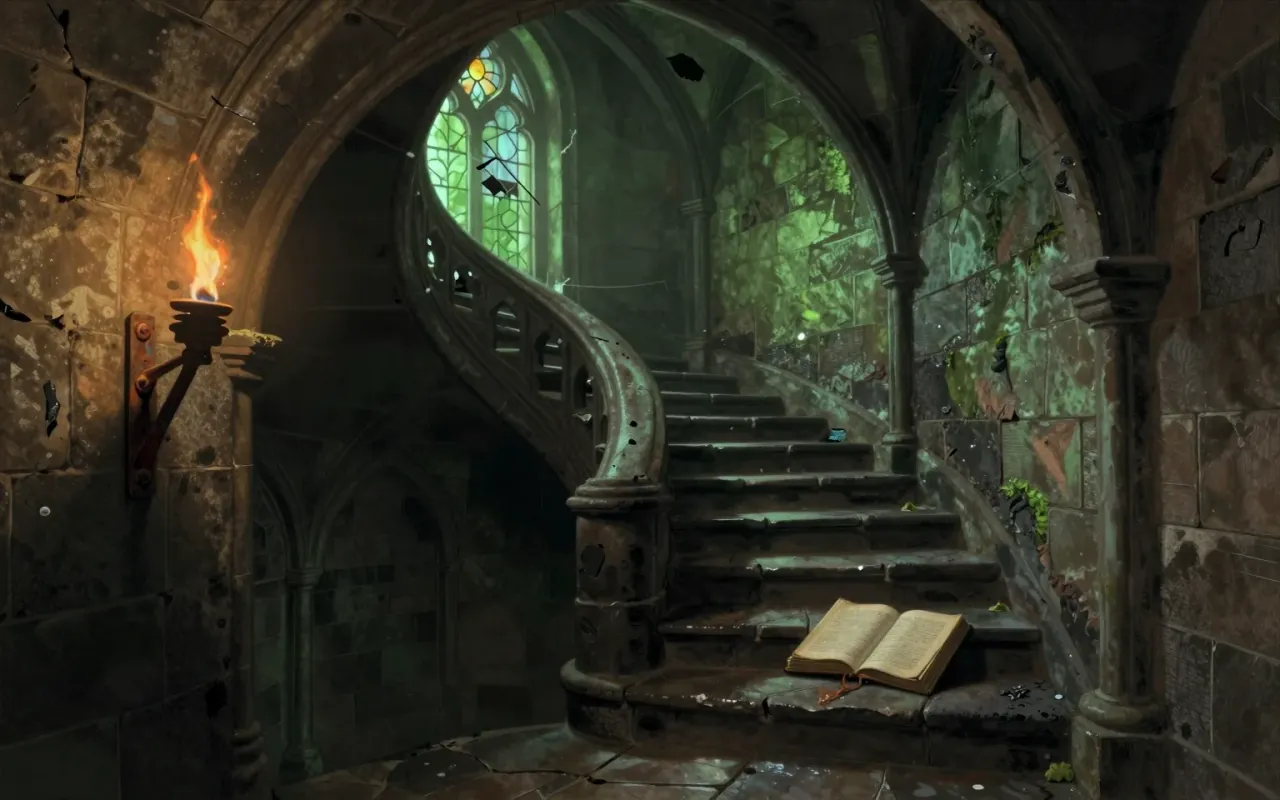
Castlevania: Symphony of the Night restructures the action genre around exploration, transformation, and consequence. It replaces linearity with layered access. It replaces exposition with environmental logic. It replaces certainty with discovery — and demands the player pay attention.

Chapters & takeaways4
  1. 1:18
    You Are Your Abilities

    Movement is gated — not by story, but by your current body.

  2. 2:54
    No GPS, Just Geography

    The map is your only compass — and it only fills where you go.

  3. 6:07
    Inversion Is Not Decoration

    The castle flips — not as a gimmick, but as a structural reset.

  4. 7:22
    The Plot Is a Puzzle Box

    Richter isn’t rescued — he’s disarmed. Dracula isn’t defeated — he’s reassembled.

Worth your time?

Yes. Play the whole thing.

4.5/ 5
What works
  • The transformation system shapes every session.
  • The map reinforces spatial memory.
  • The Inverted Castle delivers structural surprise.
  • Boss fights demand pattern recognition and resource management.
What does not
  • It does not explain its own logic.
  • It does not offer modern signposting or accessibility options.
  • It does not clarify the purpose of the five-piece Dracula mechanic.
Play it if
  • Players who enjoy deciphering environmental logic.
  • Players who tolerate obscurity in service of discovery.
  • Players who value mechanical consequence over exposition.
Skip it if
  • Players who need clear goals.
  • Players who expect frequent feedback.
  • Players who require narrative scaffolding.
The written brief1 min read

What the game is

Castlevania: Symphony of the Night is a non-linear 2D side-scrolling action role-playing game developed by Konami in 1997. It departs from linear Castlevania conventions to build a world where exploration, backtracking, and ability-based unlocking define progression.

How it actually plays

The player controls Alucard in a 2D side-scrolling world. Movement is constrained by locked doors, gaps, and enemies. Progress depends on acquiring transformations — bat, wolf, mist — and items that unlock new paths. A map updates as the player explores. Combat uses varied weapons, not just a whip. Defeating bosses yields pieces of Dracula. Freeing Richter triggers a structural shift: the castle inverts.

What works

The transformation system shapes every session: each new form redefines mobility and access. The map reinforces spatial memory. The Inverted Castle delivers structural surprise, not just cosmetic flip. Boss fights demand pattern recognition and resource management. Weapon variety supports playstyle experimentation without altering core movement.

What does not

It does not explain its own logic. There is no tutorial for transformations or item use. The Inverted Castle offers no orientation beyond inversion. Boss patterns are untelegraphed. The five-piece Dracula mechanic references Castlevania II but gives no context for why or how it matters.

Who it is for, and who it is not

It is for players who enjoy deciphering environmental logic, tolerate obscurity in service of discovery, and value mechanical consequence over exposition. It is not for players who need clear goals, frequent feedback, or narrative scaffolding.

Is it worth your time

Yes — if you want a tightly wound loop of exploration, ability-gated progression, and atmospheric escalation. No — if you expect modern signposting, accessibility options, or narrative clarity. It asks for patience, memory, and willingness to backtrack without hand-holding.
Same shelf · RPG4 of 26
Up next in Games

Chrono Trigger

Square · 1995 · 8:53

Chrono Trigger ditches random encounters—and the battle screen—to keep combat grounded in the world you’re exploring.

8:53