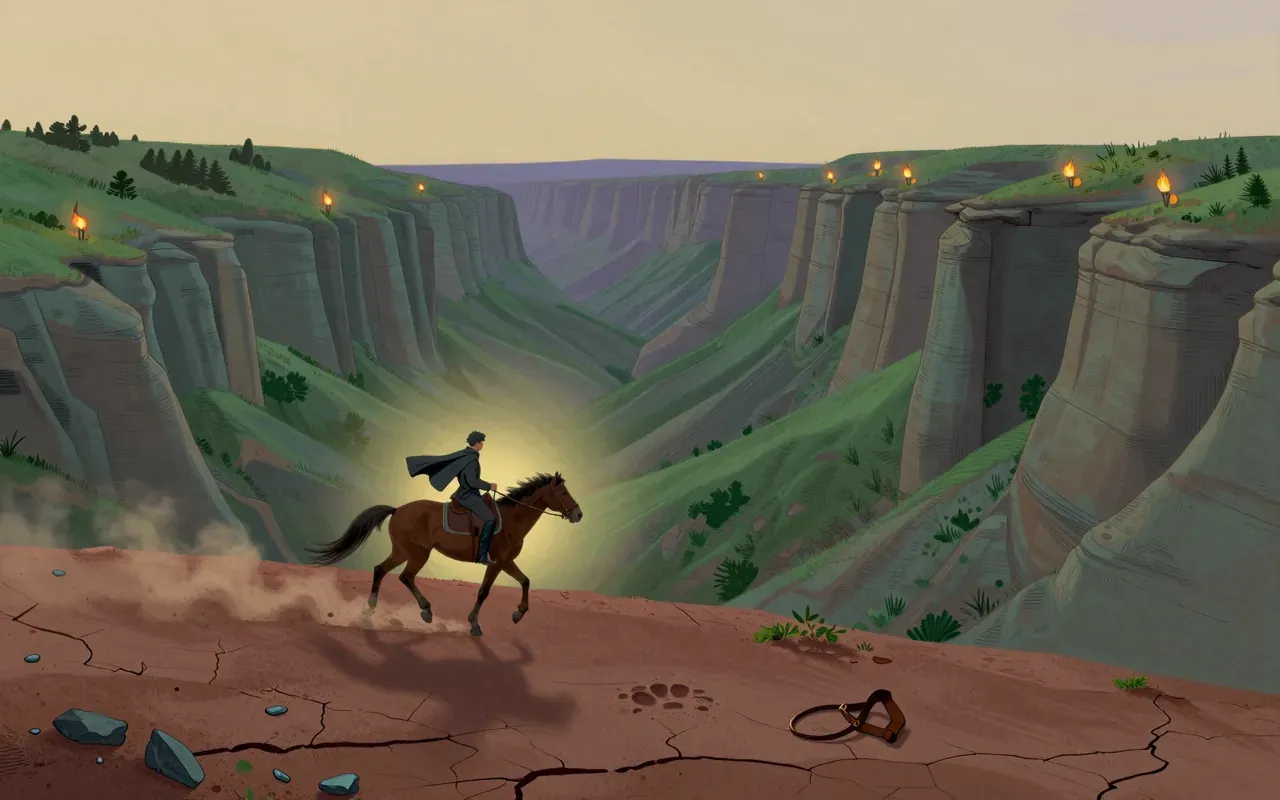
Black Desert Online
Pearl Abyss · 2014
Black Desert Online replaces tab-targeting with twitch reflexes — and forces you to feed your horse before it dies in battle.
Black Desert Online replaces tab-targeting with twitch reflexes — and forces you to feed your horse before it dies in battle.
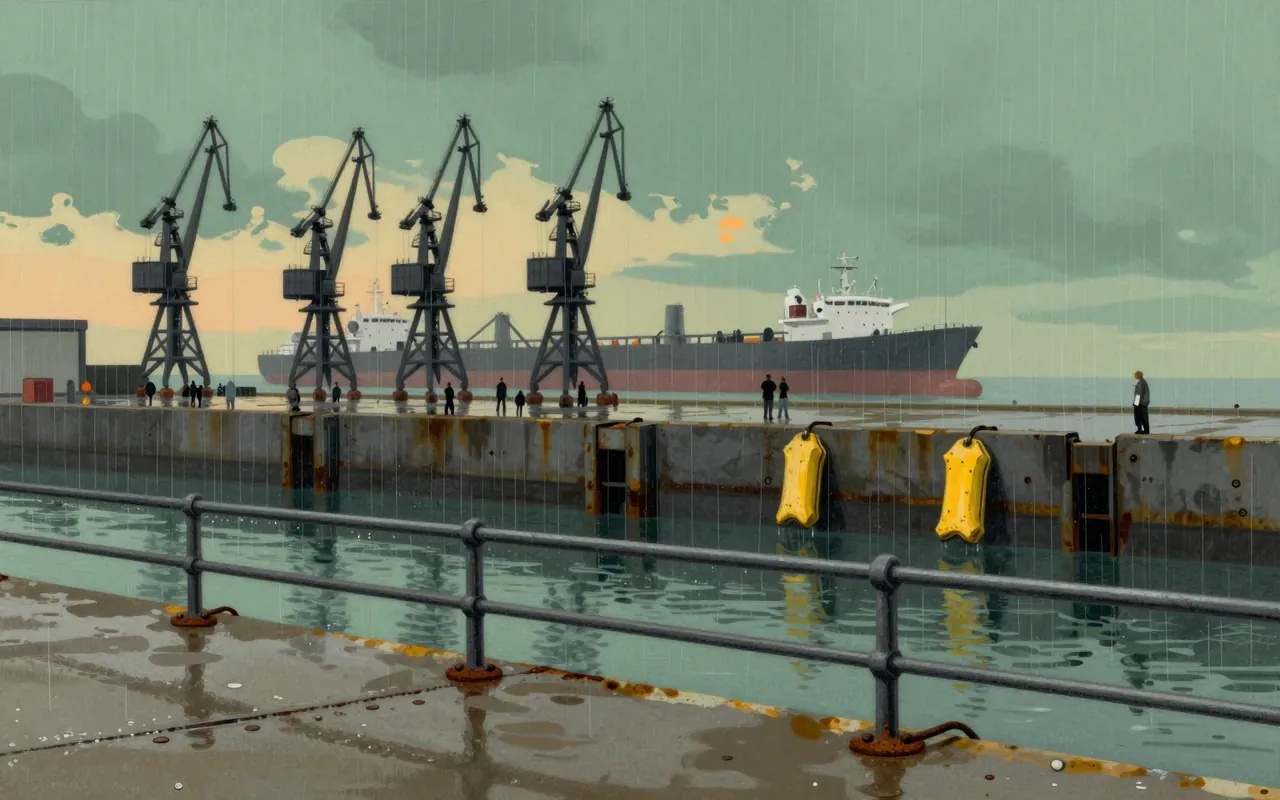
Metal Gear Solid 2: Sons of Liberty is a PlayStation 2 stealth-action game released in 2001 by Konami. It features two narrative chapters—the 'Tanker' prologue with Solid Snake and the 'Plant' main section with Raiden—set near New York City in an alternate-history timeline. Its stealth loop relies on observation, environmental interaction, and squad-based enemy AI. It explores memetics, information control, and freedom of thought through a postmodern, fourth-wall-breaking structure.
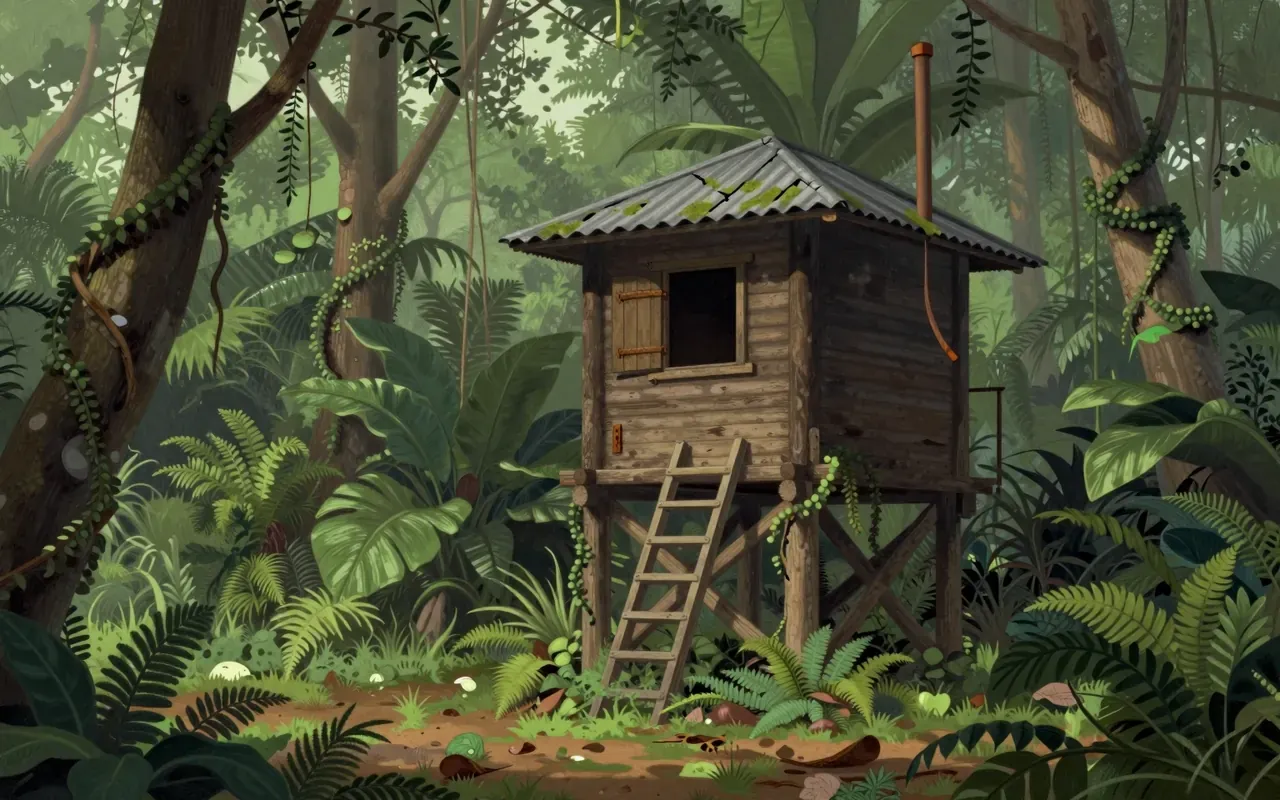
Metal Gear Solid 3: Snake Eater is a PlayStation 2 stealth game set in a Soviet tropical forest in 1964. It replaces abstract health with bodily injury tracking, swaps binary detection for a dynamic camouflage index, and ties stamina to foraging and rest. Its loop is observational, adaptive, and physically grounded—not cinematic, not reflexive, not narrative-first.
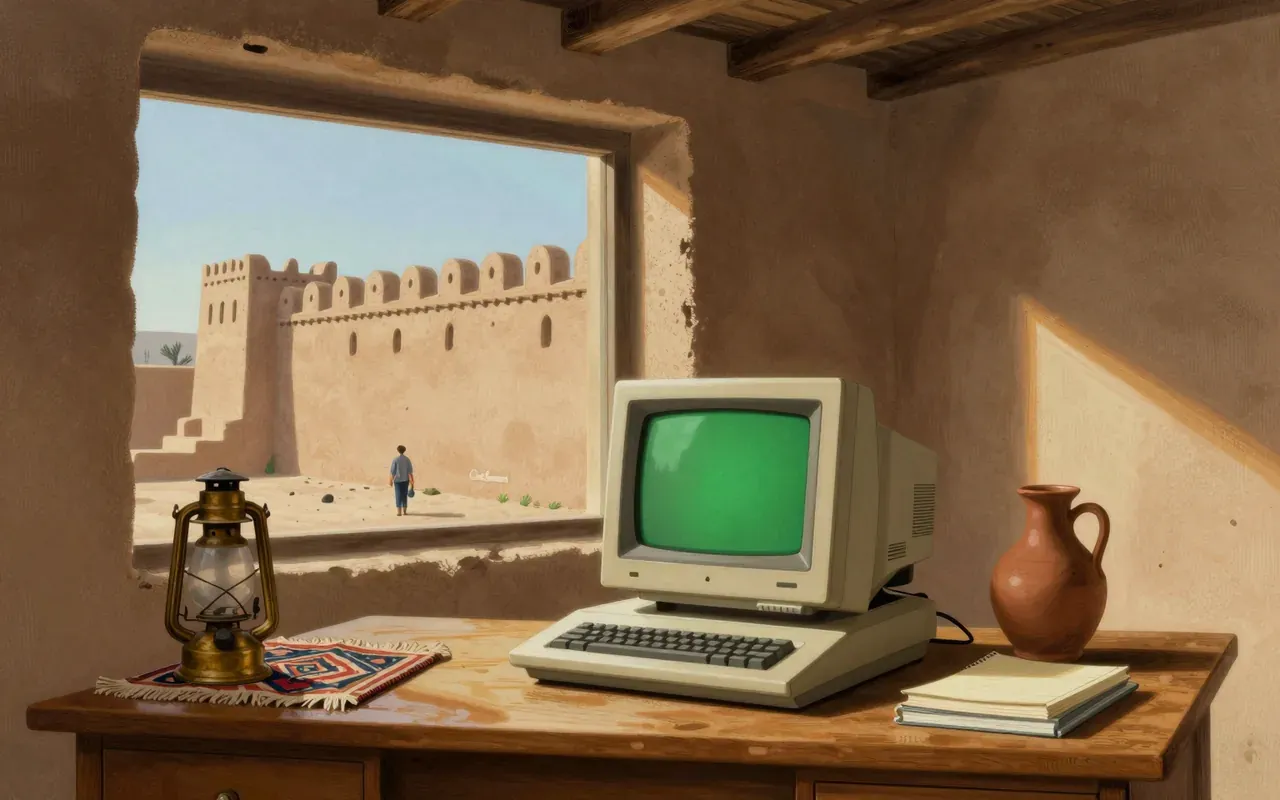
Prince of Persia 2: The Shadow and the Flame is a 1993 Broderbund-published cinematic platformer that escalates tension through larger environments, denser combat, and an unforgiving real-time clock—without altering the foundational verbs established on the Apple II.
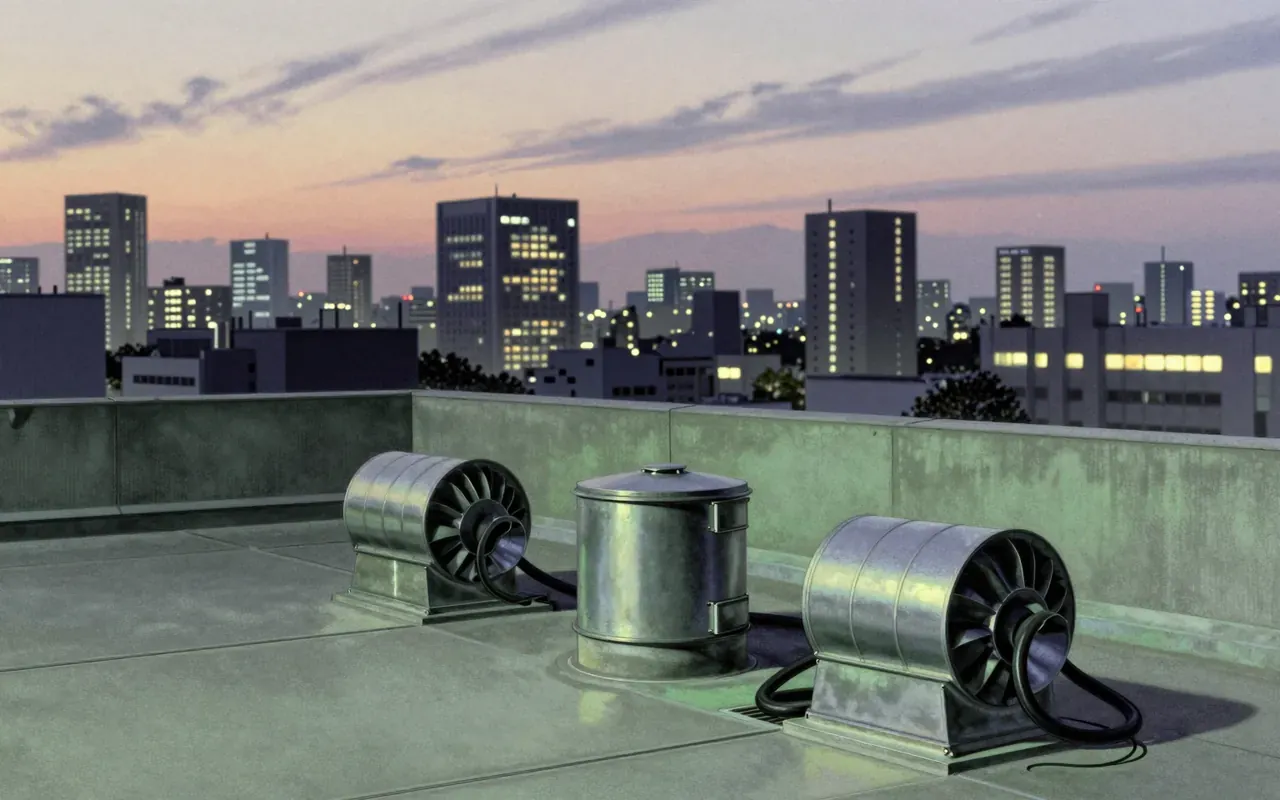
Shinobi (1987) is a Sega arcade game where Joe Musashi fights Zeed across timed stages using shurikens, melee, and one-per-stage ninjutsu techniques. Movement is precise. Death is absolute. Progression is hostage-driven. It is not about lore, scale, or stamina — it is about reading space, committing to motion, and choosing when to spend your one irreplaceable power.
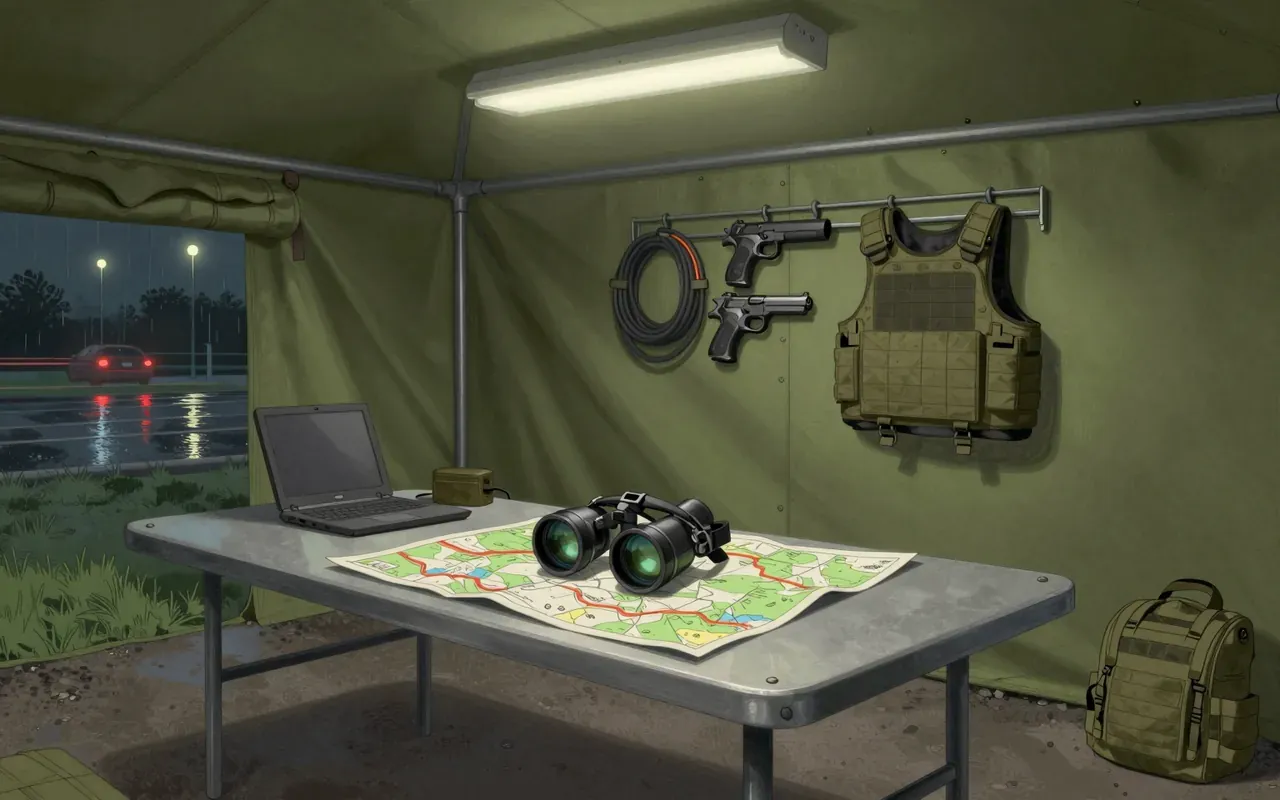
Tom Clancy's Splinter Cell: Blacklist is a 2013 action-adventure stealth game developed by Ubisoft Toronto — its debut project. It gives players three clear paths: silent infiltration, aggressive stealth, or direct combat — each supported by tools like the Tri-Rotor drone, light destruction, corpse hiding, and sensor goggles. It runs in third-person. Players rotate the camera, crouch, run, and scale ledges. Killing alerts enemies who see corpses — so hiding bodies is essential. The game’s strength is its tight, readable cause-and-effect loop. Its weakness is the separation of its systems: stealth, action, and progression never fully converge.

TERA replaces tab-targeting with muscle memory — and demands you learn the difference between aiming and reacting.
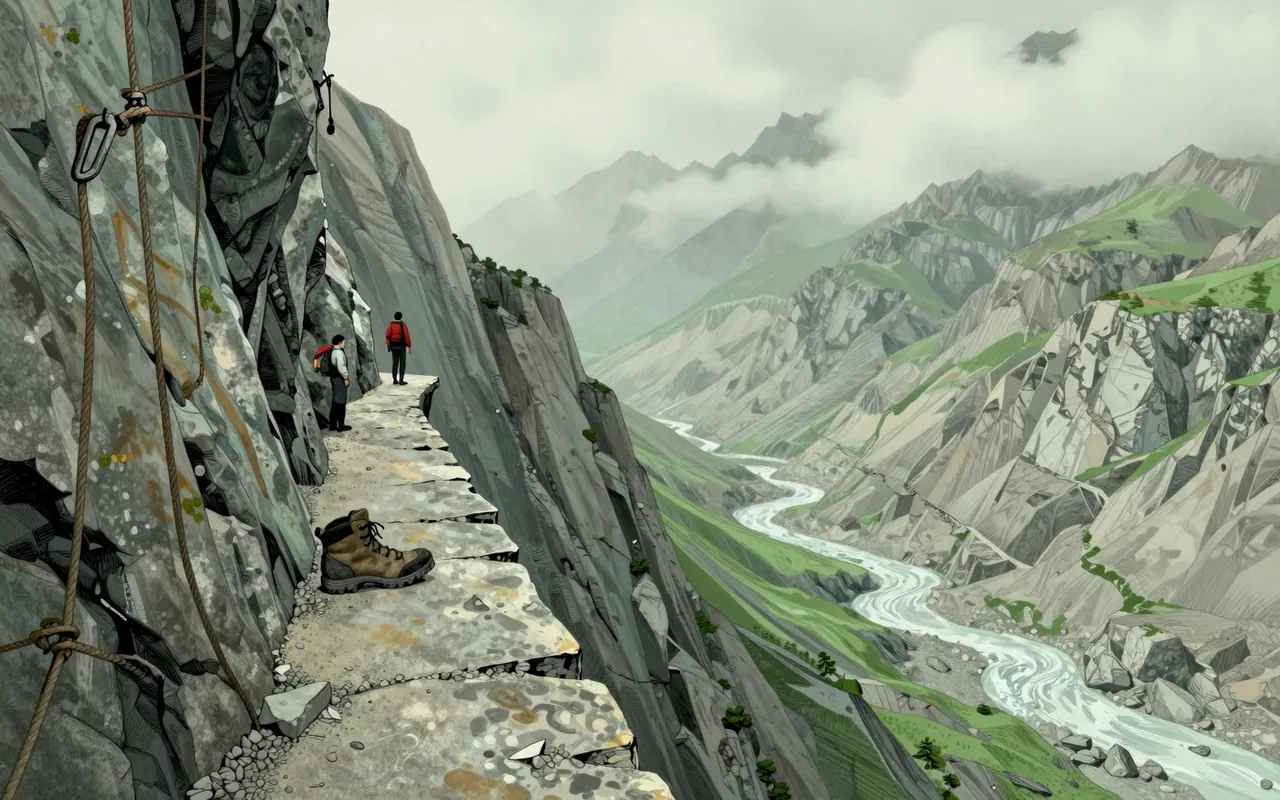
Uncharted 2: Among Thieves is a third-person action-adventure platformer for PlayStation 3. It is developed by Naughty Dog. It continues the studio’s first approach to realistic worlds and characters. It constrains player action through fixed weapon loadouts, scarce grenades, and environment-locked traversal. It ties puzzle-solving to journal entries. It runs on a proprietary engine built for the PlayStation 3’s Cell architecture.

Armored Core (1997) is FromSoftware’s first mecha combat game. Players pilot highly modular Armored Cores across open desert bases and space stations, engaging enemies that appear from all directions. Customisation is functional: swapping leg units changes mobility; weapon choices define combat range. Credits earned from missions fund upgrades, but ammunition and repair costs are deducted even on failure. There is no hand-holding — no map, no waypoints, no enemy indicators. The loop is austere, spatial, and penalised.
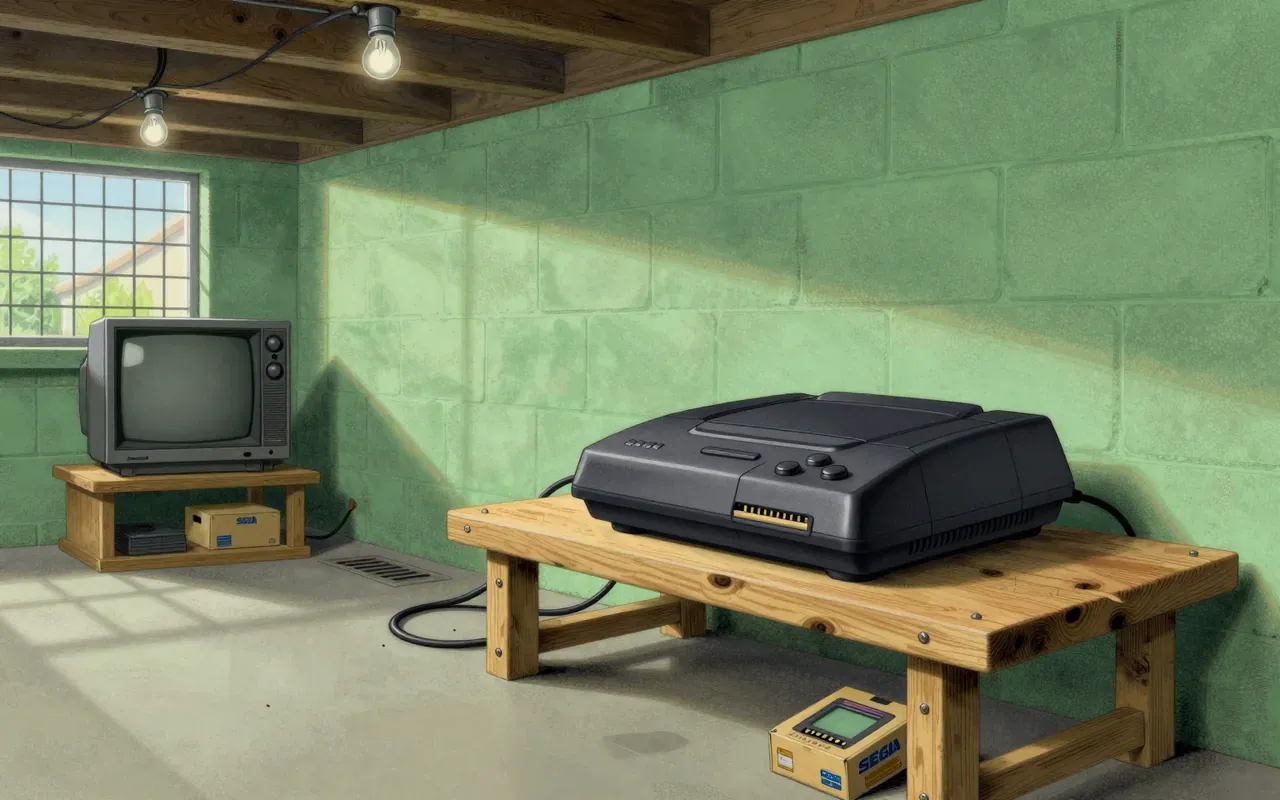
Ecco the Dolphin is an action-adventure game where the player controls a bottlenose dolphin navigating time-traveling plot-driven levels. Core mechanics include speed-based swimming, singing-based interaction and mapping, glyph-based puzzles, and survival constraints like air depletion and health management.
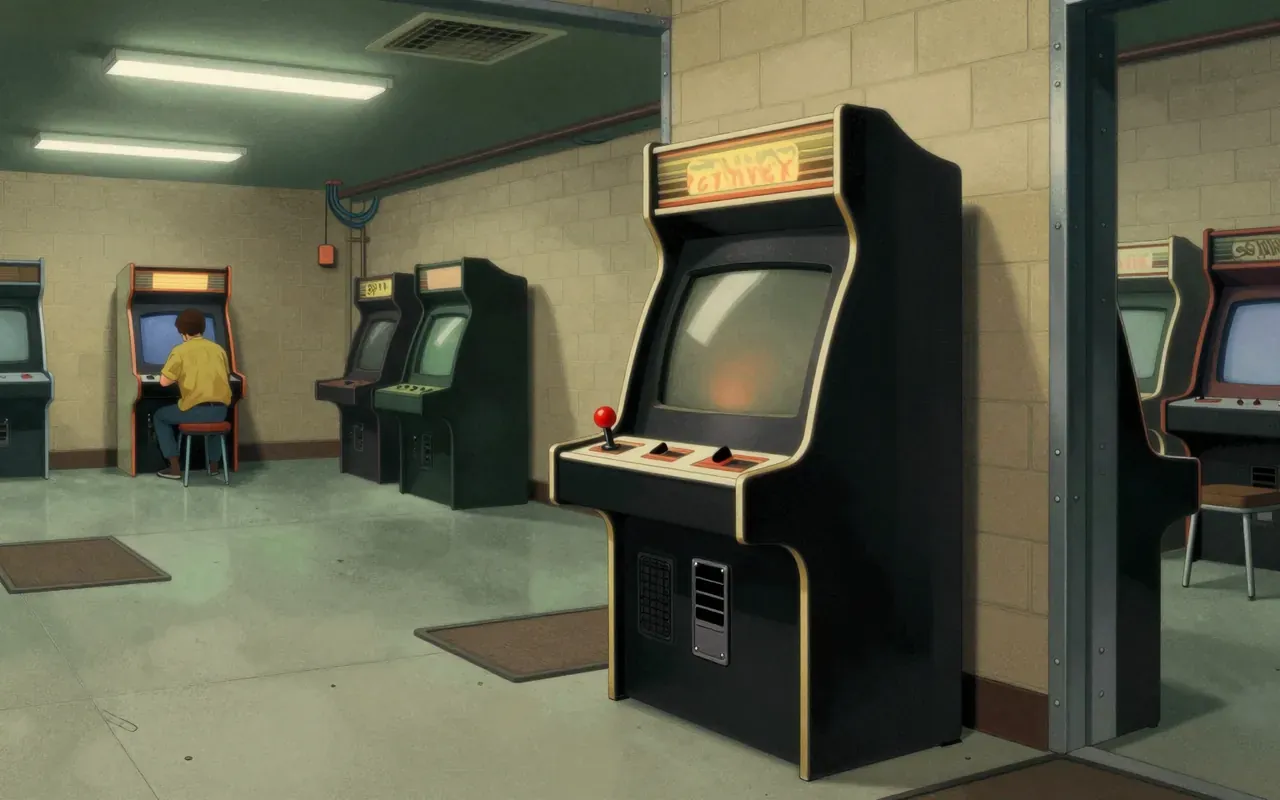
Kangaroo is a tightly wound 1982 arcade platformer where vertical movement, joystick-based jumping, and face-to-face punching define every second of play. It delivers immediacy and clarity at the cost of variety and longevity.
Lost Ark is a technically competent, gear-obsessed PvE MMO that delivers satisfying combo combat and vast content—but only if you accept its rigid, repetition-first design as a feature, not a flaw.
A top-down stealth action-adventure set inside a nuclear weapons facility, where players control Solid Snake to infiltrate, evade, and acquire key cards from bosses while managing shifting threat states: infiltration, alert, and evasion.
Metroid (1986) is a foundational action-adventure game where Samus Aran explores the planet Zebes, acquiring abilities like the Morph Ball and Screw Attack to unlock new areas. It uses nonlinear progression, mandatory boss fights (Kraid and Ridley), and a password save system. It is one of Nintendo’s major franchises and features Samus Aran, a Nintendo character with international recognition.
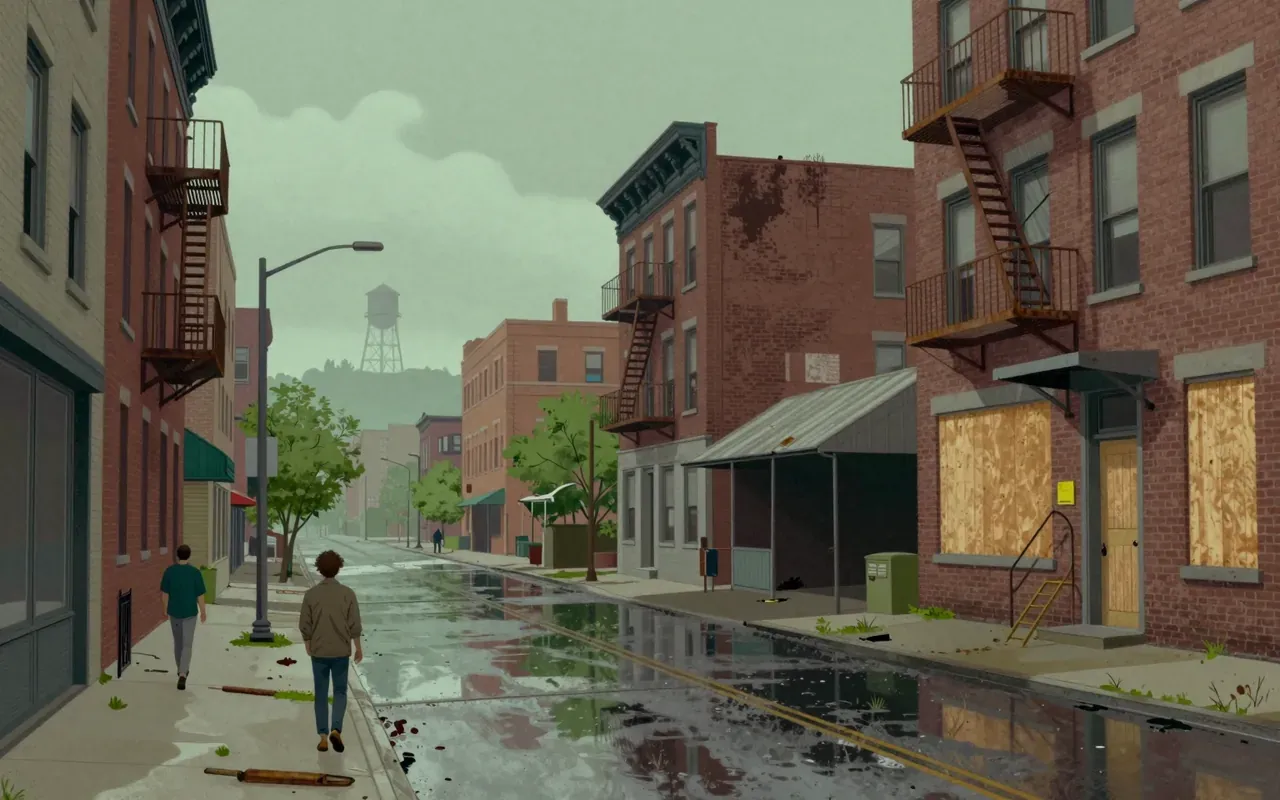
The Last of Us (2013) is a post-apocalyptic third-person action-adventure game developed by Naughty Dog for PlayStation 3. It follows Ellie and Joel across a United States overrun by humans infected with a Cordyceps-like fungus. Players traverse ruined environments, engage in vulnerable, resource-constrained combat using firearms, improvised weapons, and stealth, and craft or upgrade gear at workbenches. The design prioritises tension, scarcity, and character-driven stakes over systemic openness or player authorship.
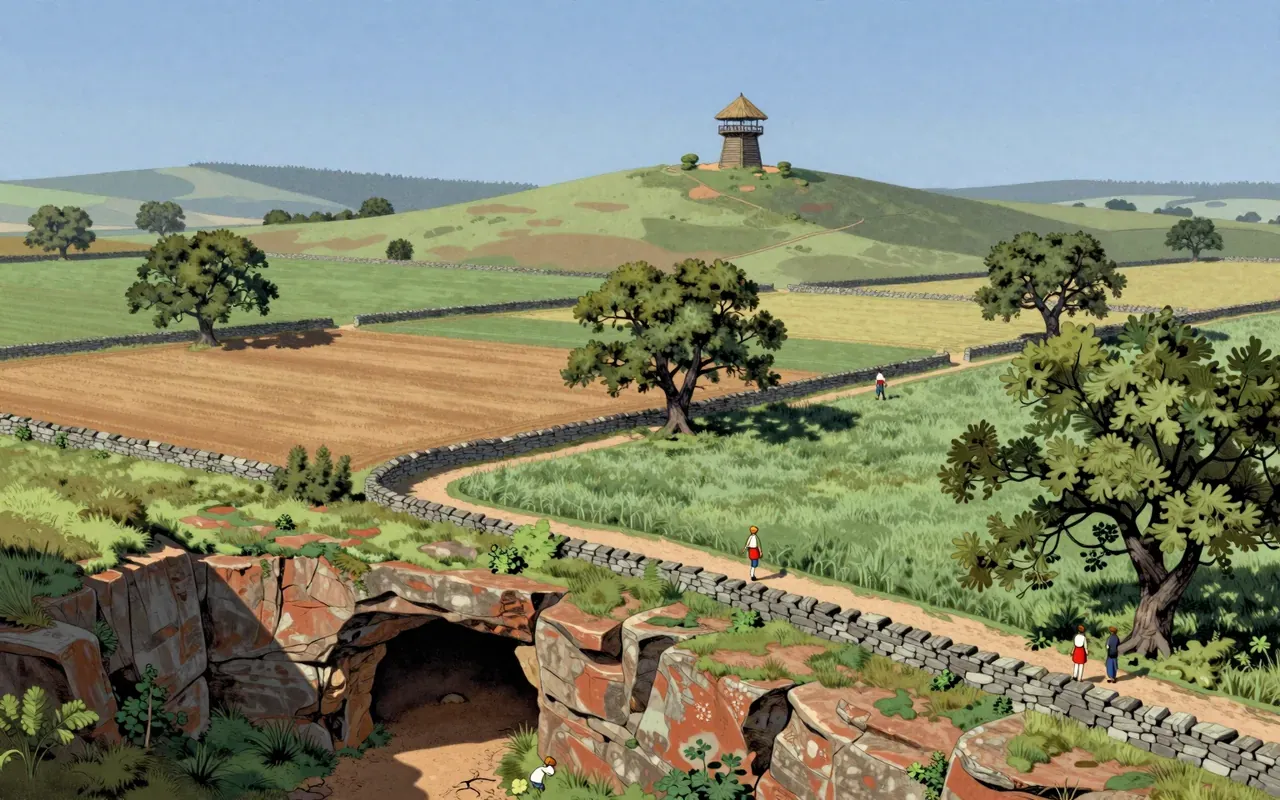
A foundational action-adventure game that treats exploration as a skill to be learned—not a path to be followed.
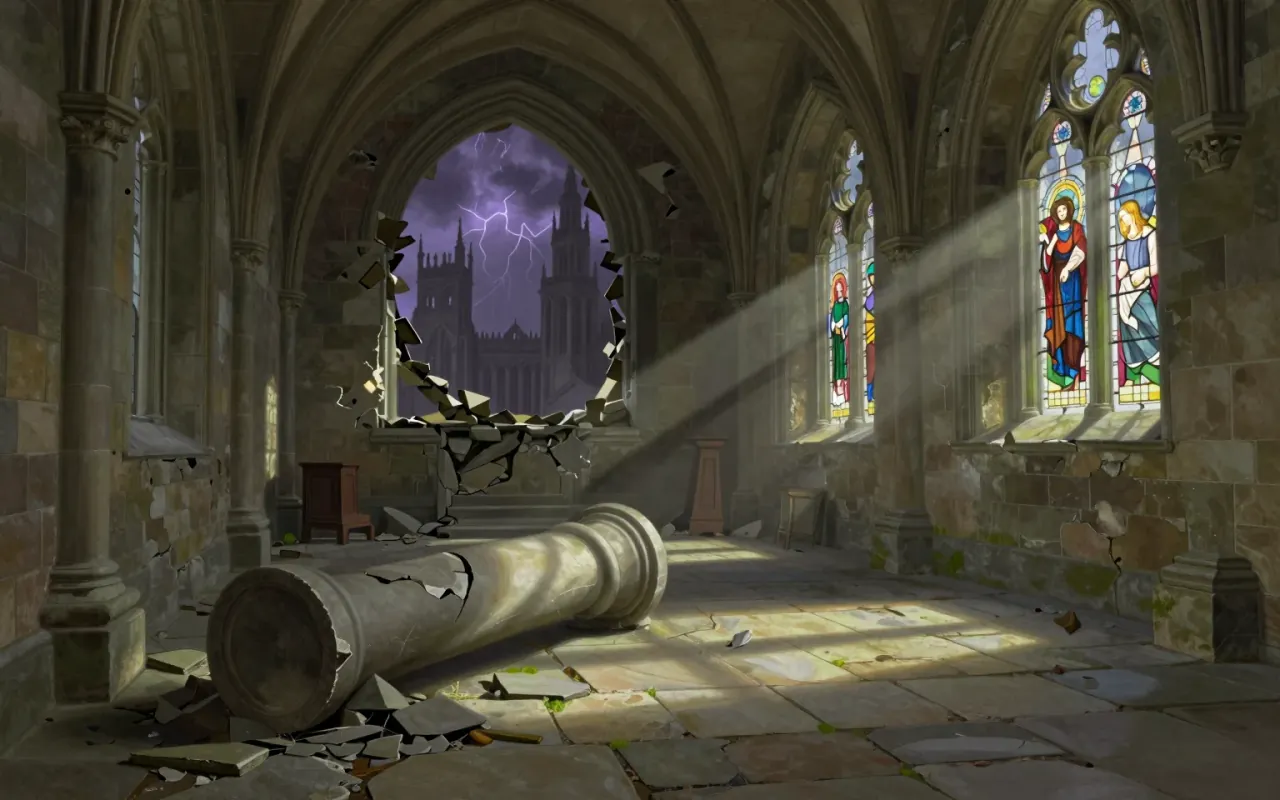
Diablo III is a 2012 action RPG built around loot-driven progression, real-time isometric combat, and mandatory online connectivity. Its systems prioritise frequency and clarity of reward over narrative or environmental storytelling. The game’s design enforces repetition, not reflection.

Diablo IV is an online-only ARPG where eight classes fight themed enemy families in an open world punctuated by procedurally generated dungeons. Combat effectiveness is determined by attributes and gear. Loot acquisition drives progression. Player versus player combat exists. There is no offline mode.
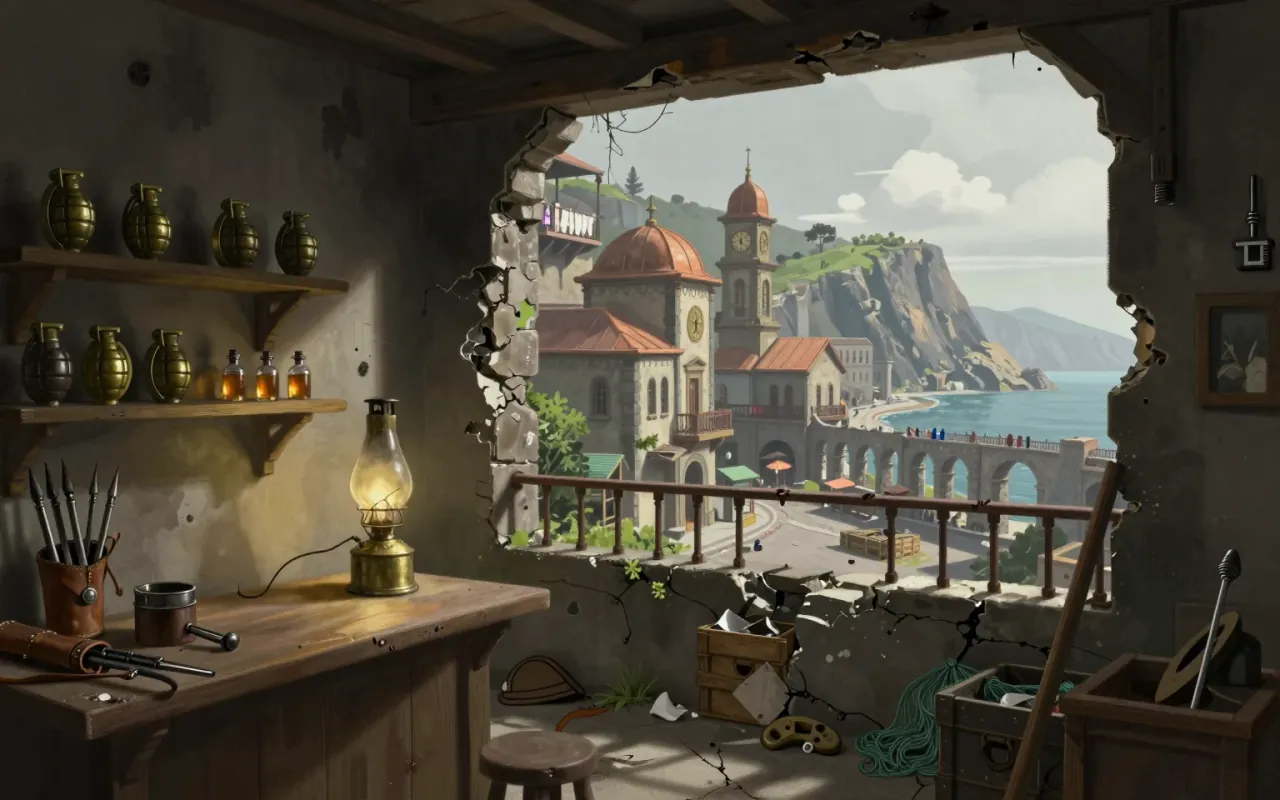
Dishonored 2 is a first-person action-adventure with stealth elements, developed by Arkane Lyon and published by Bethesda Softworks in November 2016. It runs on the proprietary Void Engine. Players choose between Emily Kaldwin or Corvo Attano, each with distinct supernatural abilities — all optional.
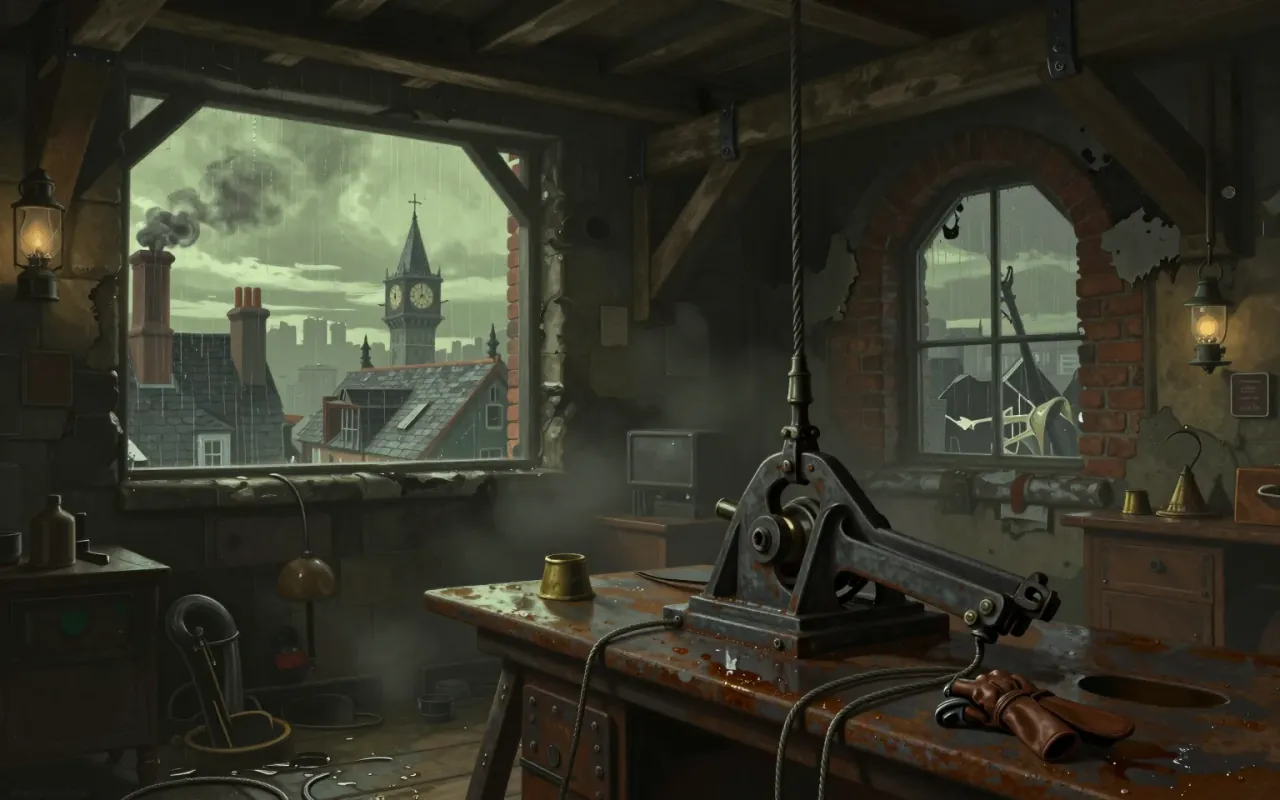
Dishonored: Death of the Outsider is a first-person action-adventure game developed by Arkane Studios in Lyon. It is a standalone expansion concluding the Kaldwin-era arc of the Dishonored series. Players assume the role of Billie Lurk and use conventional weapons, gadgets—including a wrist-mounted crossbow, land mines, grenades, and a new hook mine—and fully unlocked supernatural abilities such as Displace and Semblance. Energy for powers regenerates automatically, eliminating consumables. The Chaos system is removed, and optional Contracts serve as side missions.
Far Cry 4 is a polished, iterative open-world shooter that prioritises environmental spectacle and weapon-led combat over narrative weight or systemic innovation. It works best when treated as a tactical sandbox — not a story world.

Far Cry 5 is a first-person shooter developed by Ubisoft Montreal and released in 2018. It runs on the Dunia engine. Players explore Hope County freely on foot or by vehicle. They customise their silent protagonist, engage in ranged and melee combat, and use a ballistics system with bullet drop. Progression is region-based: most of the world opens after the intro, and Resistance Points earned through actions trigger story events.

Hitman 3 refines the assassination loop to its sharpest point: observe, disguise, infiltrate, eliminate. It assumes competence. It delivers density. It ends where it began — in the architecture of opportunity.
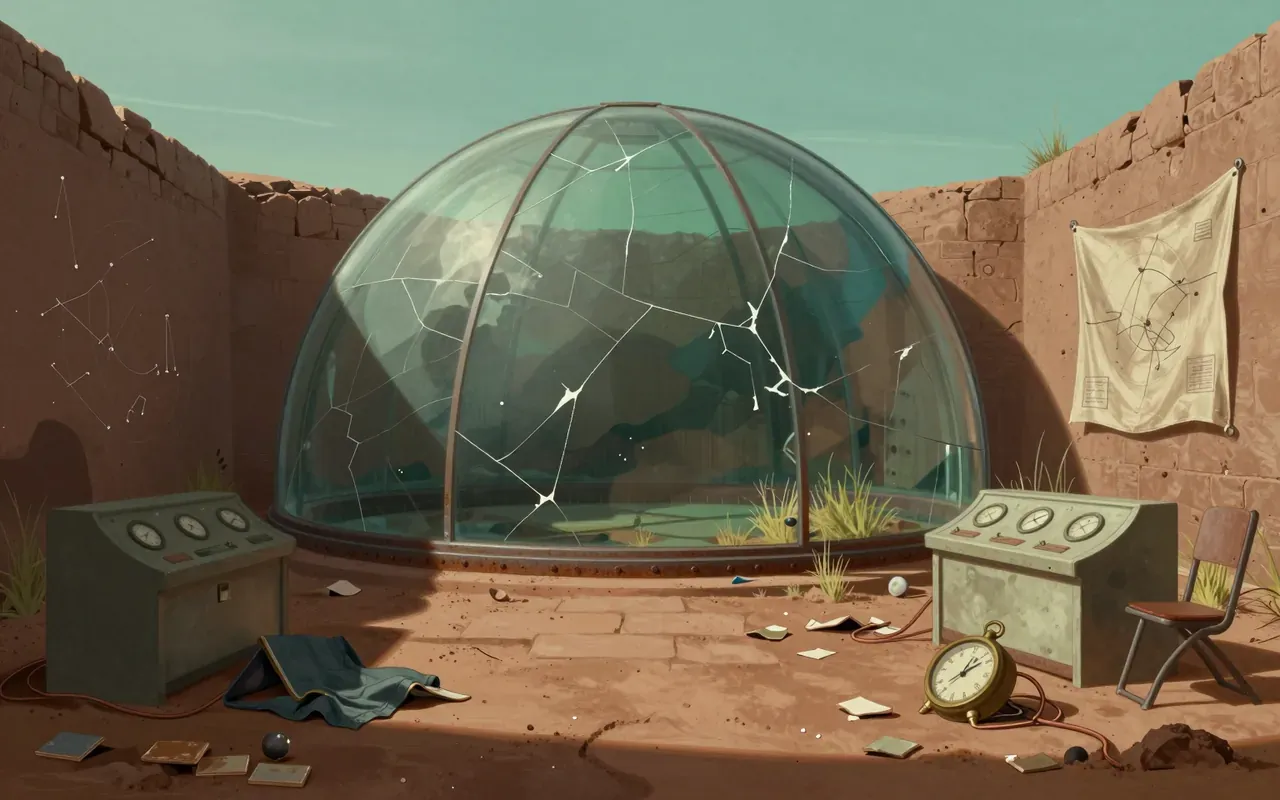
Outer Wilds is a tightly wound clockwork of time, memory, and celestial mechanics. It gives you nothing but questions—and insists you answer them in order.
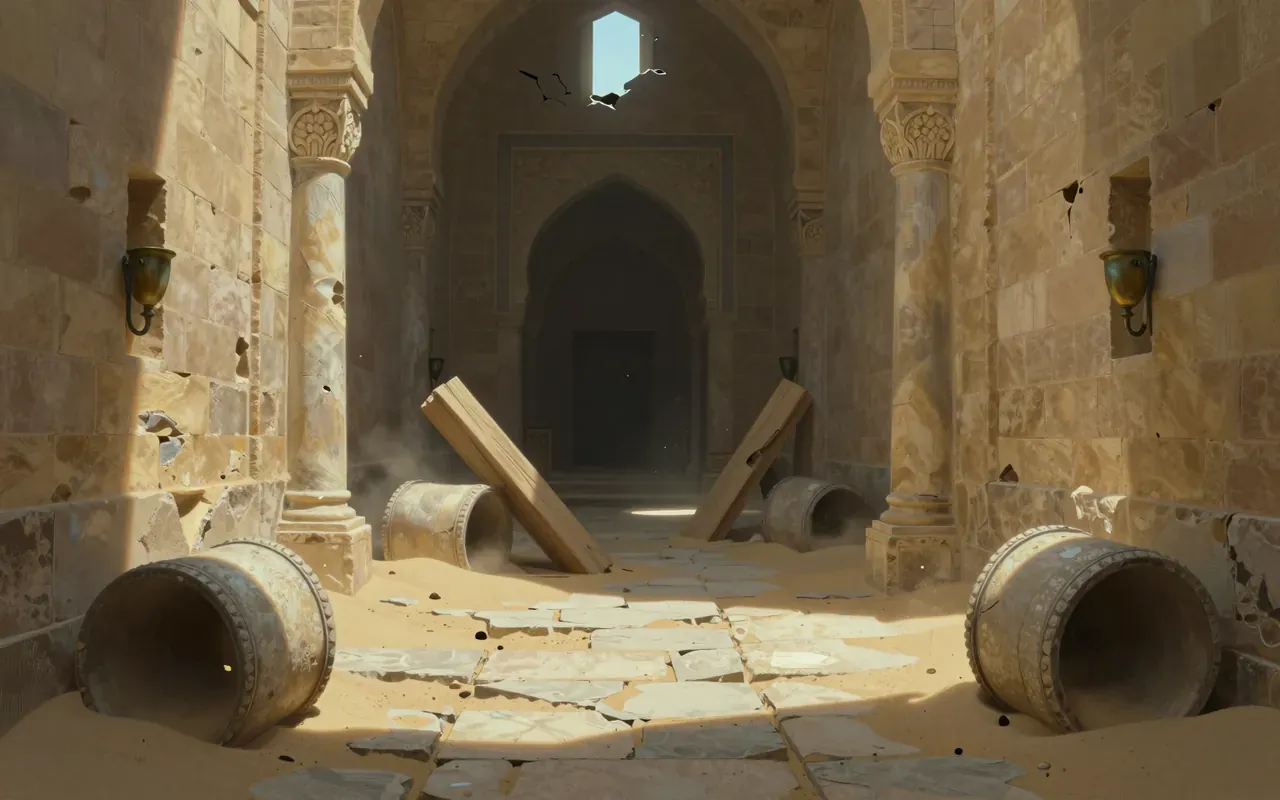
Prince of Persia: The Sands of Time (2003) is a foundational third-person action-adventure by Ubisoft Montreal that reimagined the franchise’s 2D roots as a 3D parkour-and-time-rewind system. Built around acrobatic traversal, trap navigation, and sand-infected enemy combat, it uses the Dagger of Time to rewind mistakes and freeze or kill foes — turning time into a limited, tactical resource. Farah provides AI archery assistance that doubles as environmental hazard. Health is restored at water sources; magic fountains expand maximum health. The dynamic third-person camera shifts contextually, denying manual control. Released in 2003, it was a critical and financial success — over 14 million copies sold by 2014 — and launched a trilogy.
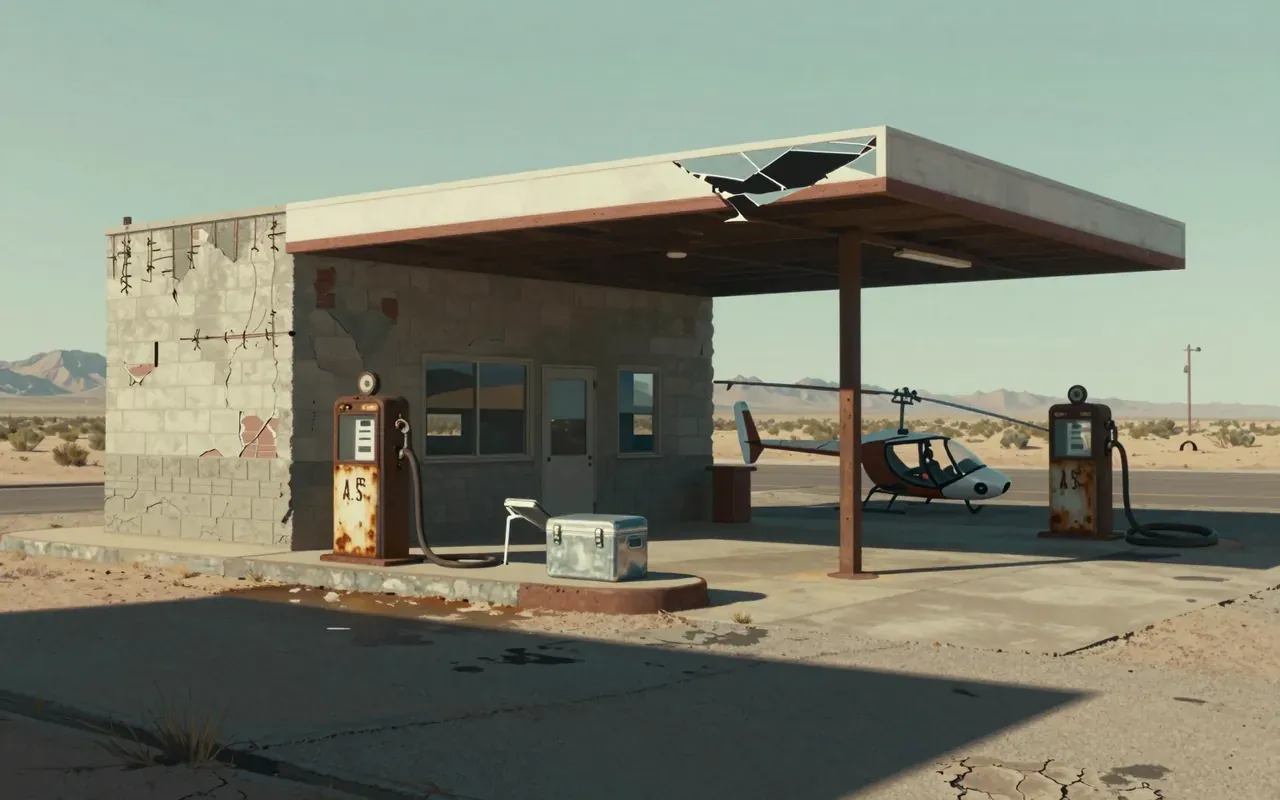
Rage 2 is a first-person shooter co-developed by Avalanche Studios and id Software. Players control Walker — a customisable Ranger — in an apocalyptic open world. Combat blends firearms, the wingstick, Nanotrite powers, and Overdrive, a mode that increases gun damage, heals Walker continuously, and boosts enemy energy drops. Vehicular combat includes trucks, buggies, and gyrocopters — and players may drive any vehicle in the world. The game offers no verified details about platforms, release date beyond 2019, sales, length, frame rate, resolution, player count, or critical reception.
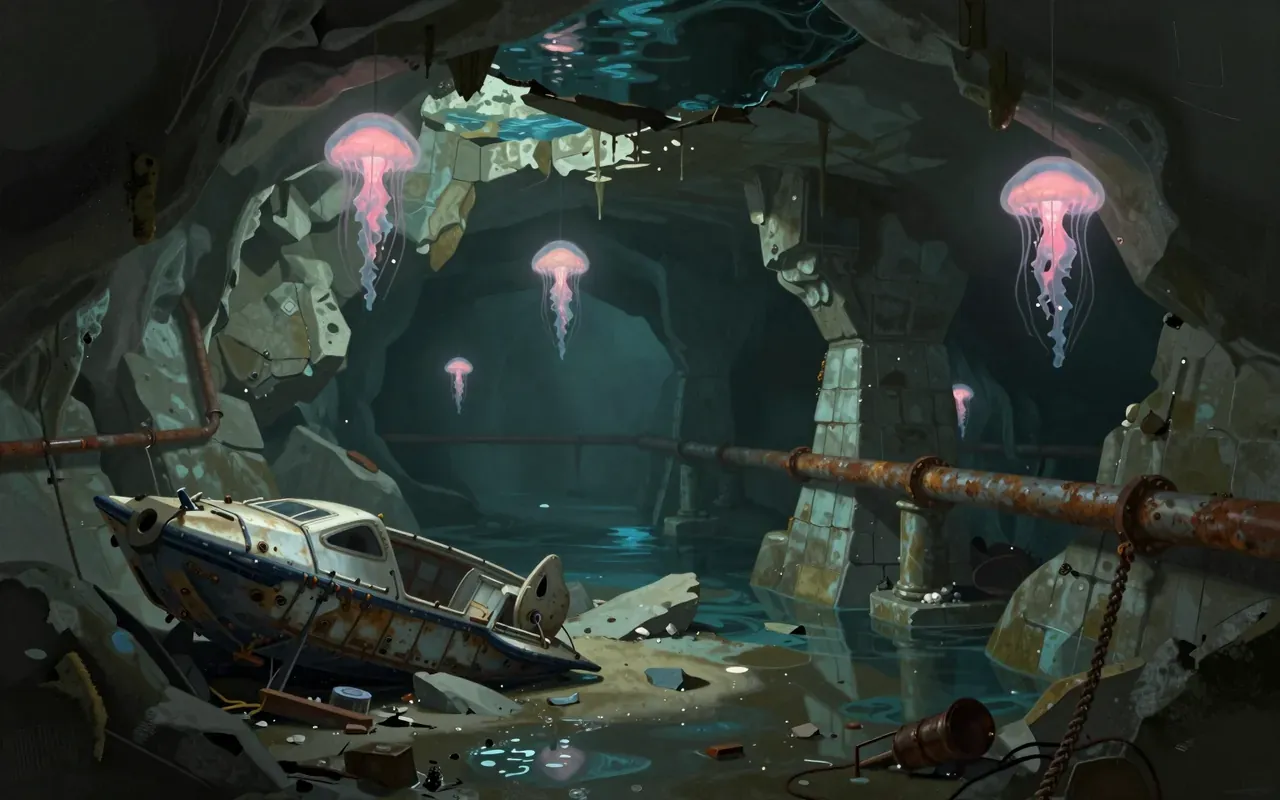
Subnautica is a first-person, open-world survival action-adventure game set mostly underwater on the alien ocean planet 4546B. You play as Ryley Robinson, sole survivor of the Aurora crash. Your objectives are to gather resources, survive local flora and fauna, and escape.
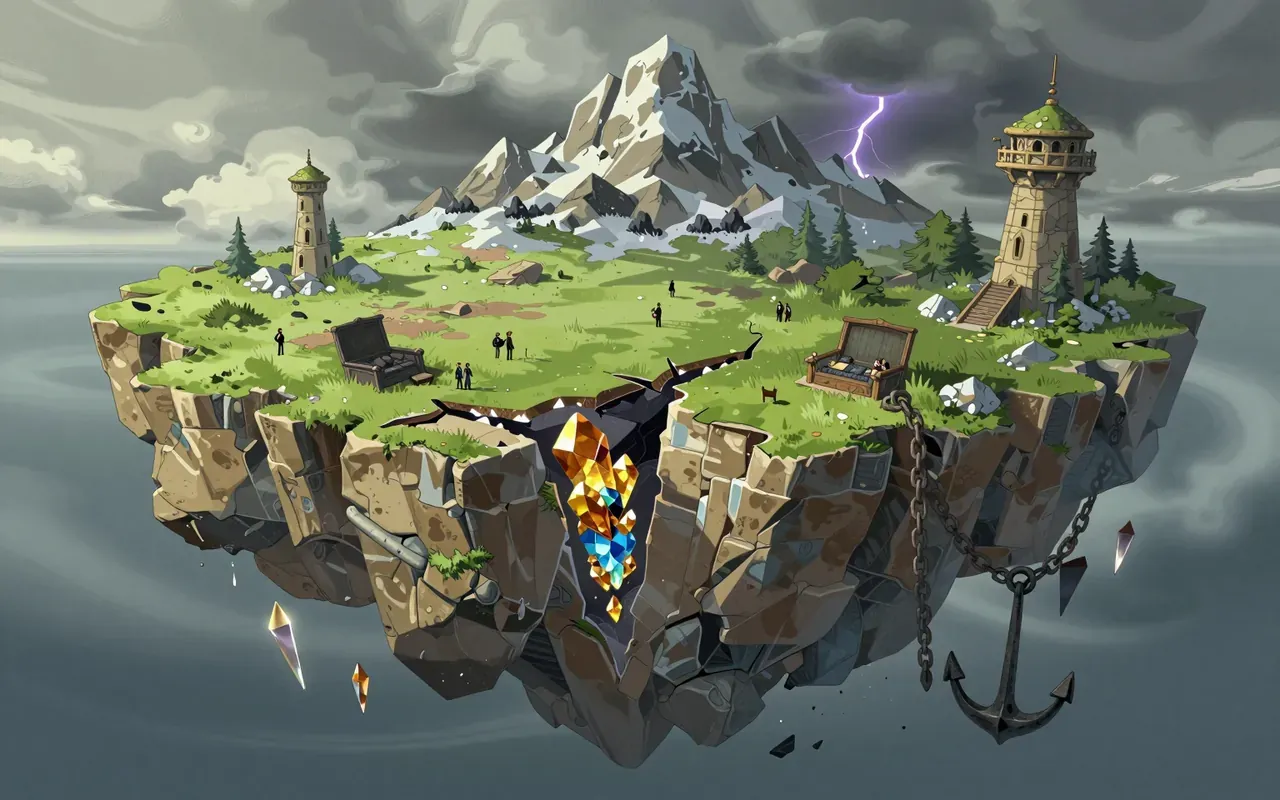
Tears of the Kingdom is an expansion of Breath of the Wild’s open-world action-adventure framework, adding verticality through sky islands and the Depths, new traversal and construction mechanics, and four mandatory story dungeons.
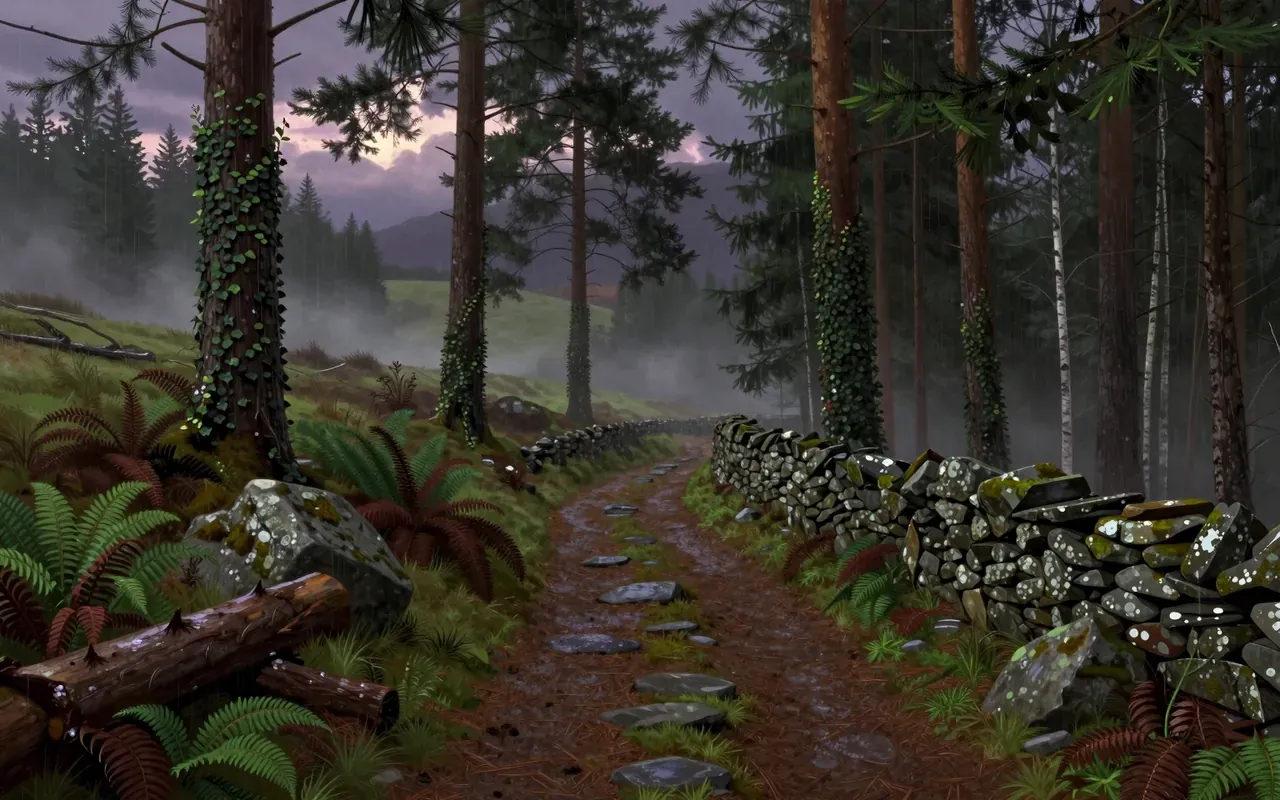
Torchlight II refines the ARPG loop with class-driven builds, overland pacing, and co-op—but ships with brittle networking and zero narrative weight. It works because it knows its limits.
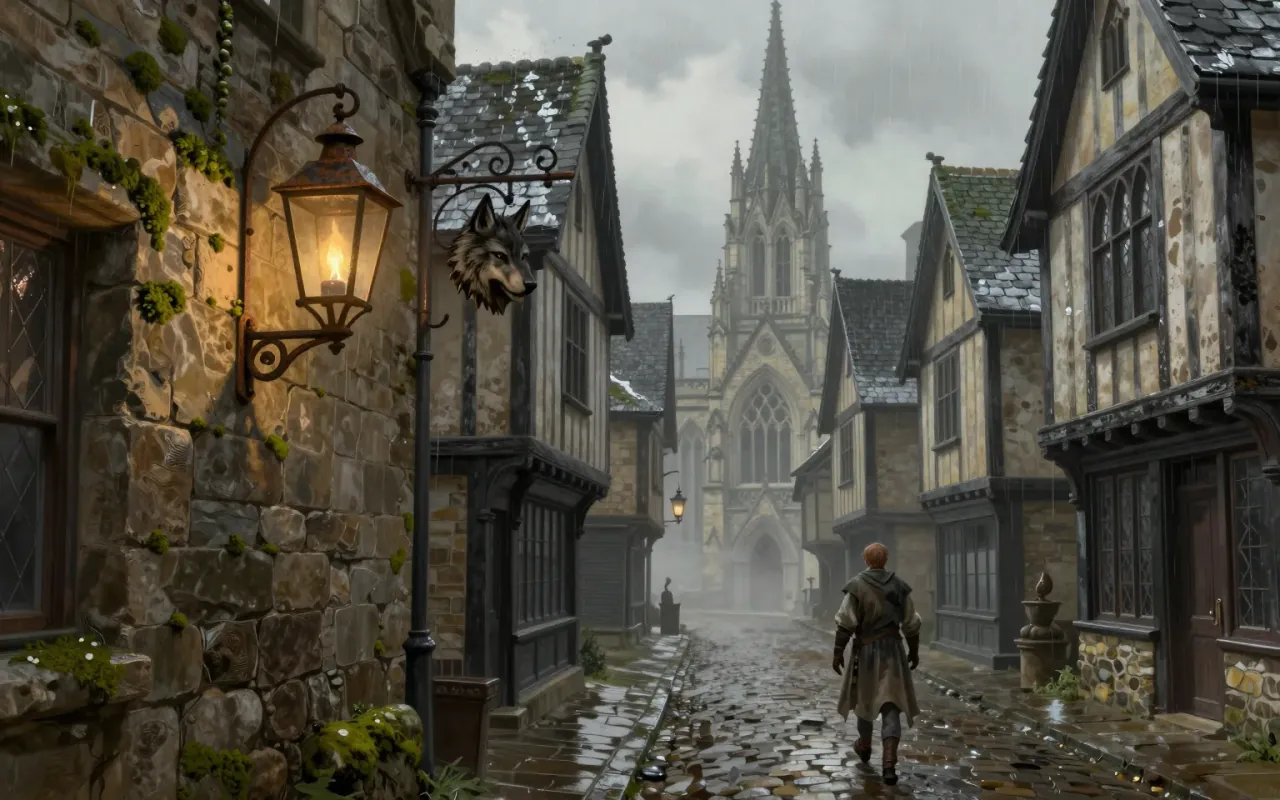
Bloodborne is a third-person action role-playing game developed by FromSoftware and directed by Hidetaka Miyazaki. Released in 2015, it belongs to the Soulsborne subgenre. Players control a customizable Hunter exploring the interconnected Gothic city of Yharnam, engaging in aggressive, strategic combat with trick weapons and firearms. Progression hinges on lamp checkpoints, resource management (Blood Echoes, Insight), and environmental storytelling. Combat emphasises dodging, counterattacking, and close-range aggression. The game’s structure rewards repeated exploration and spatial memory. It offers no narrative hand-holding — story emerges through item descriptions, NPC interactions, and architectural cues.
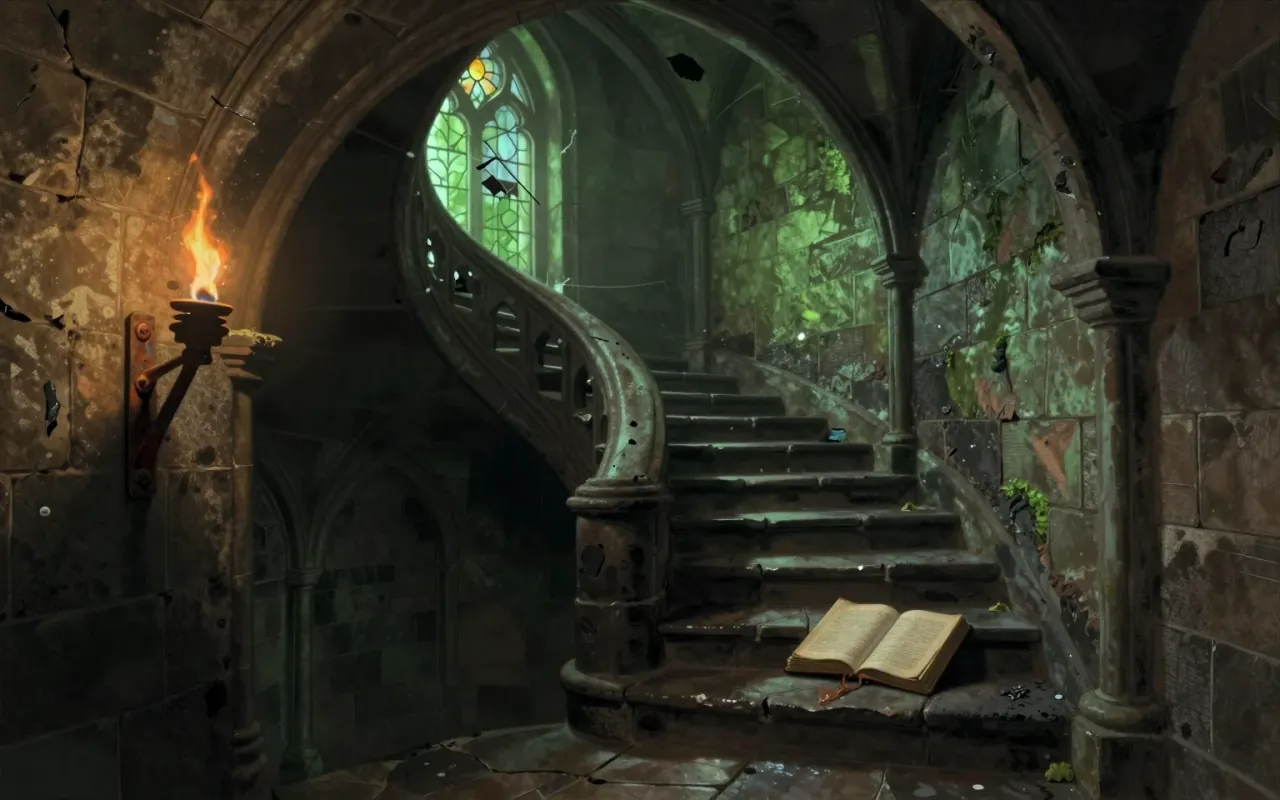
Castlevania: Symphony of the Night restructures the action genre around exploration, transformation, and consequence. It replaces linearity with layered access. It replaces exposition with environmental logic. It replaces certainty with discovery — and demands the player pay attention.
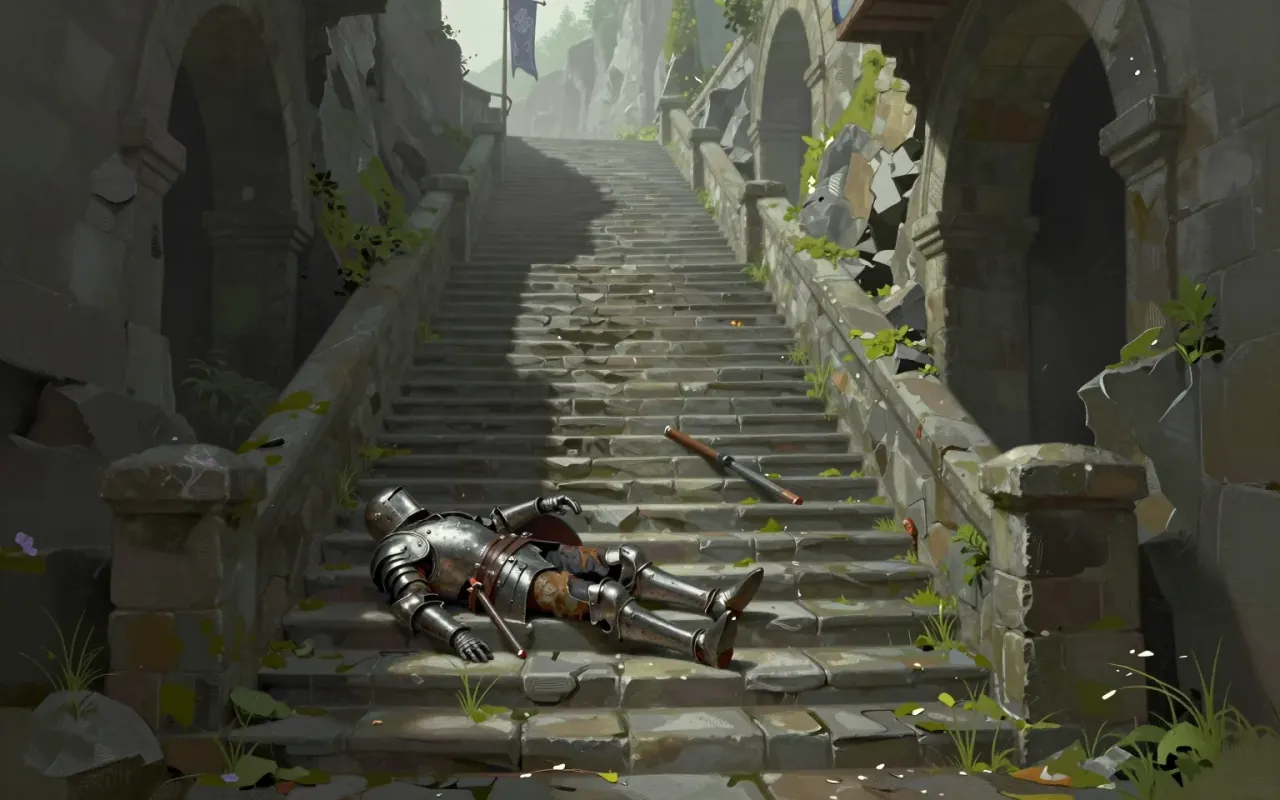
A precise, unforgiving action-RPG where every decision carries weight, every death has consequence, and every bonfire is both sanctuary and checkpoint.
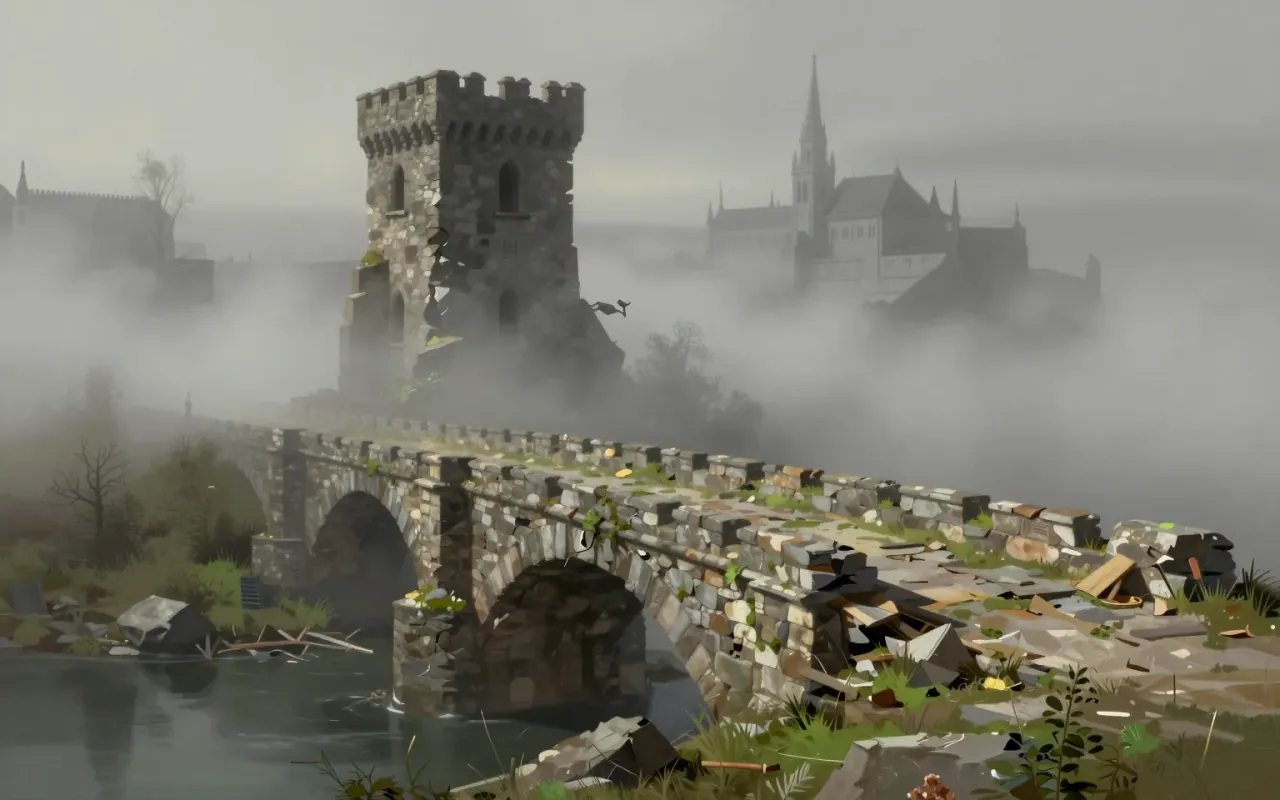
A punishing, systemic RPG where stamina, souls, and silence do all the talking.
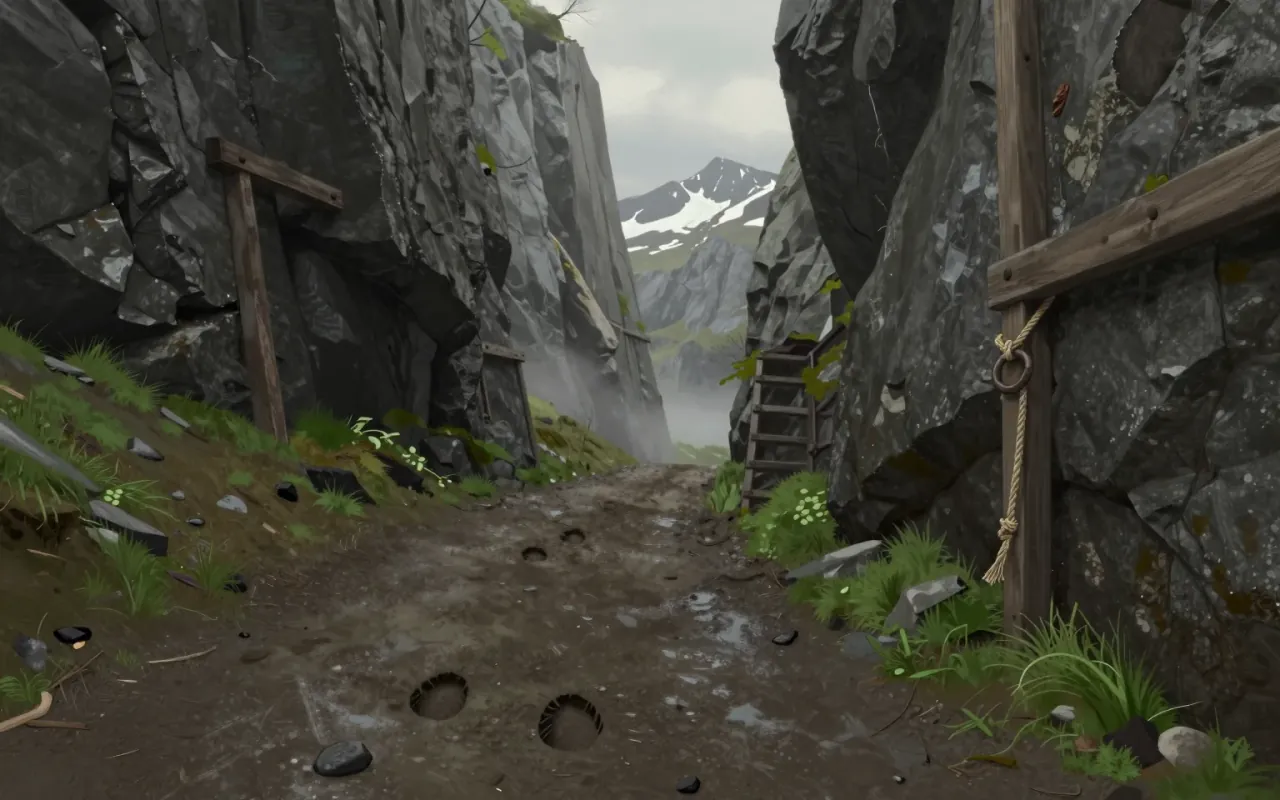
Elden Ring is a third-person open-world action RPG developed by FromSoftware and released in 2022. Players explore six main areas on horseback, engage in melee or ranged combat, use stealth, upgrade attributes at sites of grace using runes, and participate in online co-op or PvP.
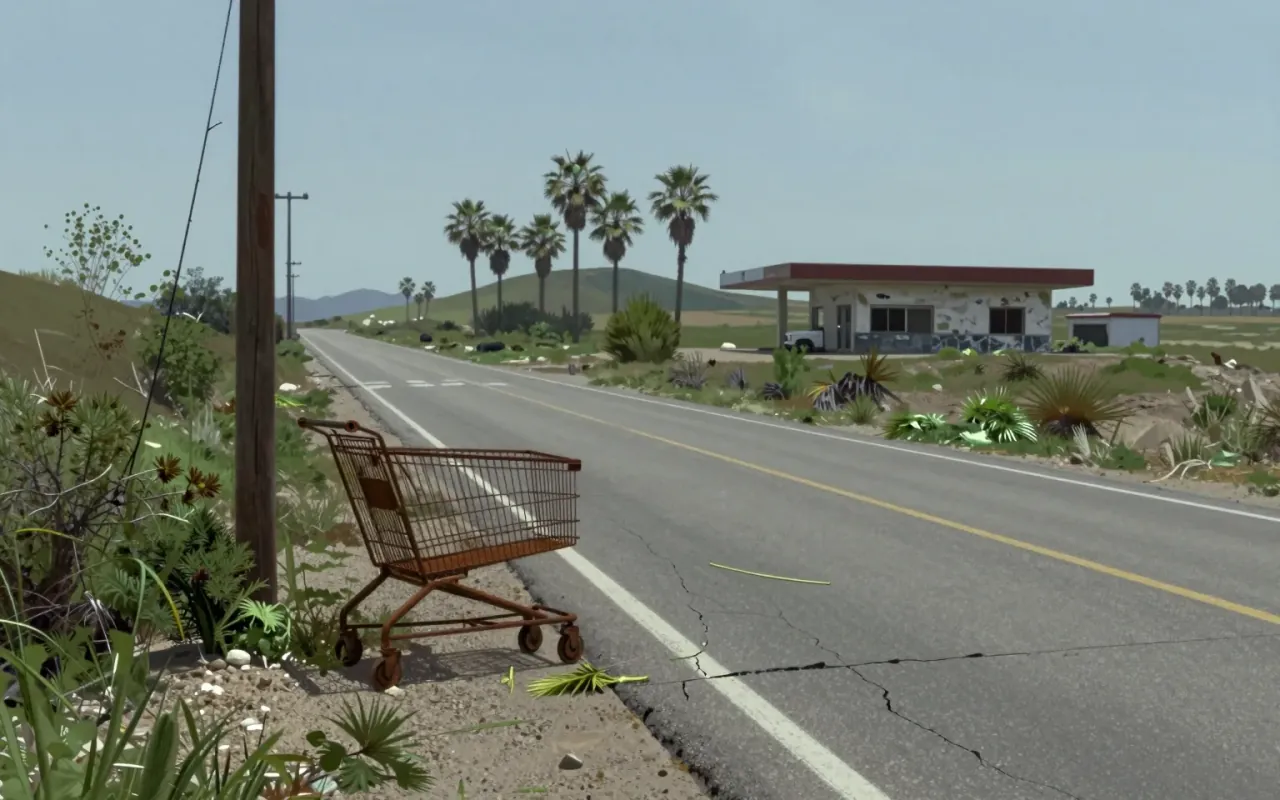
Grand Theft Auto: San Andreas is an action-adventure game published by Rockstar Games in 2004. Players control Carl 'CJ' Johnson in a third-person open world representing a fictionalised California and Nevada. The world comprises three cities—Los Santos, San Fierro, and Las Venturas—connected by rural and desert areas. Cities unlock progressively through the story; airports allow fast travel between them. Players complete linear story missions with fixed objectives, and may freely explore and undertake optional side missions. Navigation includes running, swimming, and vehicle use; combat includes melee, firearms, explosives, dual-wielding, and drive-by shootings. Weapons are acquired via purchase, looting corpses, or finding them scattered across the world. Safehouses—purchasable locations—are used to save progress and store vehicles. The game introduces role-playing elements such as character customisation, skill progression, gang territory control, and relationship management.

Grand Theft Auto V is an action-adventure game released in 2013 by Rockstar Games. It features an open-world setting modelled on Southern California and Los Angeles, navigable on foot or by vehicle from third- or first-person perspectives. Players control three protagonists—Michael, Franklin, and Trevor—and switch between them during and outside linear story missions centred on heists. Gameplay includes shooting, driving, melee combat, explosives, and a 'wanted' system that escalates law enforcement response to crimes. The world is fully explorable after the prologue and supports context-specific activities, property purchases, stock trading, and character-specific skills. Combat uses auto-aim and cover systems; health regenerates to halfway, with respawns at hospitals upon death. Heists involve AI accomplices with unique skills and support multiple strategies. The game runs on the Rockstar Advanced Game Engine (RAGE) and is part of the Grand Theft Auto franchise, originally published by BMG Interactive.

Vice City is a meticulously directed crime fantasy—not an open world, but a staged one.

Ico is a third-person action-adventure built around protecting and guiding Yorda through an abandoned castle. Its minimalist design removes UI, dialogue, and combat options for Yorda — making her presence a structural necessity, not a narrative flourish. The player jumps, climbs, pushes, pulls, and lifts — always in service of moving her forward. The fixed camera follows both characters, panning slightly to reveal environment. Light is overexposed and desaturated. Story is minimal and told in fictional languages. Mechanics were conceived before story.
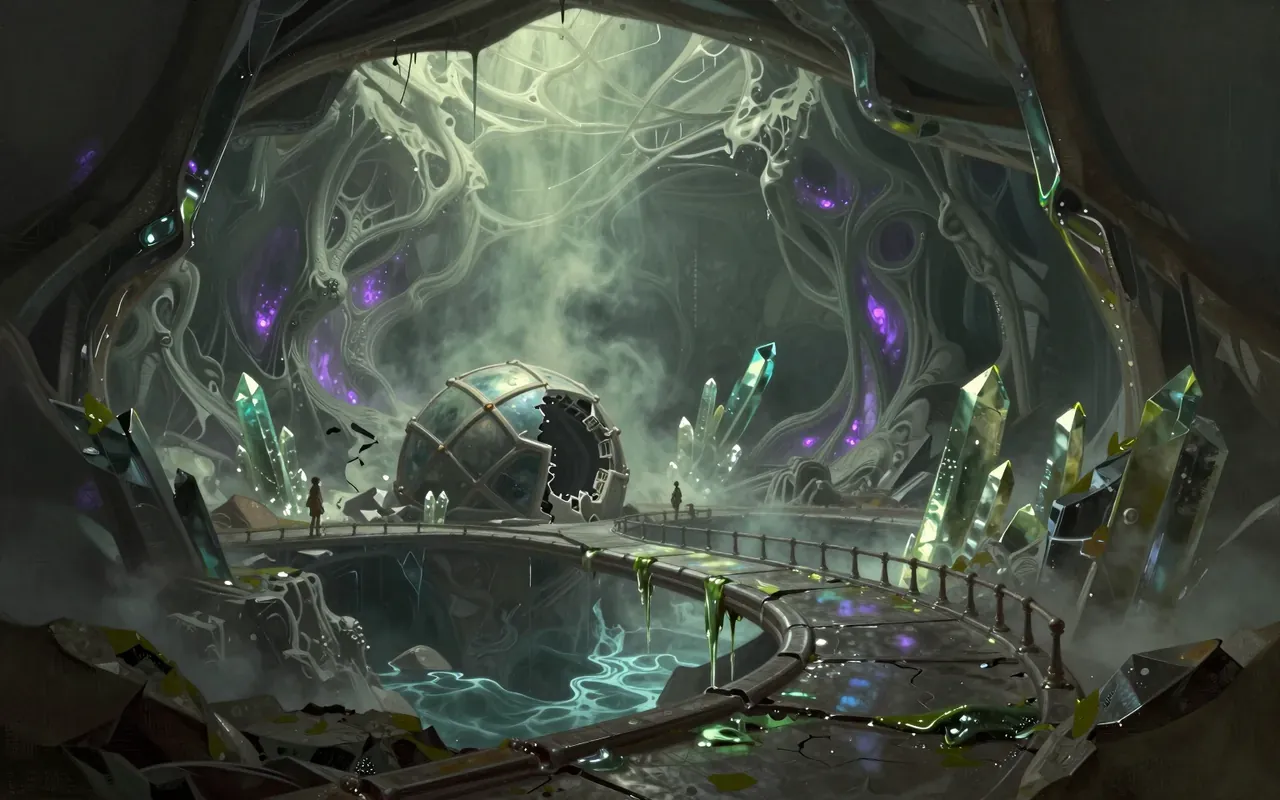
Metroid Prime redefined what a 3D adventure could be — not through spectacle, but structure.
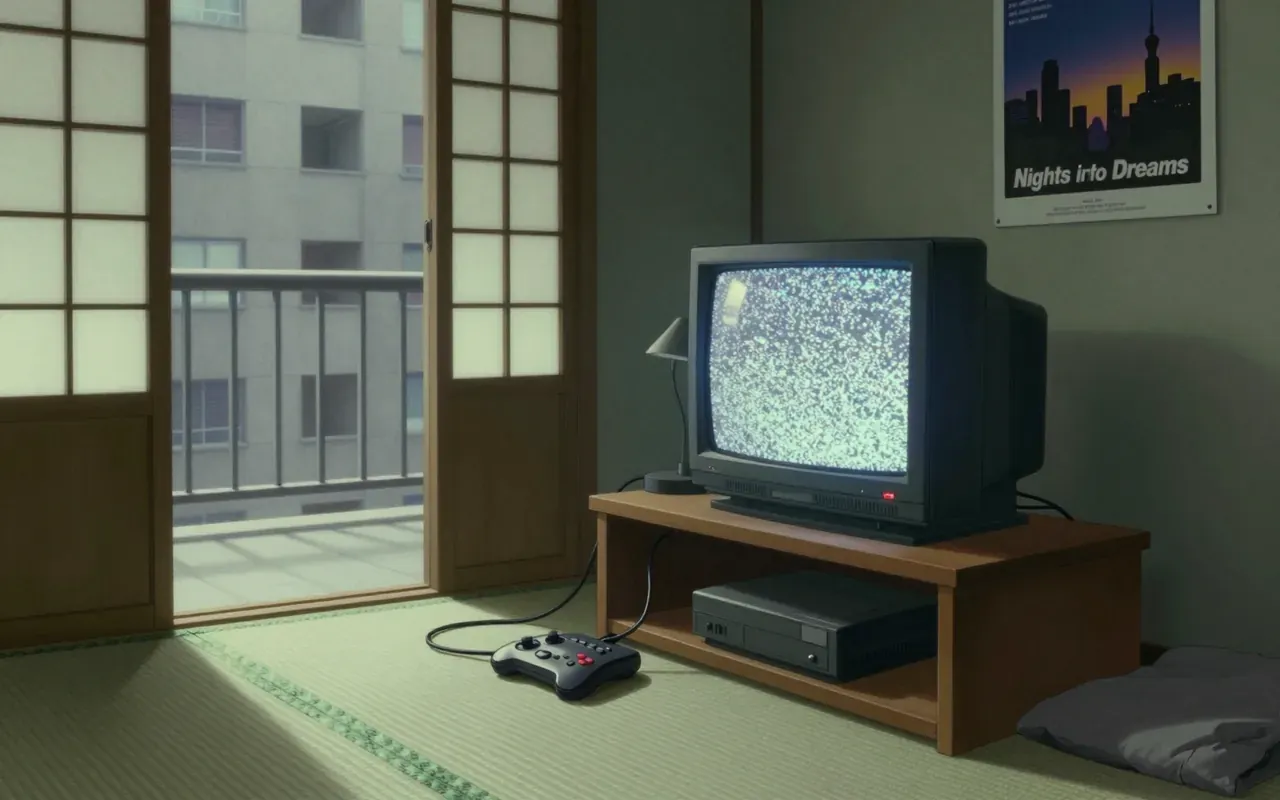
Nights into Dreams is a Saturn-exclusive action game where players alternate between timed ground navigation and fixed-path 3D flying to recover stolen Ideyas and defeat Wizeman.

Red Dead Redemption is a third-person, open-world action-adventure game developed by Rockstar Games using the Rockstar Advanced Game Engine (RAGE). It is set in fictionalised versions of the Western United States and Northern Mexico—specifically the regions of New Austin, West Elizabeth, and Nuevo Paraíso. Players control John Marston through linear story missions, then his son Jack in the epilogue. Core gameplay revolves around horse travel, Dead Eye–enhanced gunfights, a morality-based Honor/Fame system, dynamic random events, and a bounty mechanic triggered by crimes. An online multiplayer mode supports up to 16 players in cooperative and competitive modes set in a recreation of the single-player world.
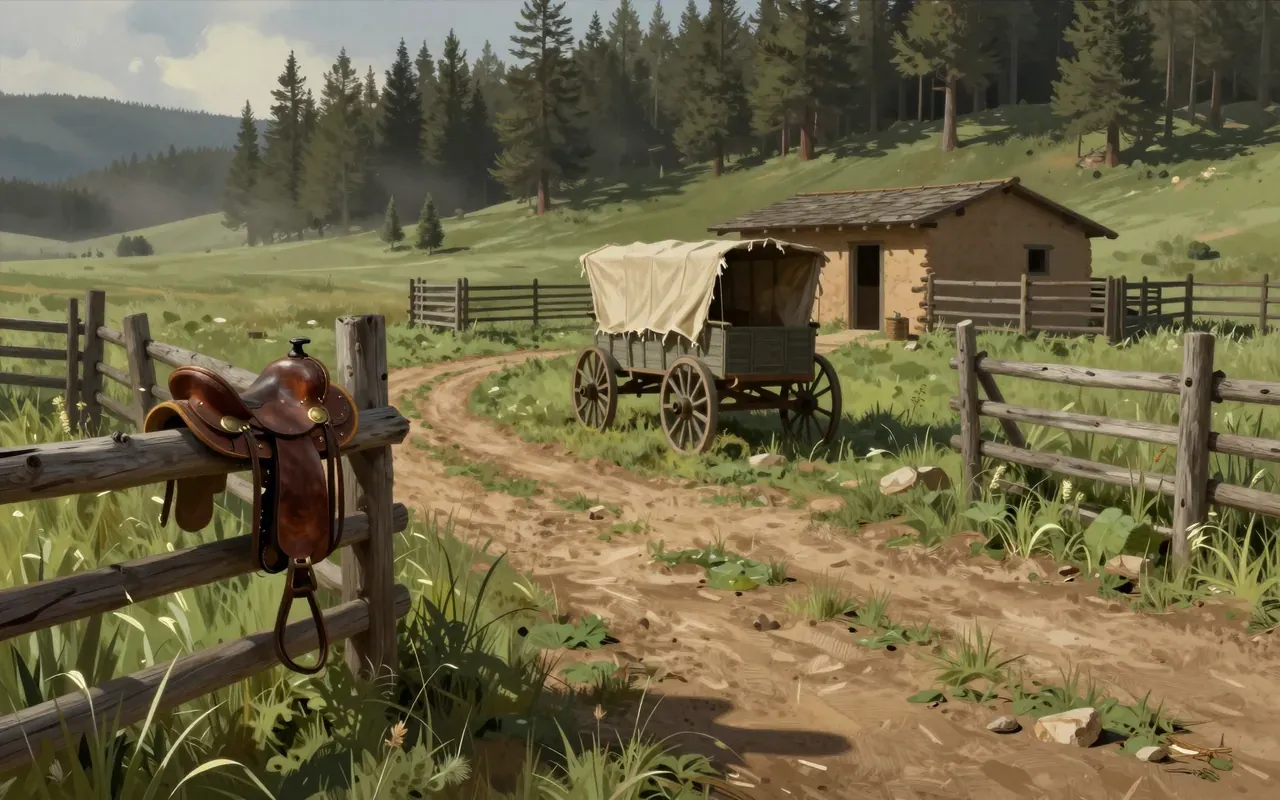
Red Dead Redemption 2 is a meticulously simulated Western world built on procedural consequence — not player authorship.
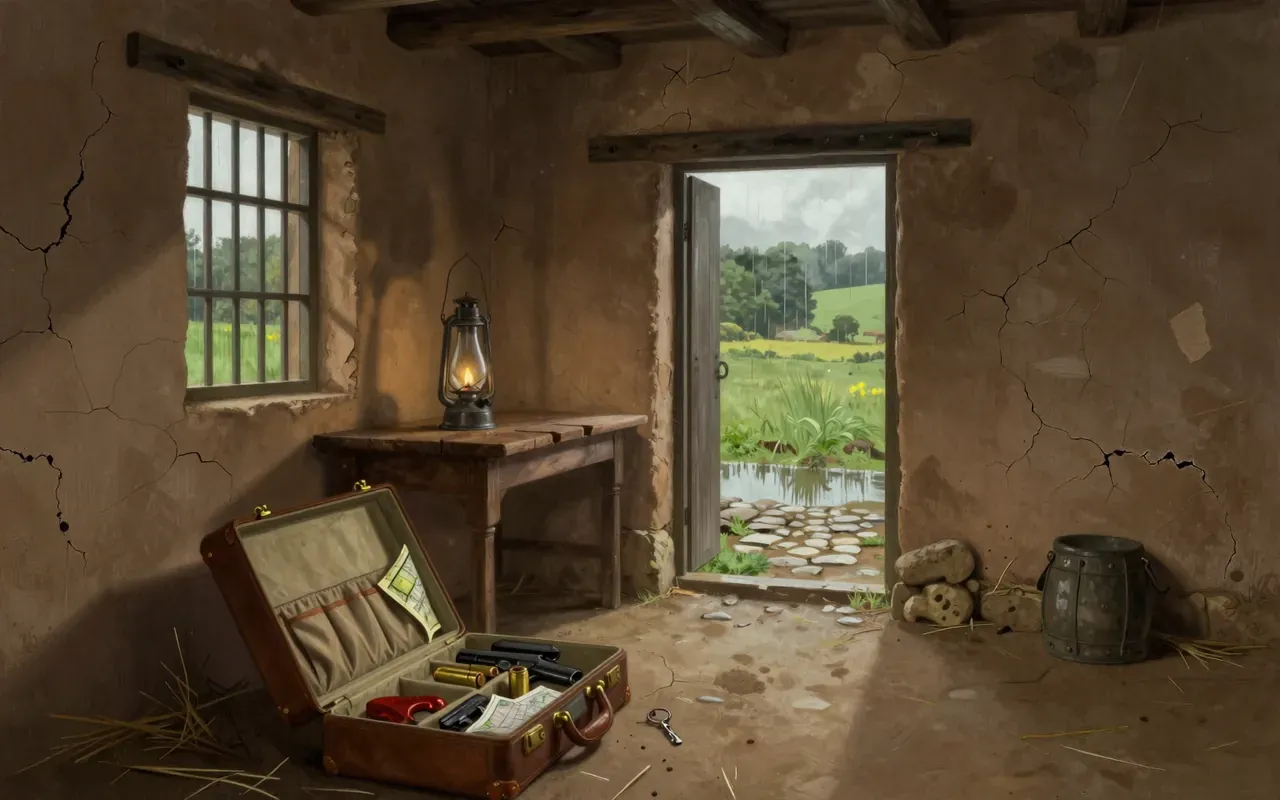
Resident Evil 4 (Capcom, 2005) is a GameCube action-horror title in which Leon S. Kennedy rescues Ashley Graham from a cult in rural Spain. It replaces fixed camera angles and slower pacing with dynamic over-the-shoulder shooting, laser-sighted aiming, limb-targeted combat, context-sensitive environmental interaction, and quick time events. It received universal acclaim and was a financial success for Capcom, leading to ports across multiple systems.

Sekiro: Shadows Die Twice is a 2019 action-adventure game developed by FromSoftware. Players control Wolf, a shinobi on a quest to rescue his lord Kuro. Gameplay focuses on stealth, exploration, and combat—with particular emphasis on boss battles. It is played from a third-person perspective. Compared to FromSoftware's Dark Souls series, Sekiro features fewer role-playing elements, lacks character creation and the ability to level up a variety of stats, and has no real-time multiplayer elements. It does include gear upgrading, special abilities with a prosthetic arm, a skill tree, and limited ability customization. Combat revolves around using a katana to attack enemy posture and balance, deflecting incoming attacks to create openings for a single killing blow. Stealth allows players to instantly eliminate or severely damage most enemies if they can get in range undetected. Sekiro is part of the Soulslike subgenre defined by high difficulty and environmental storytelling. Hidetaka Miyazaki directed the game.
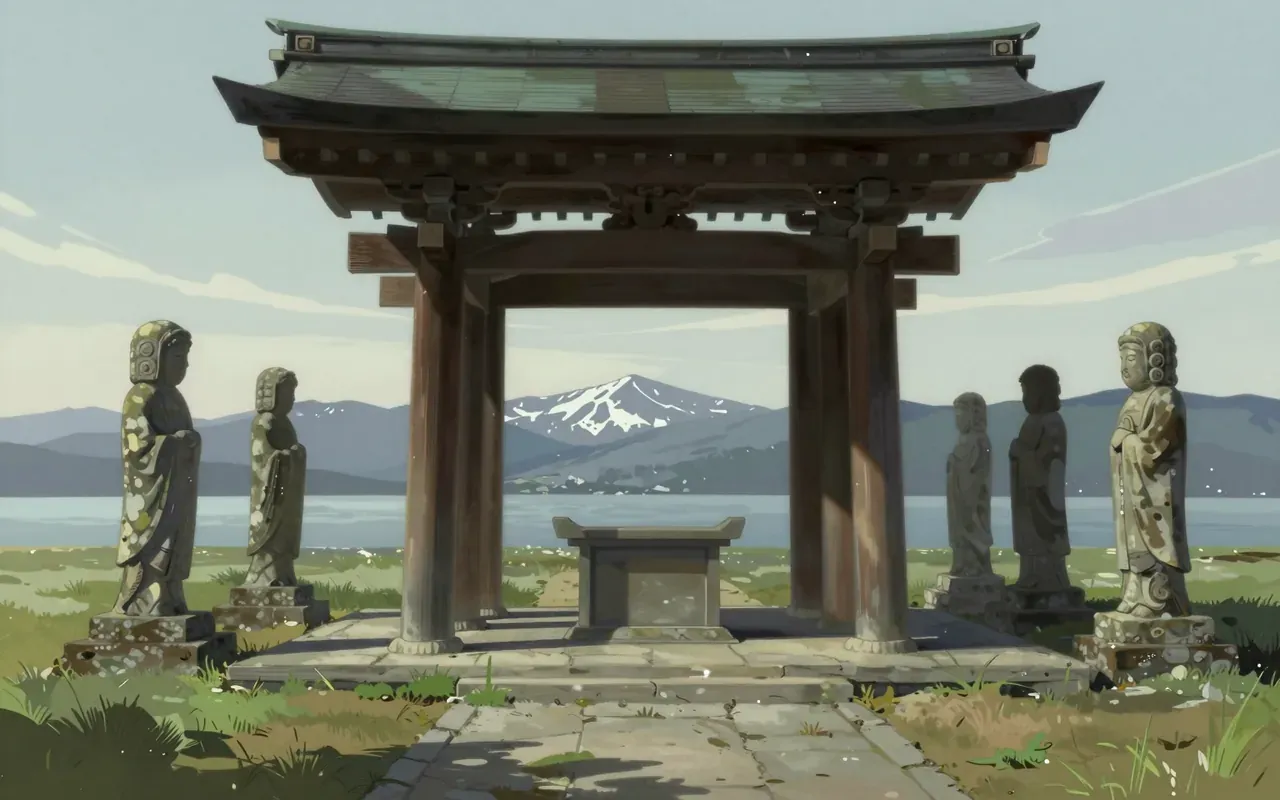
Shadow of the Colossus is a third-person action-adventure built around sixteen large-scale boss encounters in a seamless open world. It was directed and lead-designed by Fumito Ueda at Sony Computer Entertainment’s Japan Studio. Its structure is cyclical, minimal, and mechanic-first—designed under PlayStation 2 hardware constraints that forced reduction: from 48 planned colossi to 16, and no day/night cycle.
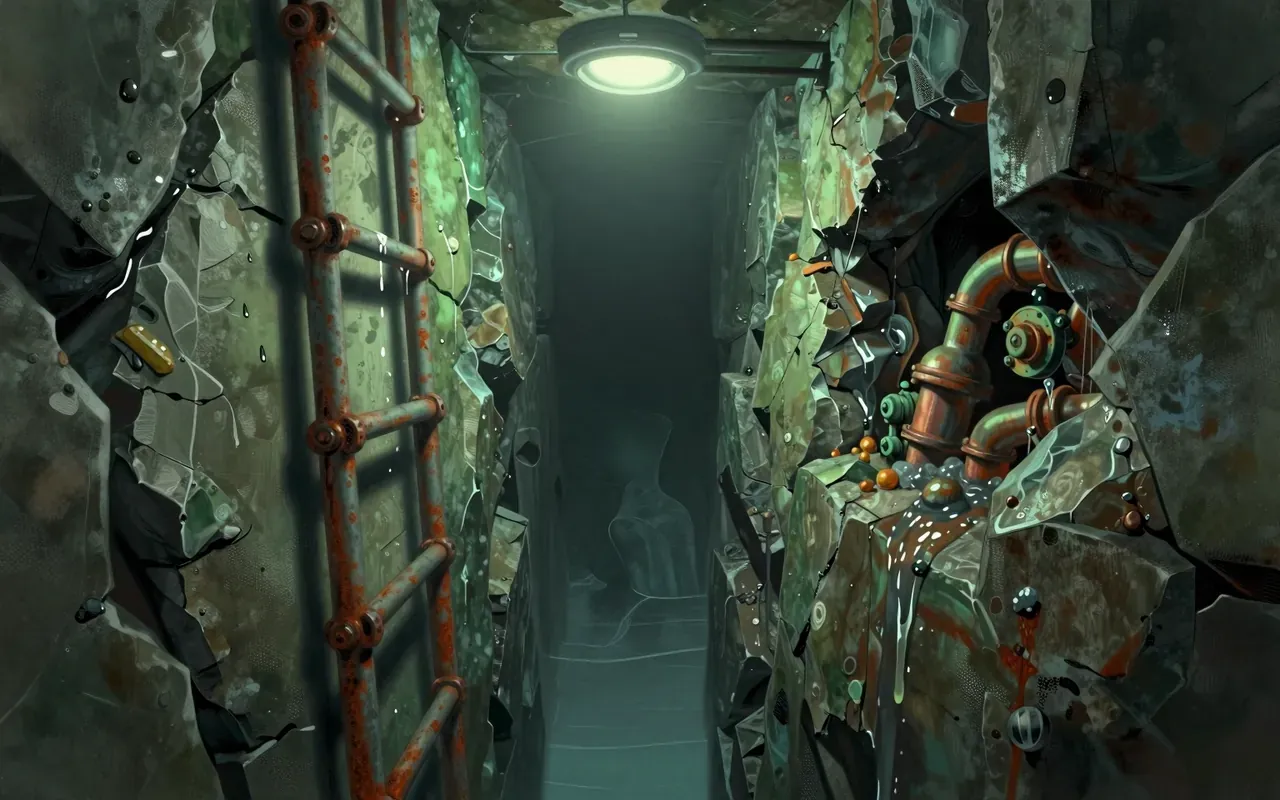
Super Metroid is a 2D side-scrolling action-adventure game set on the fictional planet Zebes, where Samus Aran pursues a Metroid stolen by Ridley. Its design revolves around non-linear exploration, directional combat, and progressive ability-gated traversal using power-ups like Morph Ball, Spring Ball, and Speed Booster. Movement mechanics—including wall jumping and Moon Walking—expand spatial agency. Systems like the automap, inventory screen, and save stations structure progression. The game is part of Nintendo's Metroid franchise and was sold as an individual title among more than 5.9 billion Nintendo games sold worldwide.
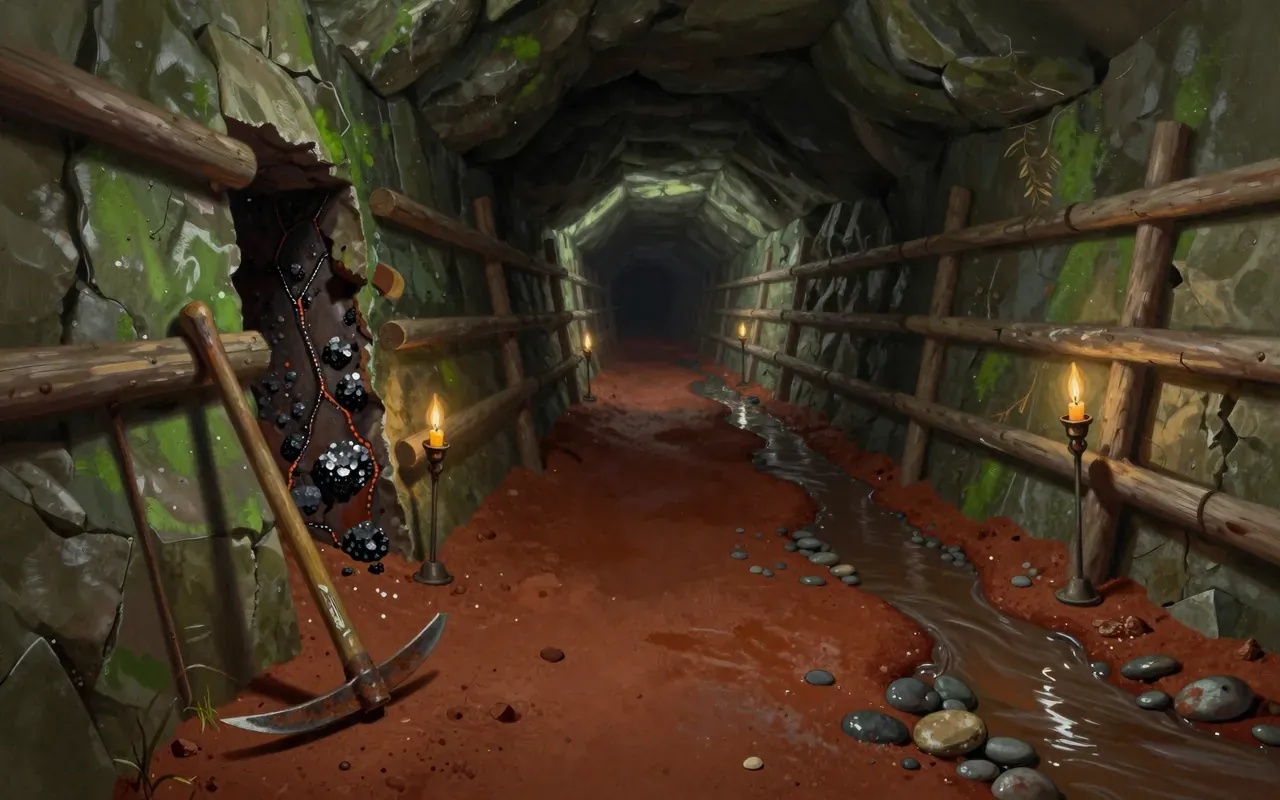
Terraria is a 2D sandbox action-adventure game with no set goals. Players explore procedurally generated worlds, fight bosses to unlock progression, gather resources across biomes, craft equipment, and recruit NPCs by completing goals. Evil biomes like Corruption and Crimson spread and infect other areas. Resources such as ores are found in caves. The game supports single-player, multiplayer, and modding. It was developed by Re-Logic—an American independent studio based in Floyds Knobs, Indiana—using the Microsoft XNA framework. It launched on May 16, 2011, earlier than planned due to a beta leak. Development was paused in February 2012 but resumed in 2013, with major updates continuing thereafter.
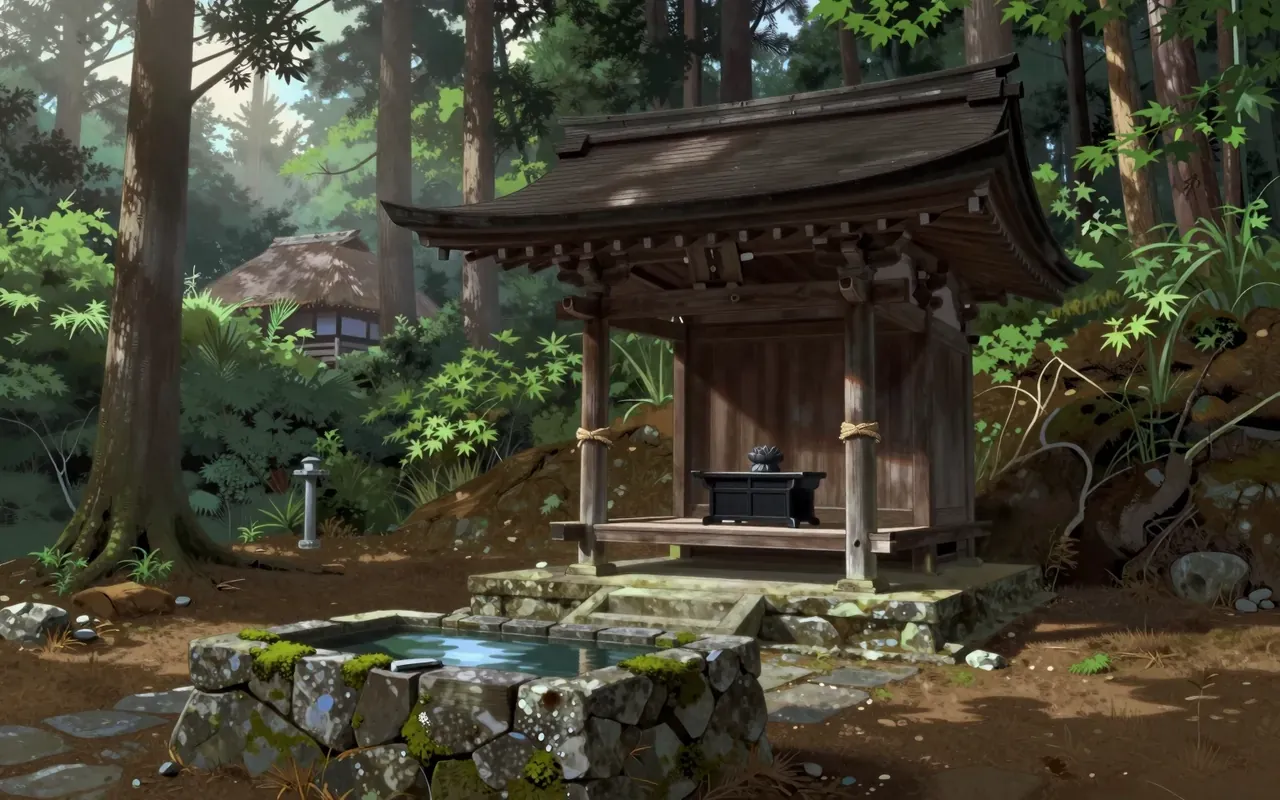
The Last Ninja is a precise, path-constrained isometric action-adventure that forces players to learn terrain, timing, and ritualised interaction. It works because its systems interlock cleanly—but it refuses flexibility, improvisation, or narrative expansion.
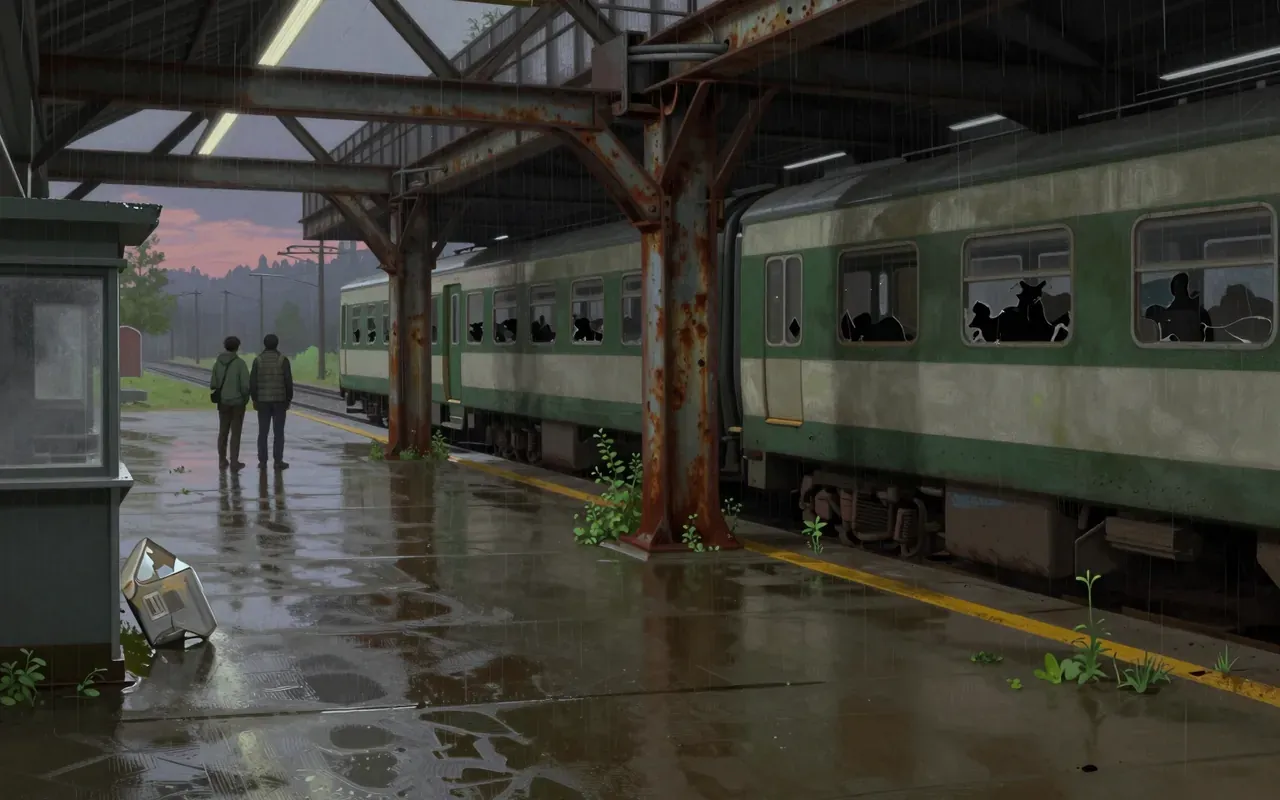
A post-apocalyptic third-person action-adventure game set in a United States overrun by humans infected with a Cordyceps-like disease. It follows the plight of Ellie and Joel—and later Abby—as they navigate trauma, vengeance, and survival.
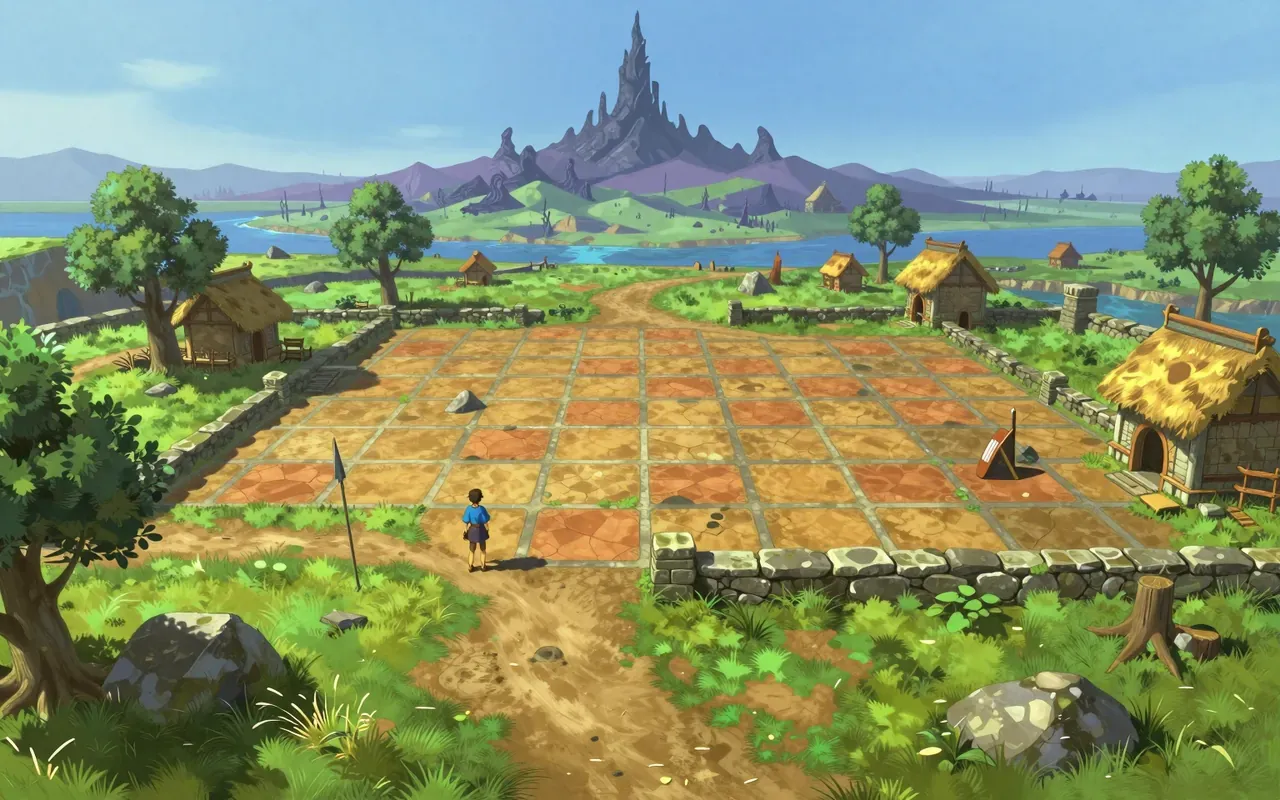
A Link to the Past establishes the template for action-adventure structure: item-gated progression, parallel worlds with hard transitions, and dungeons as sequential logic puzzles. It assumes player patience, rewards observation, and refuses to separate exploration from consequence.
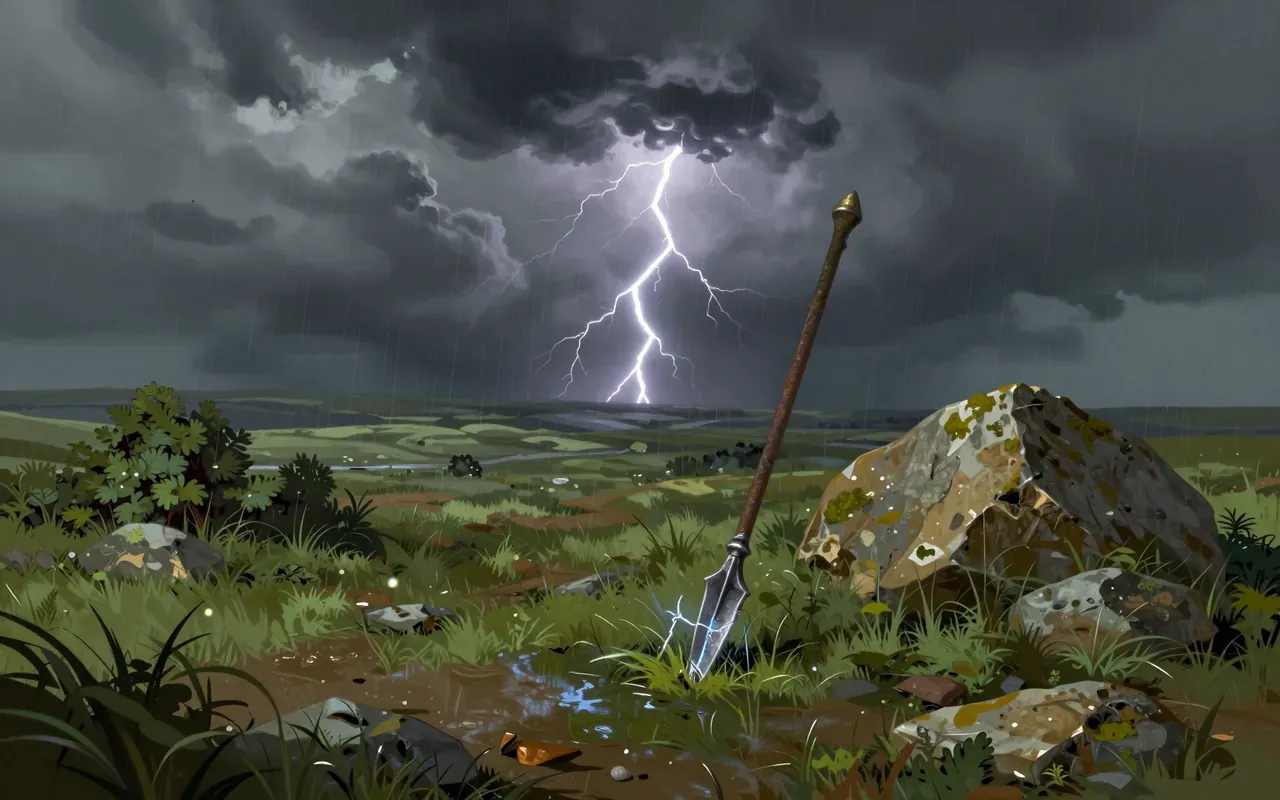
Breath of the Wild replaces authored sequence with systemic consequence. Its design asks you to observe, test, and adapt — then discard your answer when the next object breaks, the next storm hits, or the next slope demands a new use for the same shield.
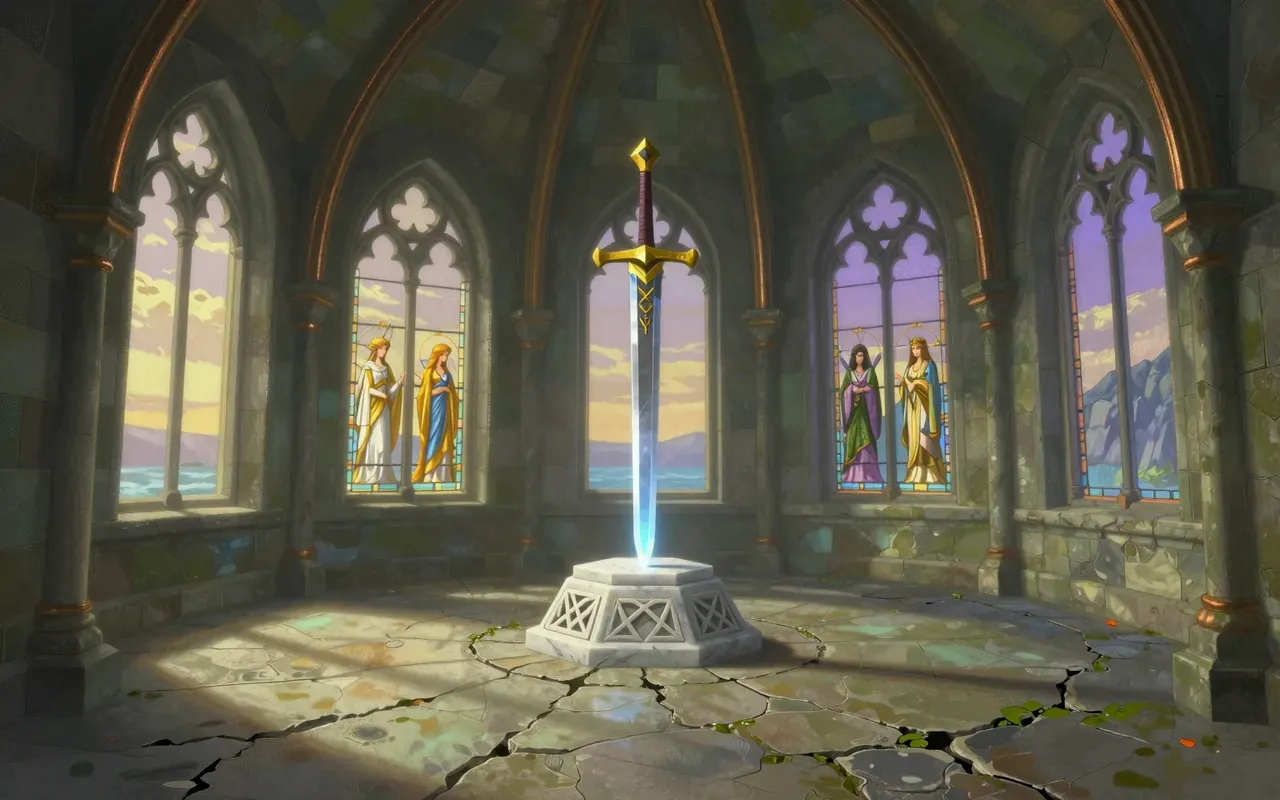
A foundational 3D action-adventure that established targeting, context-sensitivity, and music-as-mechanic—but does so with hardware-imposed friction, not elegance.