gamesbriefs
Culture

Sound & music

13
briefs
9:41
average
126 min
in total
10
people
All briefs13
9:46

Dance Dance Revolution (1998 video game)

Konami · 1998

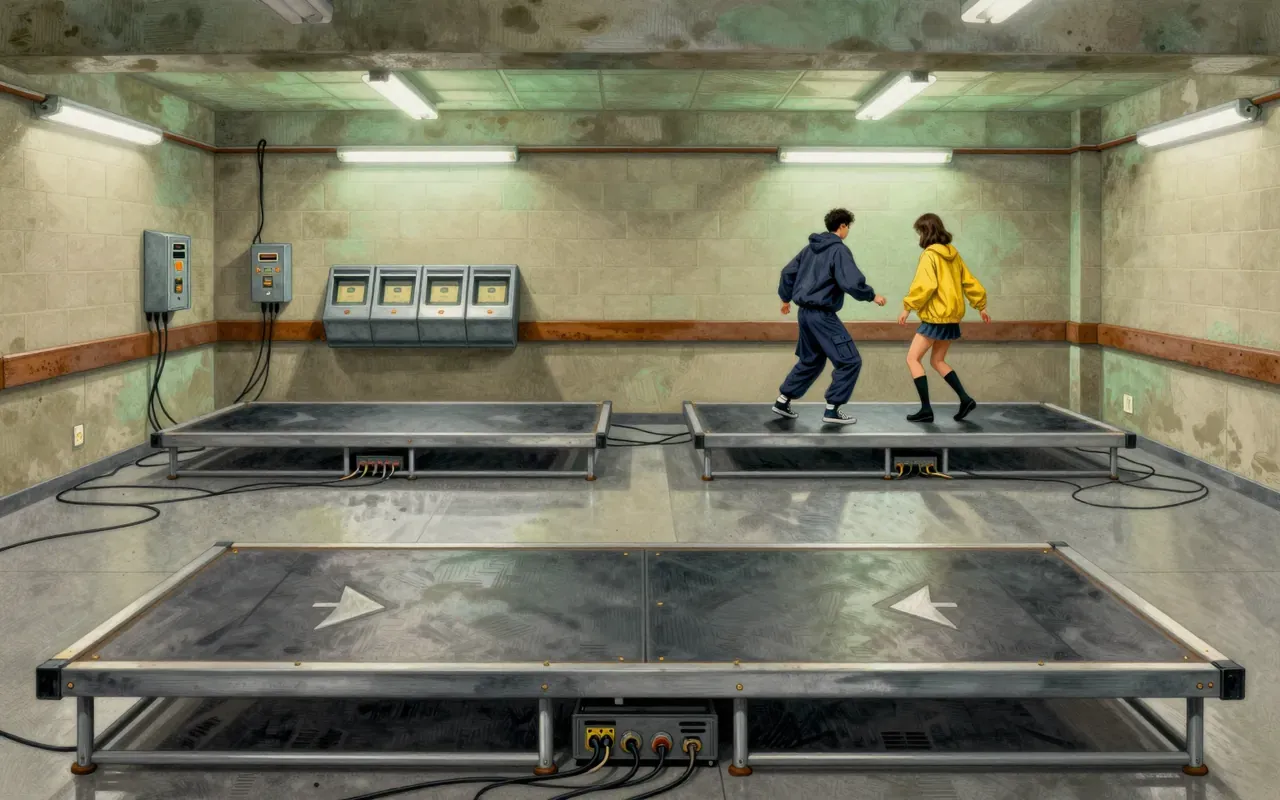
Dance Dance Revolution (1998) is a Konami arcade rhythm game that turns footwork into score. Players match scrolling arrows with steps on a dance pad. Timing judgments affect a life meter — the Dance Gauge — whose depletion ends the song. Combo tracking, step counts, and letter grades follow each performance. It runs under Konami’s Bemani brand. It has no narrative, no progression beyond song selection, and no solo longevity without hardware or social context.
9:06

Monkey Island 2: LeChuck's Revenge

LucasArts · 1991

Monkey Island 2: LeChuck's Revenge is a 1991 LucasArts SCUMM-based point-and-click adventure game that introduced iMUSE, used Puzzle Dependency Charts, and offered dual puzzle-difficulty modes.

8:21

Osu!

peppy · 2007

osu! is a rhythm game built on precision, community curation, and mouse-driven timing. It asks for sustained attention, fine motor control, and tolerance for repetition. It gives back measurable progress, granular difficulty tuning, and a vast library of player-made challenges. It withholds narrative, accessibility for non-mouse users, and any abstraction between intent and execution.

9:02

Guitar Hero (video game)

Harmonix · 2005

Guitar Hero (2005) is a rhythm game where players press coloured fret buttons and strum in time with scrolling notes on screen. Developed by Harmonix and published by RedOctane for the PlayStation 2, it uses a custom guitar-shaped controller with five colour-coded frets and a strum bar. Gameplay draws from Frequency and Amplitude, and supports both left- and right-handed configurations. A Rock Meter fails the song if depleted, and Star Power can be activated via whammy bar or tilt. Players earn points for hitting notes, chords and sustains, and increase a score multiplier through consecutive successful hits. Hammer-on and pull-off techniques allow faster note series without strumming each note. Standard controllers map notes to face buttons.

12:10

Just Dance (video game)

Ubisoft · 2009

Just Dance (2009) is a Wii-exclusive rhythm game published by Ubisoft. Players use only the Wii Remote in their right hand to mirror on-screen dancers’ choreography. Moves are scored X, OK, or Great. Shake moves trigger a shake meter for bonus points. Each song has two scoring targets: 10,000 (Standard) and 15,000 (Master). Four modes include Standard, Warm Up, Strike a Pose, and Last One Standing. It is one of Ubisoft’s core, long-running franchises.

10:59

Rock Band (video game)

Harmonix · 2007

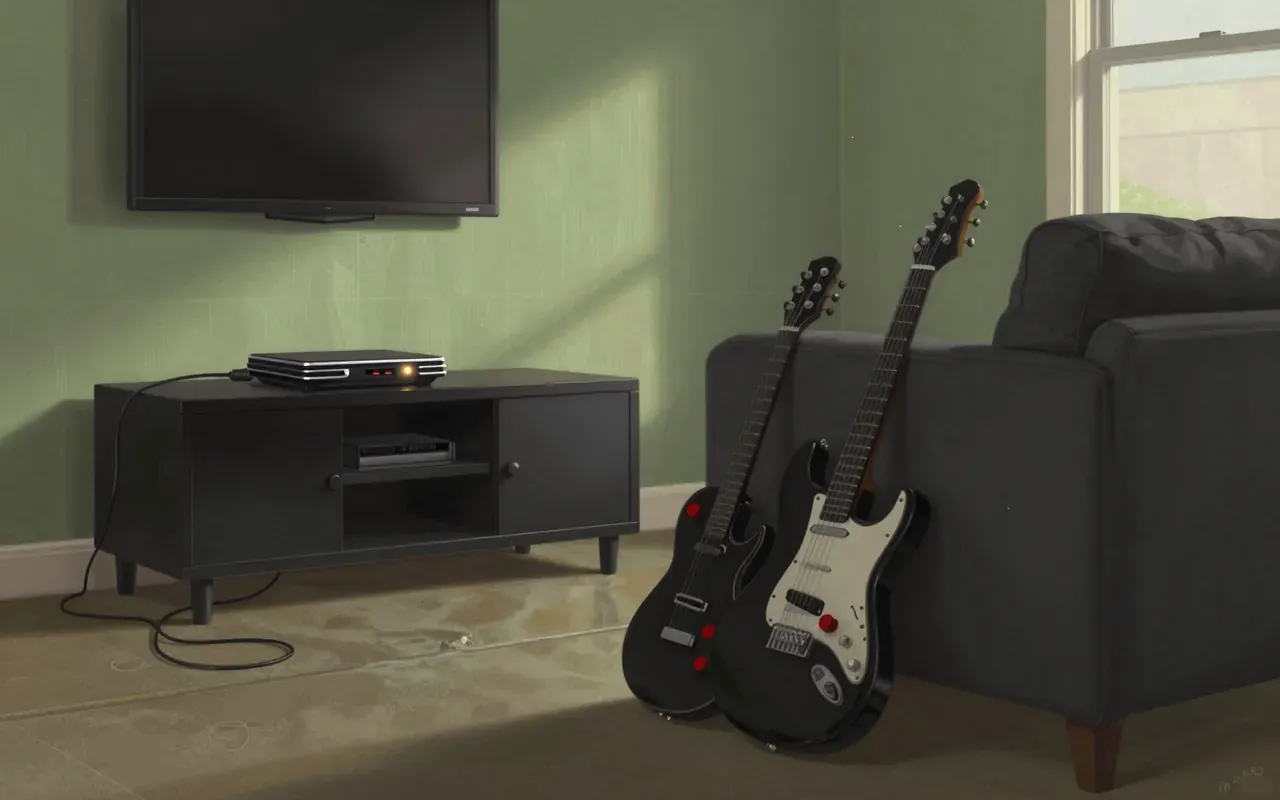
Rock Band (2007) is a four-player rhythm game developed by Harmonix. It simulates rock performance using instrument-shaped controllers for lead guitar, bass guitar, drums, and vocals. Scoring depends on timing accuracy for instruments or pitch-matching for vocals. It launched across Xbox 360, PlayStation 3, PlayStation 2, and Wii—with feature parity highest on Xbox 360 and PlayStation 3. Post-launch, Harmonix supported PlayStation 3 and Xbox 360 with weekly downloadable songs.

10:21

Crypt of the NecroDancer

Brace Yourself Games · 2015

Crypt of the NecroDancer is a rhythm-gated roguelike released in April 2015 by Brace Yourself Games. All movement and attacks must occur on the musical beat. Enemies follow fixed rhythmic patterns — some on every beat, others on subdivisions. Missing the beat resets scoring and risks damage. The dungeon has four zones, each with four levels. Input supports dance pad, keyboard, or gamepad.

10:24

Beat Saber

Beat Games · 2018

Beat Saber is a virtual reality rhythm game developed by Beat Games in 2018.

10:21

Guitar Hero II

Harmonix · 2006

Guitar Hero II tightens the original's loop with chords, practice tools, and co-op roles—but remains rigid, unadaptive, and consequence-free. It trains timing, not musicianship.

7:45

Hatsune Miku: Project Diva

Sega · 2009

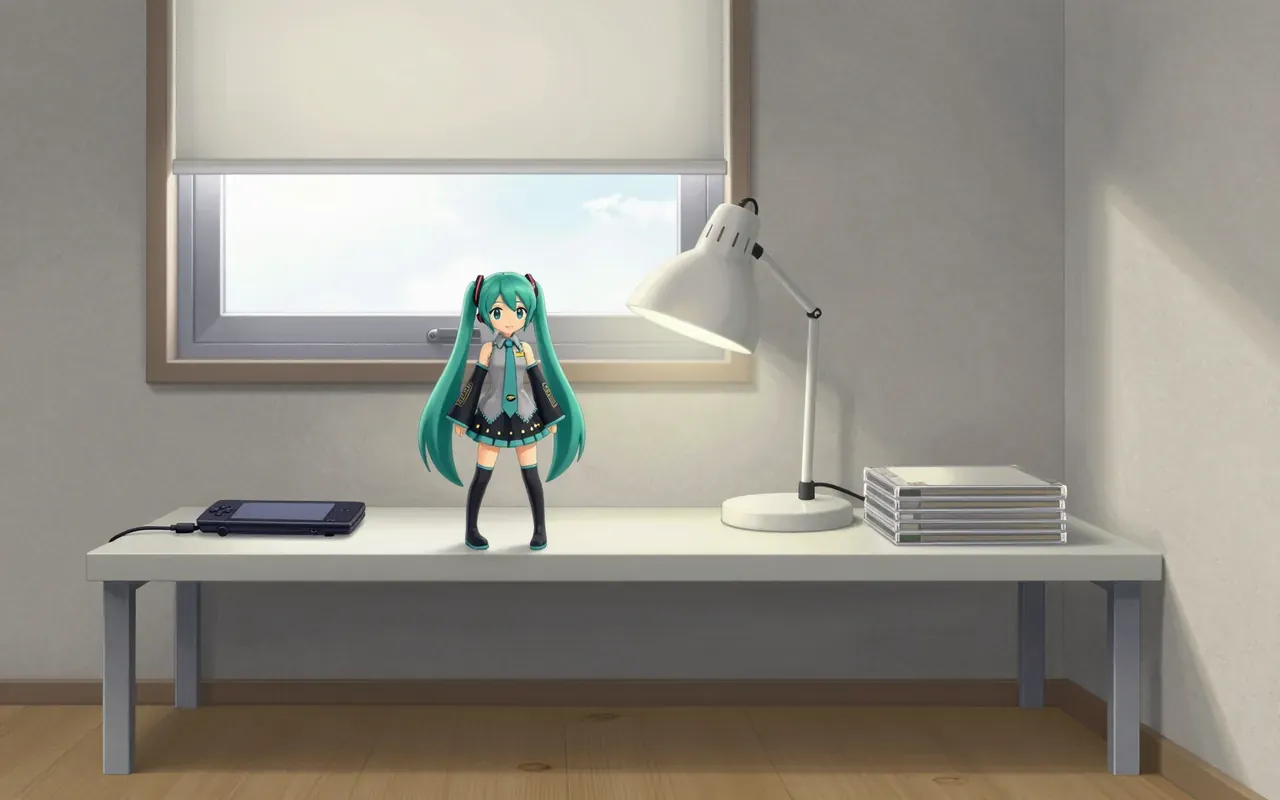
Hatsune Miku: Project Diva is a rhythm game where players press buttons in time with Vocaloid songs across five escalating difficulty levels. Modules — Vocaloid characters or costume variants — appear in music videos depending on song type (solo or duet), but are not controlled. Progression is strictly linear: clearing Normal unlocks Hard, and completing songs unlocks new songs. It was successful in Japan for Sega and linked to their 2010 holographic concert work. No narrative, no multiplayer, no customisation beyond module selection. It asks for timing discipline and rewards it with more timing challenges.

8:15

Mother 3

Nintendo · 2006

Mother 3 is a Nintendo-published multiplayer RPG. It uses top-down party exploration, rhythm-activated turn-based combat, XP-driven permanent stat growth, equipment-based attribute boosts, hot-spring healing, and frog-mediated saving. Dragon Power serves as late-game battle-earned currency. It offers a tightly authored, environmentally embedded RPG loop—but its most distinctive mechanics arrive late and remain narrowly scoped.

10:37

Rock Band 2

Harmonix · 2008

Rock Band 2 is a four-player rhythm protocol that turns living rooms into rehearsal spaces. It works only when all inputs are present and all players are physically engaged. Its design is procedural, not expressive. Its longevity came from weekly DLC, not depth.

8:47

Tetris Effect

Monstars · 2018

Tetris Effect is a rhythm-driven, single-player reinterpretation of Tetris built for immersion, not competition. It adds music-synchronised stages, a time-stopping Zone mechanic, and a meta-game progression layer—but strips away multiplayer, scoring depth, and rule flexibility.