The Bard's Tale (1985 video game)
Interplay · 1985
The Bard's Tale (1985) is a fantasy role-playing dungeon crawl developed by Interplay.
The Bard's Tale (1985) is a fantasy role-playing dungeon crawl developed by Interplay.
The Bard's Tale II: The Destiny Knight is a 1986 Interplay dungeon crawl that expands the first game’s scope with six cities, an explorable wilderness, banks, casinos, and the Archmage class — but retains its opaque interface and unrefined pacing.
Black Desert Online replaces tab-targeting with twitch reflexes — and forces you to feed your horse before it dies in battle.
Danganronpa 2: Goodbye Despair is a visual novel, adventure game, and role-playing video game developed by Spike before its 2012 merger with Chunsoft. Its structure divides time between Daily Life (dialogue-driven relationship building), Deadly Life (linear evidence collection after murder), and Class Trial (logic combat using Truth Bullets in a first-person shooter framework). Players earn Hope Fragments through Free Time conversations, exchange them for debate skills, and fund that loop with Monocoins earned from trial success and hidden Monokuma Figures. The game demands attention to verbal contradiction, rewards repetition as narrative escalation, and offers no mechanical evolution beyond its fixed, self-reinforcing systems.
Digital Devil Saga is a system-first RPG duology that treats combat as arithmetic and progression as inventory management. It runs on the PlayStation 2. It was made by Atlus’s Creative Department 1st Production (Team Maniax). It is a spin-off of the Megami Tensei series. It asks players to master a tight, punishing loop—not to lose themselves in a world.
Final Fantasy XIV (2013) is a subscription MMORPG rebuilt after failure. It runs on PlayStation 3 and Windows. Players choose a geolocated server and begin only as Disciples of War or Magic. Its UI unifies PC and console inputs. Translation enables basic cross-language communication. Crafting and gathering are locked at launch. The economy runs through market boards, not direct trade. It follows Final Fantasy XI (2002). It was developed by the Final Fantasy XI team using Crystal Tools.
Hexen: Beyond Heretic is a 1995 first-person shooter with action-adventure and action role-playing elements. It is the second entry in the 'Serpent Riders' trilogy. It is set in the dark fantasy world of Silverspring. It runs on a modified Doom engine.
King's Field (1994) is FromSoftware’s debut PlayStation action role-playing game. It is a first-person dungeon crawler set in a vast underground labyrinth. The player explores five real-time 3D dungeon environments to uncover the source of a monster invasion.
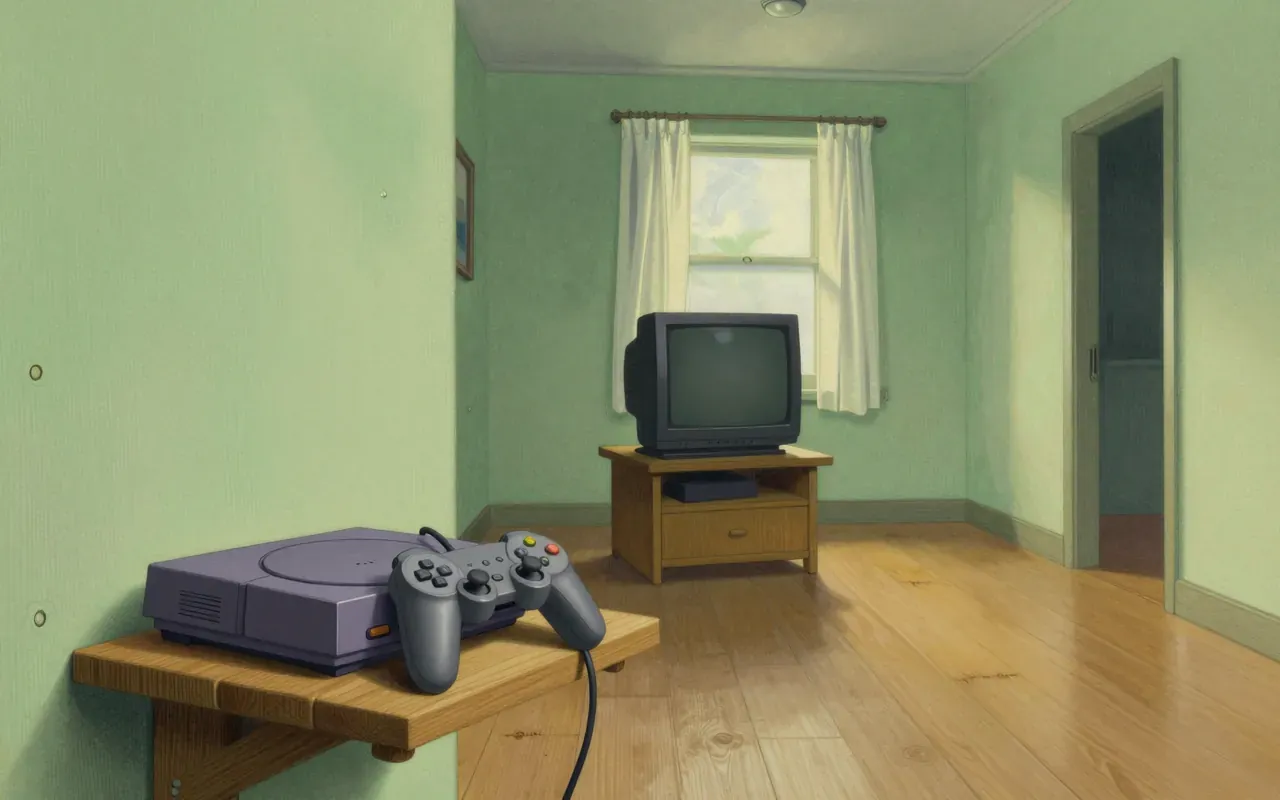
King's Field (1995) is FromSoftware’s second game and the first King's Field released outside Japan. It is Prince Aleph’s slow, solitary trek across the island of Melanat to recover the Moonlight Sword. Its design is defined by hardware-imposed slowness: movement, combat, and exploration all resist immediacy. It asks for patience, repetition, and tolerance of ambiguity — not engagement through clarity or reward.
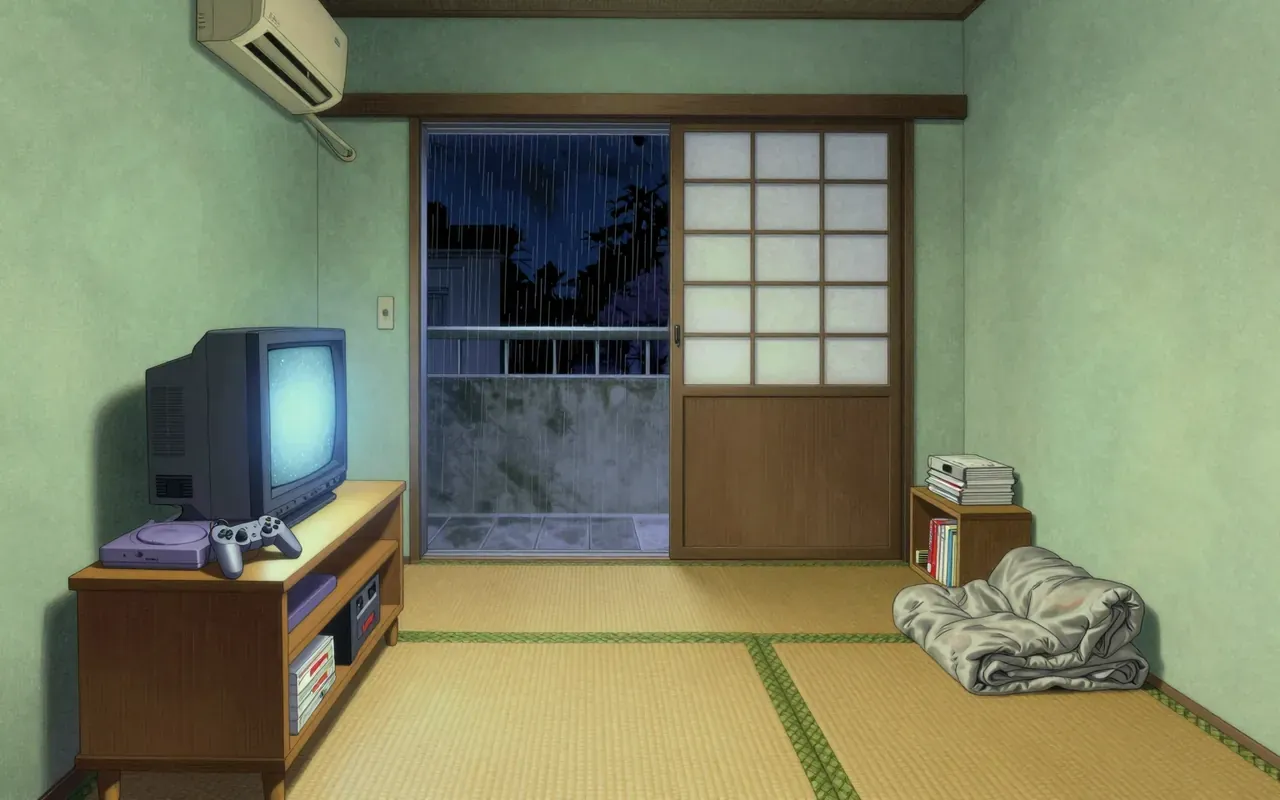
Revelations: Persona is Atlus’s 1996 PlayStation RPG that introduces the Persona series. It casts high school students who summon Personas—Jungian self-manifestations—to fight supernatural threats in a town shaped by lunar cycles and branching narrative paths.
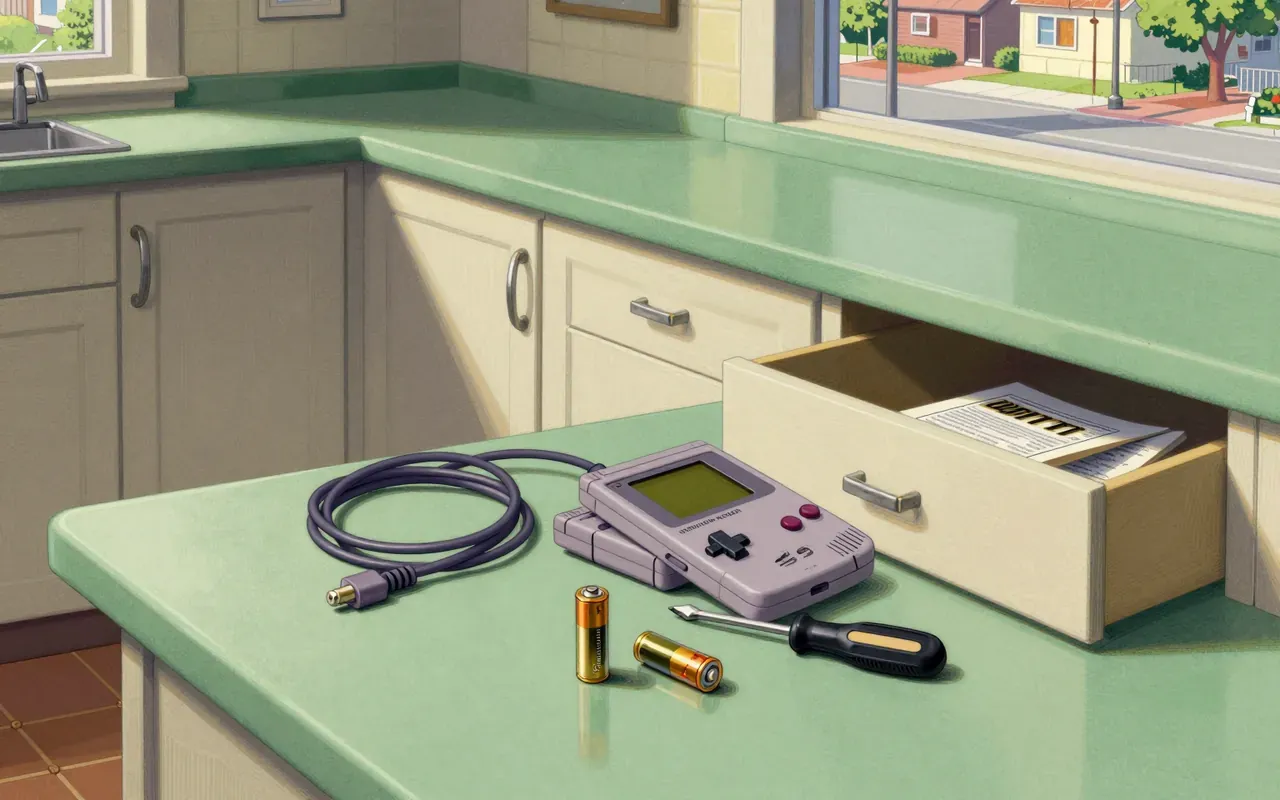
Pokémon Red, Blue, and Yellow are tightly constrained Game Boy RPGs built around three screens, turn-based battles, and enforced social play. They demand cooperation—not for story, but for completion. They reward patience, not improvisation. They are about checking boxes, not breaking rules.
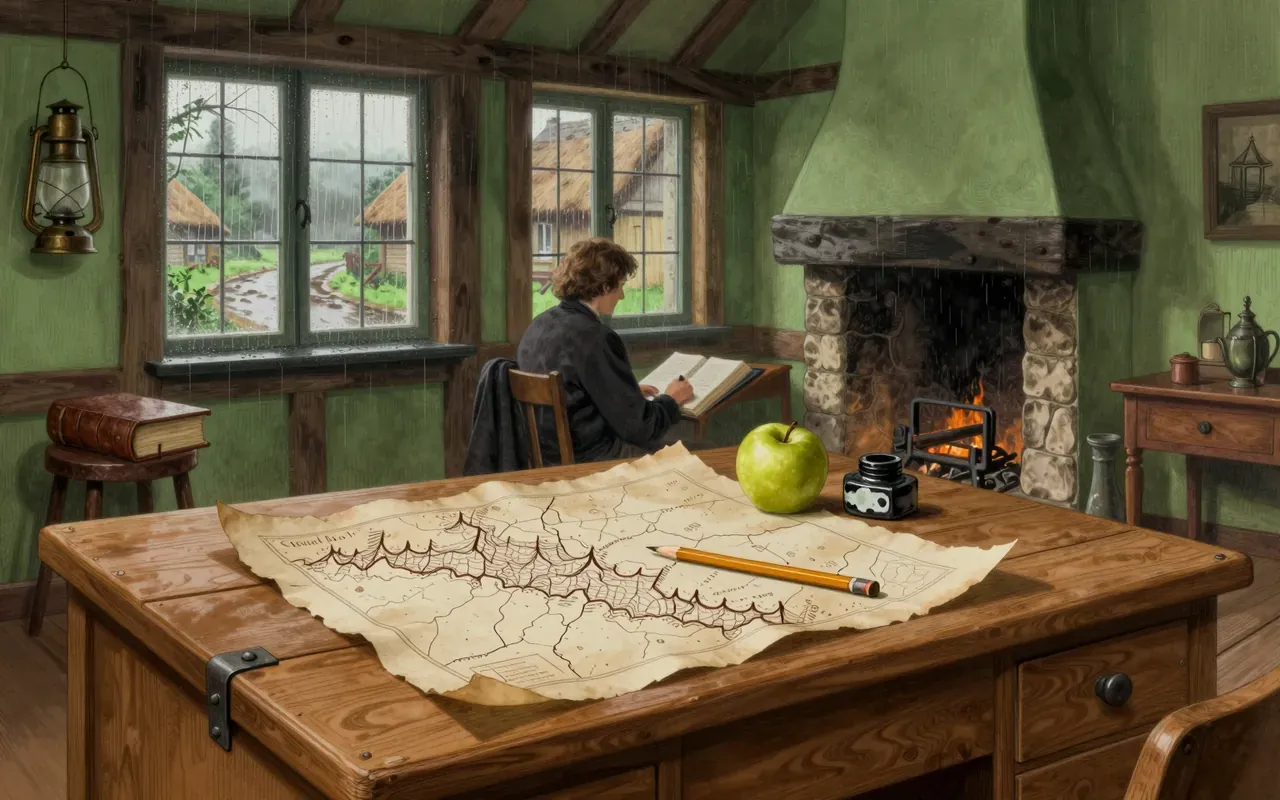
Quest for Glory: So You Want to Be a Hero is a 1989 hybrid adventure/RPG by Sierra On-Line. It asks players to type commands, track time, manage hunger and fatigue, and develop skills organically—not through levels, but through action. Class choice (Fighter, Magic User, Thief) determines starting tools, puzzle solutions, and quest access—but cross-class skills are possible. Its systems behave like physical laws: predictable, persistent, and indifferent to player expectation.
TERA replaces tab-targeting with muscle memory — and demands you learn the difference between aiming and reacting.
The Witcher 3: Wild Hunt is an open-world RPG built around authored consequence, not systemic simulation. Its combat demands precision, stamina, and resource management. Its world feels lived-in because of writing—not physics. It was made at great cost, with no DRM, and shipped with free DLC. It remains worth playing if you want narrative weight over procedural noise.
Ultima I: The First Age of Darkness is a foundational computer RPG where 'The Stranger'—summoned from another world—must destroy the Gem of Immortality to end Mondain's rule in Sosaria.
Ultima Online is a fantasy massively multiplayer online role-playing game released by Origin Systems on 24 September 1997. It was Origin’s first persistent online game. It was partially designed as a social and economic experiment. Its initial features included persistent player housing, skill-based character progression without levels or classes, a craft-based and player-driven economy, and unrestricted player-versus-player combat. Servers enforced either consensual or non-consensual PVP depending on type — Trammel, Felucca, or Siege — each with distinct rules for combat, travel, and item loss. The release of Trammel led developers to rename the original world Felucca and make its environment more grim. Siege servers restrict players to one character slot and limit travel options. Ultima Online is one of the earliest graphical MMORPGs. Its success was pivotal in EA’s decision to make Origin an online-only company after the completion of Ultima IX: Ascension in 1999.
Warcraft III: Reign of Chaos is a 2002 real-time strategy game by Blizzard. It uses fog-of-war, upkeep penalties, fixed top-down perspective, and hero progression to enforce tight, consequential decision-making.
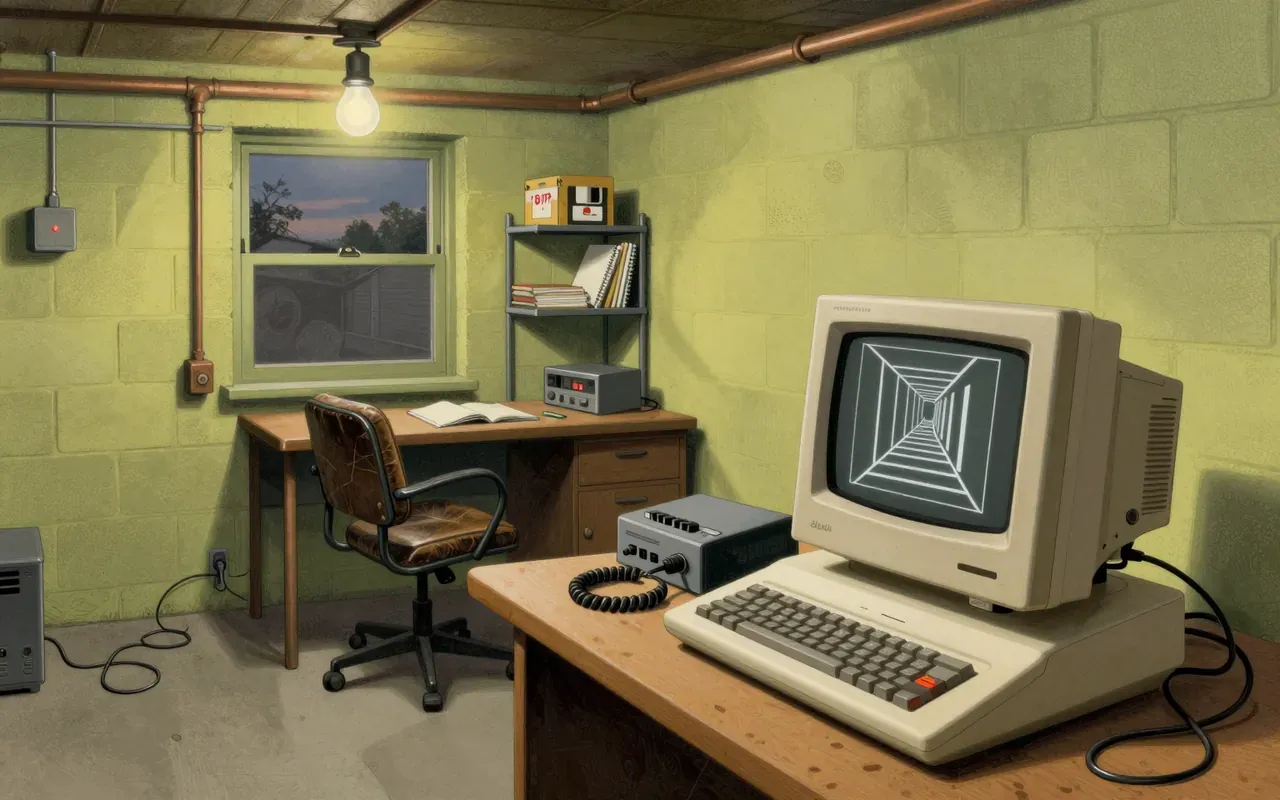
Wizardry: Proving Grounds of the Mad Overlord is a 1981 dungeon-crawl RPG by Sirotech Software. It demands manual mapping, enforces strict party alignment rules, and offers no in-dungeon saving. Its ten-level dungeon beneath Trebor's castle exists solely to be descended — one floor at a time — until the party reaches Werdna and retrieves the amulet.

Borderlands (2009) is a role-playing shooter developed by Gearbox Software. It combines first-person shooter action with RPG systems—including four distinct Vault Hunters, branching skill trees, mission-driven progression, and a procedural loot engine generating over 15 million weapon and gear variations. Its cell-shaded-like art style gives Pandora a comic-book appearance. Players fight hostile wildlife and human forces on the fictional planet while seeking a fabled Vault.
Destiny is a server-dependent first-person shooter that structures player time around repeated group activities — strikes, raids, patrols, and PvP matches — all governed by Light-level gating and tied to Bungie.net infrastructure. Its strength lies in rhythmic, communal combat execution. Its weakness is systemic opacity and narrative detachment. It asks for consistency, not curiosity.
Diablo (1996) is an action role-playing dungeon crawler developed by Blizzard North and published by Blizzard Entertainment for Windows. Players navigate procedurally generated levels using mouse-driven movement and keyboard-based spellcasting. Dungeon themes shape layout—catacombs feature long corridors, caves are non-linear. Quests are randomly assigned from tiers; only the final two are mandatory. Items degrade with use and are destroyed at zero durability. Griswold the Blacksmith repairs them for a fee; Warriors may self-repair at durability cost. Staves enable spellcasting without spell knowledge or mana. The game establishes a tight, friction-driven loop: explore, degrade, return, repeat—until the final two quests gate the end.

EarthBound is a 1994 Nintendo RPG that rejects the genre’s conventions: no overworld map, no random encounters, no top-down grid. Instead, it builds a seamless, oblique-projection world where enemies are visible NPCs, combat begins with spatial positioning, and progression is deliberately unstable. It asks players to read the environment, not the menu.
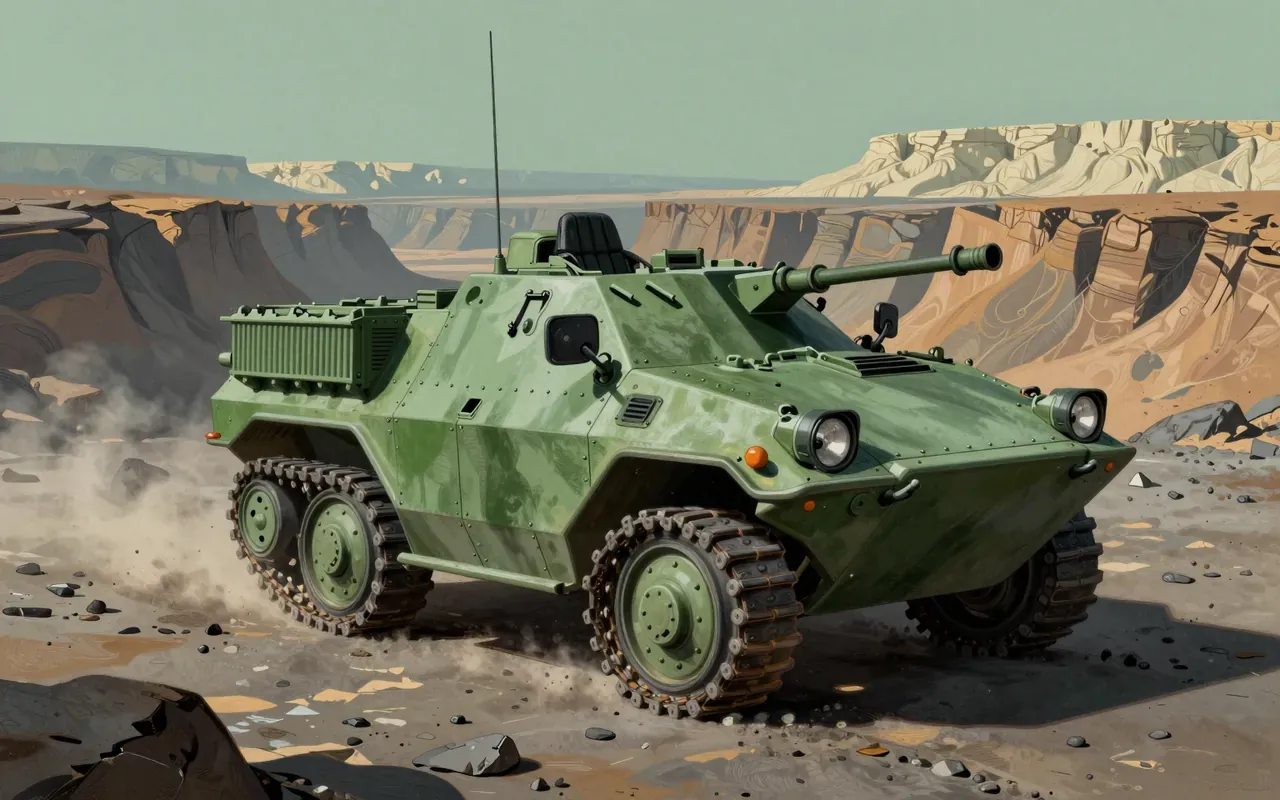
Mass Effect (2007) is a single-player, third-person science fiction RPG developed by BioWare using Unreal Engine 3. Players customise Commander Shepard, choose one of six classes with distinct talents and weapon proficiencies, explore a galaxy map to pursue story and optional quests, and recruit and develop six squad members. Combat is real-time and squad-based, pausable for tactical ability selection, with shield/health mechanics, overheating weapons, and cover. Dialogue uses a radial wheel tied to morality (Paragon/Renegade) that shapes relationships and unlocks narrative options. The game features vehicle-based planetary exploration via the M35 Mako, resource surveying, and talent progression through experience and leveling.
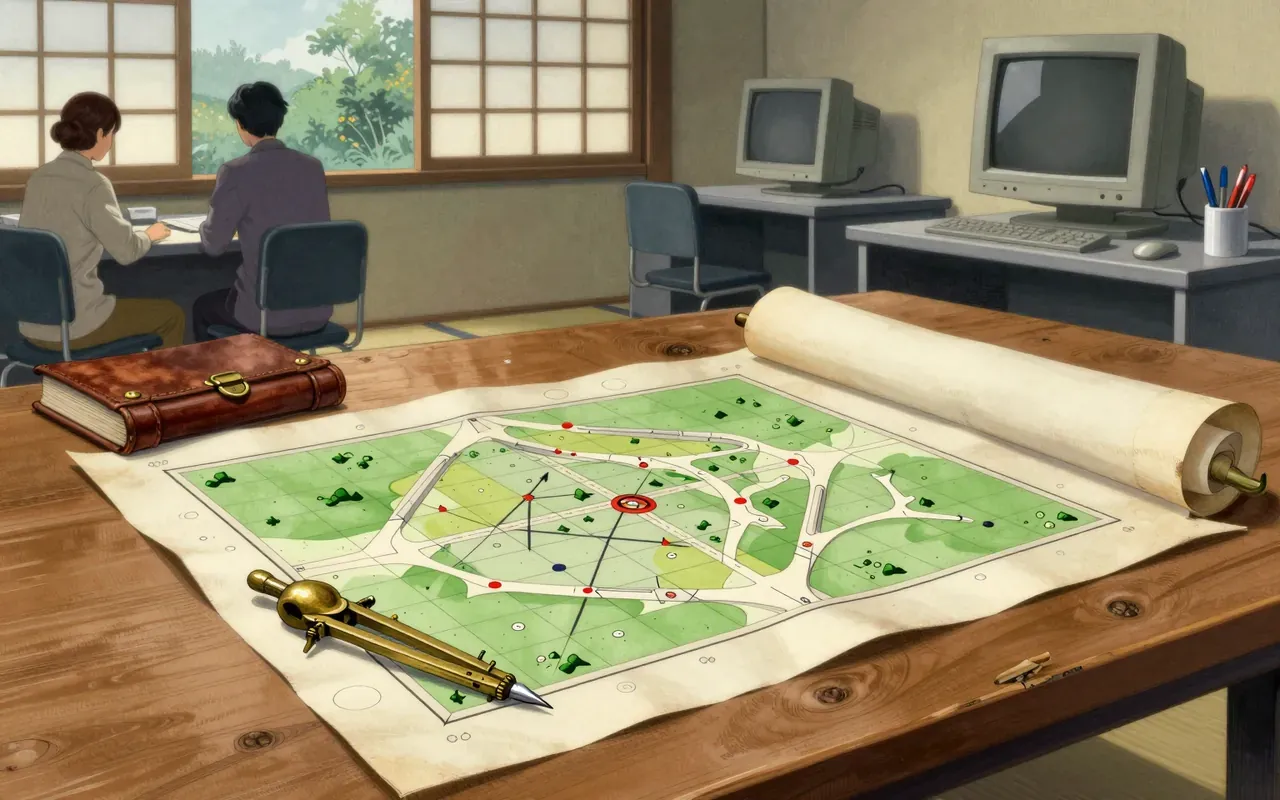
Shining Force is a turn-based tactical role-playing game published by Sega during its console era (1983–2001), grouped with franchises like Phantasy Star and Megami Tensei. Battles occur on square grids: units move by Move stat, act once per turn (attack, cast, use item, or search), and turn order combines agility and randomness. Units gain EXP from combat and supportive actions like healing, enabling level progression. Allied units are individually characterized—each with background and personality—similar to Fire Emblem. Exploration mode functions as a traditional Japanese-style RPG, with Max representing the army outside battle. No claims support narrative branching, real-time elements, or modern UX features.
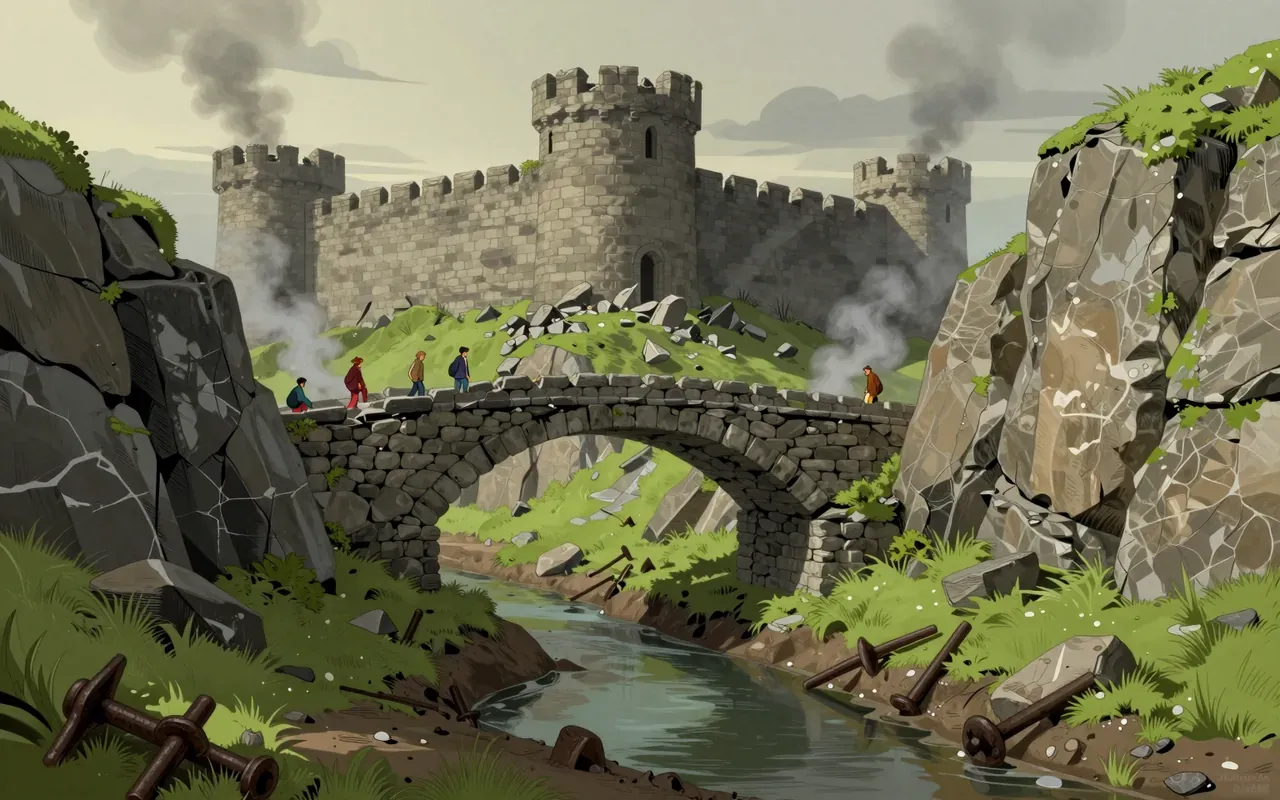
Aion (2008) is an MMORPG by NCSoft that merges PvP and PvE into a single territorial combat system—confined to the Abyss and Balaurea—where Legions battle players and NPCs alike for fortress control using siege weapons from PvE raids. Skills unlock in fixed chains, with later abilities more powerful and strictly dependent on earlier ones. Faction-based PvP is limited to opposing races, with no exceptions outside duels, the Arena, or Panesterra. Controlling a fortress funds the Legion and grants faction-wide vendor discounts and travel perks. The design demands coordination, sequencing discipline, and commitment to a rigid zone-and-race framework.
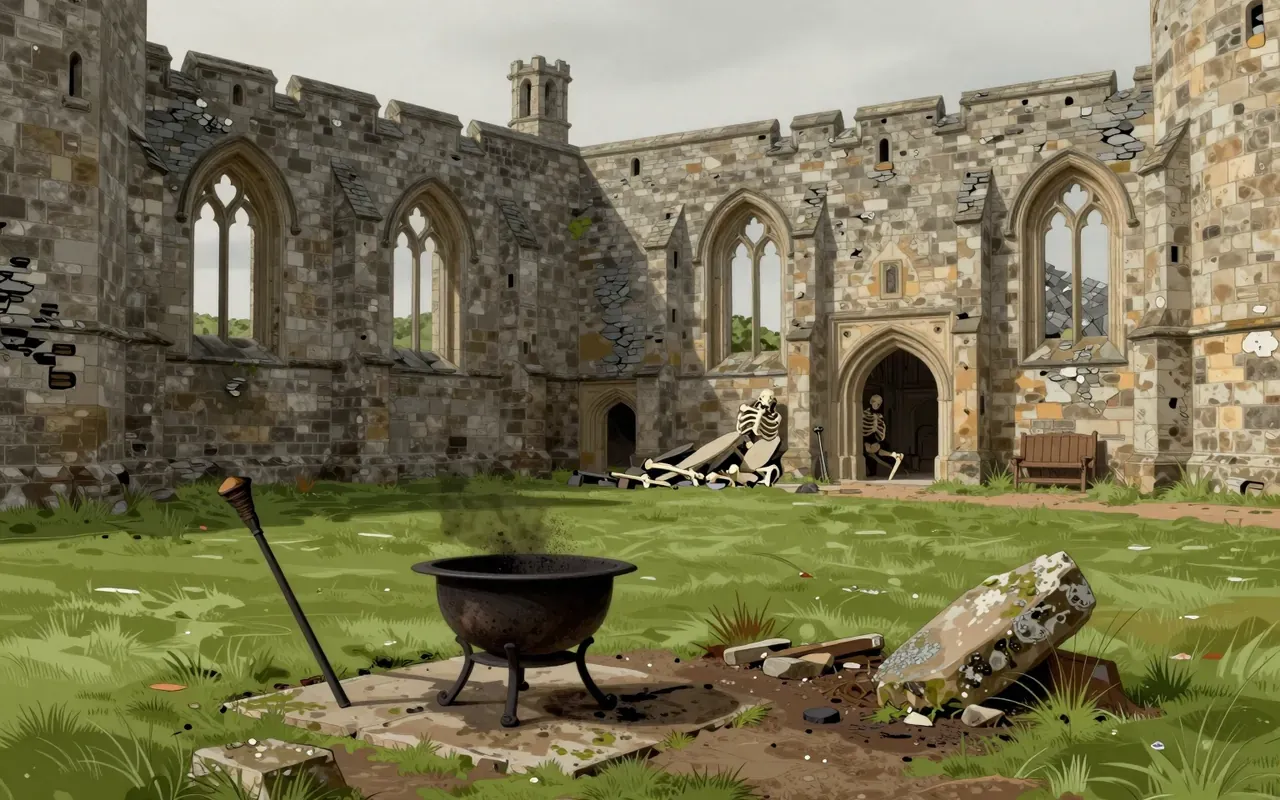
Dark Souls (2011) is a third-person action role-playing game and the first entry in a trilogy. It defines the Soulslike subgenre through high difficulty, environmental storytelling, and an interconnected world governed by deliberate, iterative gameplay.
Deus Ex (2000) is an action role-playing game developed by Ion Storm and directed by Warren Spector. It combines first-person shooter, stealth, and RPG elements in a hub-based city structure. Players control JC Denton, a nanotech-augmented agent, and navigate environments using climbing, swimming, crouching, and object interaction. Missions are optional and objectives permit multiple solutions—stealth, hacking, or armed assault. Dialogue choices affect some events. Augmentations are permanent and energy-costed. Inventory space is limited. The game was built on the Unreal Engine, requiring added RPG systems. A post-release patch added deathmatch-style multiplayer.

Dragon Quest (1986) is a single-player RPG developed by Chunsoft. It simplifies Western RPG conventions for console audiences. The player controls a young hero who must defeat the Dragonlord and retrieve the stolen Balls of Light. Progression relies on open exploration gated by enemy strength, turn-based combat with four commands, and stat growth tied to experience and name input. Save systems differ: passwords in Japan, battery-backed RAM in North America. Its design prioritises narrative clarity and incremental empowerment over mechanical complexity.
Fallout (1997) is a foundational CRPG built on rigid arithmetic and player-driven consequence. Its design refuses abstraction: if your Luck is six, you fail 40% of critical rolls. If your Speech is 65%, you unlock one branch—not all. It does not ask you to believe. It asks you to calculate.

Front Mission is a linear, story-driven tactical RPG where players command modular mecha called wanzers across a point-and-click world map, customising them under strict weight-to-power limits and managing part-specific damage states in mission-based combat.
Grandia is a role-playing video game developed by Game Arts and published by Entertainment Software Publishing for the Sega Saturn in 1997. It uses 3D environments with 2D animated bitmap sprites for characters. The camera rotates freely in third-person and must be rotated to reveal hidden items or passageways. The game features a rotational party roster. Party members' statistics increase upon leveling up through experience points earned from defeating enemies. Characters learn new abilities by repeatedly using weapons or spells until their Skill Level increases. Weapons are divided into classes: swords, maces, axes, whips, and knives. A Skill screen in the main menu lists each party member's potential abilities and their learning requirements. The game encourages periodic switching between weapons.
Guild Wars (2005) is a competitive online role-playing game developed by ArenaNet and published by NCSoft. It features instanced PvE and PvP, a level cap of 20 (extendable to 200 attribute points via quests), and a strict eight-skill loadout drawn from a library of over a thousand. It replaces gear dependency and grinding with skill-based combat, profession-locked builds, and modular progression across missions and arenas. Revenue came from standalone expansions and microtransactions—not subscriptions.

Lineage is a medieval fantasy MMORPG developed and published by NCSoft. It launched in September 1998 as the company’s first game. It is built on NetHack’s stat, monster, and item systems with MMO mechanics added.
Lost Ark is a technically competent, gear-obsessed PvE MMO that delivers satisfying combo combat and vast content—but only if you accept its rigid, repetition-first design as a feature, not a flaw.

Monster Rancher is a PlayStation life simulation RPG by Tecmo (1997) where players acquire, raise, combine, and battle monsters — with CD-based generation as its defining input method.
Phantasy Star (1987) is a traditional Japanese RPG developed and published by Sega for the Master System. It alternates between top-down overworld exploration and first-person dungeon/battle navigation. Players control Alis, recruit Noah, Odin, and Myau, share one inventory, visit towns to buy gear, face random monster encounters outside towns, and manually map complex dungeons.
Shin Megami Tensei is a 1992 first-person, turn-based RPG developed by Atlus’s Creative Department 1st Production (Team Maniax). It is a mainline title in the Megami Tensei series. Players navigate dungeons, negotiate with demons, fuse allied demons at Cathedrals of Shadows, manage magnetite, and make moral choices that shape alignment and narrative outcomes.
Suikoden (1995) is a Konami-published RPG that uses weapon range, speed-based turn order, and Rock-Paper-Scissors–driven duel and war systems to shape its combat and narrative. It demands strategic party formation, rewards systematic recruitment, and allows consequential failure in optional battles. It is structurally rigorous but opaque in execution details.
A 1989 Famicom RPG that uses mansion architecture, fixed-character utility, and irreversible consequences to build tension—not through jump scares, but through scarcity and spatial logic.
Stormblood is a systemic expansion — not a story one. It builds around constraints: fixed-level raids, XP loss on death, mecha-bound PvP, and jobs that start mid-level. It rewards precision, repetition, and group discipline. It withholds flexibility, narrative integration, and trial access to its hardest content.
Pokémon Gold and Silver refine the series’ core loop with a real-time clock and expanded Pokédex, but offer no structural departure from the top-down, random-encounter, EXP-driven RPG formula established earlier.
The Outer Worlds is a first-person action RPG where player agency is enforced by rigid, upfront stat choices — not narrative illusion. It runs on Windows, PS4, and Xbox One. Its world is built on corporate terraforming, not starship dogfights. Every dialogue option, inventory slot, and stealth path is earned, not granted.
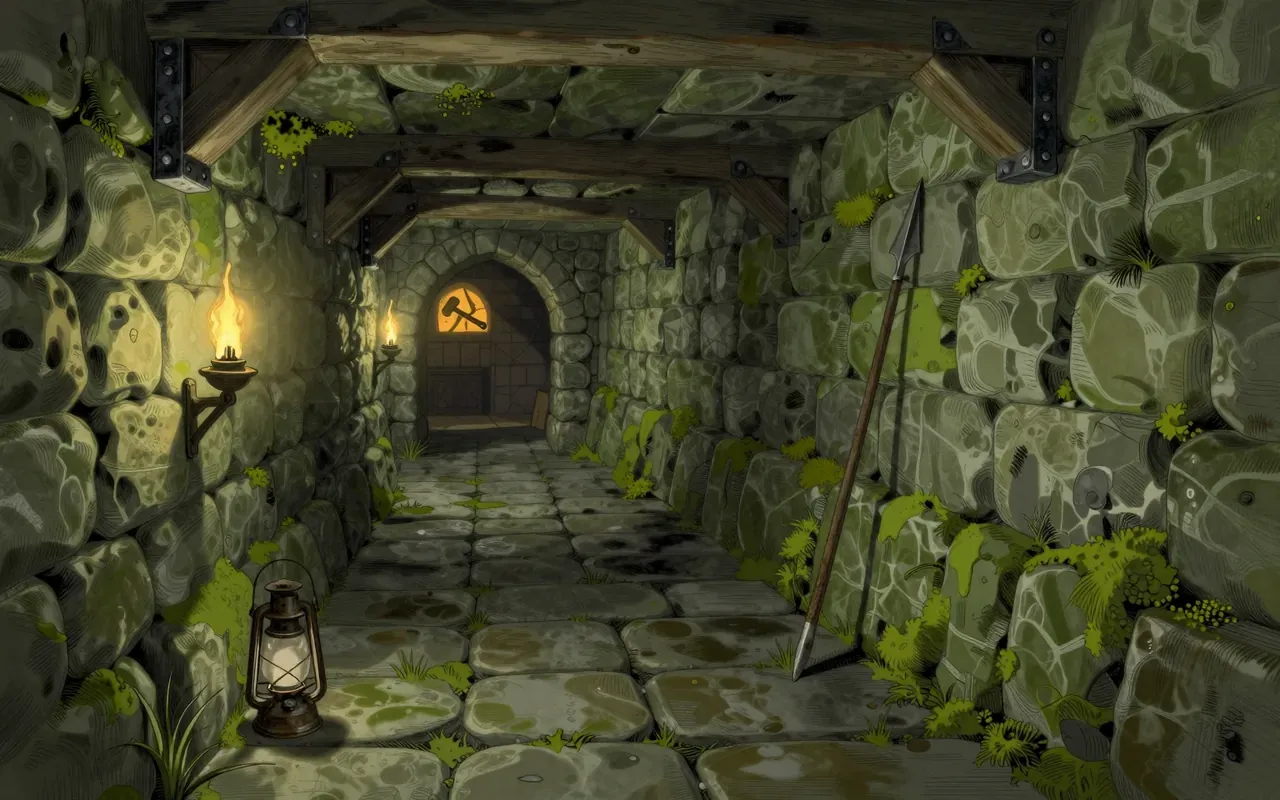
Torchlight is a single-player action role-playing game released for Windows on October 27, 2009. It was developed by Runic Games and published by Perfect World Entertainment and Encore, Inc. The game is set in the fictional town of Torchlight and the caverns and dungeons nearby. Players control a lone hero who explores randomized dungeons built from hand-designed modular chunks. Combat is point-and-click on PC. The loop is clear: descend, kill monsters in large groups, collect loot, return to the single town hub to sell, buy, and accept quests. Quests drive progression through unique boss battles. Side and random quests offer optional detours. The modular chunk system creates dungeons with intention—not randomness for its own sake. Levers open secret doors. Bridges move. Rooms connect meaningfully. The isometric-like overhead perspective gives spatial clarity. Loot drops frequently and visibly. The town hub is lean: one place to sell, buy, and take quests—no filler. It does not support co-op or multiplayer. It offers no character customisation beyond class choice. There is no endgame beyond completing the main questline and replaying with new classes. The town hub is static and unchanging. No lore depth or worldbuilding beyond functional exposition.
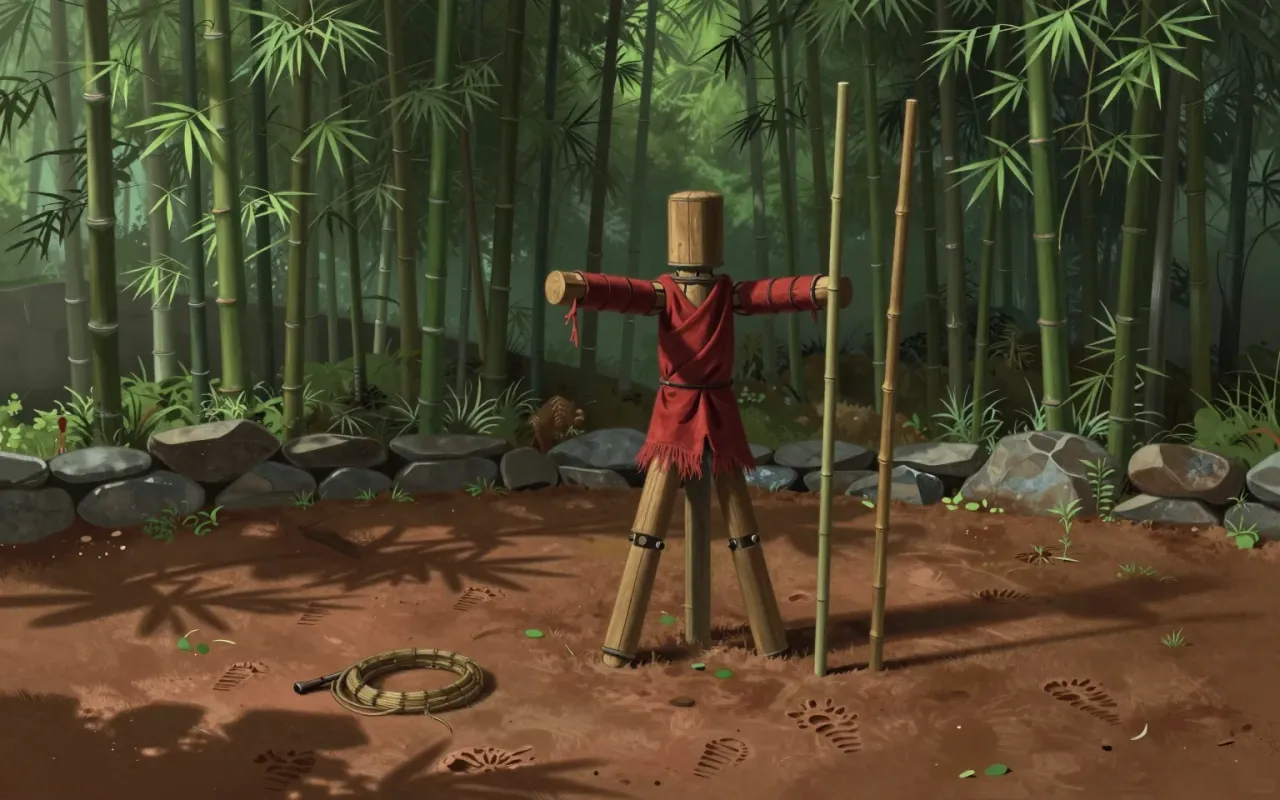
Blade & Soul is a Wuxia-themed MMORPG developed and published by NCSoft. Launched in June 2012, it was NCSoft’s first MMORPG since Aion in 2008. It features open-world exploration, real-time combo-based combat, four folklore-inspired races, and extensive character customisation.
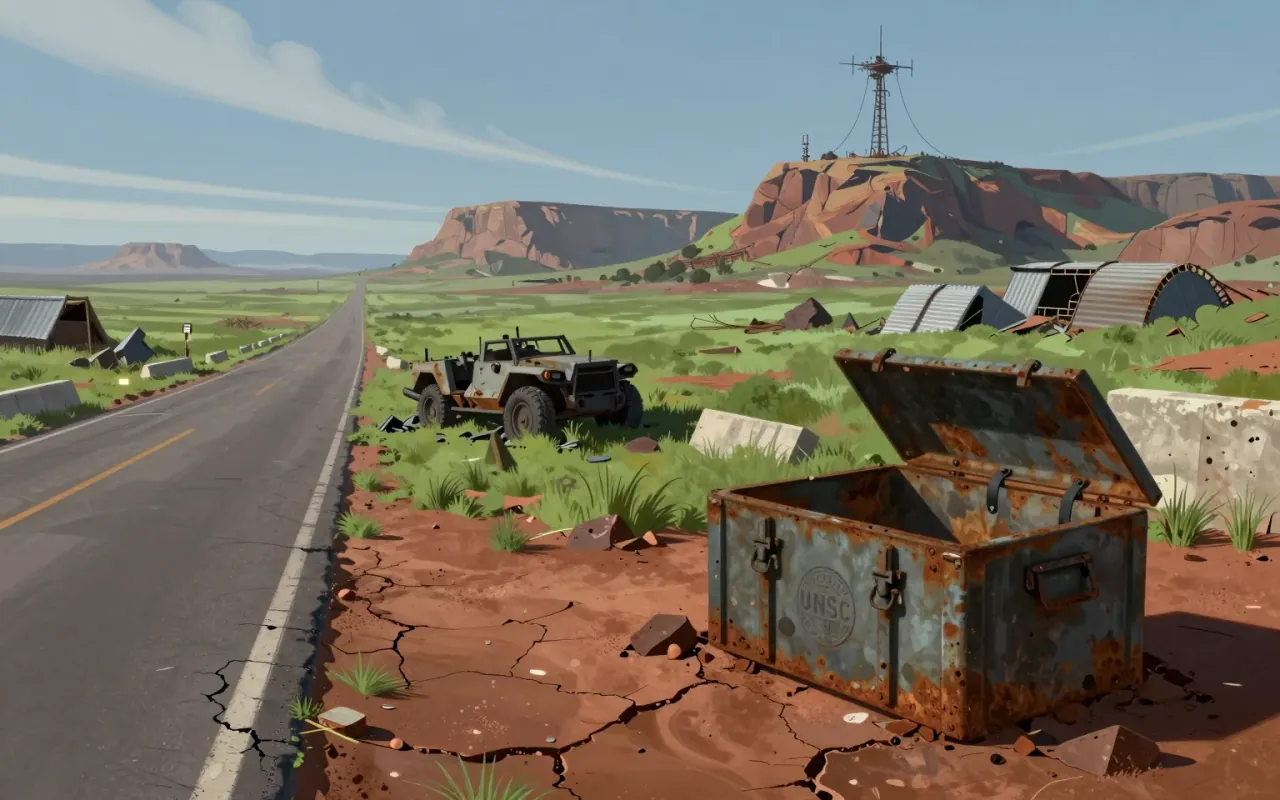
Borderlands 2 is a shooter built around loot as feedback, class skills as rhythm, and repetition as reward. Its design commits to systems over spectacle—and it works.
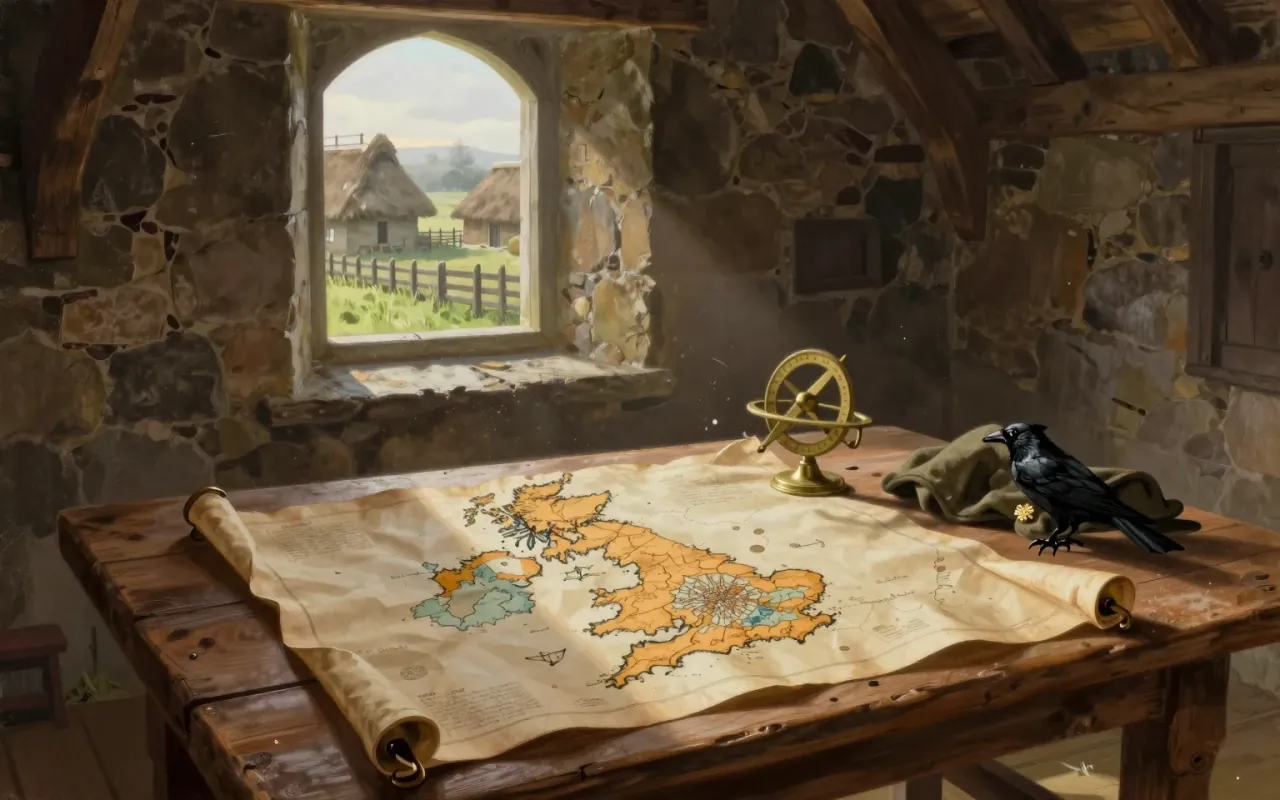
Dark Age of Camelot is the first MMORPG built explicitly around persistent, three-faction realm versus realm warfare. Its design enforces rigid class roles, prioritises RvR balance over cross-realm equivalence, and delivers action through customisable Quickbars—not adaptive AI or dynamic systems. It runs on Linux servers handling ~4,000 players per world, constrained by a 10 kbit/s per-player data stream. It is Mythic Entertainment's first MMORPG and the game for which the studio is best known.
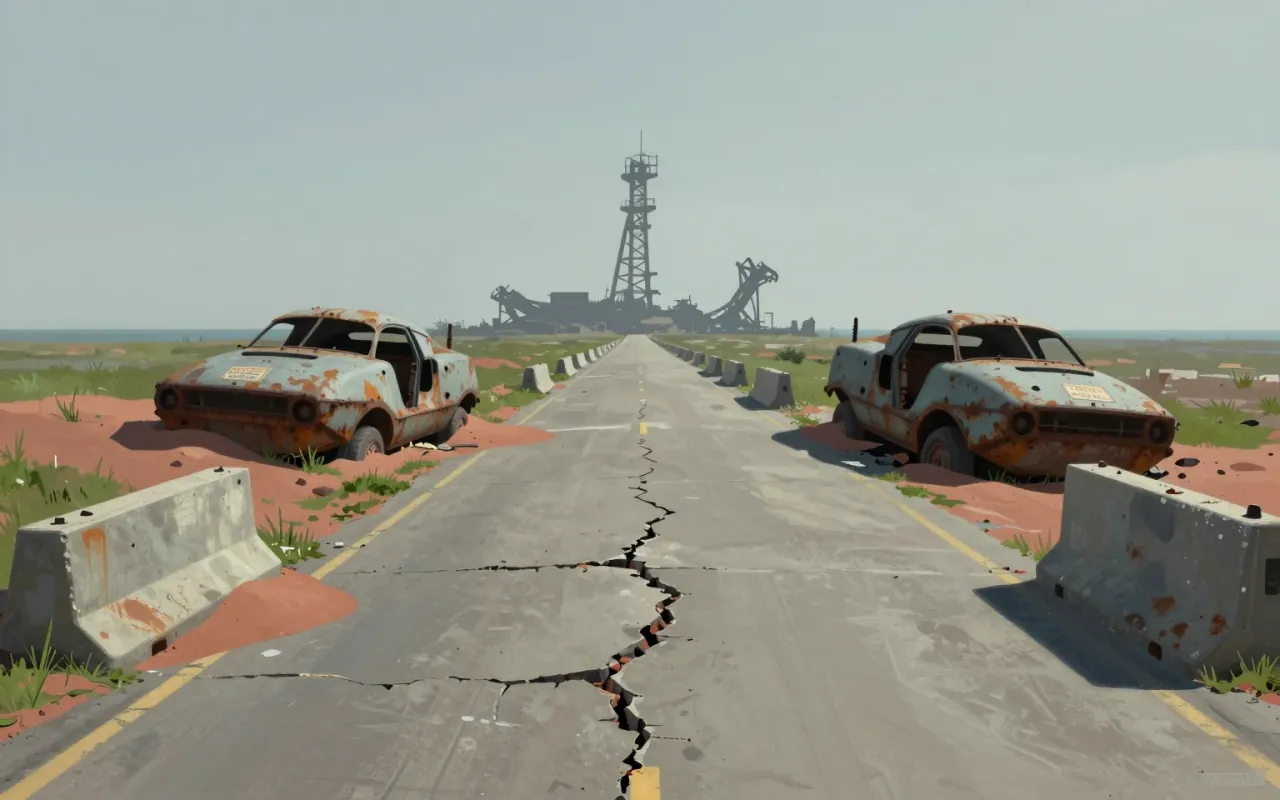
Destiny 2 is a free-to-play online first-person shooter developed by Bungie, released in 2017. It features a shared-world environment with role-playing elements. Activities are divided between PvE (story missions, three-player strikes, dungeons, six-player raids, free-roam patrol with public events, and exploration-focused activities featuring NPCs outside social spaces) and PvP (objective-based and deathmatch modes). Players embody Guardians wielding Light—and later Darkness—to defend Earth’s last city against alien threats. It runs on the Tiger Engine, uses Bungie.net for player statistics and account management, and supports companion mobile apps for news, inventory, and group finding.

Diablo II is a rigid, act-locked RPG where procedural generation serves narrative containment — not freedom. Its power lies in enforced repetition across escalating difficulty tiers, each demanding full completion before unlocking the next. It asks for time, patience, and tolerance for systemic friction. It gives back loot, clarity, and a sense of earned scale — nothing more, nothing less.
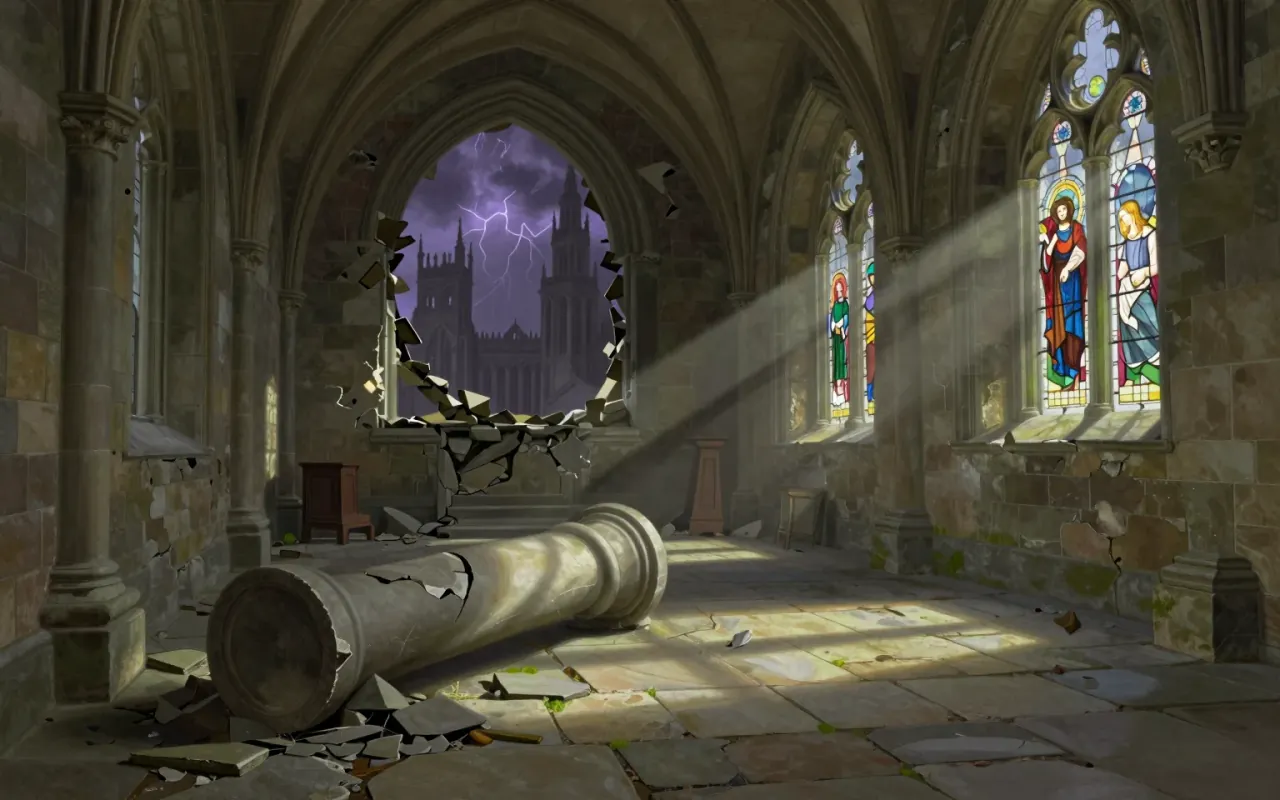
Diablo III is a 2012 action RPG built around loot-driven progression, real-time isometric combat, and mandatory online connectivity. Its systems prioritise frequency and clarity of reward over narrative or environmental storytelling. The game’s design enforces repetition, not reflection.

Diablo IV is an online-only ARPG where eight classes fight themed enemy families in an open world punctuated by procedurally generated dungeons. Combat effectiveness is determined by attributes and gear. Loot acquisition drives progression. Player versus player combat exists. There is no offline mode.
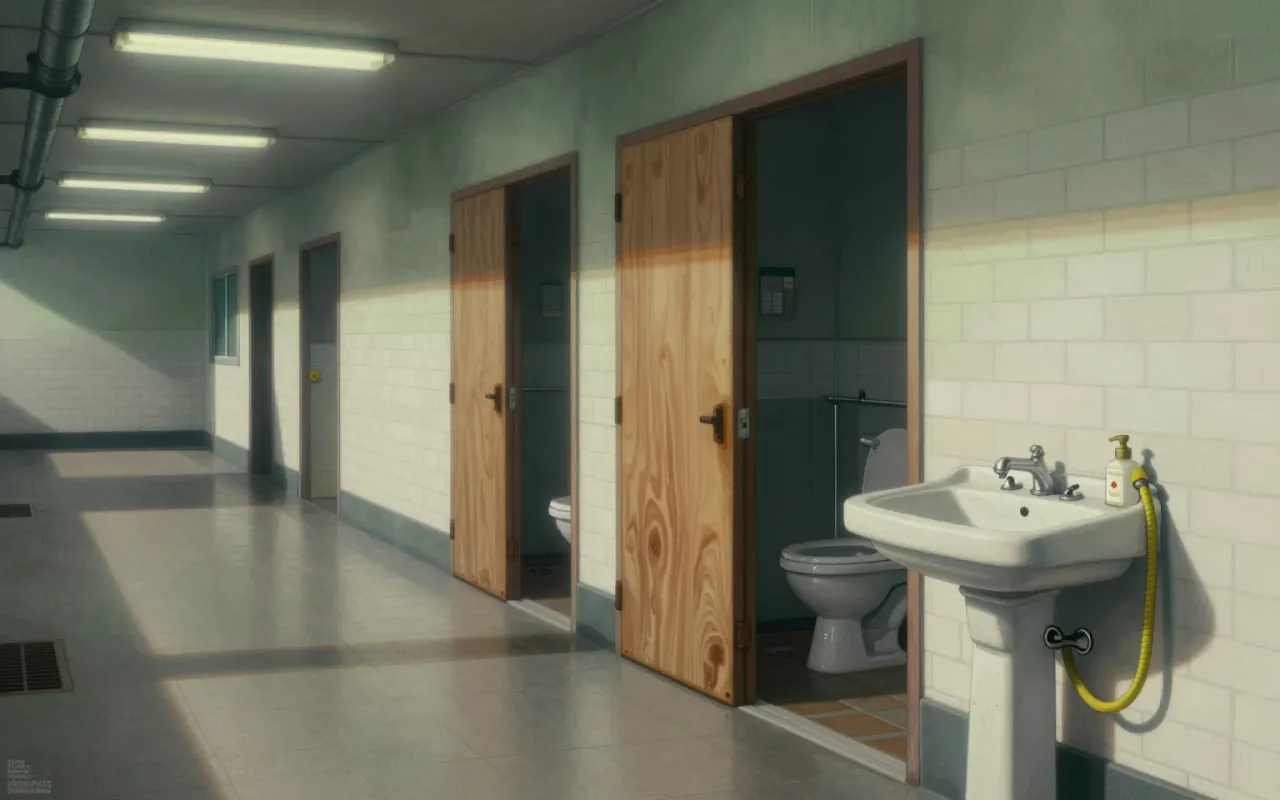
Digimon World is a PlayStation RPG where raising a single Digimon — through feeding, training, resting, and bathroom use — determines its evolution, intelligence, and battle effectiveness. Poor care locks players into Numemon, a weak Champion form. Battles restore order to File City by recruiting feral Digimon. When the Digimon ages out, it reverts to an egg — forcing a full restart.
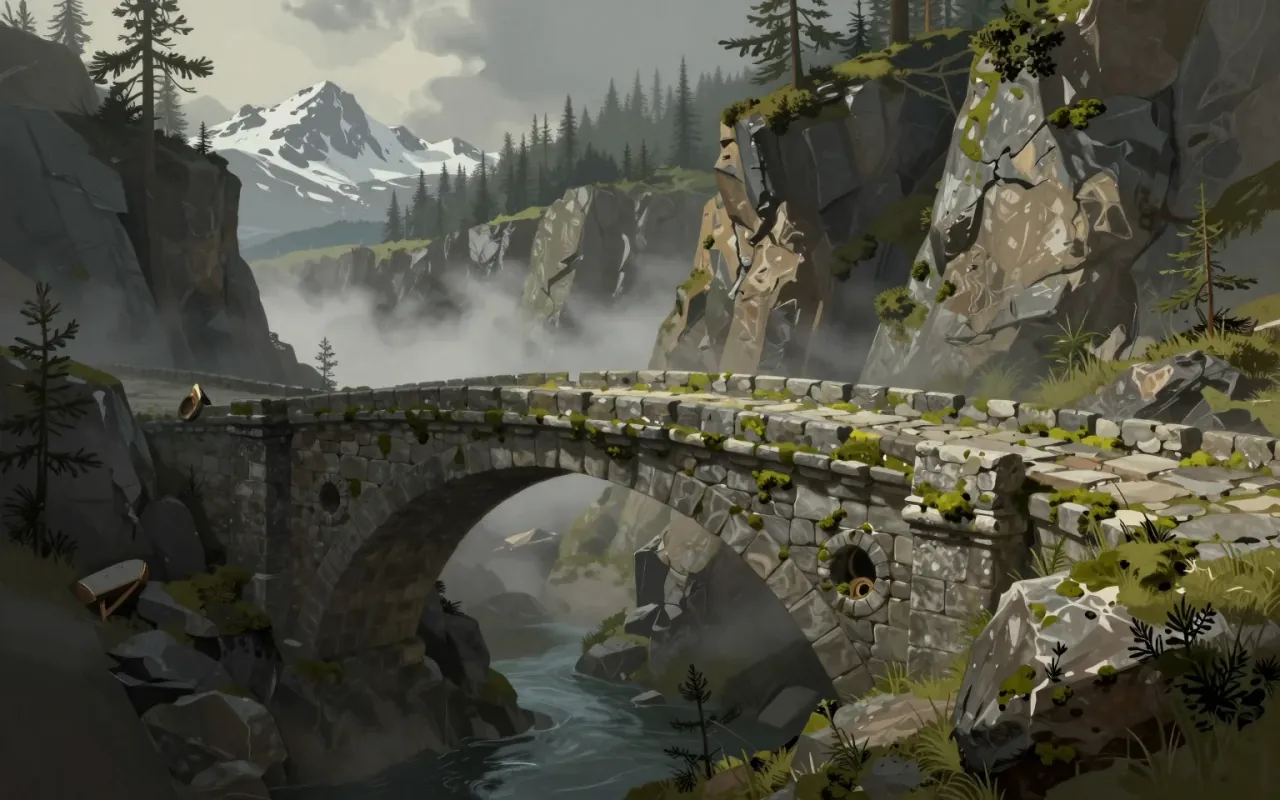
The Elder Scrolls Online is a persistent-world MMORPG set in Tamriel during the Second Era, developed by ZeniMax Online Studios and released in 2014. It supports solo and group play online only, with non-linear exploration, questing, and random events. Ten races and seven classes are available; vampirism and lycanthropy are accessible without purchase as of Update 49. The Imperial race remains locked behind a Crown Store purchase. Some zones require DLC. First- or third-person perspective is selectable. All zones are accessible regardless of faction or level.
EverQuest is a foundational 3D MMORPG that demands group reliance, punishes solo risk, and treats servers as persistent social spaces — not content delivery platforms.
EverQuest II is a 3D fantasy MMORPG for Windows PCs, released by Sony Online Entertainment on November 9, 2004. It is a sequel set hundreds of years after the original EverQuest, following the same strategy: persistent world, experience-based leveling, guild-driven advancement, and a robust tradeskill system that lets players craft spells, potions, armor, and more. It shifted to free-to-play on December 6, 2011, with optional subscriptions. Its core loop demands sustained group coordination, gear acquisition, and long-term social investment—making it viable only for players who treat MMOs as infrastructure, not entertainment.
Endwalker delivers narrative closure and mechanical polish—but only to those already inside Final Fantasy XIV’s walls.
Fire Emblem Awakening is a tactical RPG for Nintendo 3DS where grid-based combat, relationship-building, and permadeath choices define every session. It launched as the series’ make-or-break title — and succeeded by selling 400,000 units in Japan within its first year.
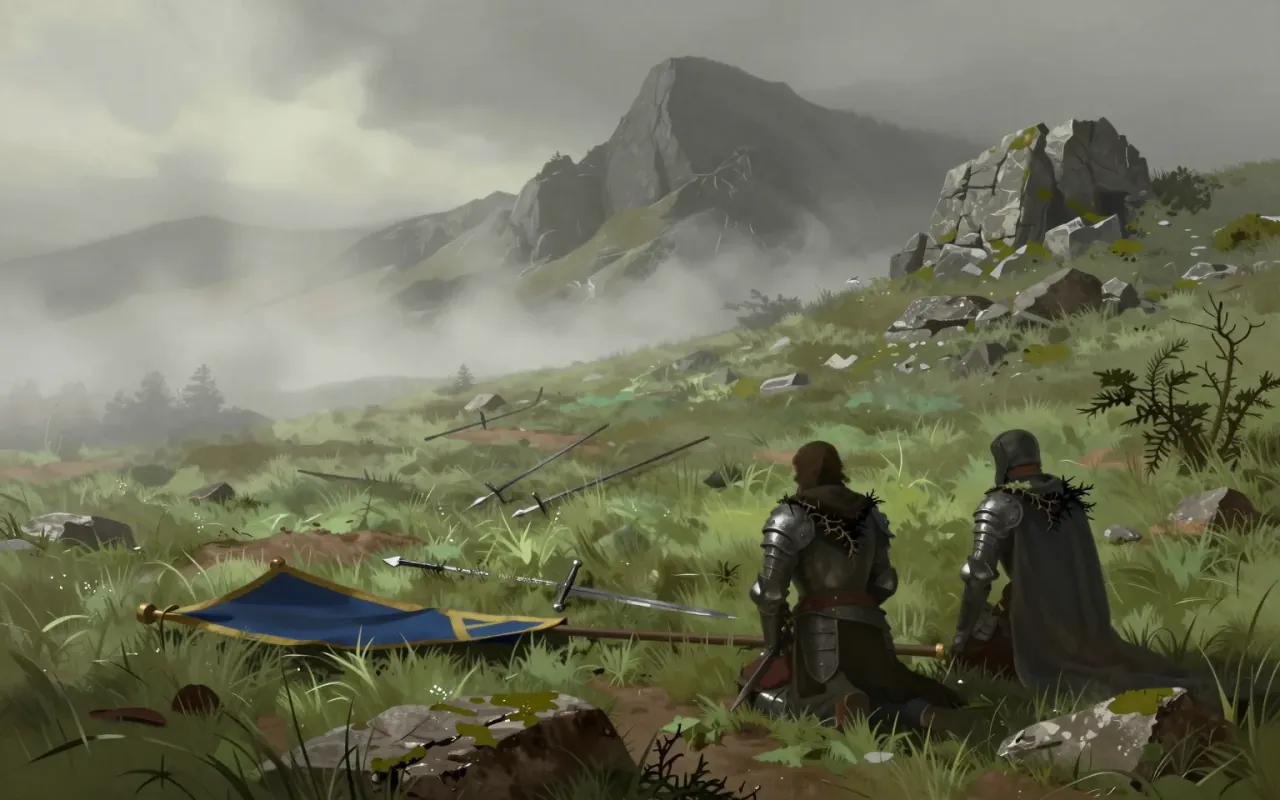
Fire Emblem: The Blazing Blade is a tactical RPG where permanent death, class-based roles, and square-grid combat define every choice. It asks players to weigh risk against reward, memorise ranges, and accept loss as instruction—not failure.
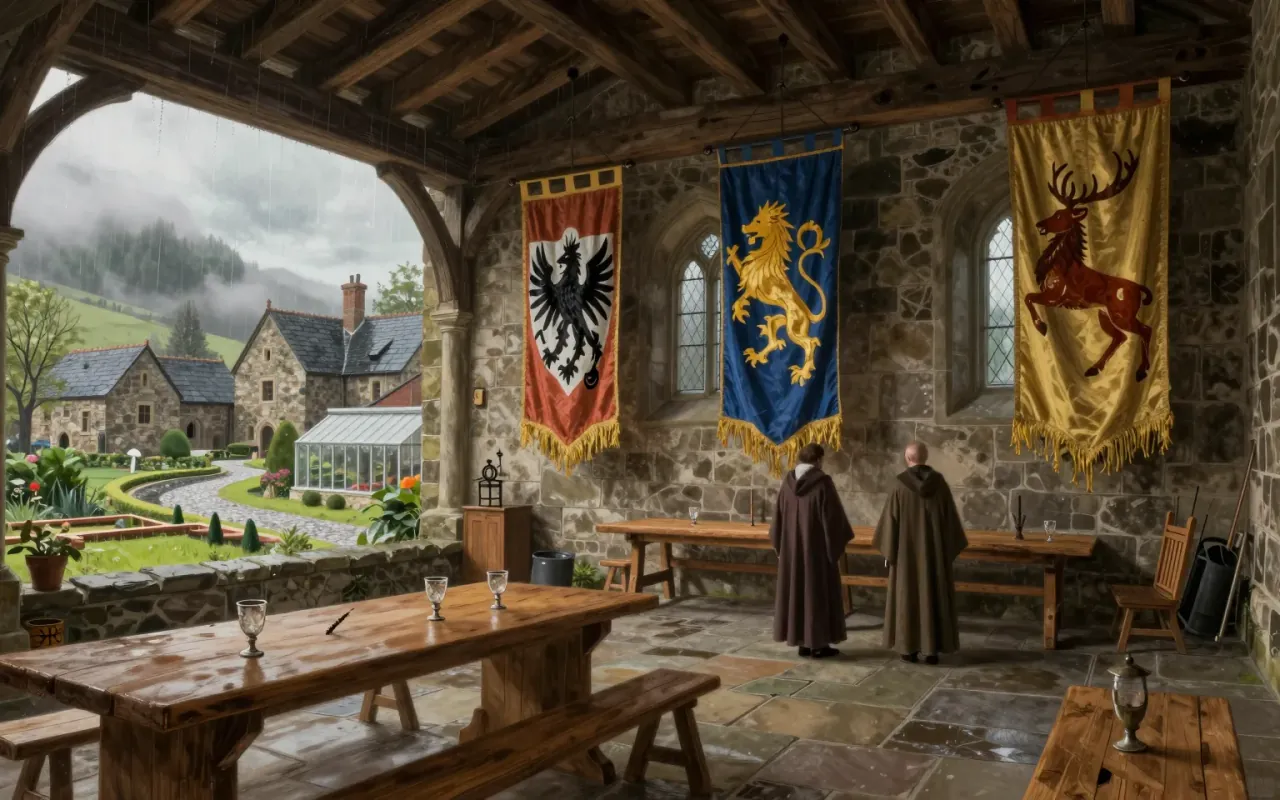
Fire Emblem: Three Houses is a tactical RPG released in 2019 by Intelligent Systems in partnership with Koei Tecmo. Intelligent Systems provided the main plot, game system, and mechanics; Koei Tecmo handled the bulk of the programming. Players choose their character's gender and name at the start. Gameplay alternates between story-driven battles and social simulation segments at Garreg Mach Monastery—the central hub for all activities. Selecting a house determines the narrative path from that point forward. The opening half focuses on school life, then the story skips ahead five years and shifts to war, locking the player to their chosen house. Players manage a calendar with limited days to allocate to varied monastery activities—including teaching, field exercises, greenhouse planting, fishing, and free-time interactions. Relationships are built via Support actions influenced by player choices and dialogue.
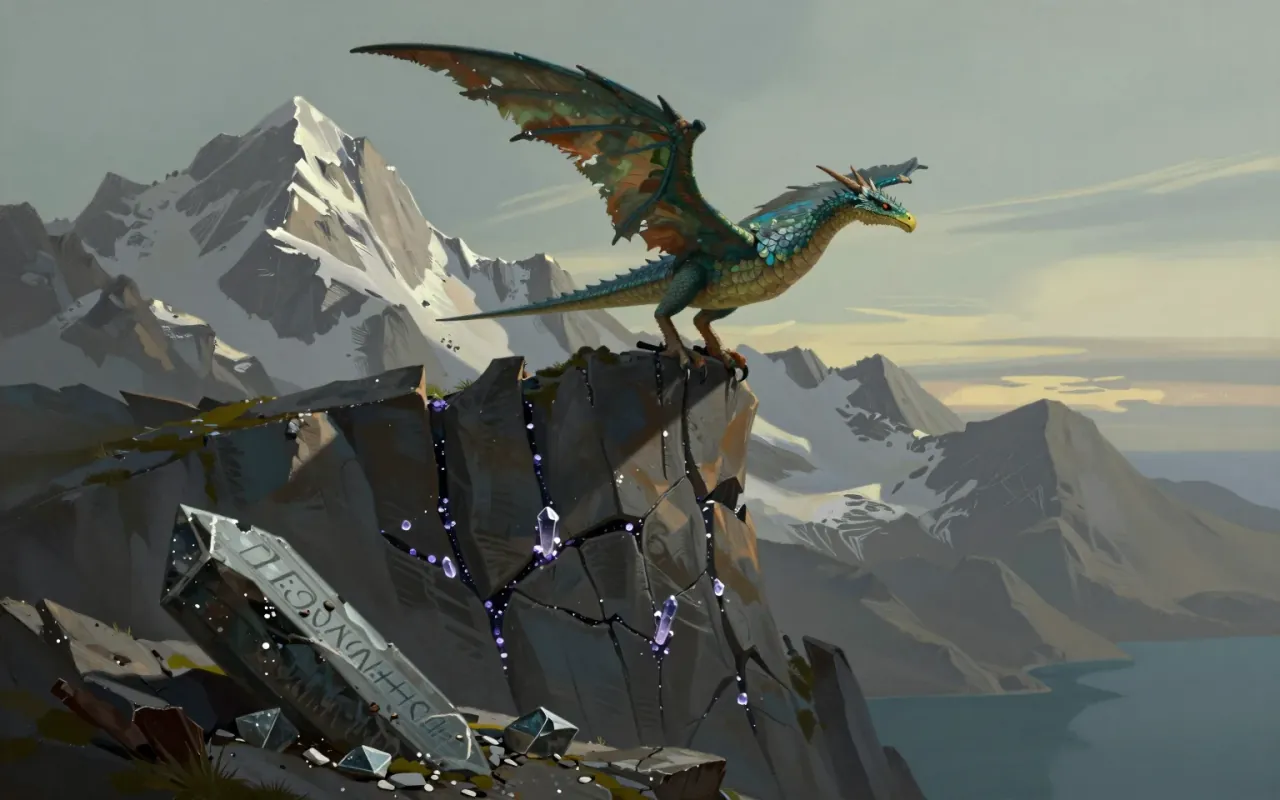
Guild Wars 2 delivers responsive storytelling, dynamic world events, and skill-based combat — all without subscription fees. But its 'living world' relied on scheduled, often temporary content. Its branching narrative lives behind instanced doors. Its ambition outpaced its persistence.

Hatsune Miku: Project Diva is a rhythm game where players press buttons in time with Vocaloid songs across five escalating difficulty levels. Modules — Vocaloid characters or costume variants — appear in music videos depending on song type (solo or duet), but are not controlled. Progression is strictly linear: clearing Normal unlocks Hard, and completing songs unlocks new songs. It was successful in Japan for Sega and linked to their 2010 holographic concert work. No narrative, no multiplayer, no customisation beyond module selection. It asks for timing discipline and rewards it with more timing challenges.
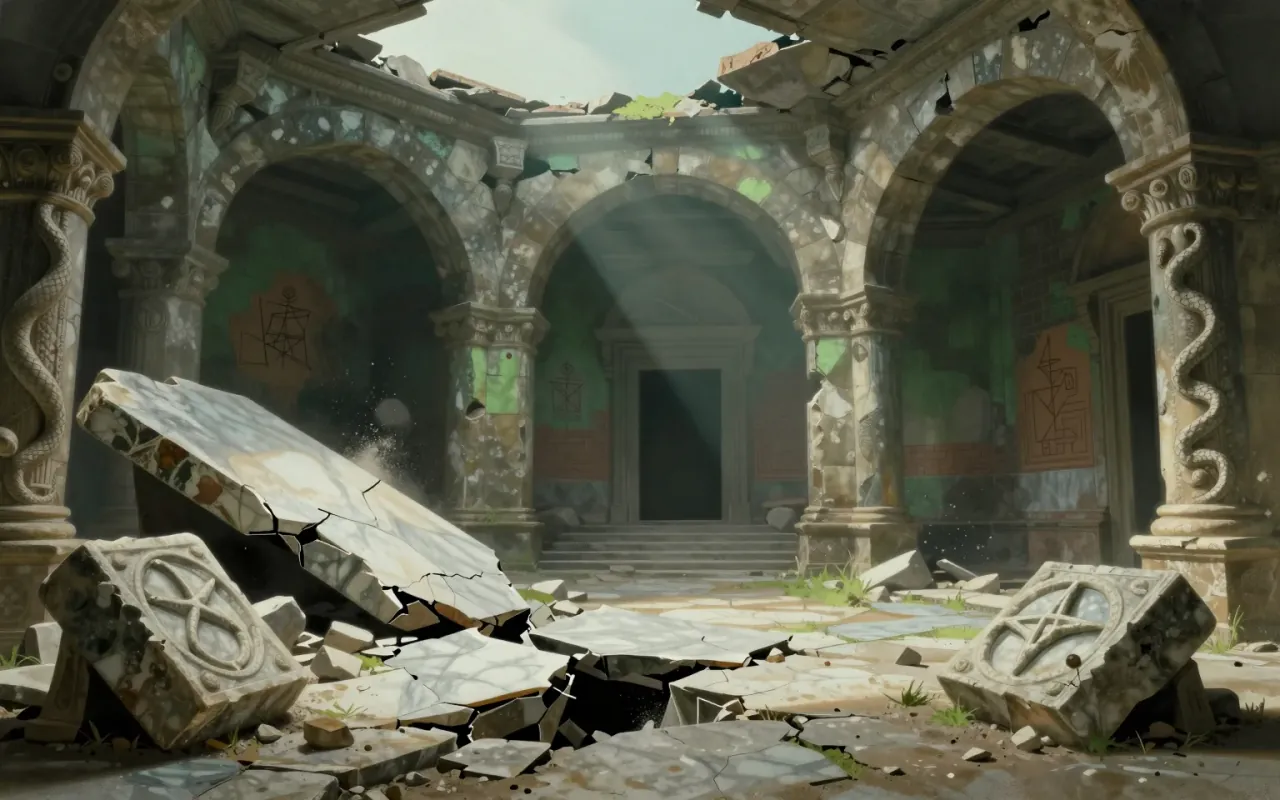
Hexen II is a 1997 first-person shooter built on a modified Quake engine. It is the second sequel in the 'Serpent Riders' trilogy. It features action-adventure and action role-playing elements.
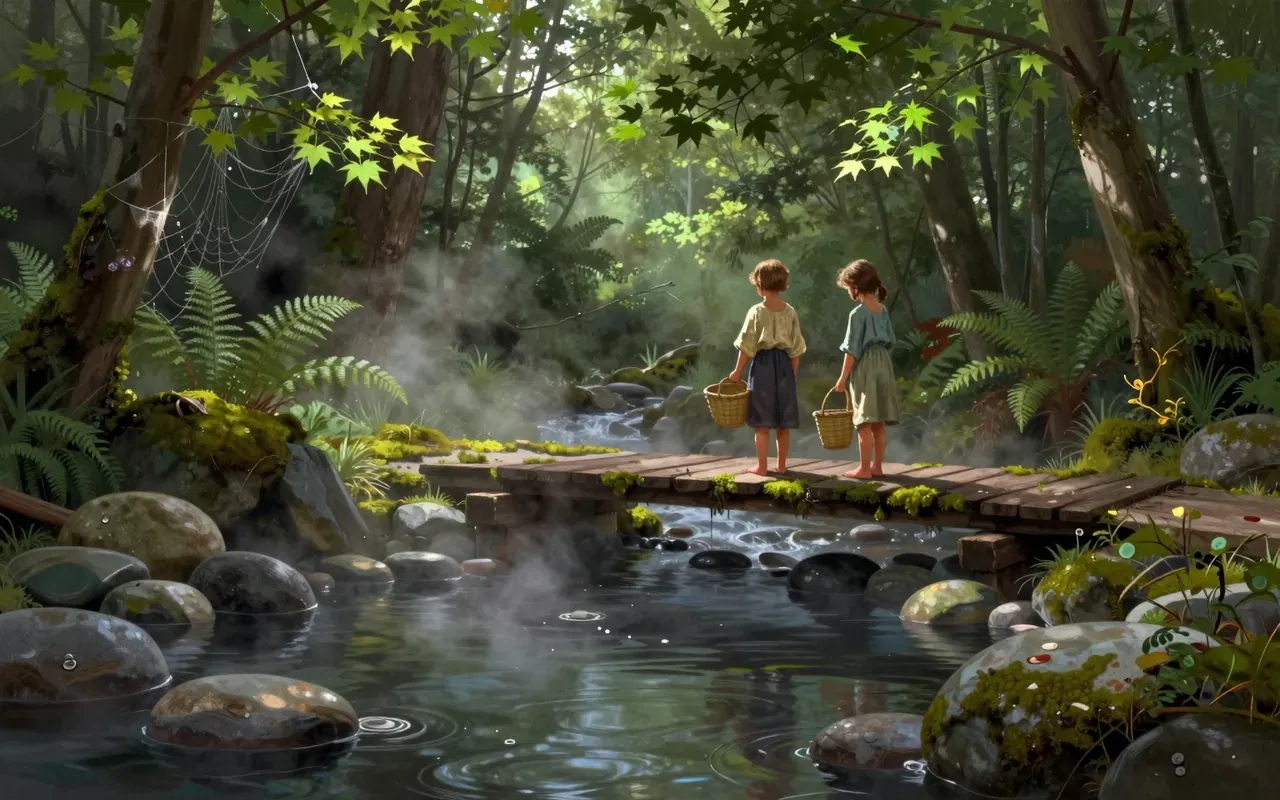
Mother 3 is a Nintendo-published multiplayer RPG. It uses top-down party exploration, rhythm-activated turn-based combat, XP-driven permanent stat growth, equipment-based attribute boosts, hot-spring healing, and frog-mediated saving. Dragon Power serves as late-game battle-earned currency. It offers a tightly authored, environmentally embedded RPG loop—but its most distinctive mechanics arrive late and remain narrowly scoped.
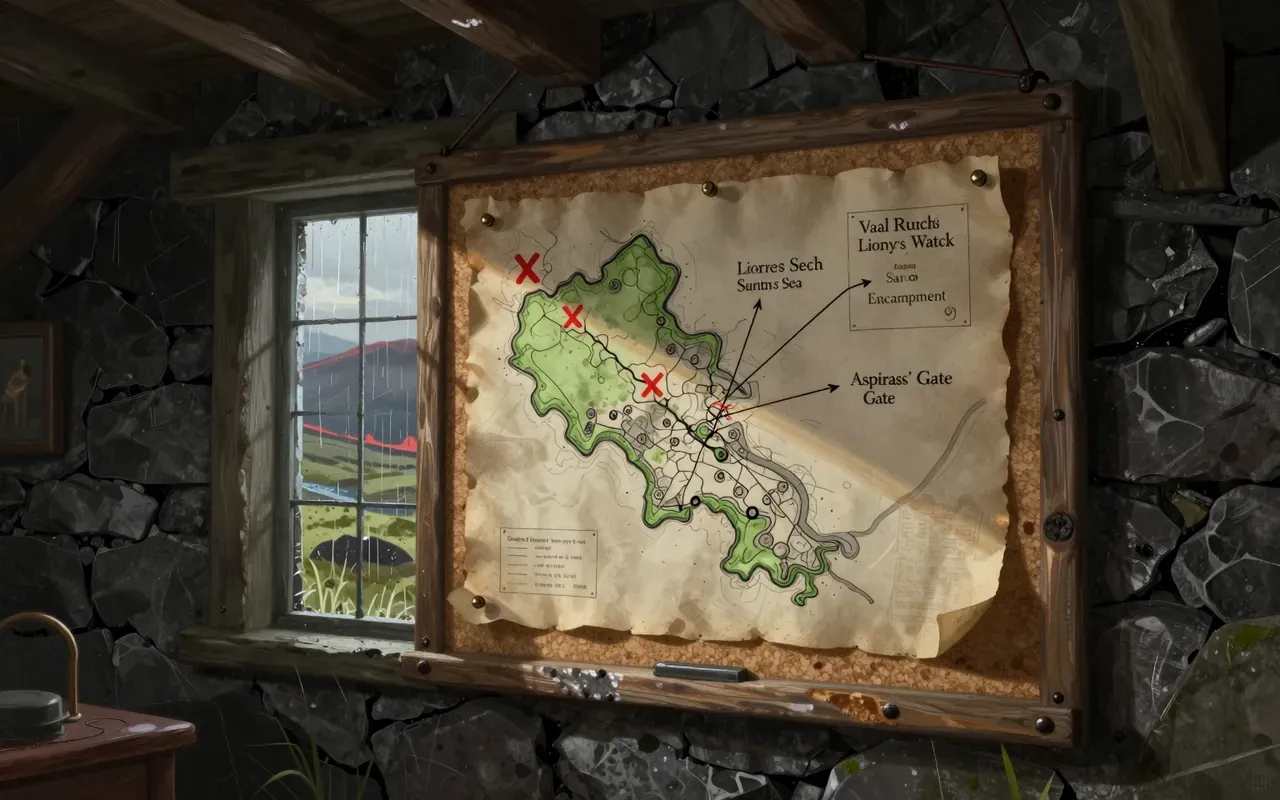
Path of Exile is a systemic ARPG that trades narrative continuity for procedural depth, instanced purity, and build-driven replayability.
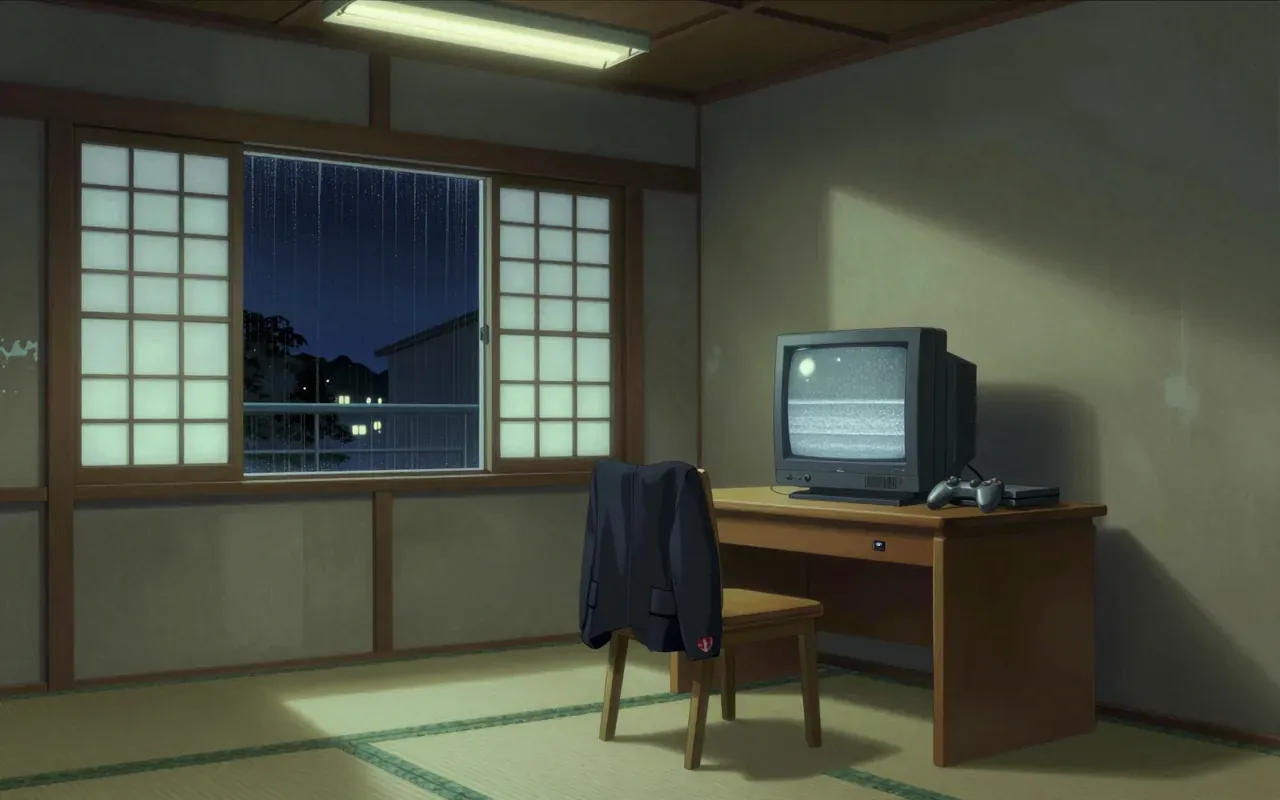
Persona 3 is a PlayStation 2 RPG released by Atlus in 2006. It combines traditional RPG mechanics with simulation elements. The game follows the protagonist, who balances their daily life of going to school and building relationships with others with fighting the monstrous Shadows during the Dark Hour. Each day is divided into daytime and evening segments. Except for scripted events, such as plot progression or special events, the player is free to choose how each day is spent, with most activities causing time to pass. The types of activities and characters that can be interacted with vary depending on the day of the week and time of day. Additionally, some activities are limited by the protagonist's three attributes; Academics, Charm, and Courage, which can be built by performing various activities or making certain correct choices. During the evening, players can choose to visit Tartarus, the game's main dungeon, where they can build their party's experience and gain new items. On the day of the full moon, players will participate in a boss battle to progress the story.

Persona 4 is a PlayStation 2 RPG by Atlus, set in the fictional Japanese countryside town of Inaba in 2011. It divides gameplay between daily life in Inaba and dungeon exploration in the surreal TV World, accessed through televisions. Players manage segmented days—'After School/Daytime' and 'Evening'—with most actions consuming one segment. Evening options vanish after visiting the TV World. Five attributes (Understanding, Diligence, Courage, Knowledge, Expression) gate activities and dialogue, growing through specific real-world actions. Social Links with characters map to the Major Arcana and enhance combat and Persona fusion. Fog appears after consecutive rainy days; failing to rescue a captive before fog triggers a permanent game over requiring reload or rewind. Developed by P-Studio—established in 2006—and directed by Katsura Hashino, it was published and localised for North America by Atlus USA.
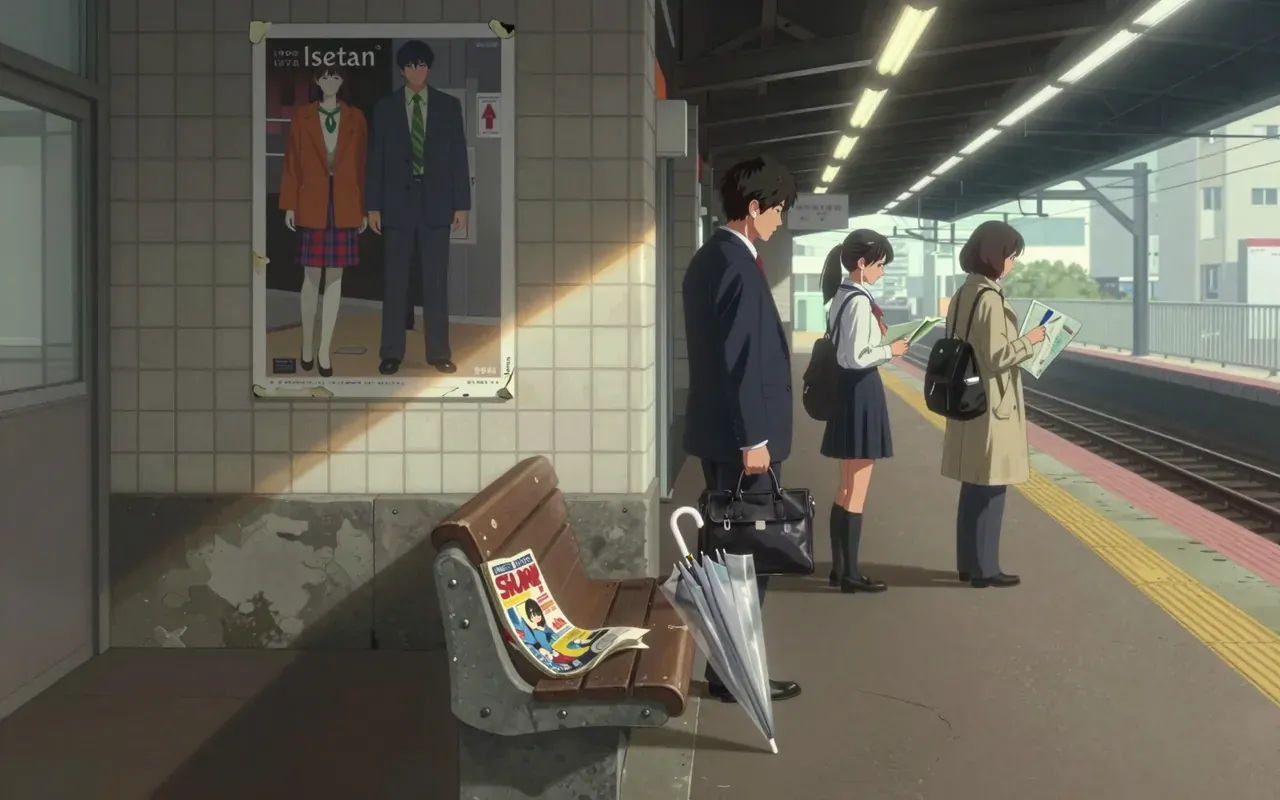
Persona 5 is a Japanese role-playing game developed by P-Studio and published by Atlus in 2016. It simulates one academic year in Tokyo through a rigid day-night cycle, blending social relationship-building (Confidants) with dungeon-crawling in two distinct Metaverse realms: narrative Palaces and procedural Mementos.

Radiant Historia is a tightly authored, system-led RPG where timeline navigation and grid combat are interlocked — not decorative. Its constraints (DS hardware, reset enemy positions, fixed branches) are visible, consistent, and consequential. It asks for attention to sequence, spatial relationships, and cause-and-effect — not endurance or memorisation.
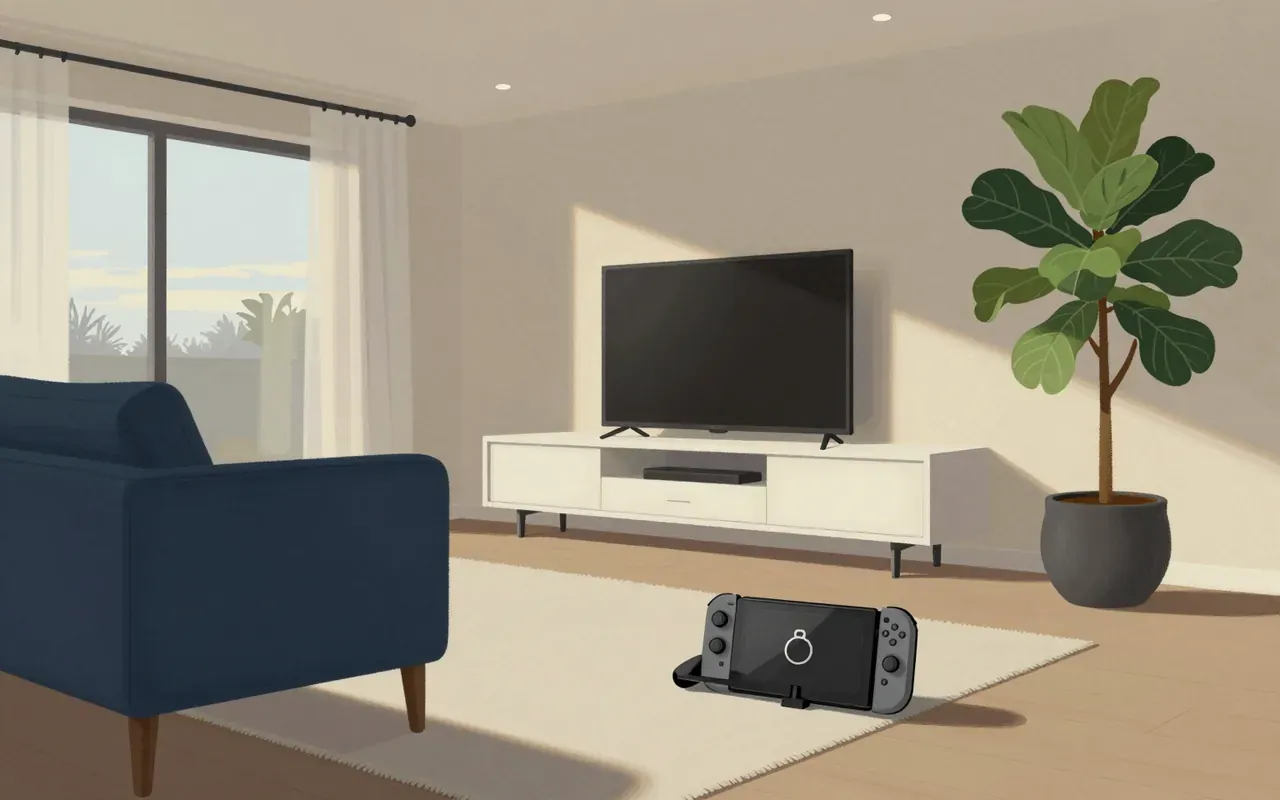
Ring Fit Adventure is an exercising role-playing video game developed and published by Nintendo for the Nintendo Switch. It requires two physical components—the Ring-Con and the Leg Strap—to translate real-world movement and strain into in-game actions. Its main mode is a turn-based RPG where overworld navigation (running in place, jumping via Ring-Con squeeze-and-release) and combat (exercise-based attacks, abdominal press defence) are fully dependent on those accessories. Exercises are colour-coded by target muscle group: red for arms, blue for legs, yellow for core, green for yoga. The design prioritises embodied routine over mechanical depth or narrative ambition.

Shin Megami Tensei II is a first-person, post-apocalyptic RPG for the Super Famicom, developed by Atlus’s Creative Department 1st Production (Team Maniax). It uses lunar phase to gate demon negotiation, law/chaos/neutrality alignment to shape story and recruitment, and fusion with inheritance and accident mechanics to build party composition. It demands system literacy, tolerates opacity, and rewards consistent alignment play.
Shin Megami Tensei III: Nocturne is a PlayStation 2 RPG developed by Atlus and directed by Katsura Hashino. Released in 2003, it was the first main-series Megami Tensei game released in the United States (2004). Its design centres on a weakness-driven 'Press Turn' battle system, demon negotiation and fusion, and navigation across a symbolic 2D world map and grid-based 3D dungeons with automatic mapping and first-person 'Look' functionality. It sets difficulty at the start (Normal or Hard) and features a silent protagonist named during the opening.
Star Wars: The Old Republic is BioWare’s first MMORPG. It launched in 2011. It is built around eight faction-locked classes, each with a three-act, level-gated storyline. Players choose Republic or Sith Empire but can align morally anywhere on the light/dark spectrum. Advancement comes through missions, exploration, and combat. Skills unlock automatically. Heroic missions require multi-player cooperation and reset daily. Player choices permanently alter storylines and affect NPC companions. All dialogue is fully voiced and uses a Mass Effect–style system. BioWare Austin was founded in March 2006 specifically for this project, with assistance from BioWare Edmonton. In 2023, BioWare Austin handed the game to Broadsword Online Games.
Tactics Ogre is a tightly wound tactical RPG where turn order is dynamic, consequence is immediate, and narrative choice reshapes the world physically and morally.
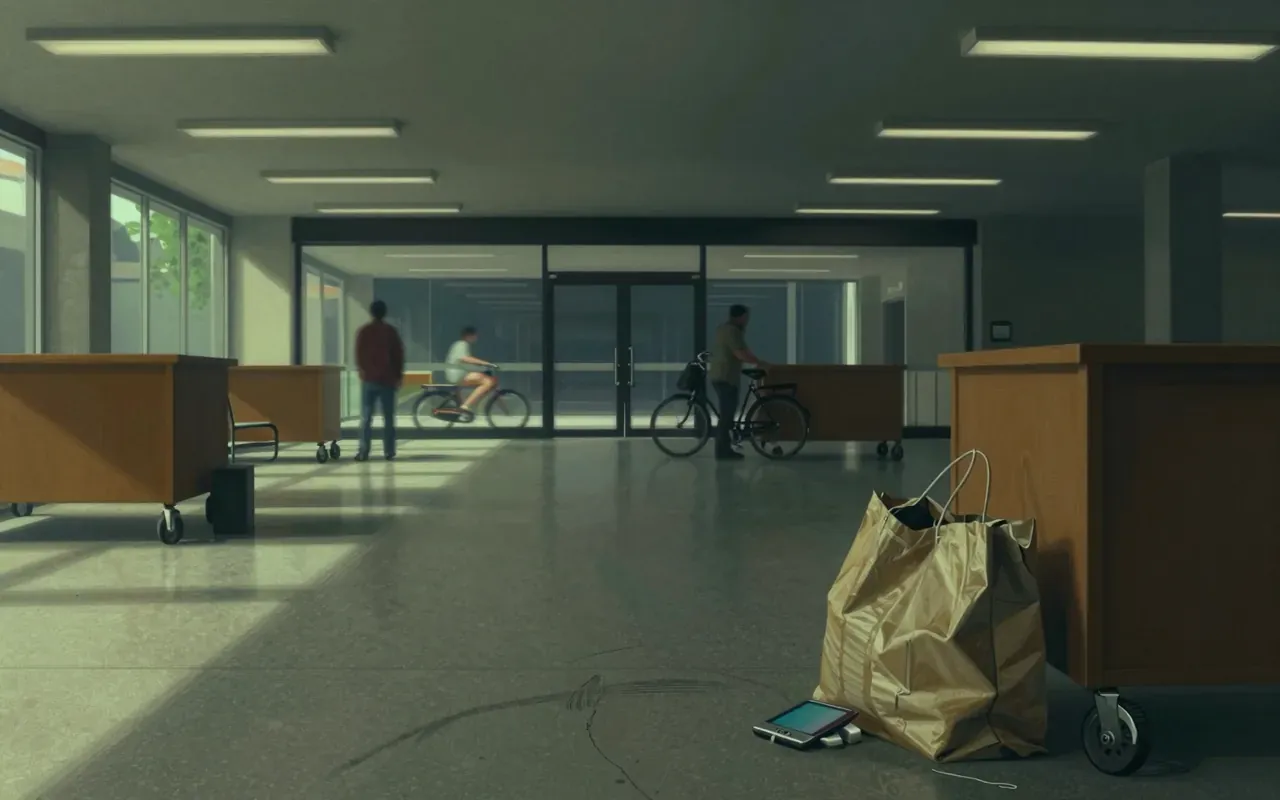
A DS-native action RPG where combat, exploration and narrative all hinge on using both screens at once — scanning crowds, syncing attacks, and satisfying Reaper-imposed gates in Shibuya.
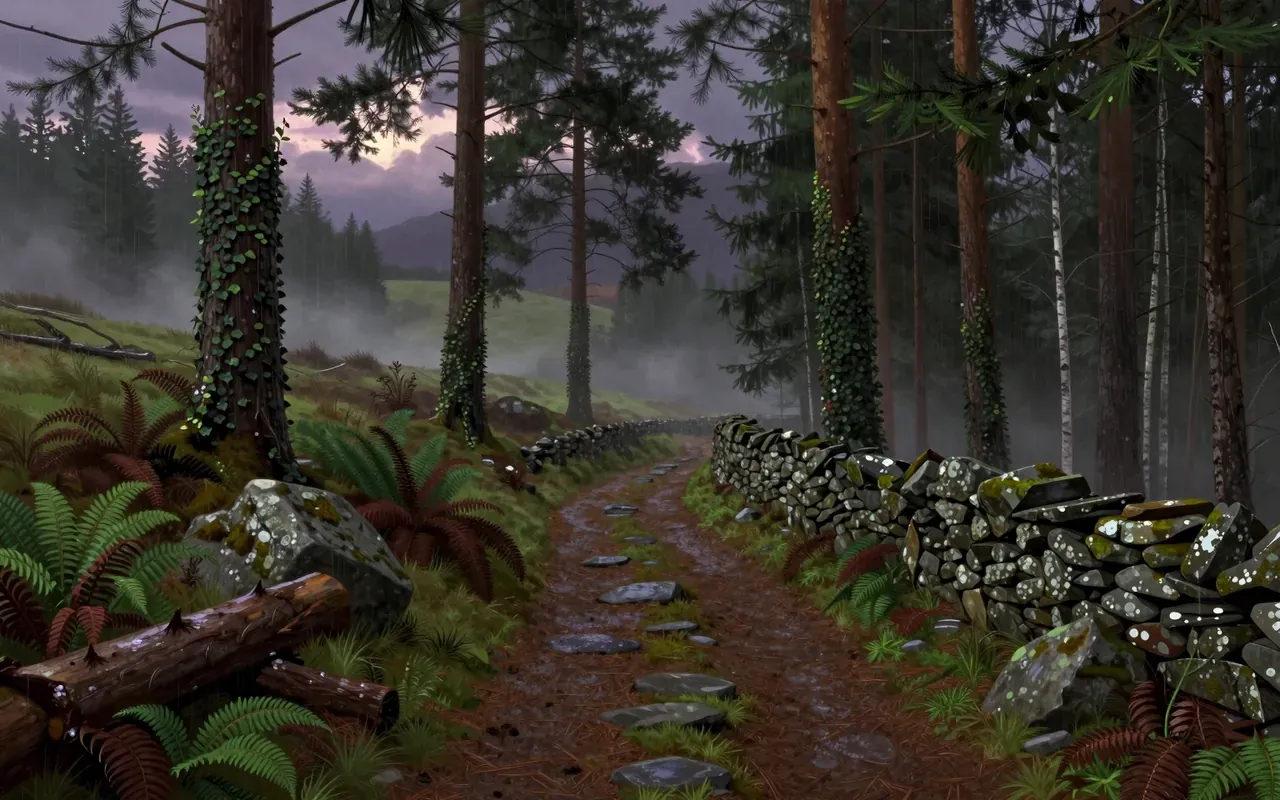
Torchlight II refines the ARPG loop with class-driven builds, overland pacing, and co-op—but ships with brittle networking and zero narrative weight. It works because it knows its limits.
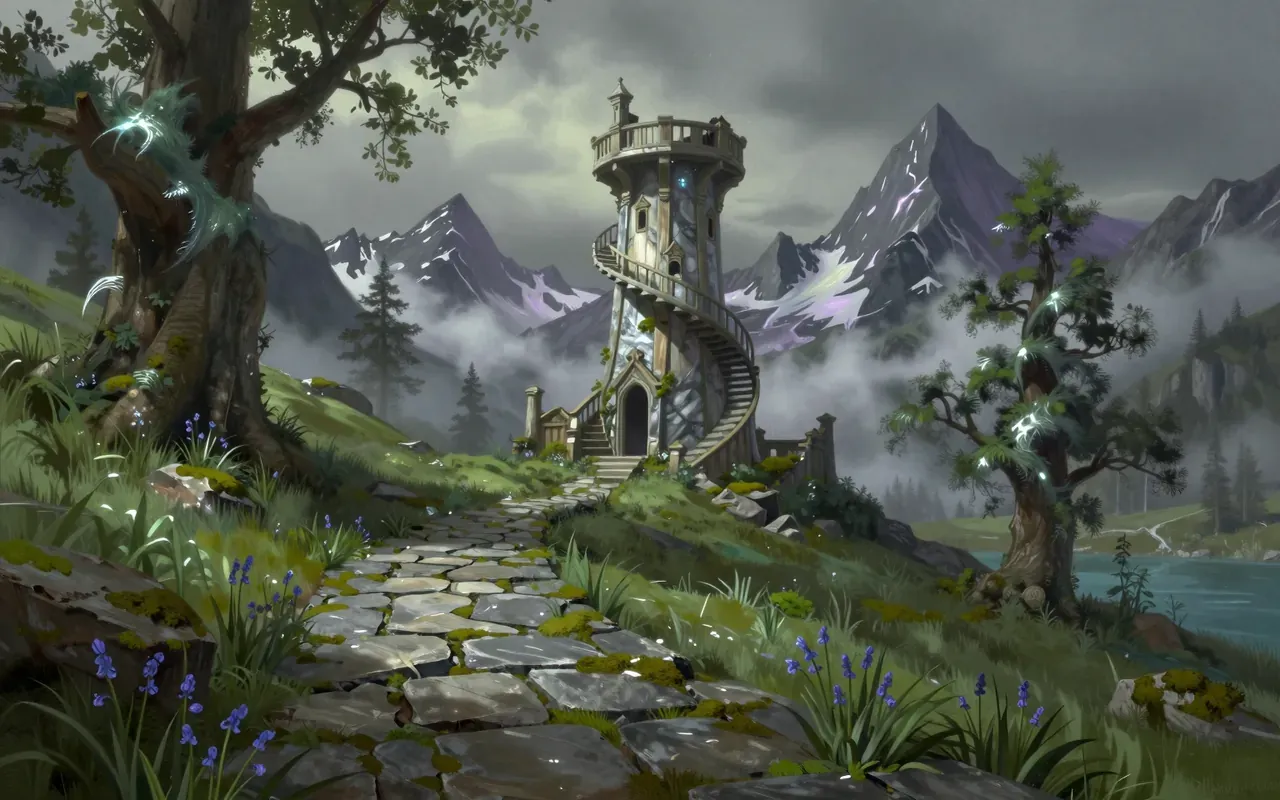
World of Warcraft is a persistent, factioned, realm-based MMORPG where progression is linear, social coordination is structural, and player agency is bounded by scheduled content and systemic repetition. It launched in North America on November 23, 2004, and is managed by Blizzard’s Team 2.
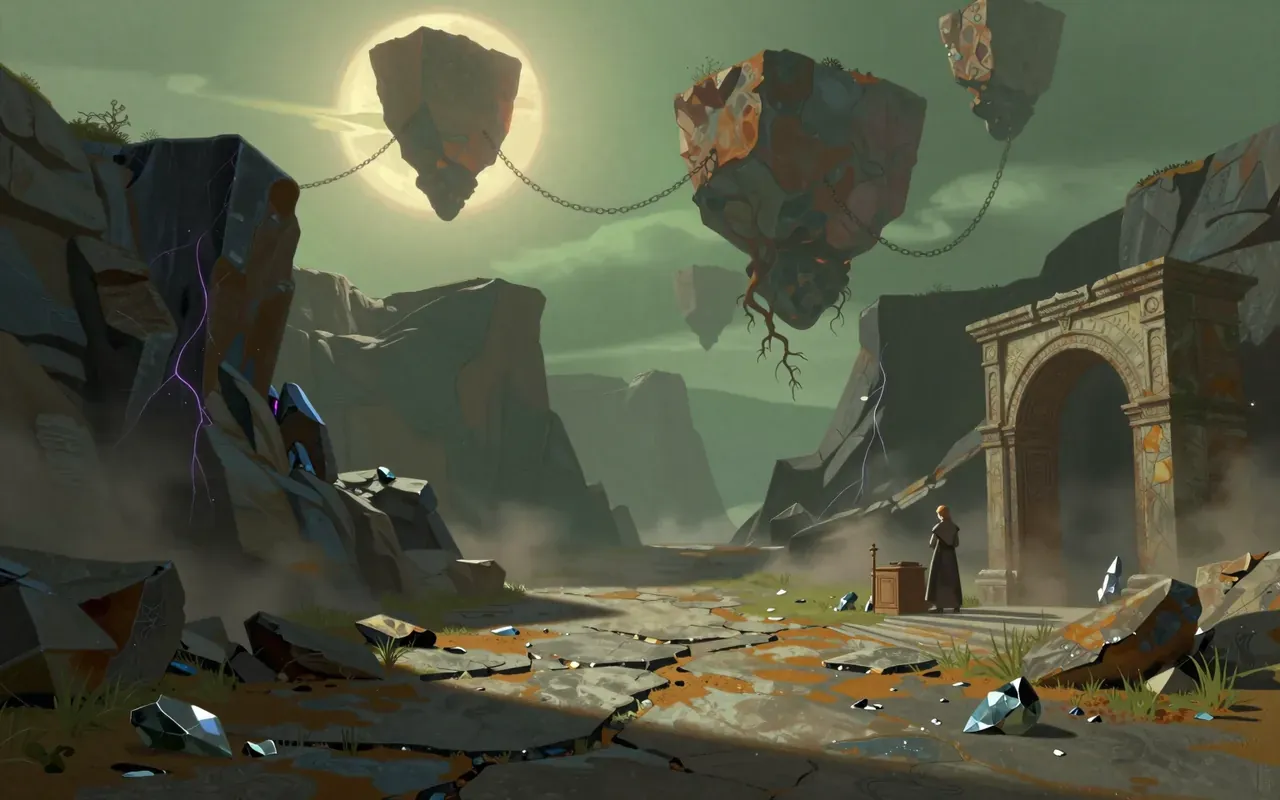
World of Warcraft: The Burning Crusade is a functional, tightly gated expansion — not a reinvention. It delivers new content strictly within the base game’s architecture, adding constraints as often as capabilities. Its value is proportional to your existing investment in World of Warcraft.

World of Warcraft: Wrath of the Lich King is the second expansion for Blizzard’s MMORPG World of Warcraft, set in the frozen continent of Northrend and centred on confronting the Lich King.
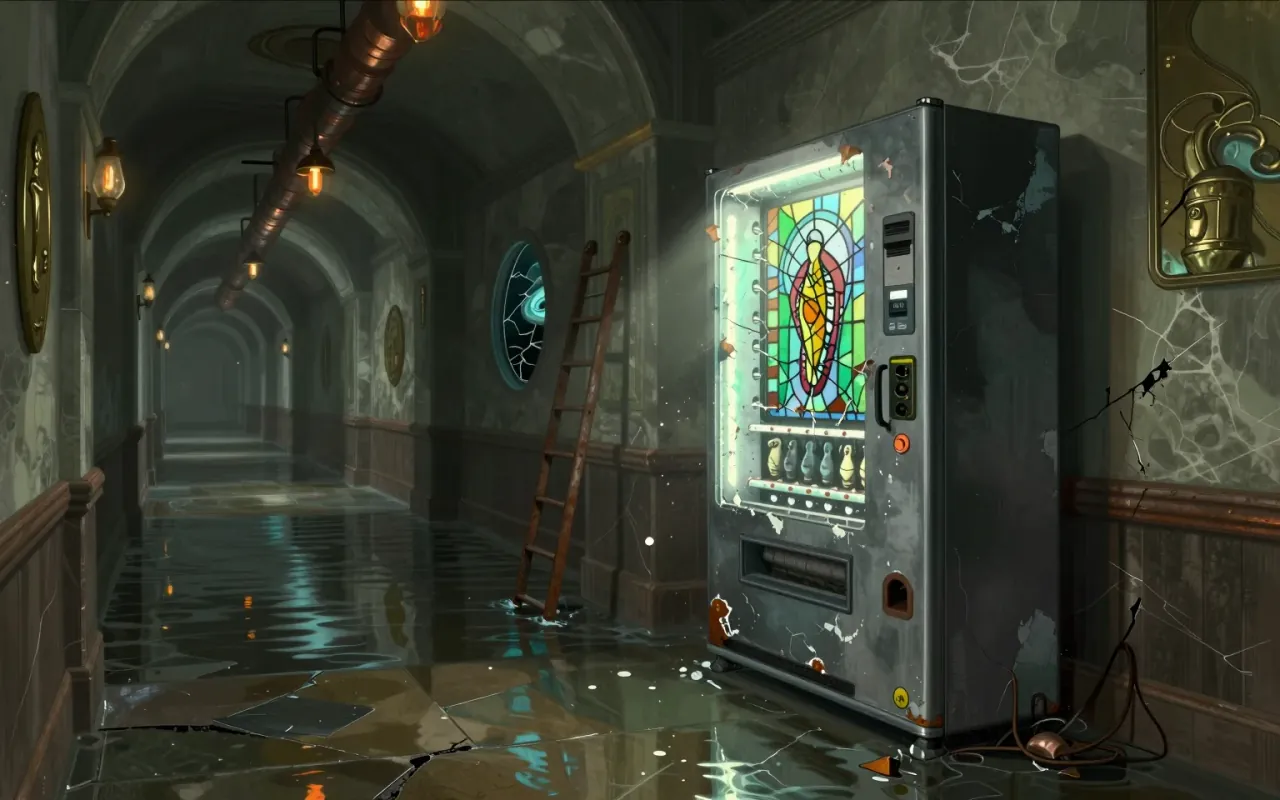
BioShock is a first-person shooter with role-playing customisation and stealth elements. You play as silent protagonist Jack, guided through Rapture toward objectives. You battle enemies using traditional weapons and plasmids—magic-like superpowers that consume EVE and can unlock new areas. Weapons are upgraded at scattered stations and fitted with varied ammo. Health is tracked and restored with consumables. Plasmids grant superpowers like fire or electricity, and can unlock new areas by melting ice or tripping locks. Using plasmids requires EVE, replenished via hypos or consumable food and drink. The player has a health meter that decreases when they take damage and can restore it with food or medical packs found throughout Rapture.
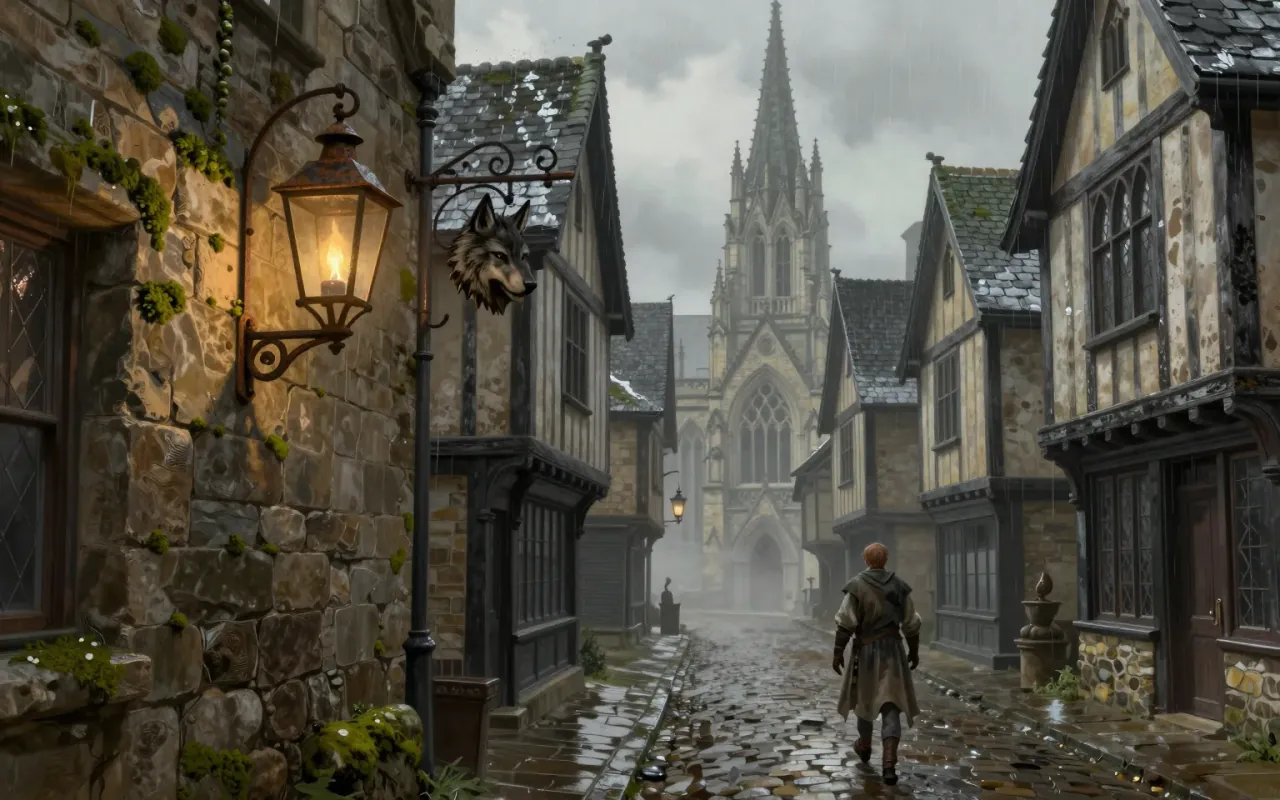
Bloodborne is a third-person action role-playing game developed by FromSoftware and directed by Hidetaka Miyazaki. Released in 2015, it belongs to the Soulsborne subgenre. Players control a customizable Hunter exploring the interconnected Gothic city of Yharnam, engaging in aggressive, strategic combat with trick weapons and firearms. Progression hinges on lamp checkpoints, resource management (Blood Echoes, Insight), and environmental storytelling. Combat emphasises dodging, counterattacking, and close-range aggression. The game’s structure rewards repeated exploration and spatial memory. It offers no narrative hand-holding — story emerges through item descriptions, NPC interactions, and architectural cues.
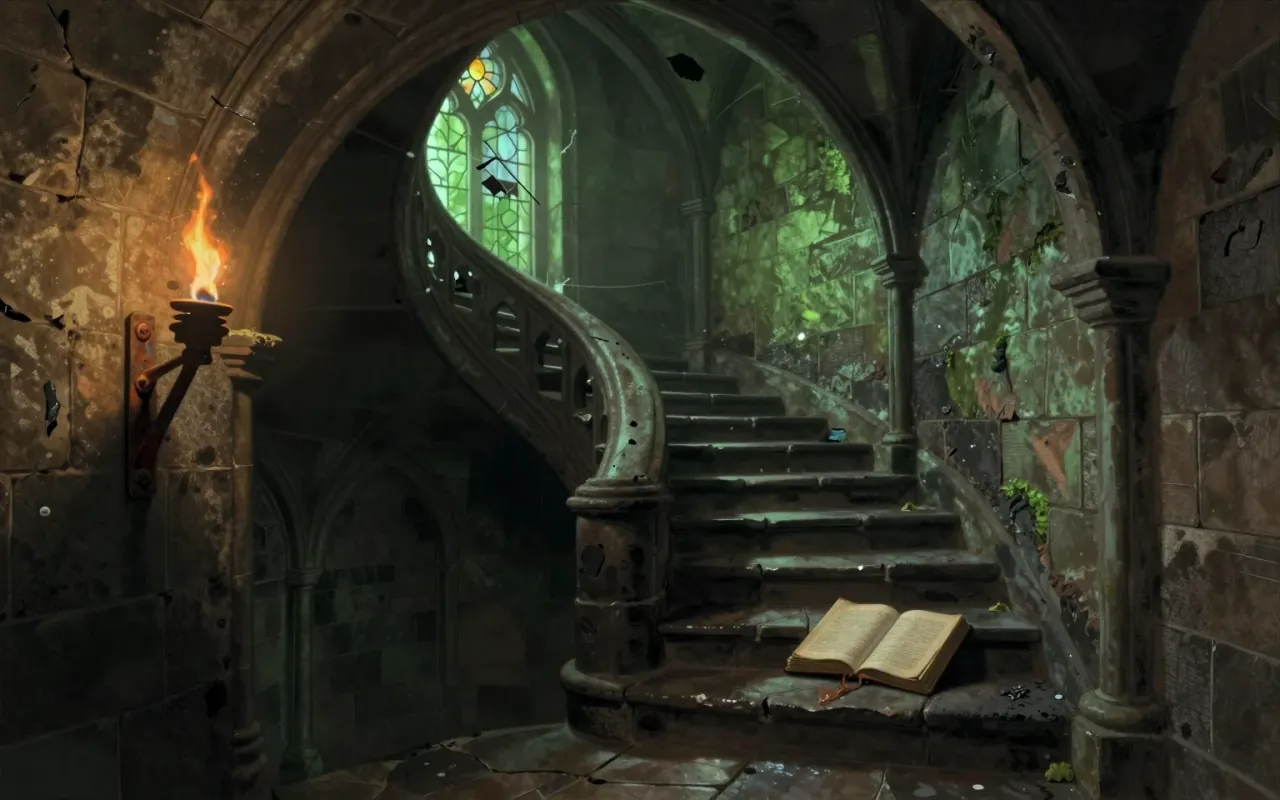
Castlevania: Symphony of the Night restructures the action genre around exploration, transformation, and consequence. It replaces linearity with layered access. It replaces exposition with environmental logic. It replaces certainty with discovery — and demands the player pay attention.
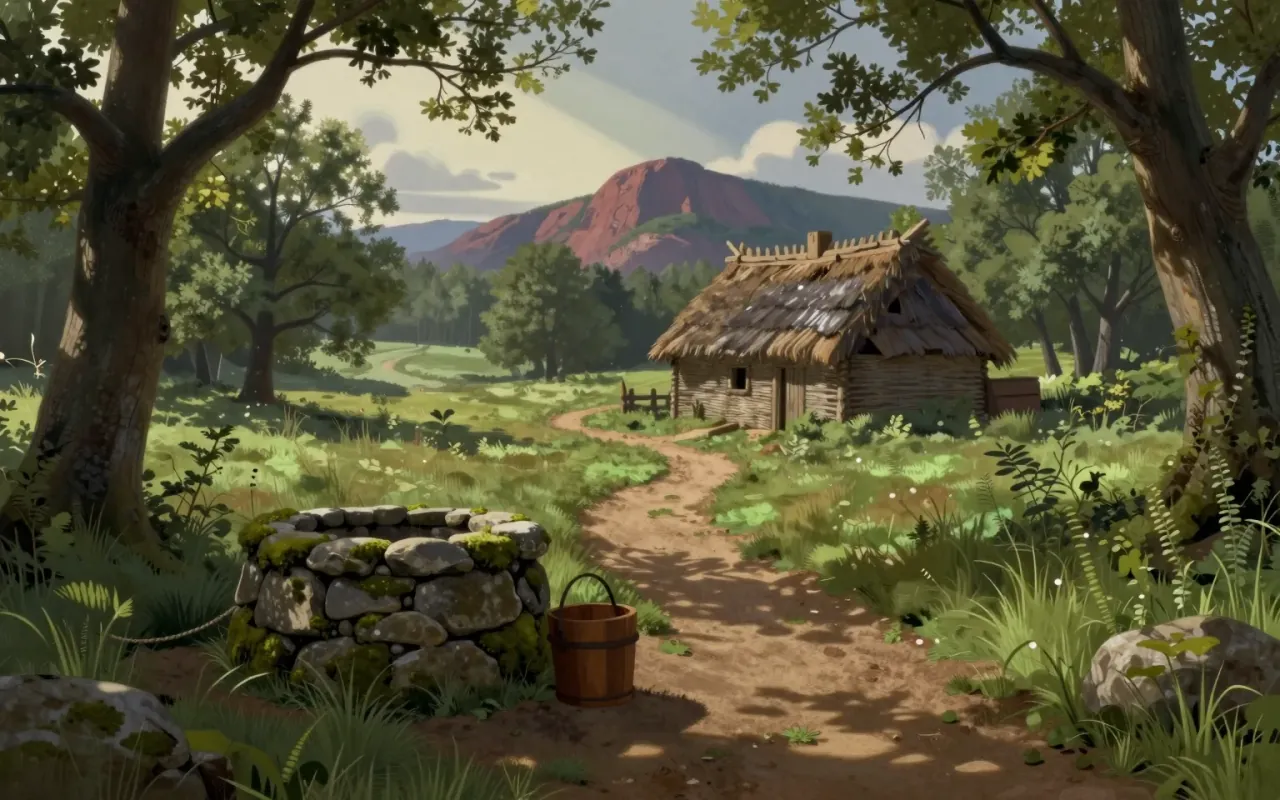
Chrono Trigger is a 1995 turn-based RPG by Square that integrates combat into its field maps, replaces random encounters with visible or ambush enemies, and maintains clear, direct cause-and-effect in hit point management.
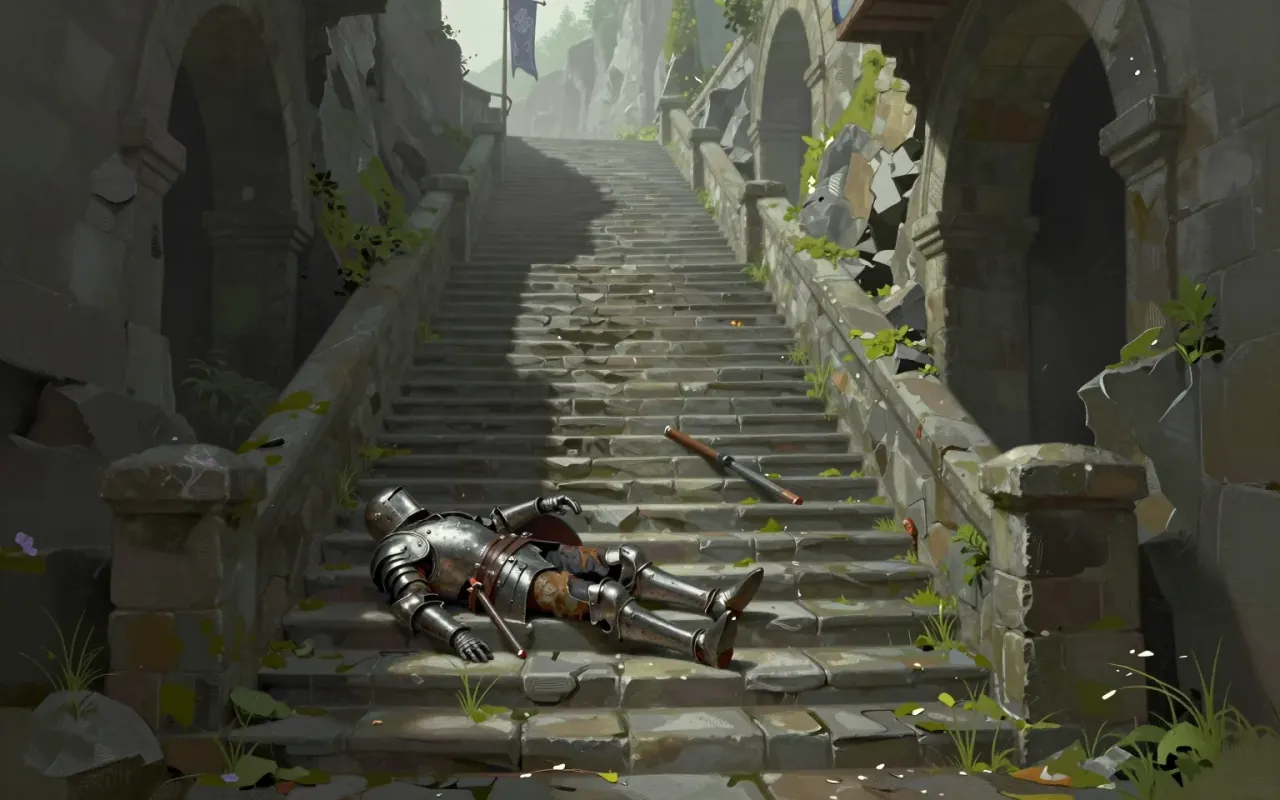
A precise, unforgiving action-RPG where every decision carries weight, every death has consequence, and every bonfire is both sanctuary and checkpoint.
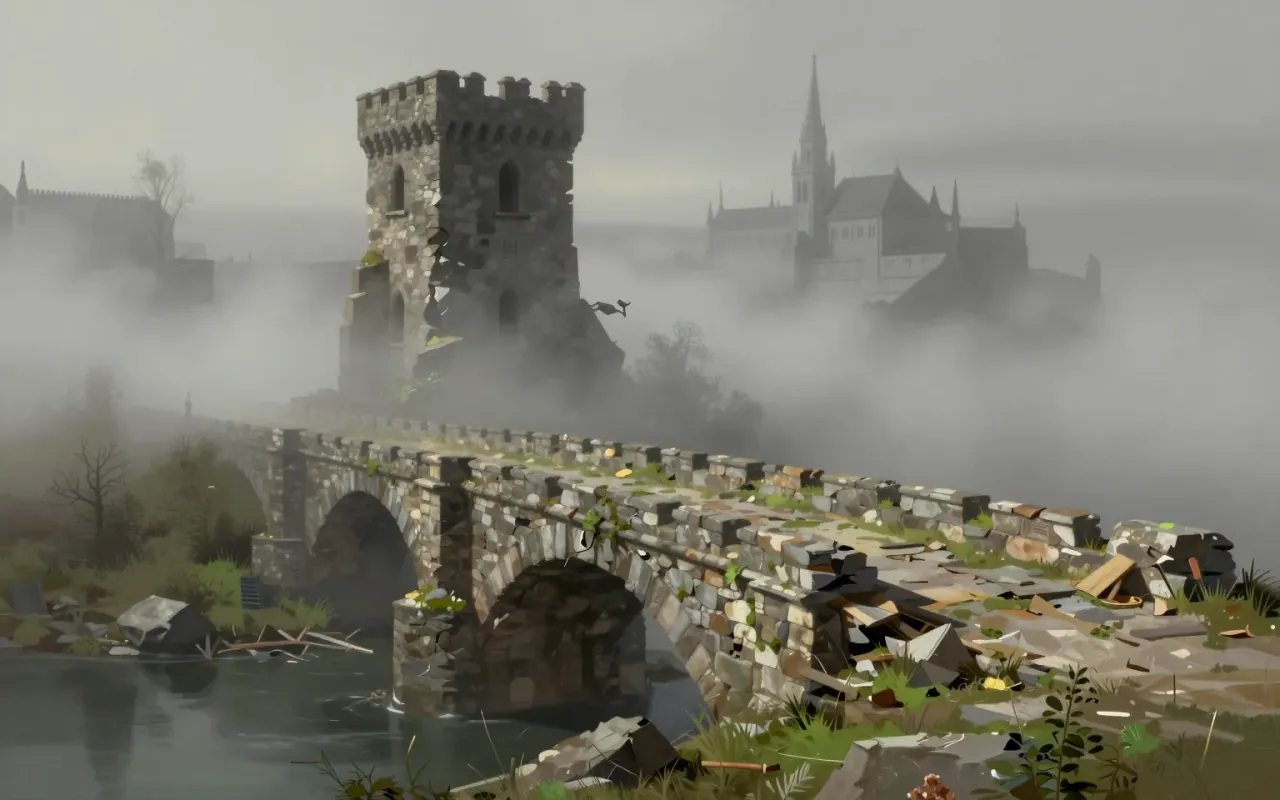
A punishing, systemic RPG where stamina, souls, and silence do all the talking.
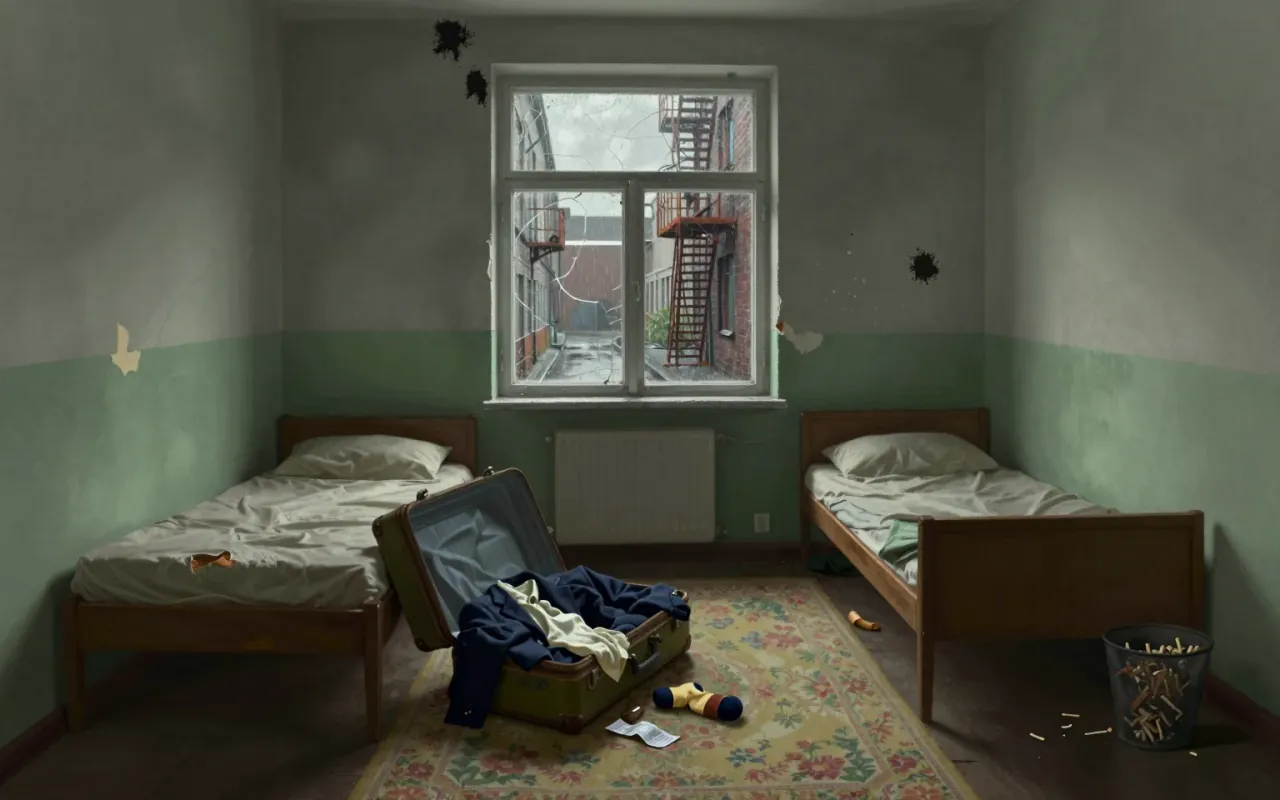
Disco Elysium is a narrative RPG where dialogue and skill checks replace combat. Its 24 skills — grouped under Intellect, Psyche, Physique, and Motorics — speak autonomously during interactions. Checks use two six-sided dice and can trigger negative effects or quirks. Clothing modifies skills. The Thought Cabinet lets players internalise thoughts over in-game hours, granting benefits but occasionally drawbacks.
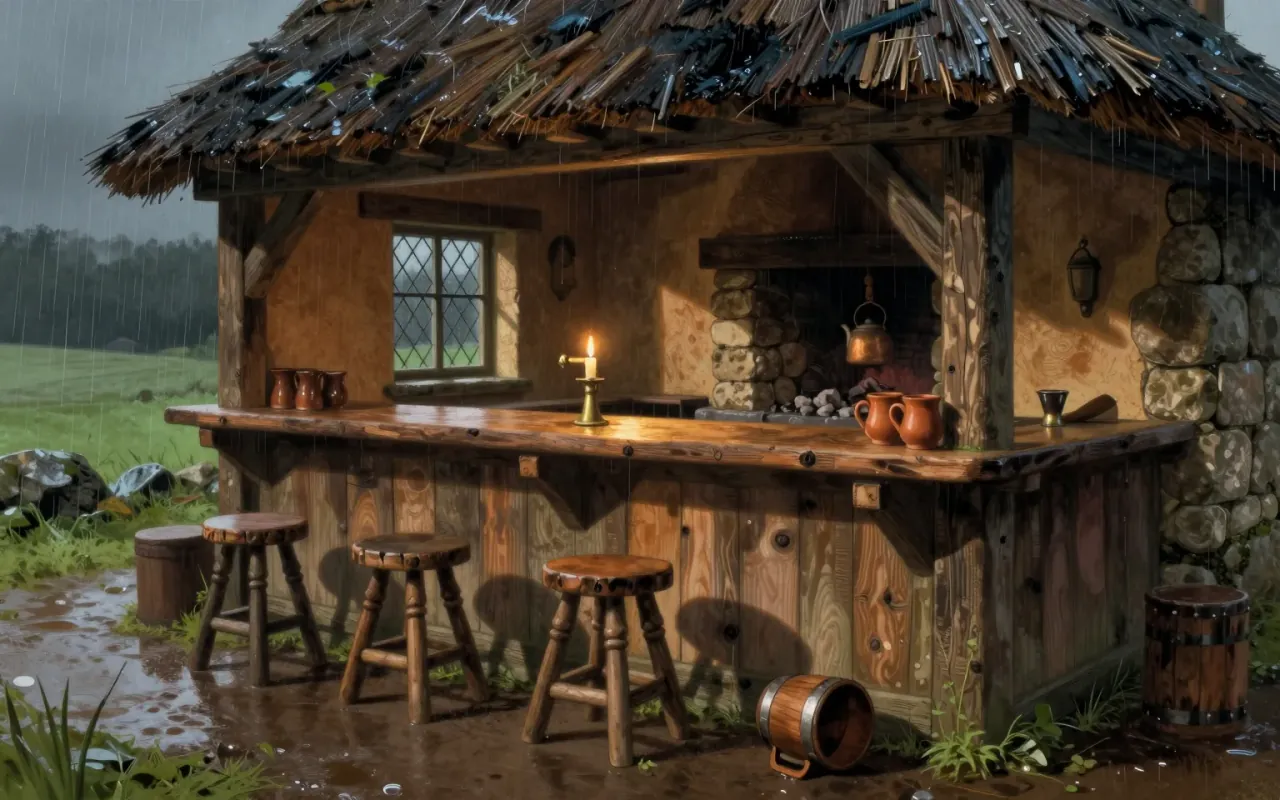
Dragon Quest III establishes foundational RPG structure — open-world traversal, class-based party building, day/night gating, turn-based combat, and experience-driven progression — all built on hardware constraints that shaped its rhythms and rules.
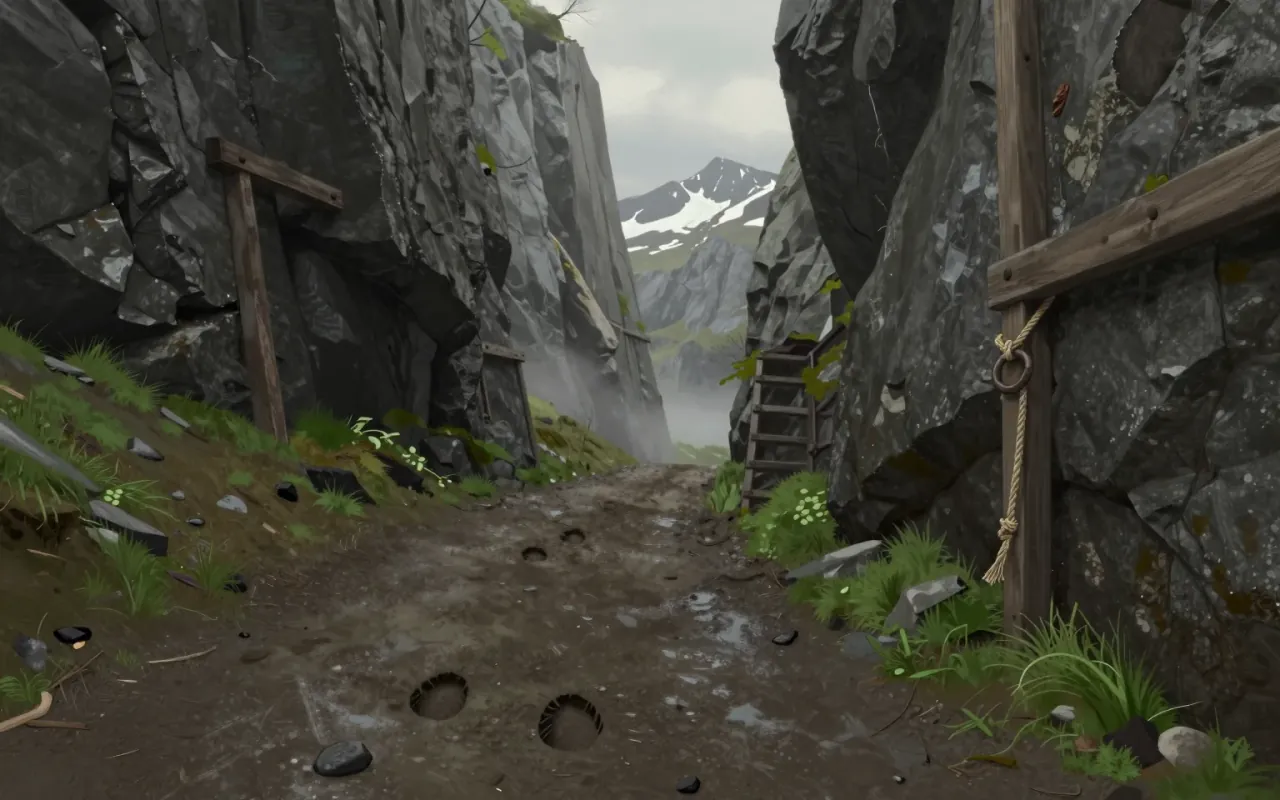
Elden Ring is a third-person open-world action RPG developed by FromSoftware and released in 2022. Players explore six main areas on horseback, engage in melee or ranged combat, use stealth, upgrade attributes at sites of grace using runes, and participate in online co-op or PvP.
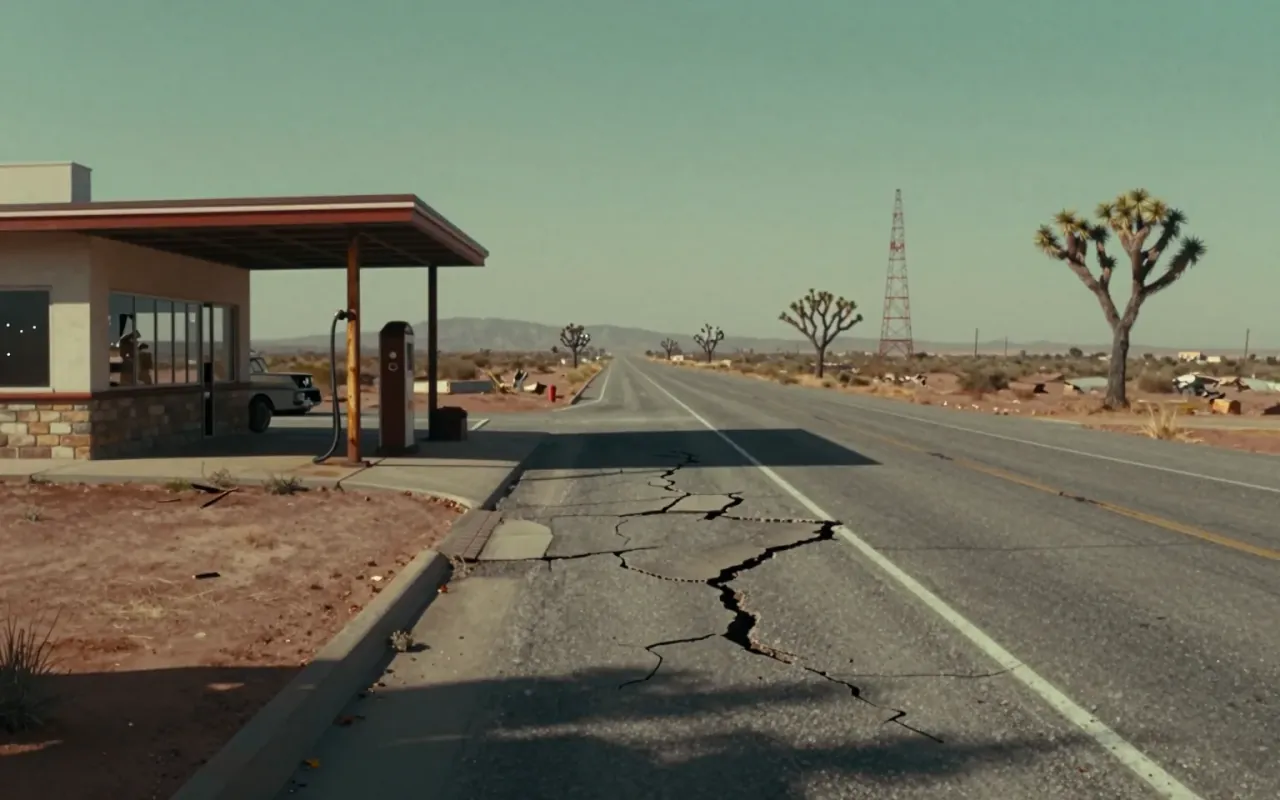
Fallout 2 is a role-playing video game developed by Black Isle Studios in 1998. It is a direct sequel built on the same engine and design philosophy as its predecessor. It is not the origin of the Fallout series — Black Isle did not create the original Fallout, though many of its founding members came from that team.
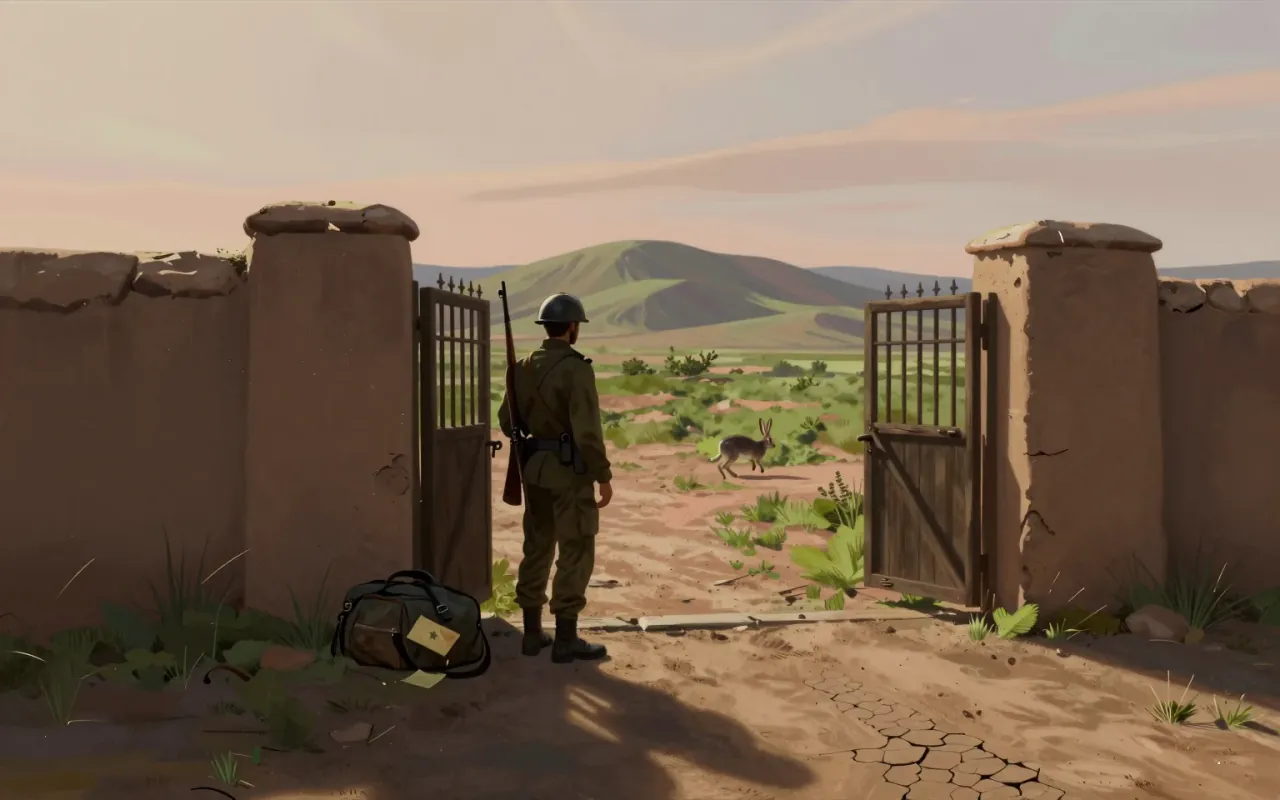
Fallout: New Vegas is a licensed action role-playing game released in October 2010 by Obsidian Entertainment and published by Bethesda Softworks. It features dual-perspective gameplay, an open-world structure, VATS-based combat, branching dialogue trees, companion recruitment, and deep character customization via SPECIAL attributes and skill allocation—all set in a post-apocalyptic Mojave Desert.
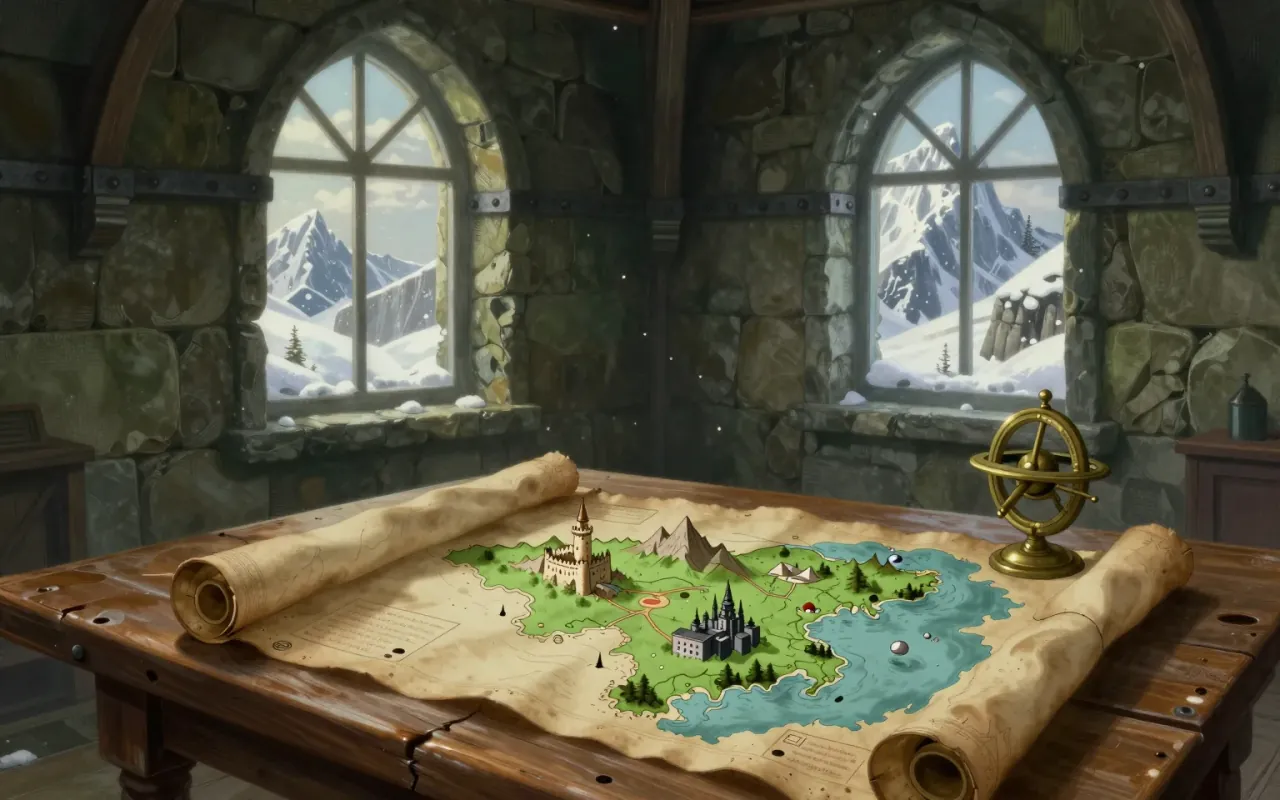
Final Fantasy VI is a role-playing game for the Super Nintendo Entertainment System developed and published by Square. Its gameplay is structured around four basic modes: overworld map, town and dungeon field maps, battle screen, and menu screen. The overworld map is a scaled-down representation of the game world used for directing characters to locations, with travel primarily by foot, chocobo, or airship. Enemies are randomly encountered on field maps and the overworld when traveling by foot, except in plot-driven cases. The menu screen is used to configure the traveling party, equipment, learned magic, and gameplay settings, and also tracks experience points and character levels. Plot progression occurs as the player moves through towns and dungeons, where town citizens provide helpful information and some operate item or equipment shops.
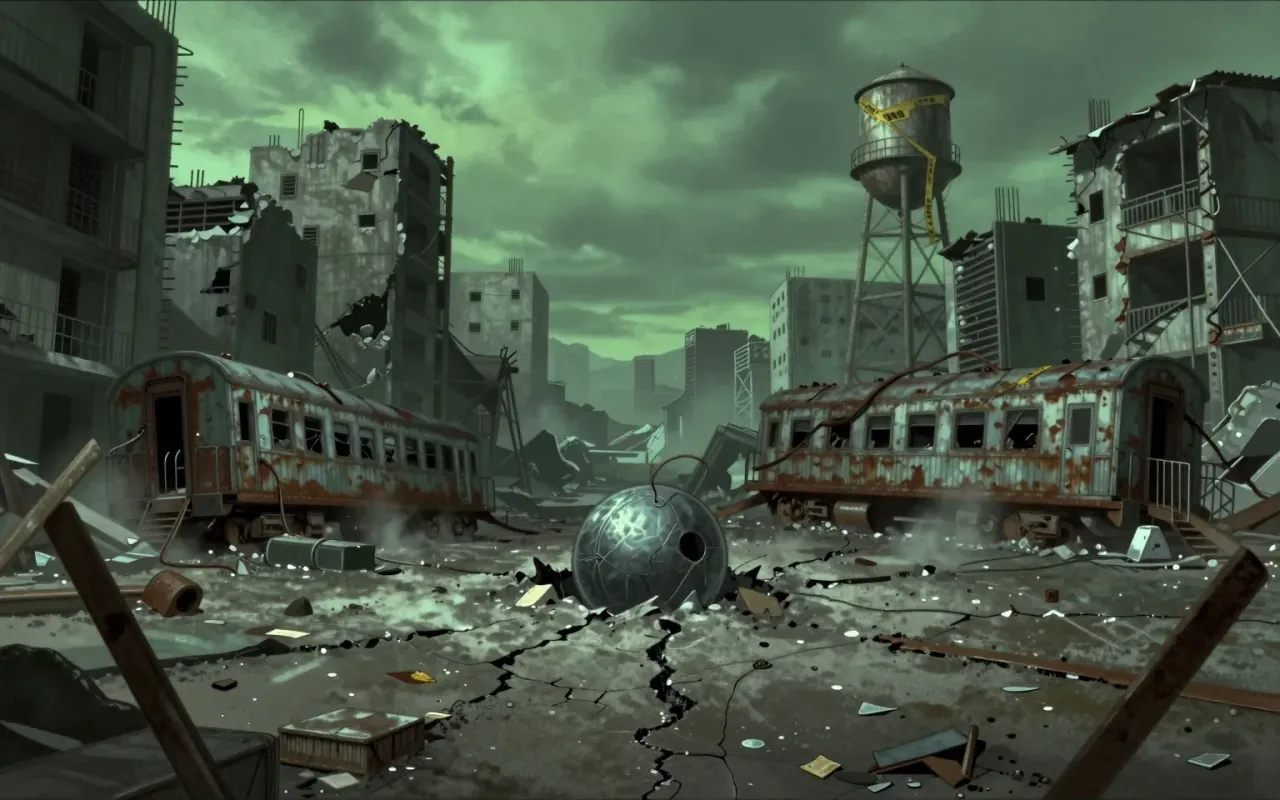
Final Fantasy VII is a foundational 3D JRPG that replaces free movement with narrative-gated spatial modes. Its innovation lies in structural clarity—not immersion.
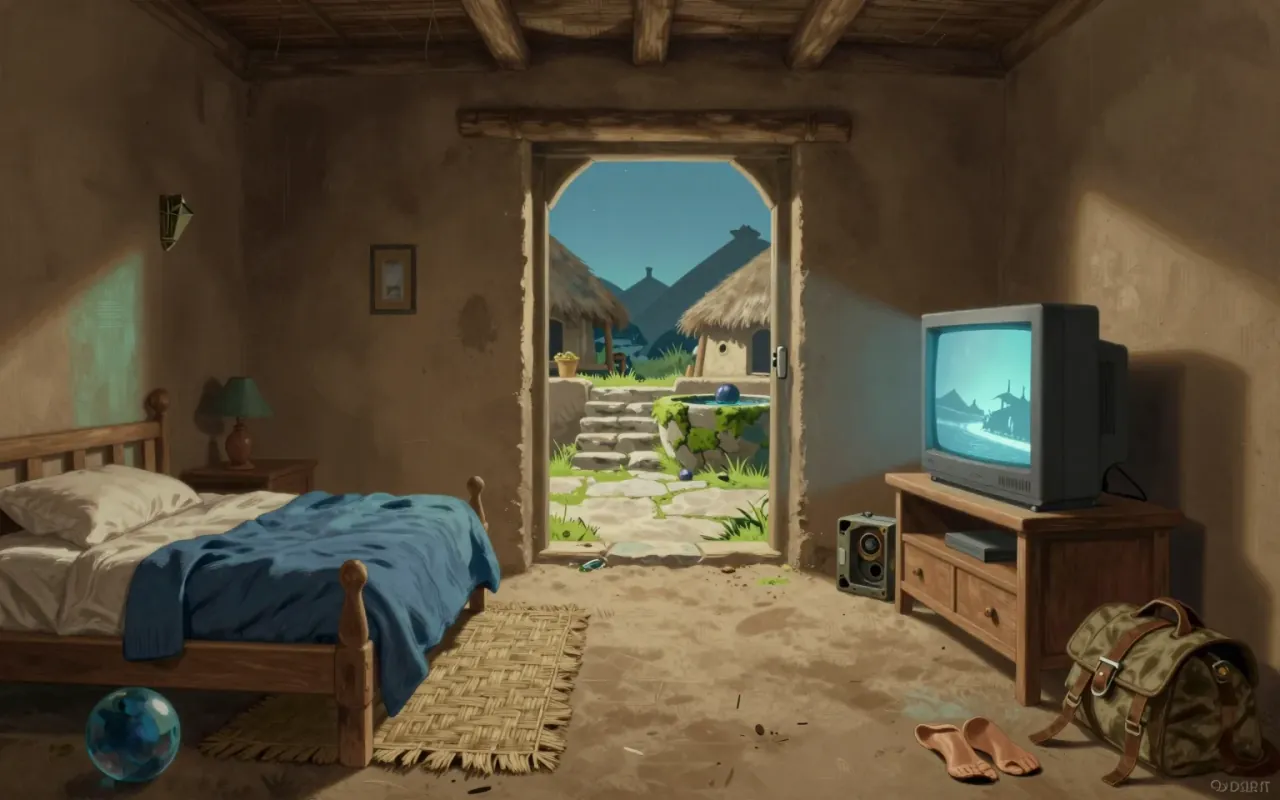
Final Fantasy X (2001) is a PlayStation 2 RPG by Square that replaces the Active Time Battle system with the Conditional Turn-Based Battle system, abandons traditional leveling for the Sphere Grid, redefines summoning via persistent Aeons, and implements interactive Overdrives. It runs on a continuous 3D world map.
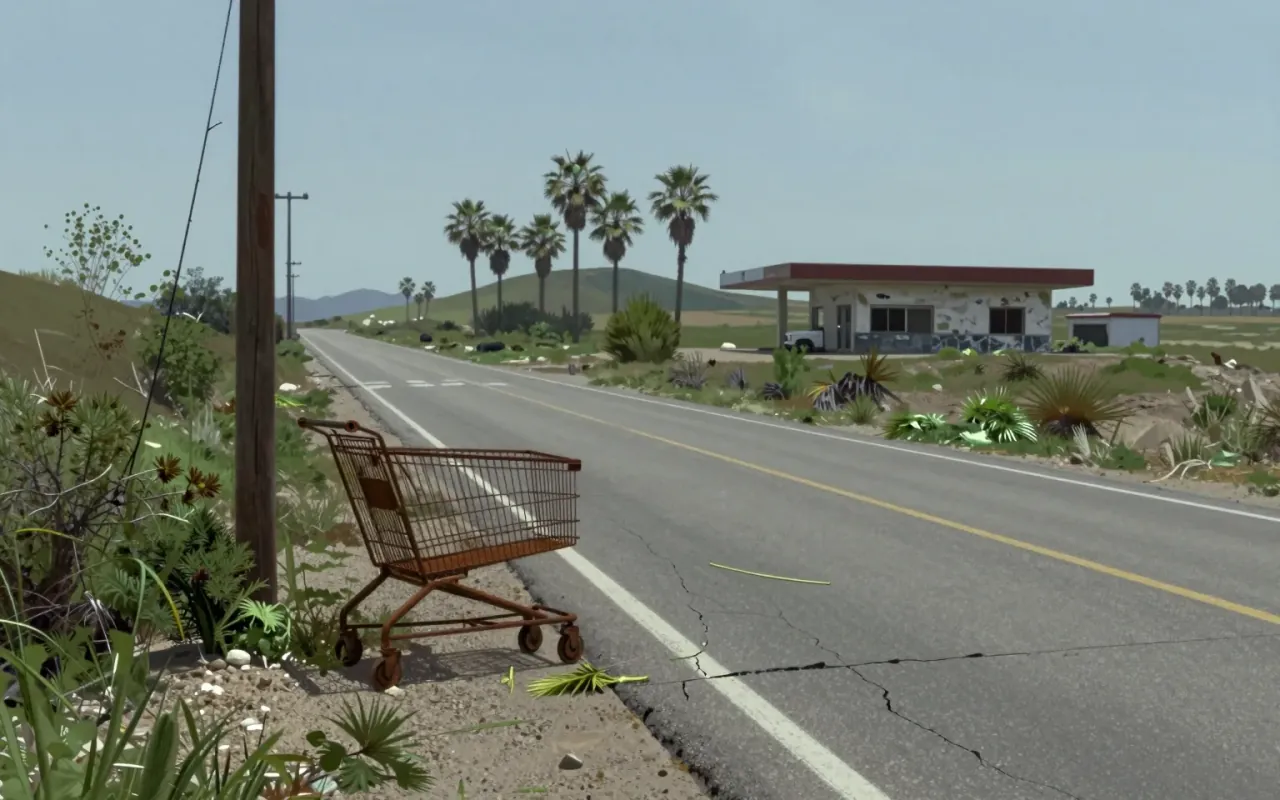
Grand Theft Auto: San Andreas is an action-adventure game published by Rockstar Games in 2004. Players control Carl 'CJ' Johnson in a third-person open world representing a fictionalised California and Nevada. The world comprises three cities—Los Santos, San Fierro, and Las Venturas—connected by rural and desert areas. Cities unlock progressively through the story; airports allow fast travel between them. Players complete linear story missions with fixed objectives, and may freely explore and undertake optional side missions. Navigation includes running, swimming, and vehicle use; combat includes melee, firearms, explosives, dual-wielding, and drive-by shootings. Weapons are acquired via purchase, looting corpses, or finding them scattered across the world. Safehouses—purchasable locations—are used to save progress and store vehicles. The game introduces role-playing elements such as character customisation, skill progression, gang territory control, and relationship management.
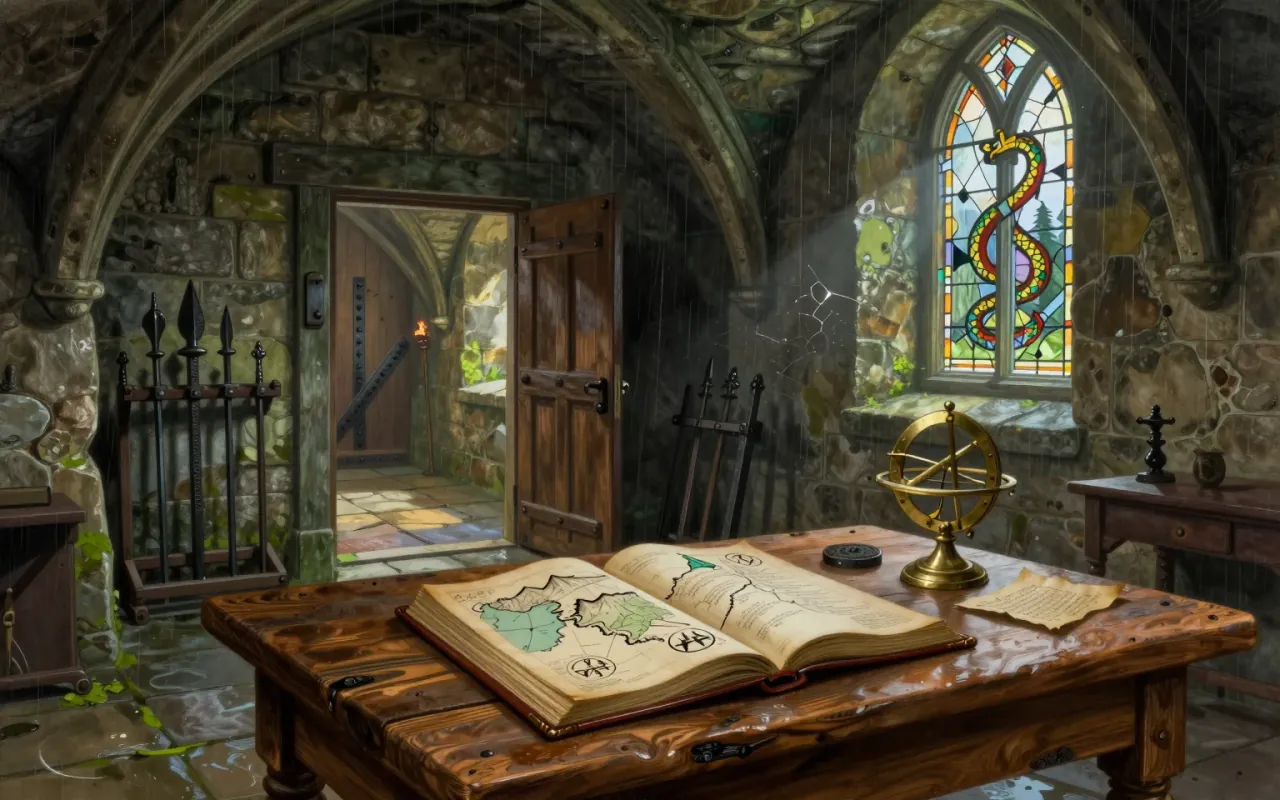
King’s Field III is a foundational FromSoftware RPG from 1996 that prioritises scale and slow-paced first-person exploration over responsiveness. Its overground world is vast. Its combat is lethargic — a melee round against a low-level creature can last up to five minutes. Players teleport between cities via a map screen. It follows King’s Field II (1996) and precedes Echo Night and Shadow Tower (1998). It was developed and published by FromSoftware for PlayStation.
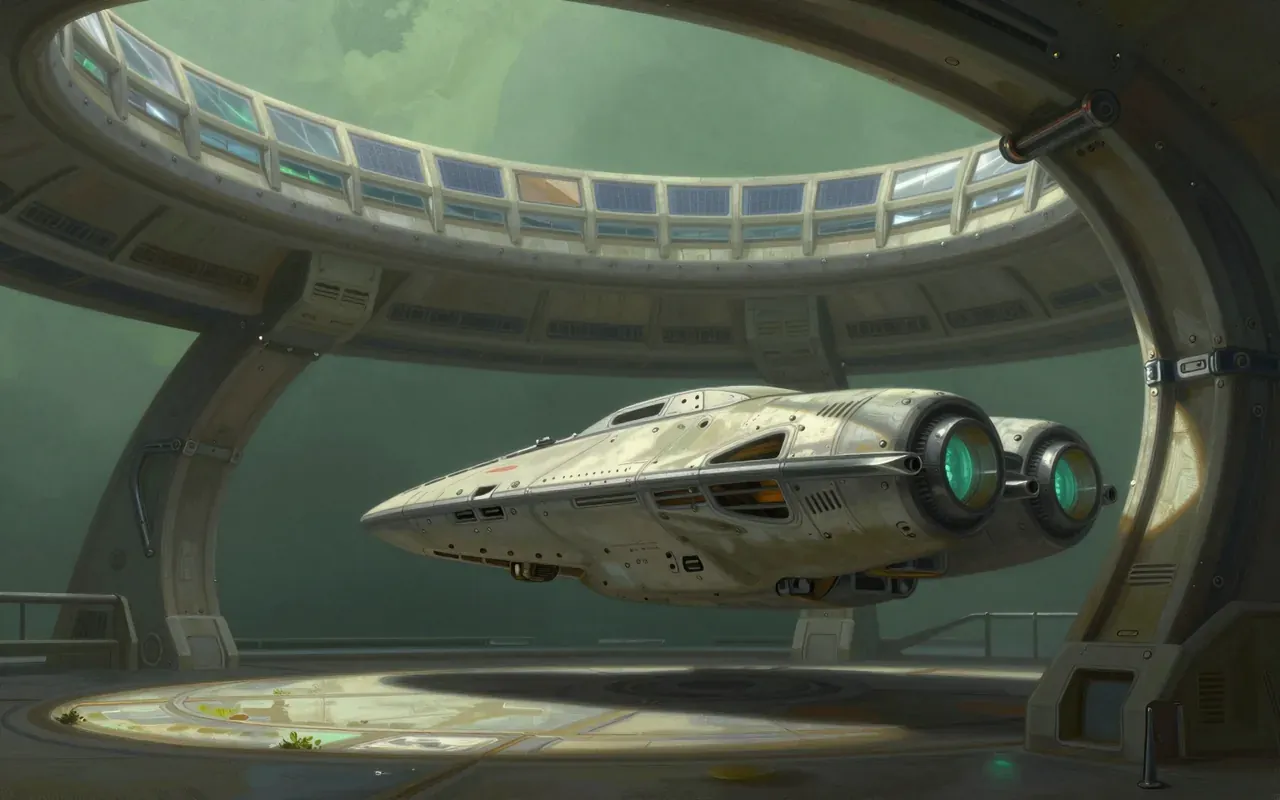
Mass Effect 2 is a tightly authored, choice-driven action RPG that prioritises narrative consequence and squad loyalty over systemic freedom. Its strength lies in how imported choices reshape the story, how class design shapes combat, and how the galaxy map serves plot—not exploration. It asks players to commit to a single, high-stakes arc. It withholds open-ended world interaction, real-time loadout flexibility, and non-linear quest resolution.
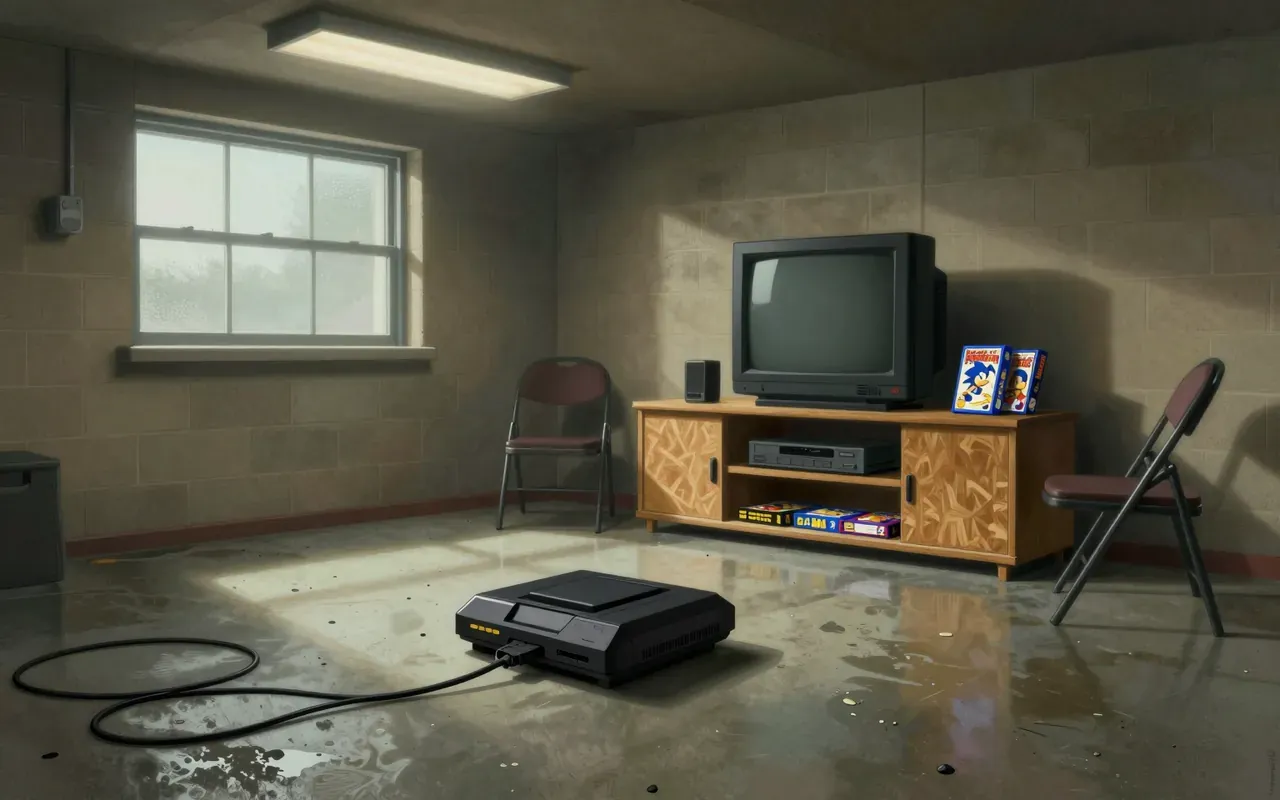
Phantasy Star IV is a linear, story-driven RPG on the Sega Genesis. It uses turn-based combat, level-based progression, Technique-based magic, and combination attacks. Its manga-style panels and expanded script distinguish it within the series. Only 14 of 15 combination attacks function. Developed internally by Sega’s Consumer Development division, it belongs to Sega’s multi-million-selling Phantasy Star franchise.

Stardew Valley is a top-down, open-ended farm life simulation where players inherit a dilapidated farm from their deceased grandfather, leave a corporate job, and rebuild life near Pelican Town in Stardew Valley.

Suikoden II is a PlayStation RPG by Konami (1998) that ties narrative, recruitment, and strategy into a single arithmetic: level gaps dictate XP, rune slots dictate magic, and sidequests dictate who joins your army. It refuses to explain itself — and rewards attention to its systems with structural integrity, not spectacle.
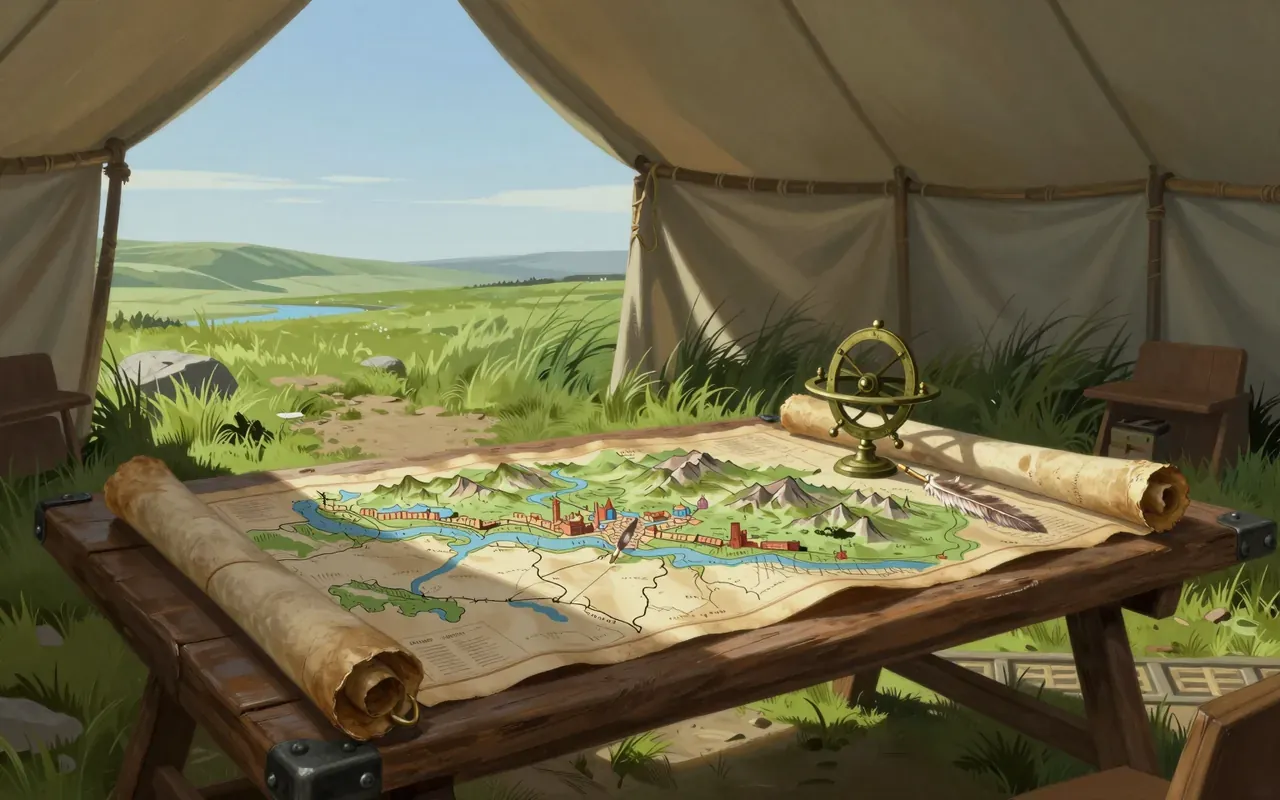
Suikoden III is a PlayStation 2 RPG by Konami Computer Entertainment Tokyo. It uses the Trinity Sight System to rotate control among Hugo, Chris, and Geddoe — each representing one side of a three-way conflict between the Grassland tribes, Zexen, and Harmonia. Protagonists are fully voiced. Recruitment of the 108 Stars of Destiny has no time limits. Combat features tandem front/back row action and chant-interruptible rune magic. Army battles use a node-based grid.
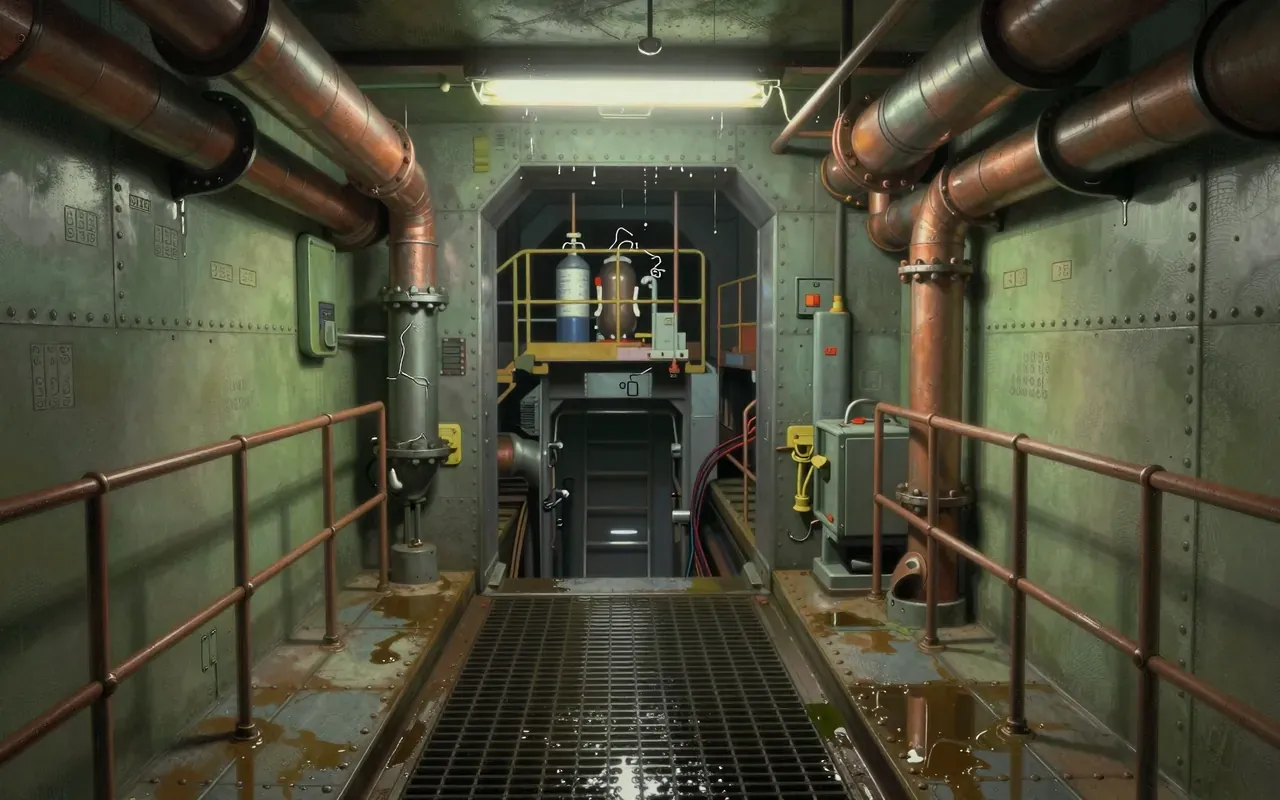
System Shock 2 is a first-person action role-playing survival horror game set aboard a starship in a cyberpunk 2114. You play as a soldier fighting a genetic infection through combat, exploration, and skill development. Gameplay consists of first-person combat and exploration, with role-playing elements including hacking and psionic abilities. Navigation is first-person with a HUD showing character/weapon info, map, and drag-and-drop inventory. The game fuses FPS immediacy with RPG consequence, demanding patience and attention from the player.
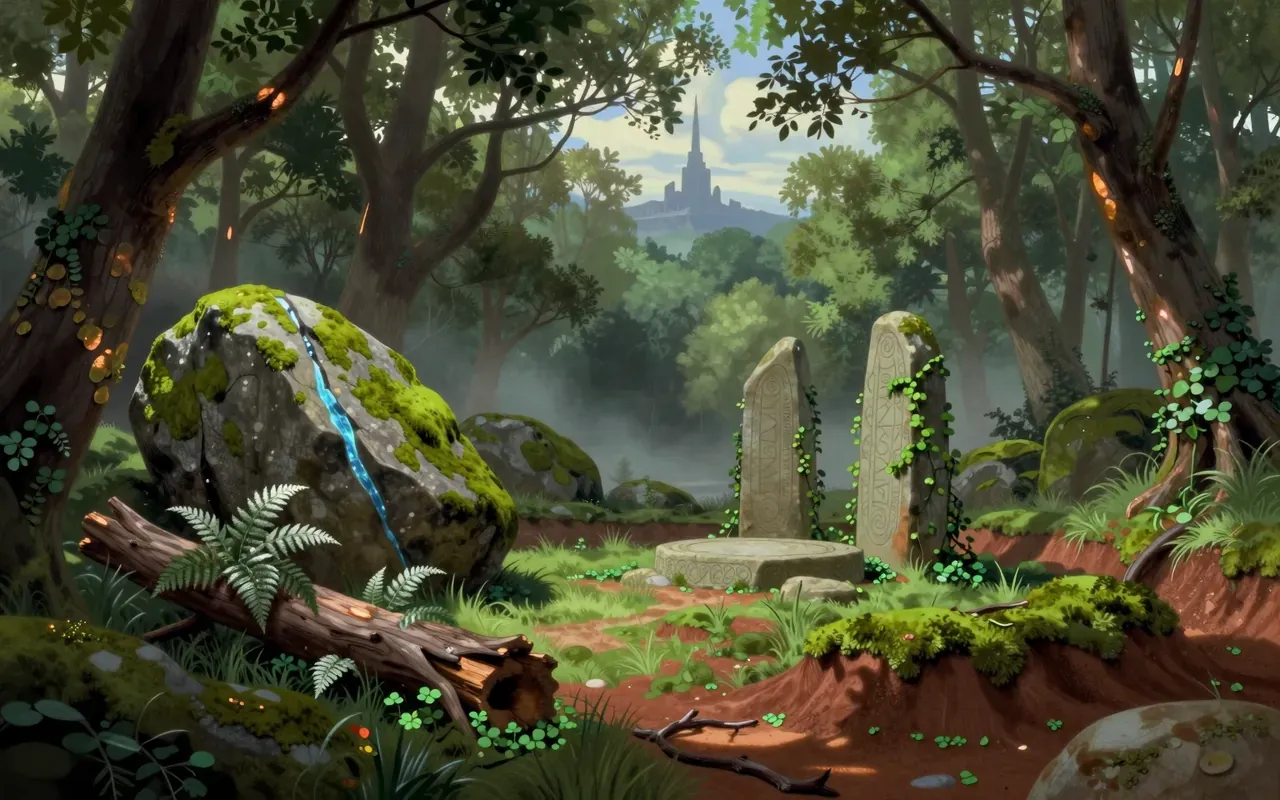
Tales of Phantasia is the foundational title of the Tales series—a technical pivot from turn-based to real-time party combat on the Super Famicom. Its Linear Motion Battle System defines engagement by splitting control: one character in motion, the rest in menus or AI. It delivers a focused revenge arc set in Aselia, where the destruction of Cress’s village serves a larger scheme to free Dhaos. Development was delayed from 1994 to late 1995 due to Namco-mandated changes—including the title—after Telenet contracted Namco following failed talks with Enix. Yoshiharu Gotanda conceived the game at Wolf Team.
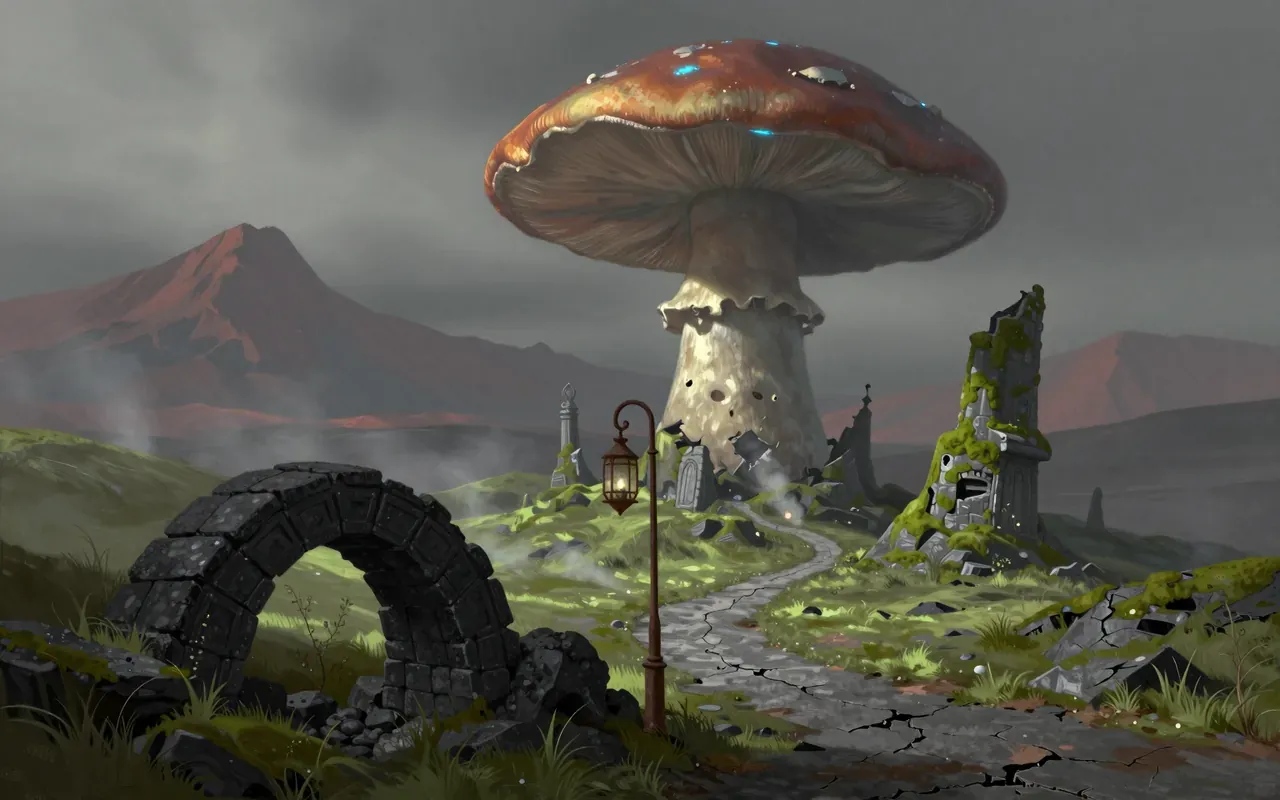
Morrowind is a dense, alien, self-contained world where freedom is structural — not just thematic. It refuses to hold your hand, explain its rules, or reward compliance. Its strength is in its refusal to simplify.
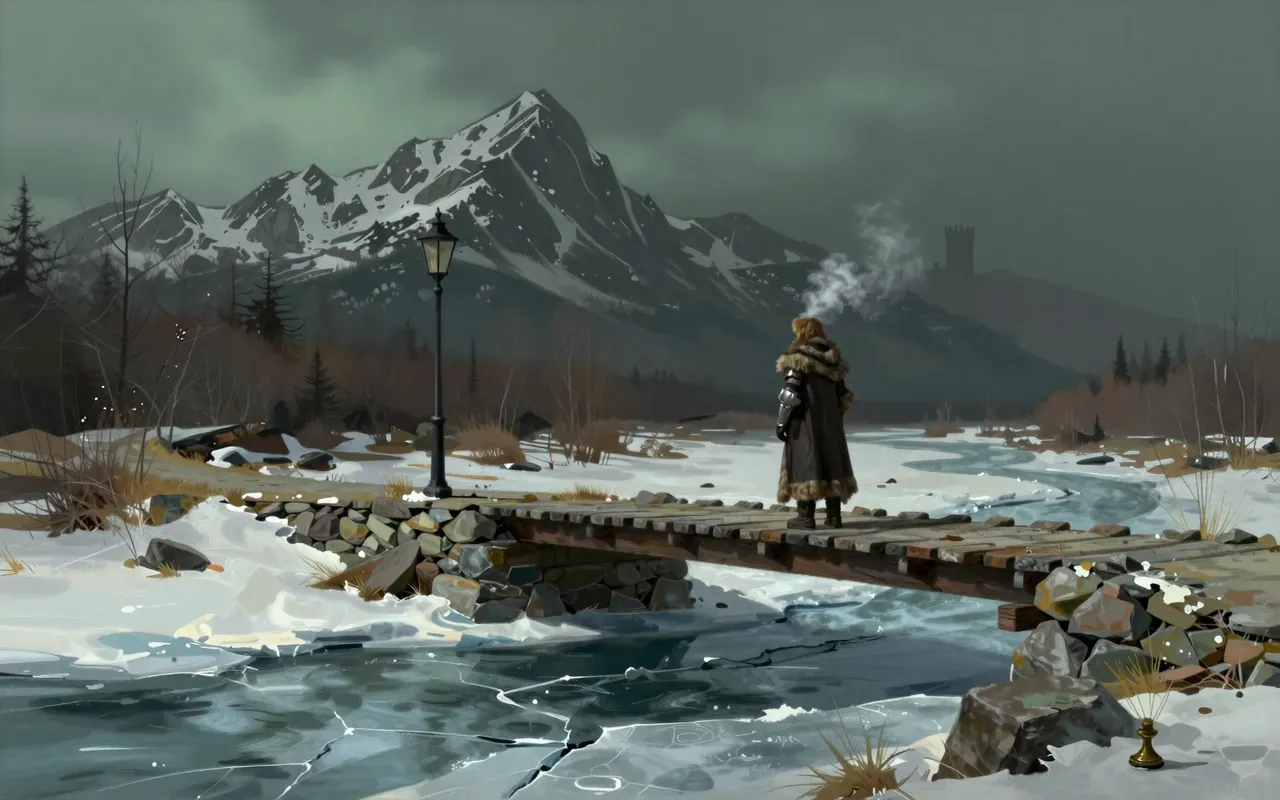
Skyrim delivers open-world agency through fast travel, skill-based progression, and unconditional quest deferral — but offers no systemic consequences for how those freedoms are used. Its strength is in repetition, not responsiveness.

A foundational computer RPG that shifted the genre from solo brawling to party-based tactics and puzzle-driven resolution — built on Ultima’s reputation to launch Origin Systems during the 1983 crash.
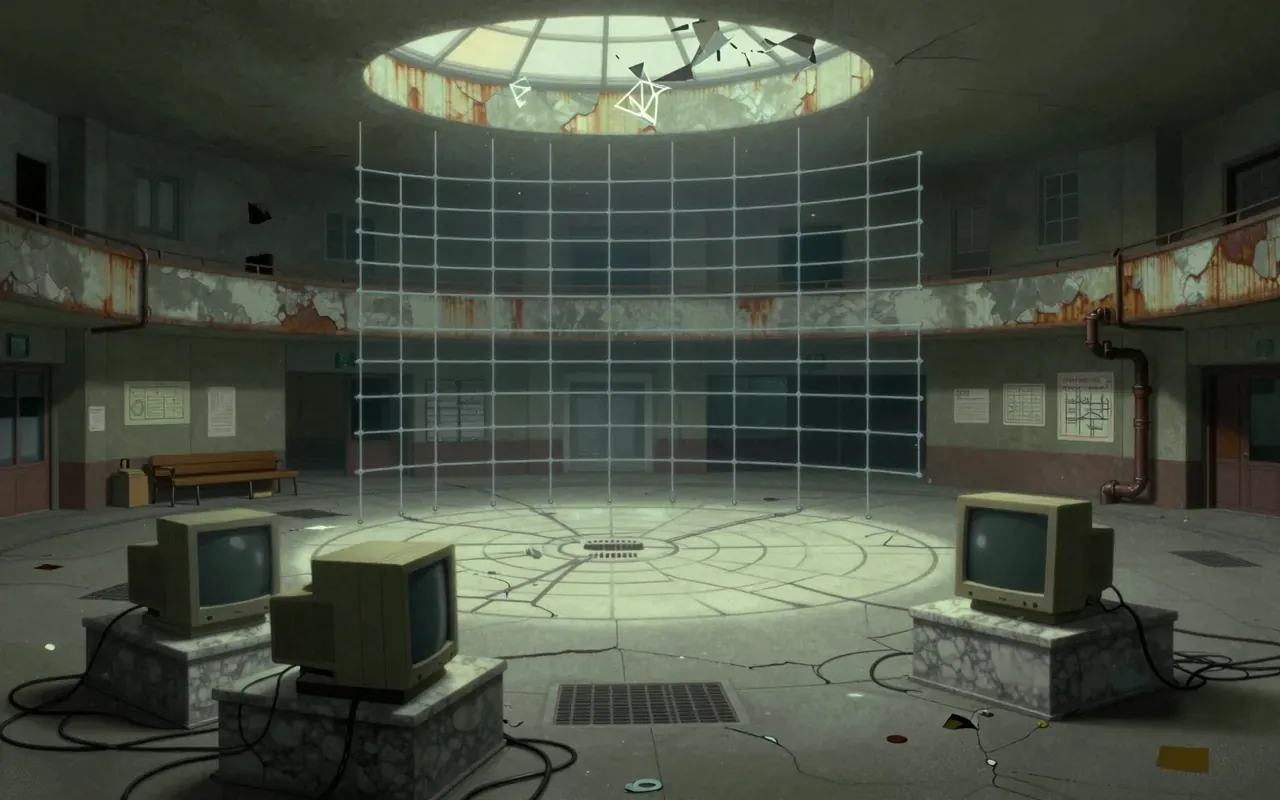
Vandal Hearts is a 1996 Konami tactical RPG defined by its isometric, rotatable 3D terrain, side-by-side turn structure, flexible movement, and strict leader-death loss condition. It offers varied stage objectives but no narrative or progression systems beyond core combat.