gamesbriefs
9:50in productionCh. 1 · Three Games in One/ 9:50 · ceiling 15 min
RPG · Genres

Quest for Glory: So You Want to Be a Hero

It treats time, hunger, and skill like physics—not features.

Quest for Glory: So You Want to Be a Hero is a 1989 hybrid adventure/RPG by Sierra On-Line. It asks players to type commands, track time, manage hunger and fatigue, and develop skills organically—not through levels, but through action. Class choice (Fighter, Magic User, Thief) determines starting tools, puzzle solutions, and quest access—but cross-class skills are possible. Its systems behave like physical laws: predictable, persistent, and indifferent to player expectation.

Chapters & takeaways4
  1. 1:25
    Three Games in One

    It is the first hybrid adventure/RPG from Sierra On-Line—not a pure RPG or pure adventure, but a deliberate third thing.

  2. 2:40
    Class Shapes the World

    You pick Fighter, Magic User, or Thief—and that choice changes what tools you start with, how you solve puzzles, and which quests unfold.

  3. 4:32
    Skills Grow Through Doing

    Skills rise only when used—not earned through combat—and you can learn outside your class to reach otherwise locked content.

  4. 6:15
    Time and Body Are Rules

    Time passes. Night falls. You get tired. You get hungry. These are not timers—they’re conditions that change what’s possible.

Worth your time?

Yes. Play the whole thing.

4/ 5
What works
  • Class choice changes puzzle solutions and quest access.
  • Day/night cycles alter NPC behaviour and scene appearance.
  • Skills improve only through use—not combat or level-ups.
  • Fatigue and hunger impose real constraints on pacing.
What does not
  • The game does not offer tutorial prompts.
  • The game does not pause for inventory management.
  • The game does not explain skill thresholds.
  • The game does not resolve ambiguous commands gracefully.
Play it if
  • It is for players who treat interfaces as contracts.
  • It is for players who read room descriptions twice.
  • It is for players who map time like terrain.
Skip it if
  • It is not for players who expect UI clarity over textual fidelity.
  • It is not for players who want story without system friction.
  • It is not for players who dislike re-typing commands.
The written brief2 min read

What the game is

Quest for Glory: So You Want to Be a Hero is a hybrid adventure/RPG by Sierra On-Line, released in 1989. It is the first entry in the Quest for Glory series. Players choose one of three classes and navigate a folklore-infused world governed by real-time cycles, organic skill growth, and persistent physical needs.

How it actually plays

Players type commands into a text parser to move, interact, and solve puzzles. Time passes in real-time: day turns to night, NPCs shift locations, and scenery changes. The hero must eat, rest, and manage fatigue. Skills improve only through use—climbing a wall raises climbing, casting spells raises magic—not through combat or level-ups. Class choice (Fighter, Magic User, Thief) sets starting gear, puzzle solutions, and quest access—but players can acquire cross-class skills to unlock alternate paths.

What works

Class choice meaningfully alters play: Fighters brute-force locks, Magic Users bypass them with spells, Thieves pick them—and each path unlocks unique quests and NPC reactions. The day/night cycle reshapes both possibility and atmosphere: some characters appear only at dusk; some dangers emerge only after dark. Skill progression rewards experimentation, not repetition: using a rope raises climbing, not just fighting.

What does not

The text parser punishes imprecision. Misspelled verbs or ambiguous nouns halt progress without guidance. Fatigue and hunger systems interrupt flow without clear thresholds or warnings. Cross-class skill acquisition feels like workarounds rather than design intent—players must discover which skills open which doors through trial, not instruction.

Who it is for, and who it is not

It is for players who enjoy parsing environmental logic, tracking cause-and-effect across time, and treating game systems as consistent physical laws. It is not for players who prefer visual clarity over textual ambiguity, or who expect games to teach rules before testing them.

Is it worth your time

Yes—if you want a slow, tactile, time-bound adventure where your choices shape not just outcomes but how the world behaves around you. It demands patience, observation, and willingness to fail forward. It is not for players who expect instant feedback, streamlined UI, or narrative hand-holding.
Same strand · RPG4 of 102
Up next in Games

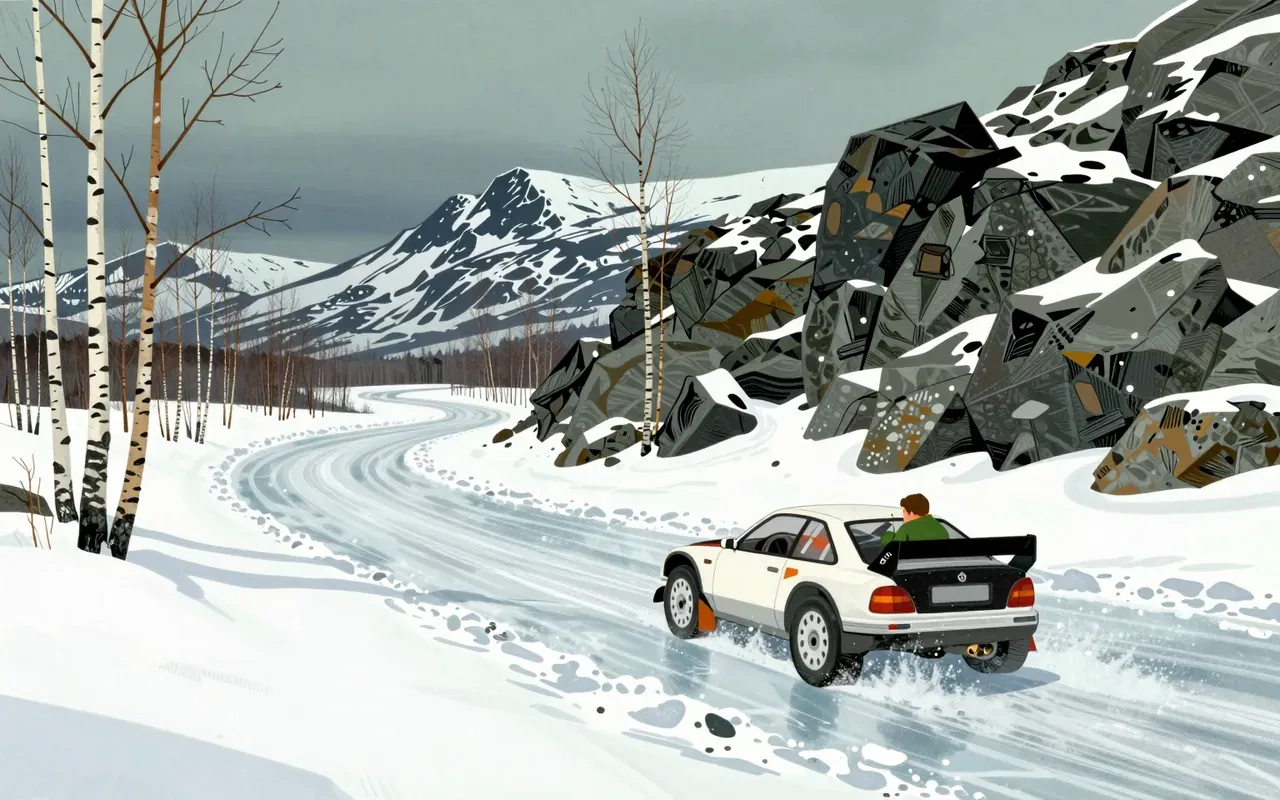
RalliSport Challenge

Rainbow Studios · 2002 · 9:27

RalliSport Challenge doesn’t simulate rally—it weaponises terrain against the driver.

9:27