gamesbriefs
10:01in productionCh. 1 · Not a story. A system./ 10:01 · ceiling 15 min
Shooter · Game design

Starsiege: Tribes

Tribes isn’t about shooting—it’s about learning terrain like a language, then moving through it faster than anyone else can aim.

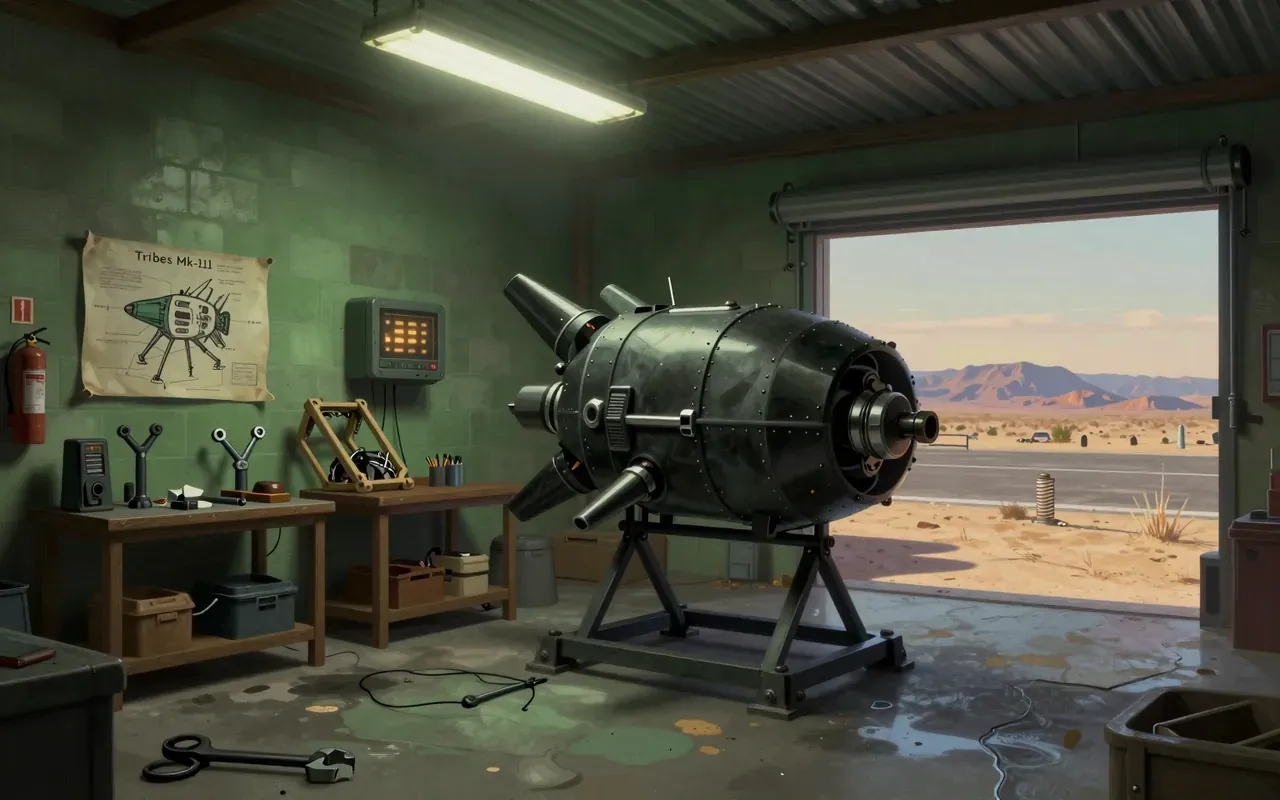
Starsiege: Tribes is a squad-based, multiplayer, first-person shooter developed by Dynamix as a side project alongside Starsiege. It features 40 outdoor maps, jetpack-assisted movement, physics-based skiing, and armour-class-dependent loadouts. Its dominant mode is Capture the Flag, where flags must be at base to score. It was one of Dynamix's best-known titles.

Chapters & takeaways4
  1. 0:50
    Not a story. A system.

    It is a squad-based, online, first-person shooter—not a campaign-driven or solo experience.

  2. 2:23
    Scale is the first rule.

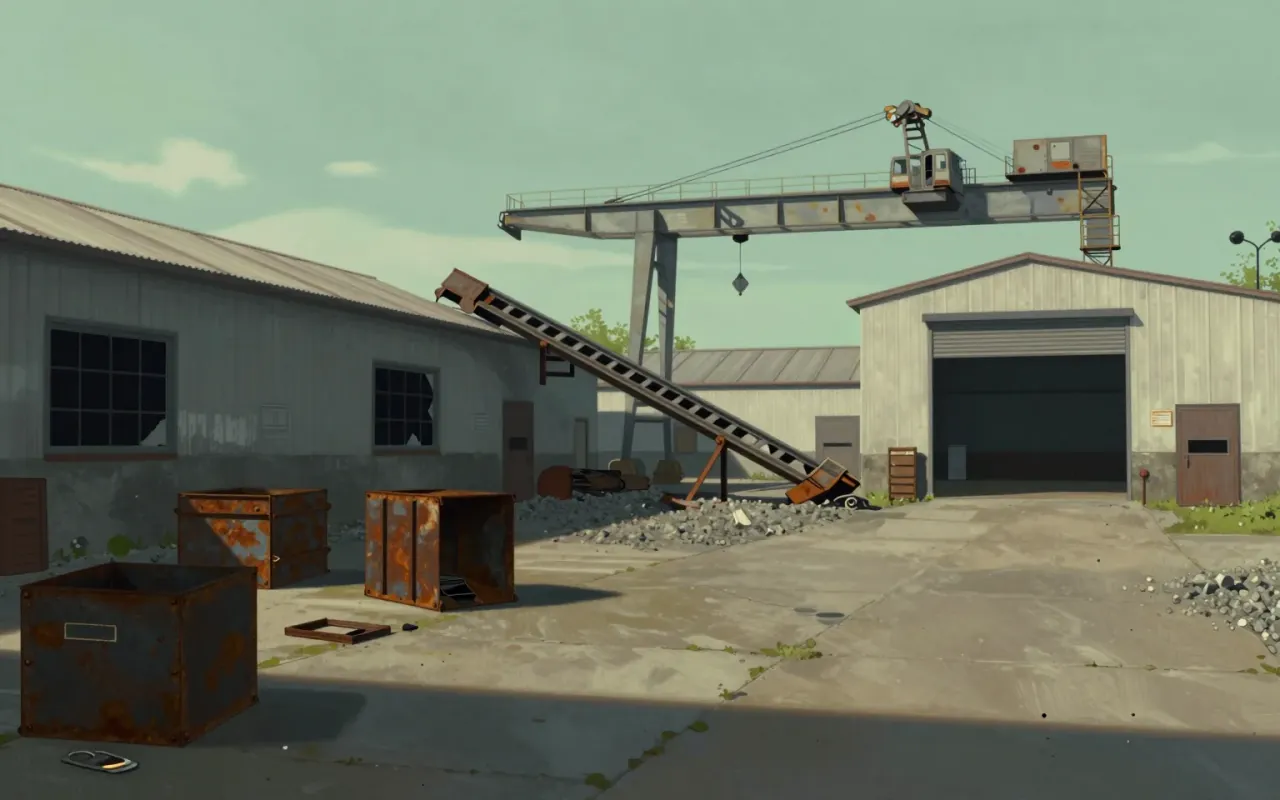
    Battles unfold across 40 outdoor maps, some stretching several in-game kilometers, with bases placed according to objective.

  3. 3:52
    Flags don’t count unless they’re home.

    Capture the Flag requires flags to be at base to score—so control of space matters more than speed alone.

  4. 5:58
    Movement is the weapon.

    Movement—jetpacks, skiing, energy limits—shapes every decision, from loadout to route choice.

Worth your time?

Yes. Play the whole thing.

4/ 5
What works
  • large-scale-terrain-as-tactical-layer
  • jetpack-and-skiing-as-core-loop
  • armour-class-as-role-enforcer
  • CTF-rules-that-force-base-control
What does not
  • single-player
  • narrative
  • accessibility
  • modern-infrastructure
Play it if
  • multiplayer-historians
  • movement-focused-players
  • retro-FPS-design-students
Skip it if
  • casual-players
  • solo-gamers
  • UI-expectant-players
The written brief1 min read

What the game is

A squad-based, multiplayer, first-person shooter developed by Dynamix as a side project alongside Starsiege. It is set in a 40th-century interstellar conflict. It has five core game types, with Capture the Flag as the dominant mode.

How it actually plays

Players join squads in online multiplayer matches across 40 large outdoor maps. Movement relies on jetpacks and physics-based skiing. Combat is constrained by energy management, armour classes, and respawn rules. Capture the Flag requires coordinated flag retrieval, base presence for scoring, and flag recovery after drops. Deathmatch rewards individual or team kill counts.

What works

Outdoor maps spanning several in-game kilometers force tactical positioning and long-range coordination. Jetpack-assisted movement and skiing create a distinct vertical and lateral rhythm. Armour-class-dependent loadouts enforce role specialisation. Bases scattered per game type anchor objectives in geography, not abstraction.

What does not

It does not support solo play. It does not scale well with uneven team sizes. It does not abstract or simplify movement—skiing and jetpacking require sustained attention and punish inconsistency. It does not offer persistent progression or customisation beyond armour-class loadouts.

Who it is for, and who it is not

It is for players who value movement as mechanics, not just animation. It is for those curious about pre-Halo, pre-Counter-Strike team FPS design. It is not for players who need clear UI feedback, consistent pacing, or narrative framing. It is not for those without access to legacy multiplayer infrastructure.

Is it worth your time

Yes—if you want to experience how squad-based movement and terrain mastery defined early large-scale FPS design. It demands spatial awareness, stamina, and coordination, not reflexes alone. It is not worth your time if you expect modern matchmaking, quality-of-life features, or single-player content.

Same shelf · Shooter4 of 46
Up next in Games

Steins;Gate

5pb. · 2009 · 10:15

A time-travel thriller that makes your phone feel like a detonator — but only if you’re willing to read for hours between taps.

10:15