What the game is
Tribes 2 is a first-person shooter multiplayer video game developed by Dynamix and published by Sierra On-Line in 2001. It is a sequel to Starsiege: Tribes and a side development of Starsiege. It is an online multiplayer game designed for Internet or LAN play.
How it actually plays
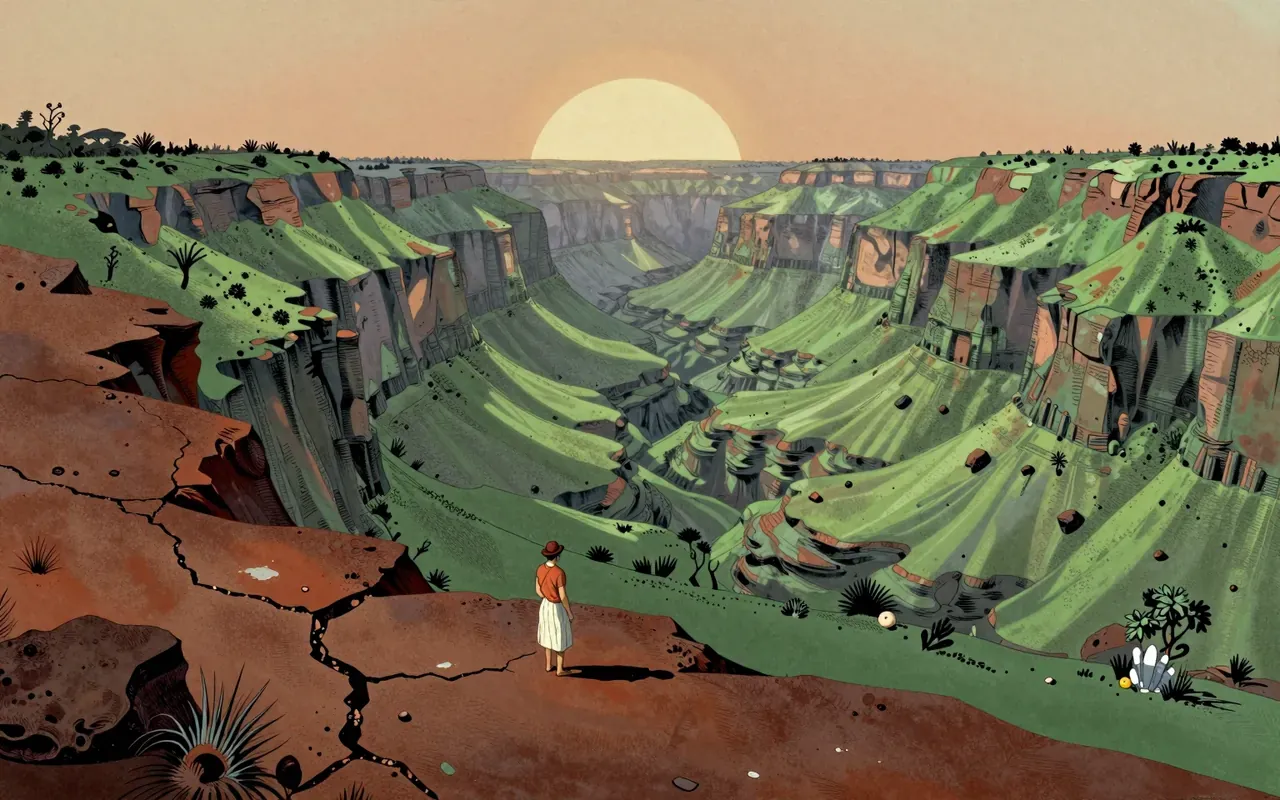
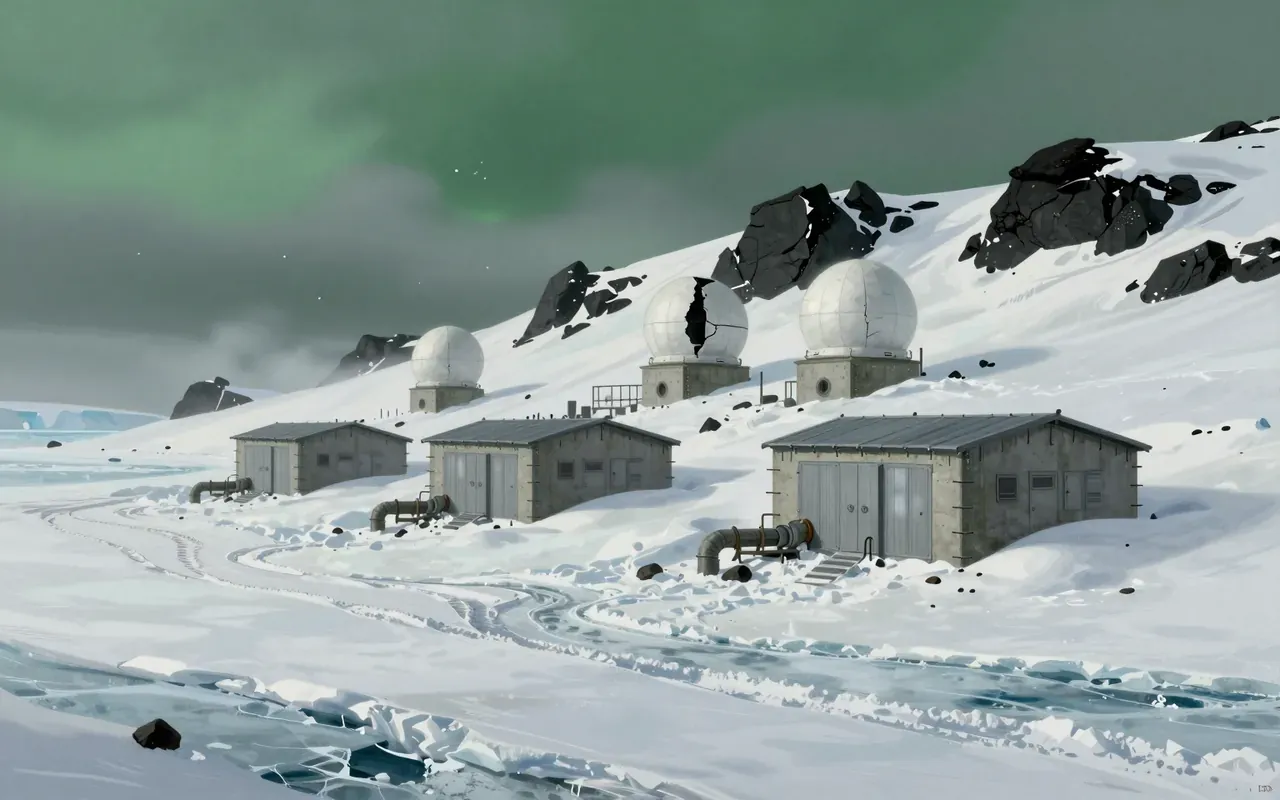
Players move across vast Earthsiege-themed maps on foot, with jet packs, or in vehicles as pilot, co-pilot, or passenger. Matches support up to 128 players (64 vs 64) online or on LAN. The game runs in first- or third-person perspective. Movement is shaped by terrain-based skiing and vertical propulsion. Roles are self-selected. Players deploy weapons, vehicles, and emplacements mid-match. Game modes include Capture the Flag, Siege, Rabbit, Arena, Hunters, Gauntlet, Bounty, and deathmatch.
What works
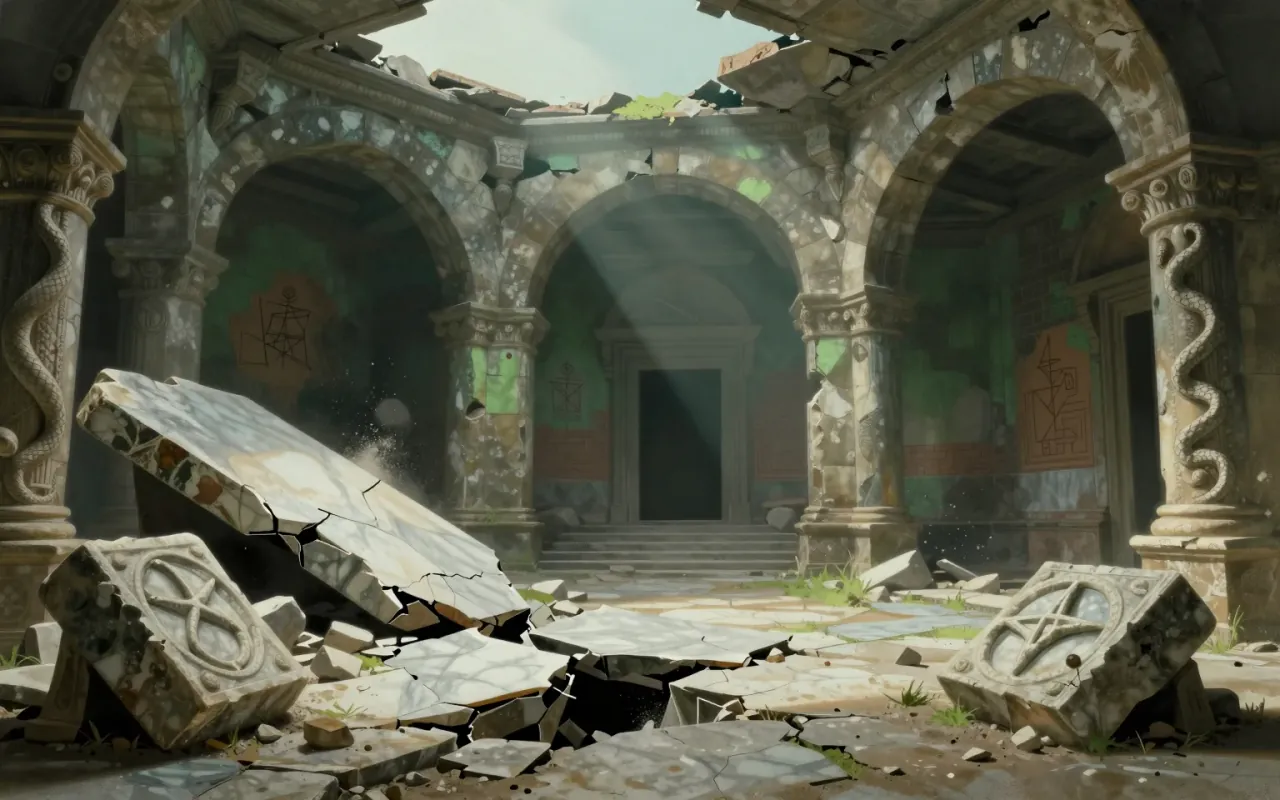
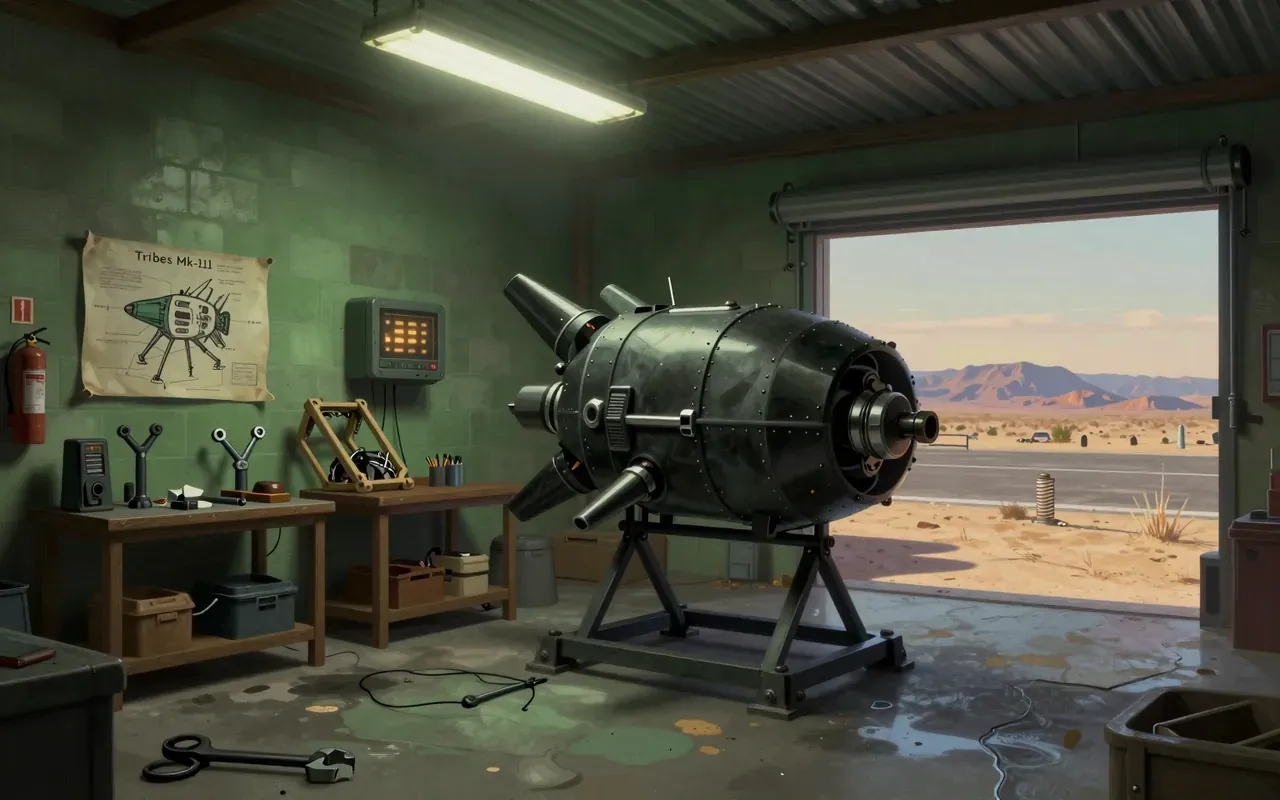
The jet pack + skiing movement loop creates emergent verticality and momentum-based positioning. Customisable armour, loadouts, and deployables let players specialise without rigid class locks. The Torque Game Engine delivers expansive indoor and outdoor maps — rare for 2001 — enabling long sightlines and layered objective play. Siege and Capture the Flag modes reward coordinated, role-differentiated teamplay over individual fragging.
What does not
The small single-player tutorial offers no meaningful progression or narrative. There is no persistent progression system. Vehicle balance and map symmetry were never formally tuned for competitive play. The engine’s indoor/outdoor versatility does not translate to consistent tactical clarity across all maps.
Who it is for, and who it is not
It is for players who value spatial reasoning over twitch aim, who enjoy building shared rhythm across dozens of players, and who accept that victory hinges on map control, not kills. It is not for players seeking solo progression, polished matchmaking, or low-friction entry.
Is it worth your time
Only if you want to test coordination at scale in a pre-voice-comms era design — where map literacy, jet pack timing, and loadout discipline decide matches, not reflexes alone. It demands patience with latency, setup, and team dependency. It does not hold up as a solo experience.