What the game is
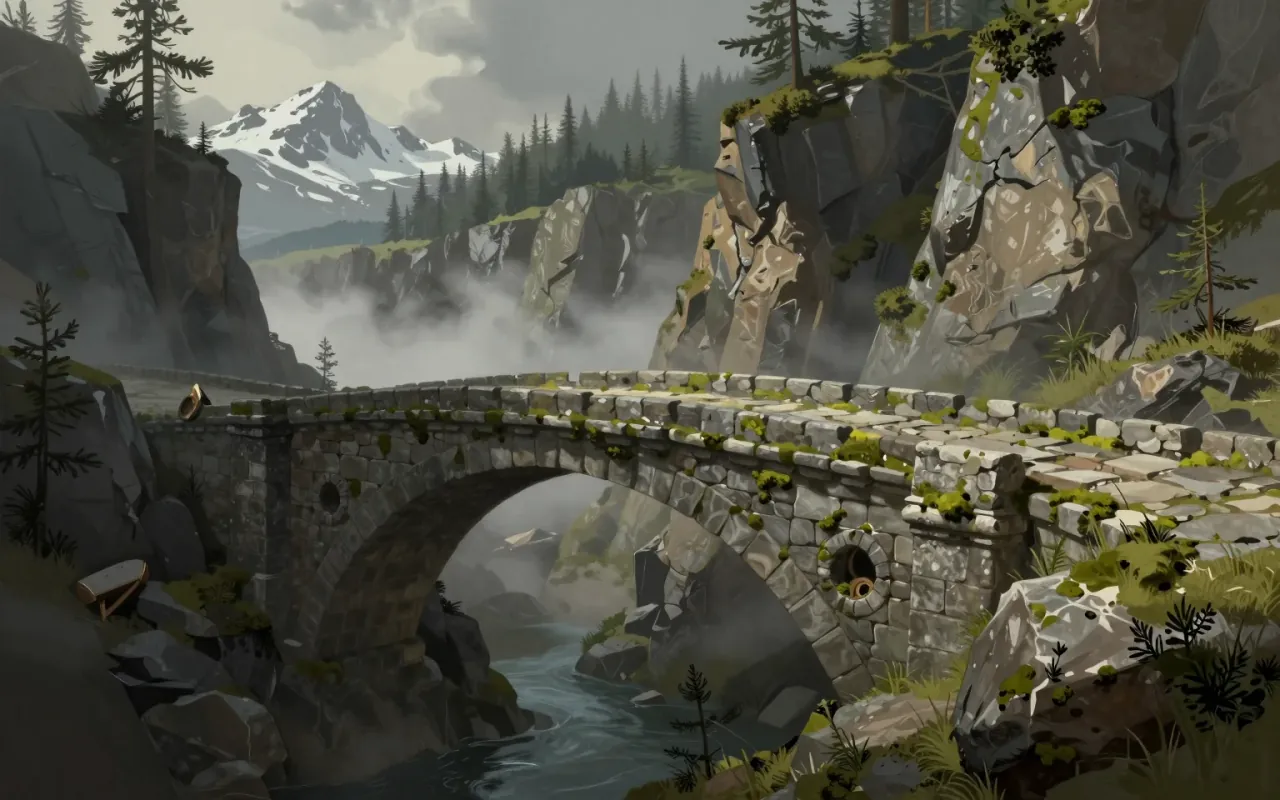
An open-world fantasy action RPG set in a sub-arctic province of Tamriel. Players choose sex and one of ten races at the start. They develop 18 skills across combat, magic, and stealth. Attributes — health, magicka, stamina — are upgraded manually at level-up. The world responds to player actions via bounties, faction allegiance, and dragon encounters.
How it actually plays
Players move through a sub-arctic landscape using horses, stable rides, or fast travel to any discovered location. They level skills by doing things — swinging a sword, casting fireballs, picking locks — not by choosing classes. Each skill levels independently; enough skill levels trigger a character level-up, granting one attribute increase and one perk point. Health, magicka, and stamina govern survival, spellcasting, and sprinting or power attacks. Players may ignore the main quest forever.
What works
Skill-based progression rewards repetition with tangible growth: every bowshot improves Archery; every spell cast improves Destruction. Fast travel, horses, and stables make traversal efficient without breaking immersion. The three-attribute system cleanly separates survival, spellcasting, and physical exertion. Players retain full control over when and whether to engage the main storyline.
What does not
The world does not adapt meaningfully to player choices beyond bounties and faction reputation. Progression feels granular but lacks feedback loops between skill trees. Perk points accumulate without urgency or consequence. The open world is hand-crafted but not densely reactive: dragons appear on scripted triggers, not emergent logic.
Who it is for, and who it is not
It is for players who value self-directed pacing, tactile feedback from repeated actions, and the quiet satisfaction of mastering a system through use. It is not for players who rely on narrative scaffolding, tight cause-and-effect design, or systems that evolve in response to long-term play patterns.
Is it worth your time
Yes — if you want to spend evenings shaping your own rhythm of exploration, combat, and craft in a world that reacts to your actions without demanding narrative obedience. No — if you need clear goals, tight pacing, or systems that cohere beyond their individual rules.