What the game is
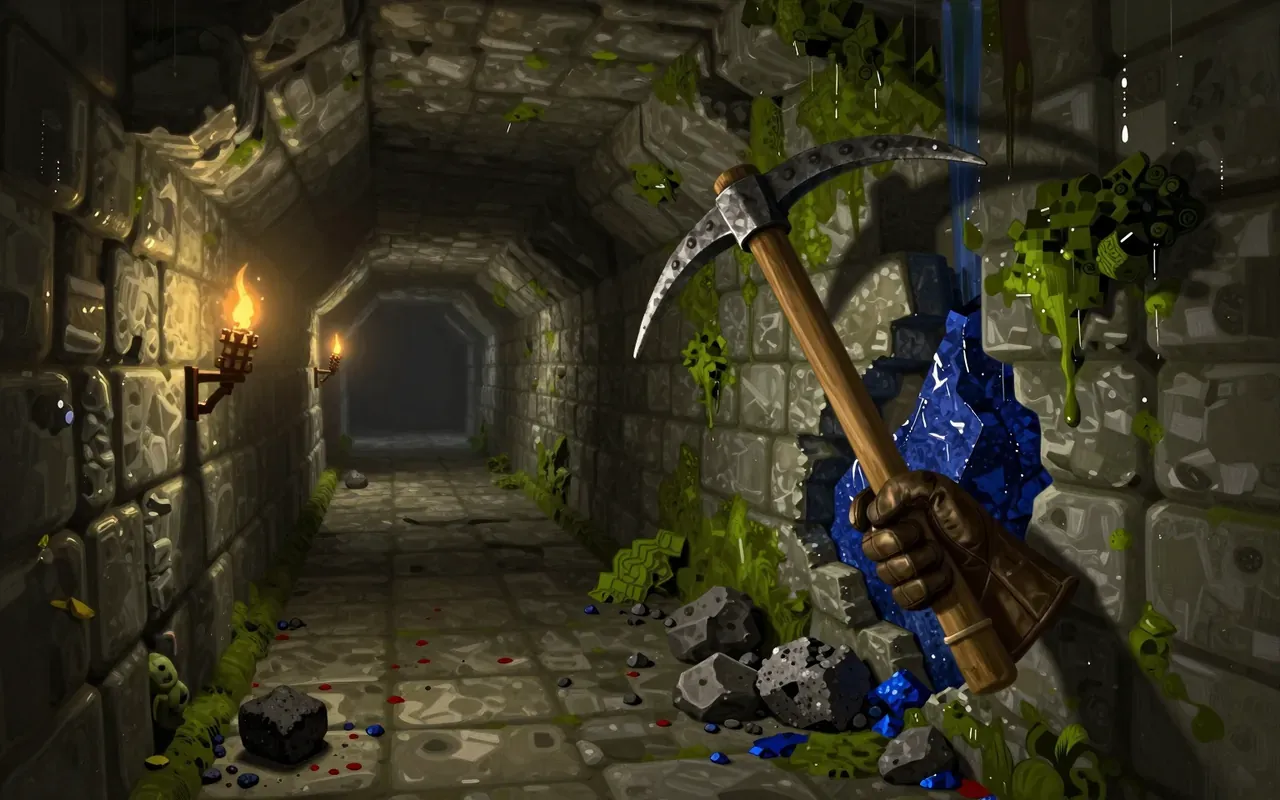
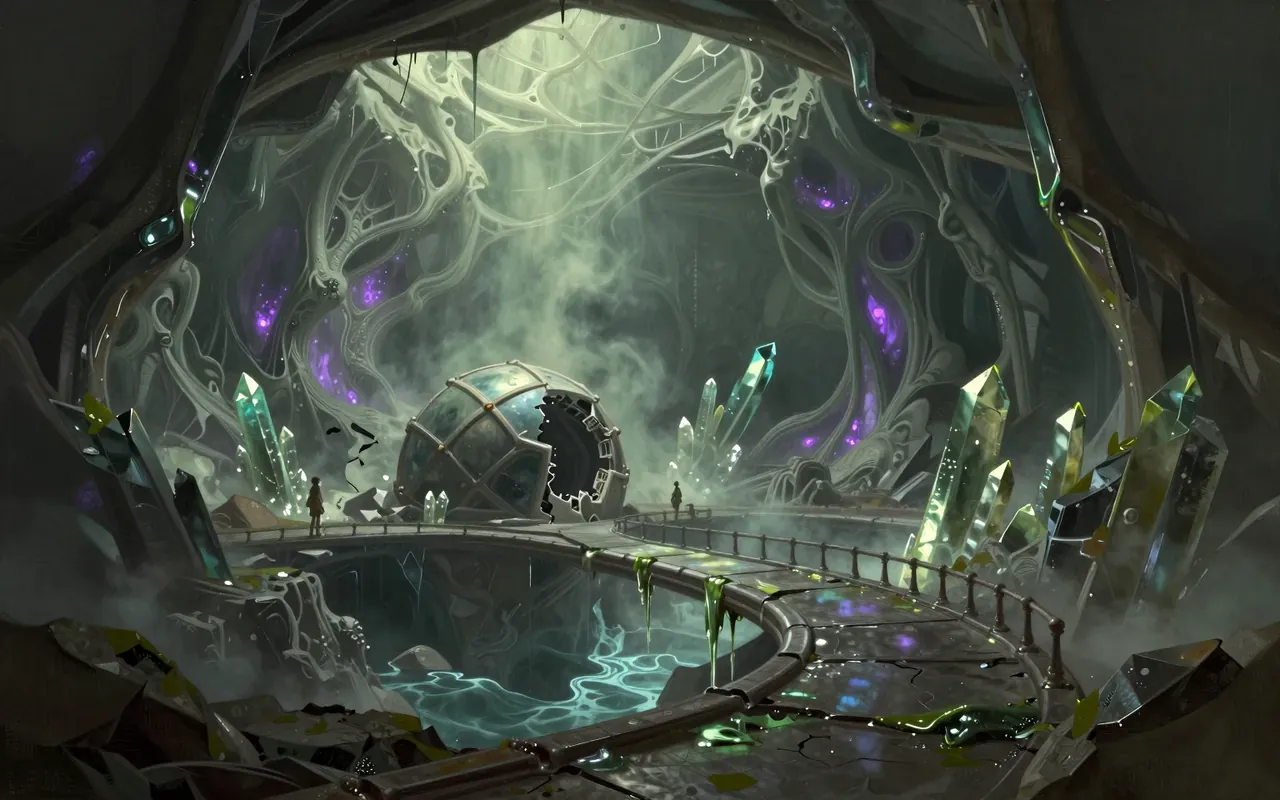
Metroid Prime is a 2002 GameCube action-adventure game. It is the first Metroid title in 3D and the first in first-person. It was Retro Studios’ debut project after canceling MetaForce. It established a first-person adventure framework built on sequential item acquisition, visor-based scanning, and spatial navigation across Tallon IV.
How it actually plays
You move Samus through Tallon IV in first-person. Exploration is the core loop: you scan environments, solve puzzles, platform jump, and lock-on to enemies while circle strafing. Morph Ball mode switches to third-person. You collect twelve Chozo Artifacts to unlock the Phazon crater. Power-ups — Beams, ordnance, health, and ammo upgrades — gate progression. You cannot reach certain areas until you acquire specific items. Backtracking is mandatory.
What works
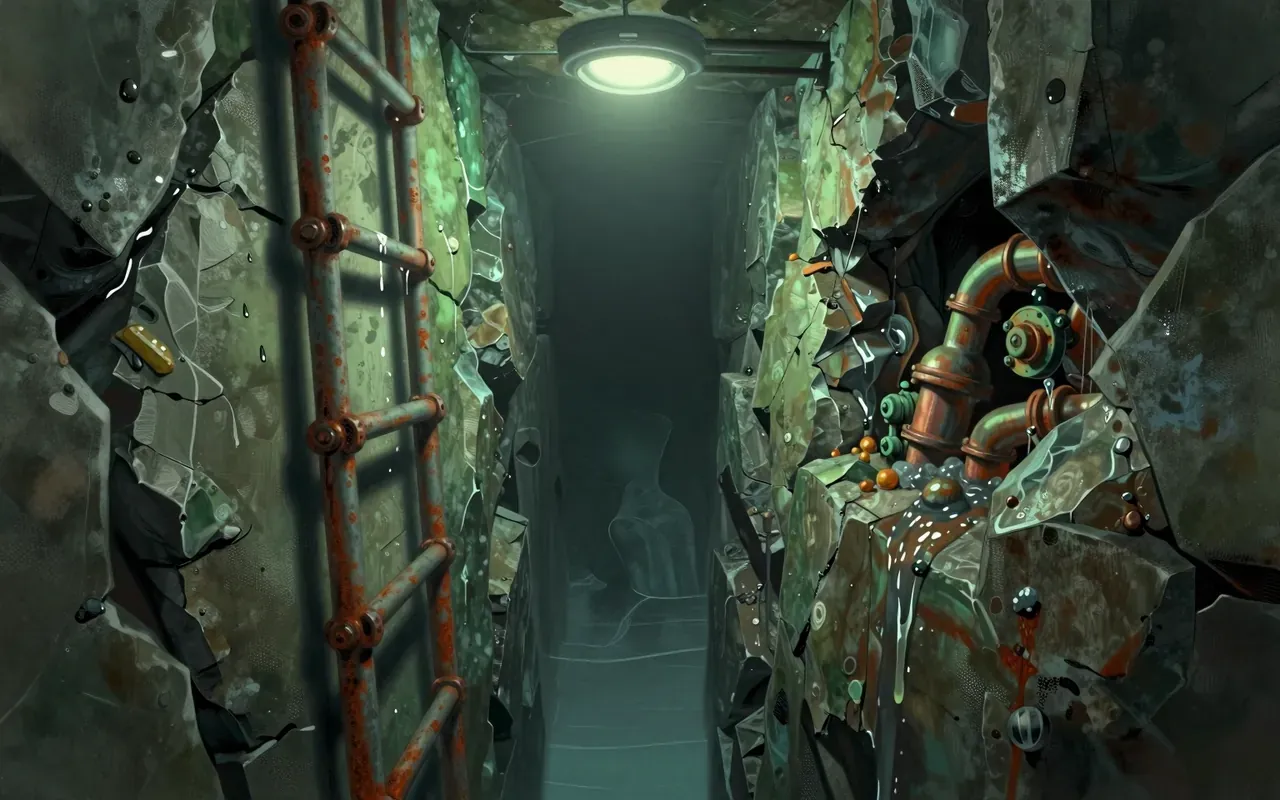
The lock-on system enables precise, mobile combat without breaking immersion. The visor interface merges diegetic UI with gameplay function. Scanning reveals worldbuilding without exposition. Suit upgrades recontextualise familiar spaces. The world feels cohesive because traversal, not combat, defines pacing and consequence.
What does not
It does not deliver sustained combat intensity. It does not explain its lore through dialogue or cutscenes. It does not allow free movement without upgrade dependency. It does not accommodate players who dislike backtracking or environmental reading.
Who it is for, and who it is not
It is for players who value environmental storytelling, deliberate pacing, and mastery through repetition. It is not for players who prioritise combat depth, narrative clarity, or low-friction progression.
Is it worth your time
Yes, if you want a tightly wound 3D exploration loop that treats traversal as narrative and rewards attention to space, light, and texture. No, if you expect combat variety, narrative exposition, or modern accessibility conventions.