What the game is
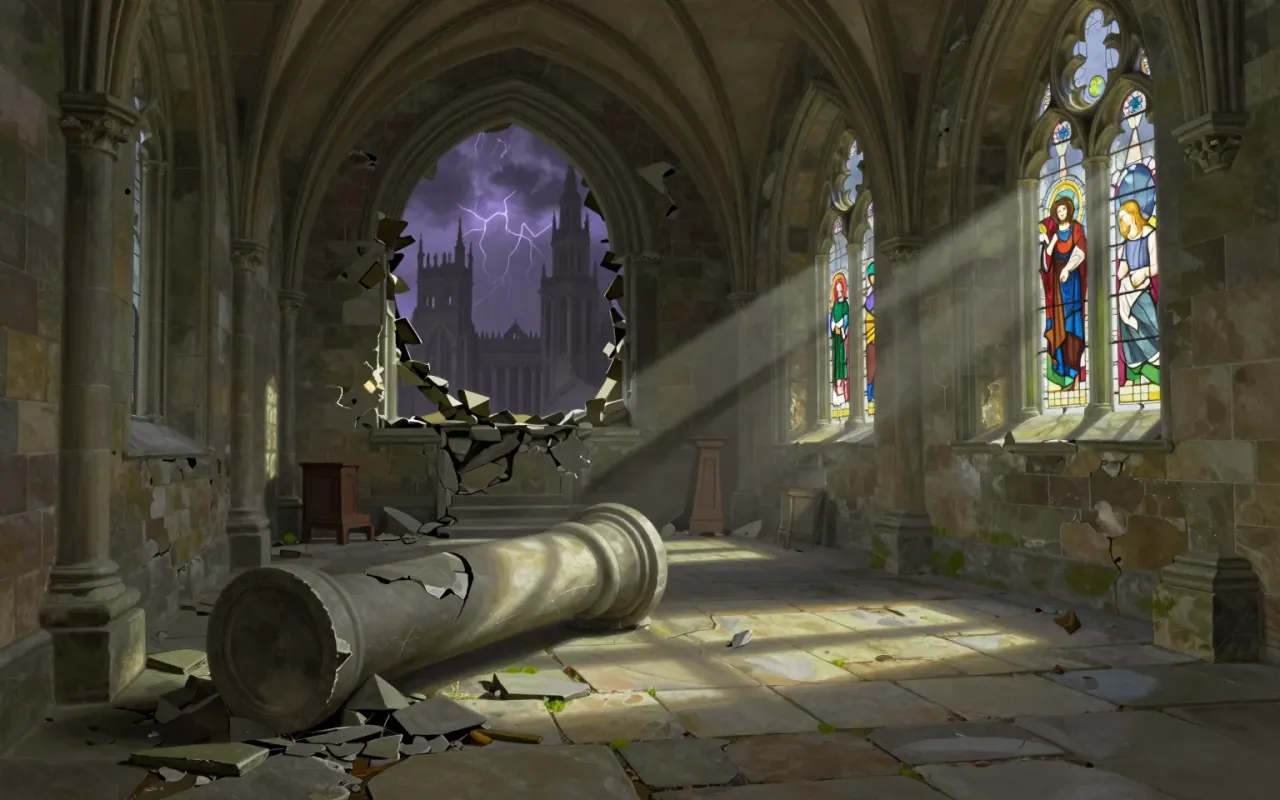
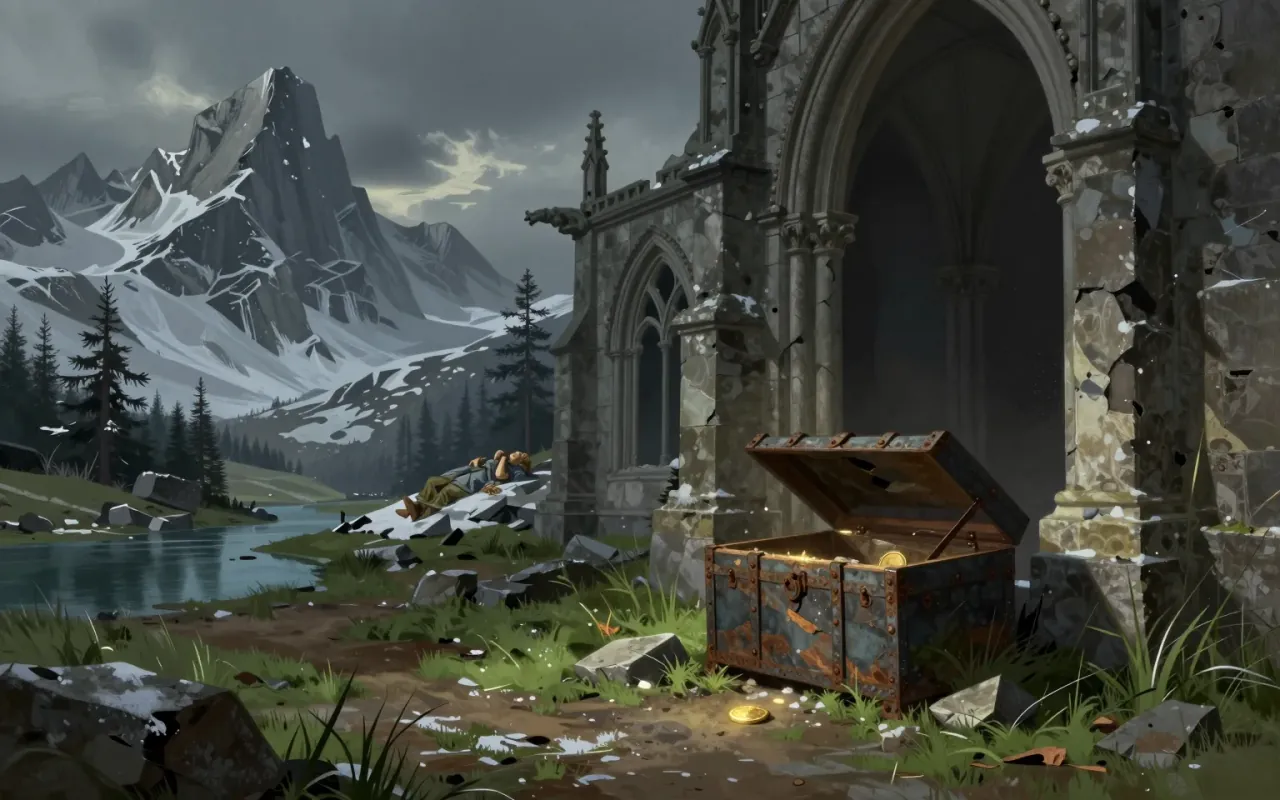
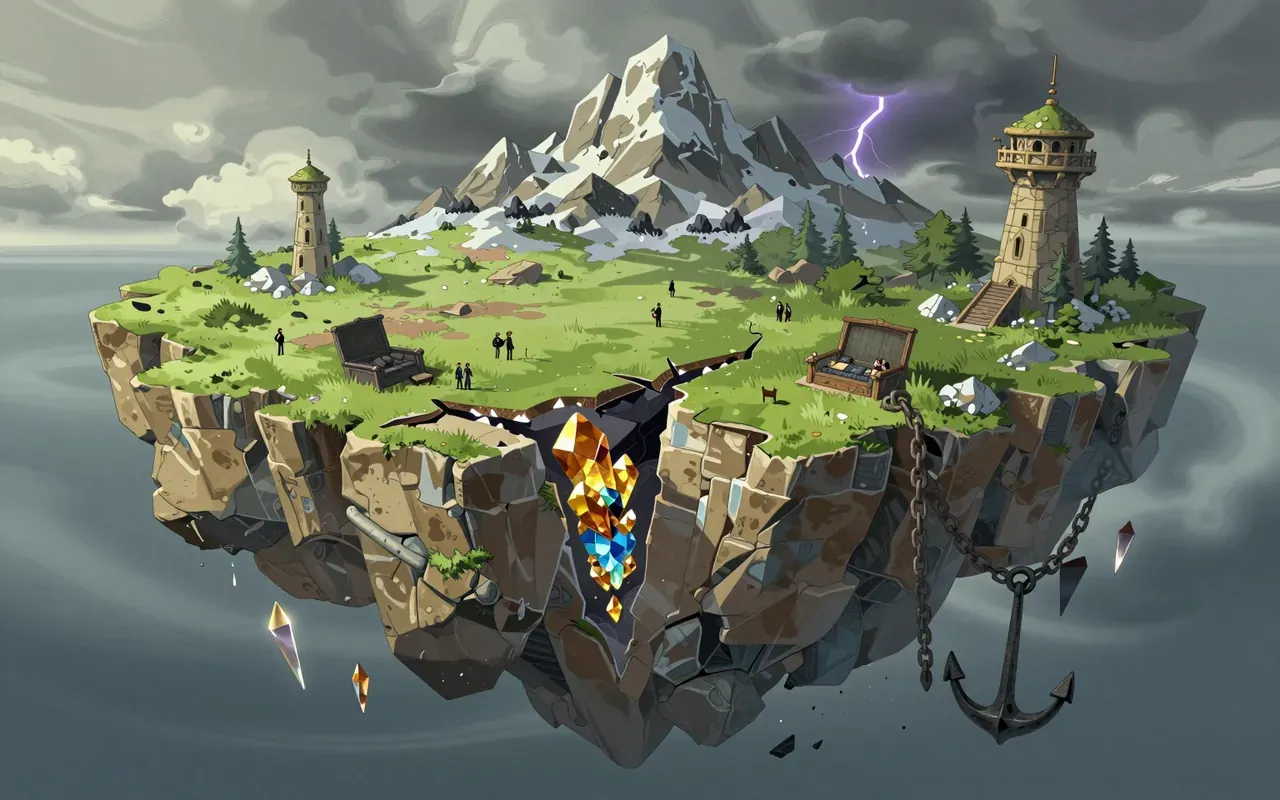
An open-world action-adventure sequel to Breath of the Wild (2017) that expands Hyrule vertically—into sky islands and the gloom-choked Depths—and introduces physics-driven construction and traversal systems.
How it actually plays
The player climbs, rides horses, or paraglides across Hyrule, sky islands, and the Depths. Ultrahand, Fuse, Ascend, Recall, and Autobuild shape traversal and construction. Movement is constant but gated: gloom in the Depths forces frequent returns to the surface. Dungeons—Water, Wind, Fire, Lightning—are mandatory story checkpoints with puzzles and bosses.
What works
Ultrahand and Fuse let players build vehicles, bridges, and contraptions on the fly. Sky islands deliver self-contained vertical puzzles and combat arenas. The paraglider, climbing, and horseback riding retain their tactile responsiveness across all three layers.
What does not
The Depths’ gloom mechanic interrupts flow without meaningful trade-offs. The four main temples feel like rigid narrative tollbooths rather than organic discoveries. Construction tools are deep but rarely essential to core progression.
Who it is for, and who it is not
Players who enjoy tinkering with systemic tools, solving spatial problems in real time, and tolerating punitive environmental constraints for the sake of vertical exploration. Not for players who prioritise narrative pacing, low-friction movement, or consistent risk-reward balance.
Is it worth your time
Yes—if you want a dense, vertically layered open world that demands active experimentation with physics-based tools. No—if you expect streamlined progression, narrative cohesion, or relief from environmental punishment.