What the game is
An isometric action-adventure by System 3 (1987) in which Armakuni navigates a fixed-path world to assassinate Kunitoki, avenge his clan, and retrieve sacred scrolls.
How it actually plays
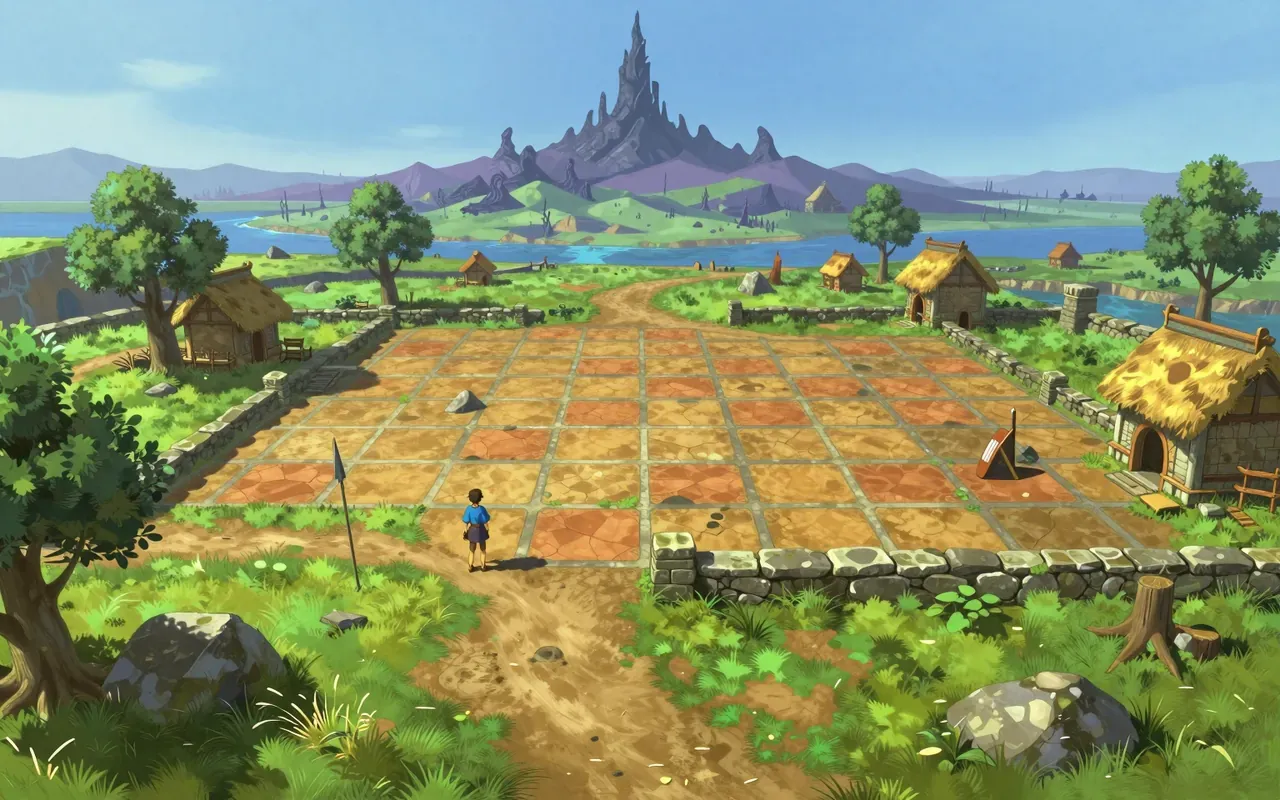
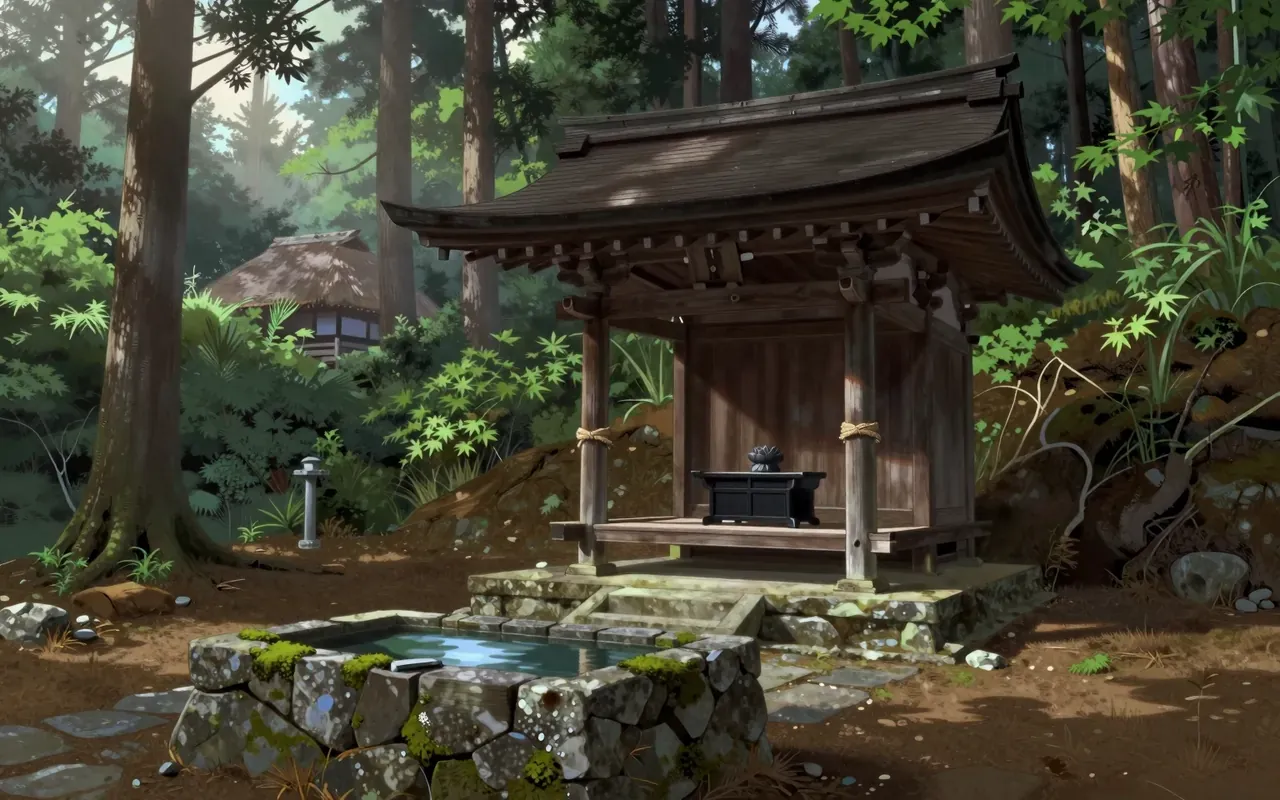
The player moves Armakuni in eight directions across an isometric world. Movement is relative to his facing direction and locked to predefined paths. Precision is required to jump over traps and fatal terrain. Combat is directional and timed. The interface shows opponents’ energy and inventory on the right, health on the bottom. Approaching shrines or fountains while kneeling reveals the next item to collect.
What works
The blend of exploration, puzzle solving, and combat holds together. Environmental interaction—kneeling at shrines and fountains—is consistent and purposeful. Directional combat and inventory-based progression create clear cause-and-effect loops. The isometric view supports spatial reasoning without abstraction.
What does not
It does not support improvisation. Predefined paths restrict exploration. Progress depends on finding specific items at specific landmarks, with no alternative routes or shortcuts. The henchmen’s escalating skill offers no new mechanics—only increased difficulty through repetition of known patterns.
Who it is for, and who it is not
It is for players who enjoy methodical, precision-based navigation in constrained spaces—and who accept that progression is gated by discovery, not skill escalation. It is not for players who expect open movement, adaptive AI, or narrative variation.
Is it worth your time
Yes—if you want a tightly constrained isometric action-adventure that demands spatial awareness, timing, and patience. It asks for repetition, memorisation, and tolerance of trial-and-error navigation. It does not ask for reflexes at speed, narrative depth, or systemic flexibility.