What the game is
Resident Evil 4 is a 2005 GameCube action-horror game developed by Capcom. You play Leon S. Kennedy rescuing Ashley Graham from a religious cult in rural Spain. It replaces fixed cameras and deliberate pacing with dynamic over-the-shoulder shooting, limb-targeted combat, context-sensitive actions, and quick time events.
How it actually plays
You control Leon S. Kennedy from a third-person perspective. The camera sits over his shoulder when aiming, switches to first-person with sniper rifles, and has no crosshair — only laser sights. You shoot limbs to stagger or disarm enemies. You press context-sensitive buttons to kick ladders, jump windows, dodge, or finish weakened foes. Quick time events demand timed inputs to survive boulders, boss grabs, or instant-kill attacks.
What works
Laser-sighted aiming gives immediate feedback. Limb targeting creates tactical variety: feet shots stagger, arm shots disarm, projectile shots intercept axes and scythes. Context-sensitive controls make interaction feel reactive rather than menu-driven. The over-the-shoulder camera locks combat into a tight, readable frame. Quick time events heighten stakes without breaking player agency — they are survival tools, not cutscene interruptions.
What does not
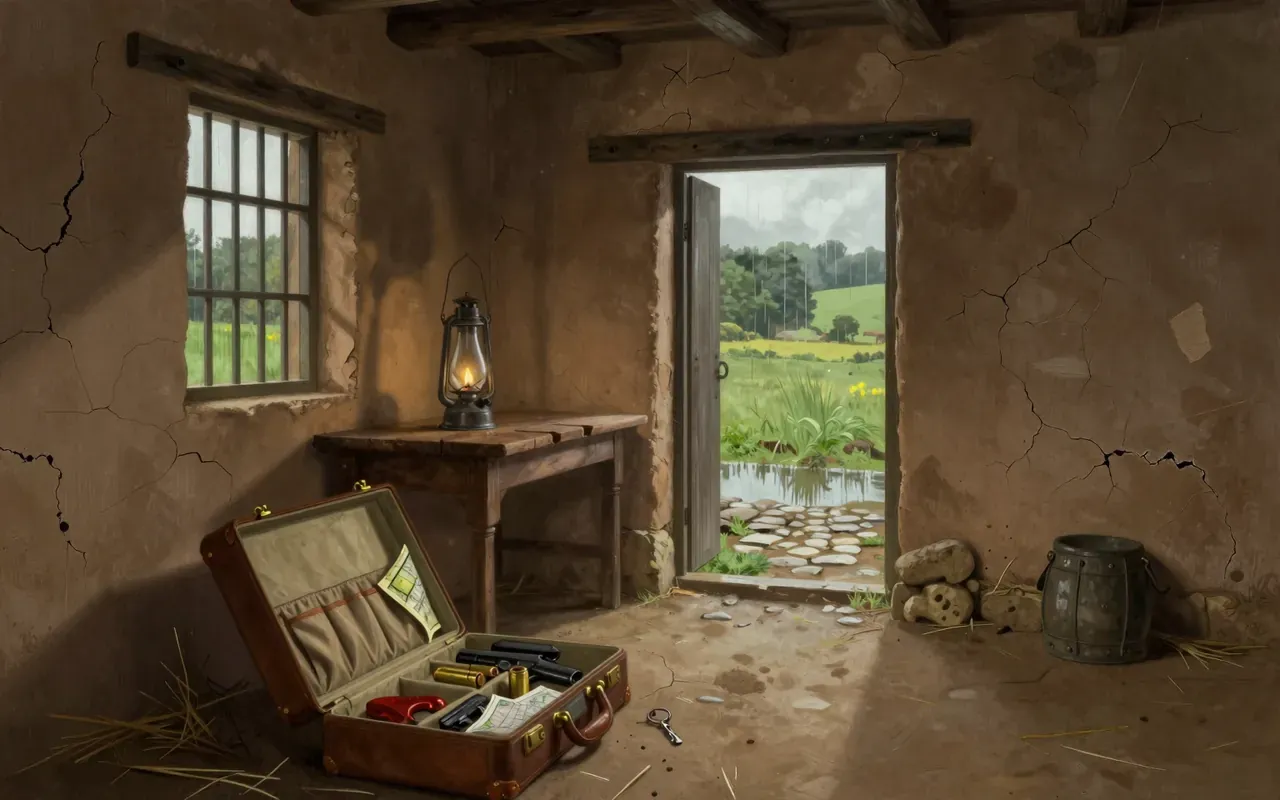
It abandons inventory scarcity and environmental dread in favour of combat rhythm and set-piece pacing. There is no fixed camera to distort space or build unease. There are no resource-light puzzles that force creative reuse of items. The attaché case remains, but the economy revolves around merchant upgrades, not desperate rationing.
Who it is for, and who it is not
It is for players who want precise, moment-to-moment control in high-stakes encounters. It is not for players seeking atmospheric dread, open exploration, or systemic horror. It assumes familiarity with third-person action — not survival horror conventions — as its baseline.
Is it worth your time
Yes — if you want tightly choreographed action-horror where every shot, dodge, and button press matters. It asks for attention, timing, and spatial awareness. It does not ask for patience with backtracking, exploration, or puzzle-solving. It is not a slow burn. It is a controlled escalation.