What the game is
Dishonored 2 is a first-person action-adventure with stealth elements, developed by Arkane Lyon and published by Bethesda Softworks in November 2016. It runs on the proprietary Void Engine. Players choose between Emily Kaldwin or Corvo Attano, each with distinct supernatural abilities — all optional.
How it actually plays
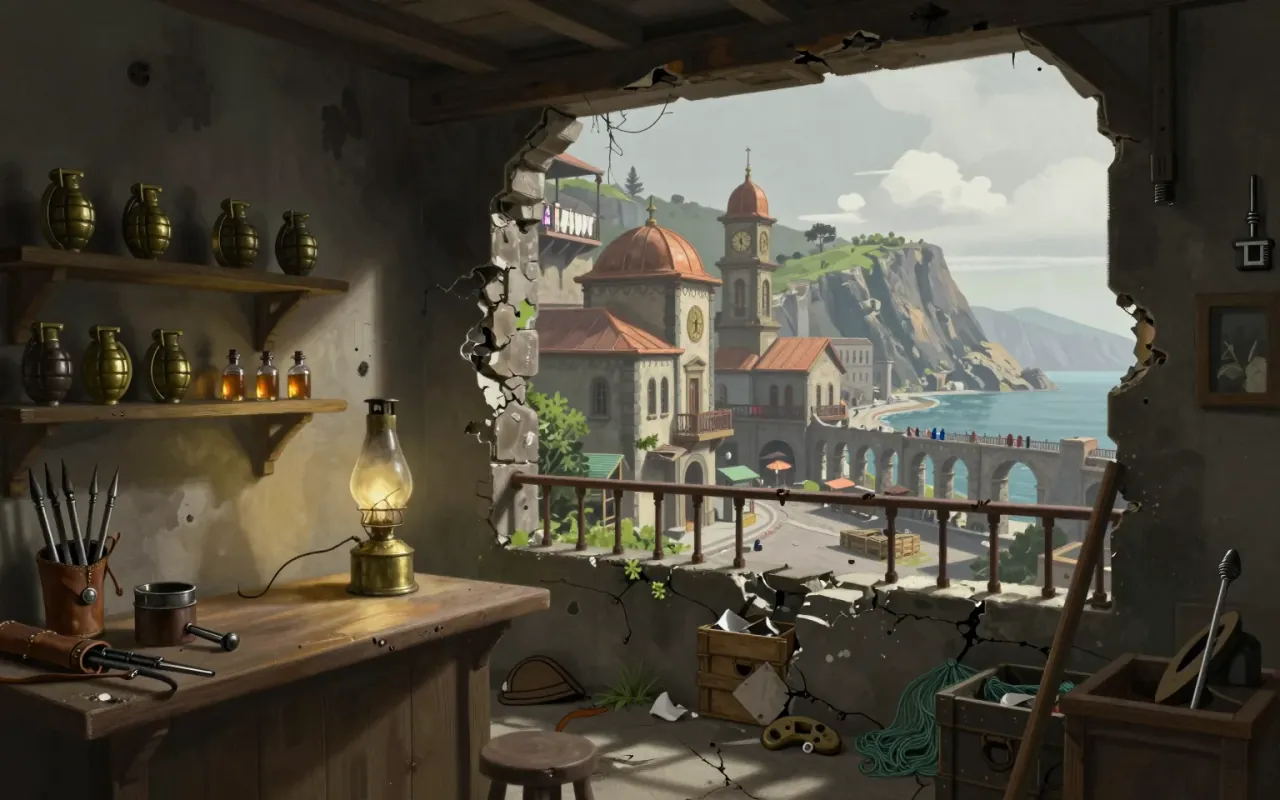
You move through dense, vertical, hand-crafted maps in first-person. You choose Emily or Corvo at the start. Each has unique supernatural abilities — but you may reject all of them. You navigate missions non-linearly, using identical conventional weapons: pistol, crossbow, retractable blade, grenades, mines — all upgradable. Upgrades come from black market shops inside levels and blueprints found in the environment. Side missions unlock new paths, non-lethal options, and alternate assassination methods. The Void Engine enables larger, denser maps than its id Tech 5 base allowed.
What works
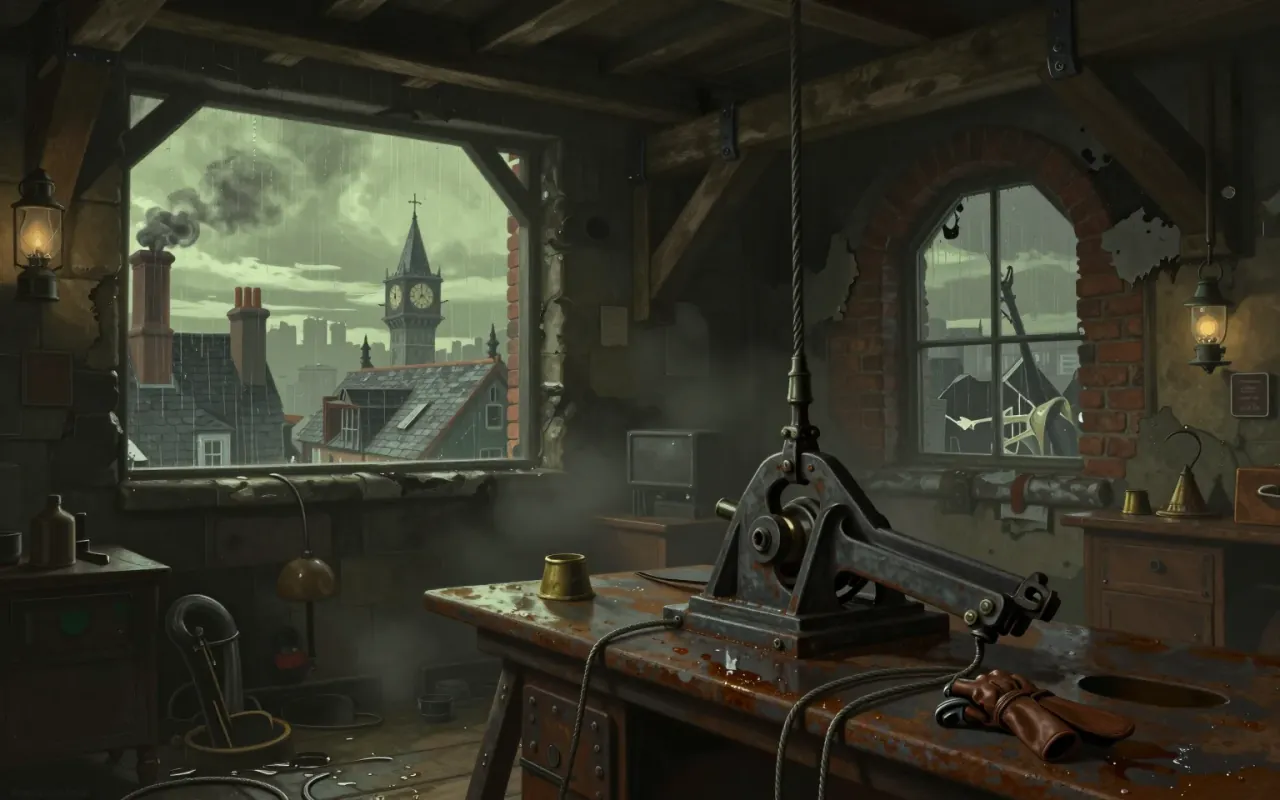
The density and verticality of its maps reward exploration and improvisation. Environmental storytelling is embedded in architecture, objects, and audio logs — not cutscenes. Weapon and ability upgrades are tied directly to player agency: you find blueprints, spend in-level currency, and choose what to prioritise. Side missions meaningfully expand tactical options within main missions.
What does not
The game does not meaningfully differentiate Emily and Corvo beyond their powers. Their story arcs converge mechanically and narratively. Rejecting all supernatural abilities leaves you under-resourced: no ability-based traversal or evasion, yet no compensatory design. The nonlinear structure rarely forces consequential choices — most paths lead to the same outcome with minimal feedback.
Who it is for, and who it is not
It is for players who enjoy methodical, systems-driven stealth where movement, sound, light, and line-of-sight are primary inputs. It is not for players who prioritise narrative consistency, character-driven stakes, or tightly authored set-pieces.
Is it worth your time
Yes — if you want a stealth-action game that rewards observation, environmental reading, and repeated playthroughs with different tools and characters. No — if you expect tight pacing, narrative cohesion across both protagonists, or meaningful consequences for rejecting the supernatural entirely.