What the game is
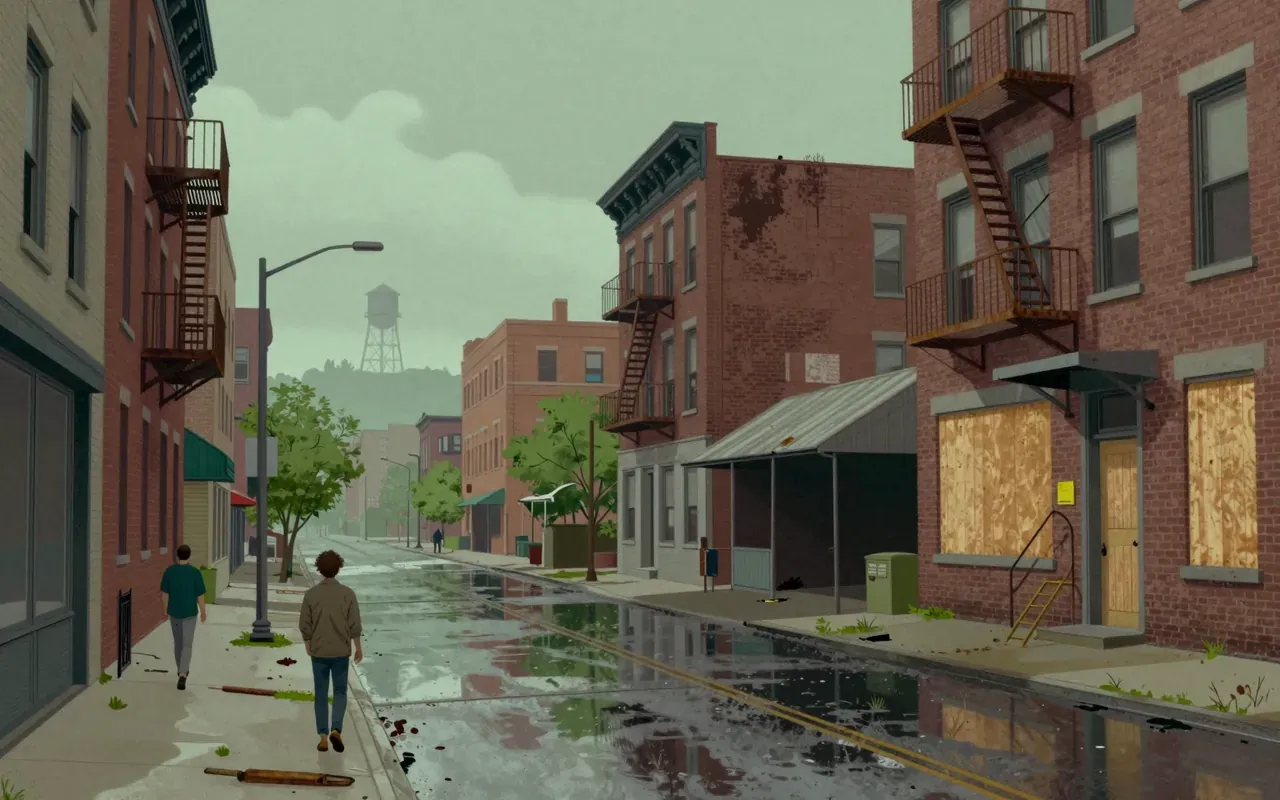
A post-apocalyptic third-person action-adventure game set in a United States overrun by humans infected with a Cordyceps-like disease. It follows the plight of Ellie and Joel—and later Abby—as they navigate trauma, vengeance, and survival.
How it actually plays
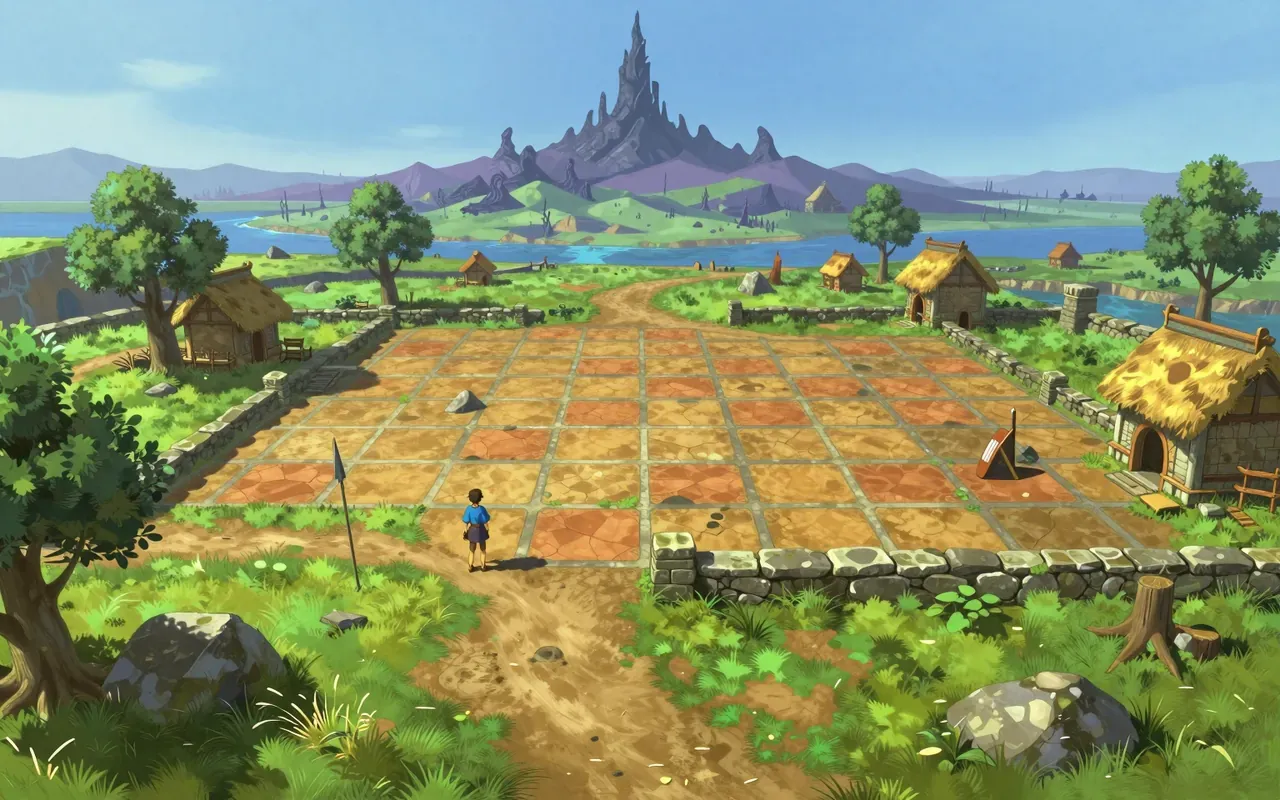
The player alternates control between Ellie and Abby, with a brief opening segment as Joel. Movement is third-person, grounded in traversal across ruined buildings, forests, and open terrain. Platforming is light but functional: jumping and climbing grant access or tactical height. Some areas require horse or boat navigation. Combat uses firearms (rifles, bows, pistols, revolvers), scavenged melee weapons (machetes, hammers), and thrown objects (bricks, bottles) for distraction or damage. Listen Mode aids spatial awareness. Glass objects like windows can be broken to enter spaces or collect supplies.
What works
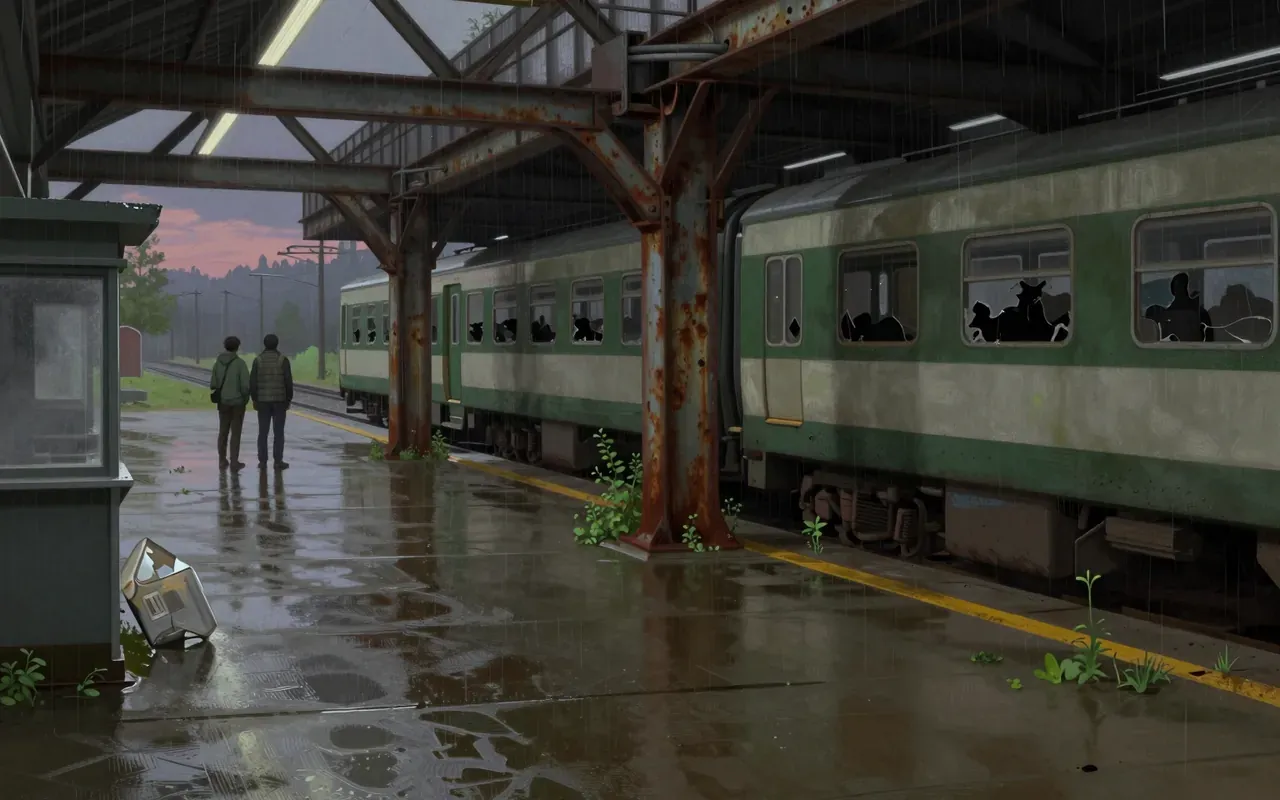
Its environmental storytelling is precise: every broken window, abandoned campsite, and scavenged note reinforces world logic and character motive. The traversal-combat loop—scavenge, craft, listen, engage, adapt—is consistently tuned. Platforming and vehicle use integrate cleanly into pacing without abstraction.
What does not
It does not offer meaningful player choice in story direction or moral consequence. Its structure withholds mechanical variety: combat loops repeat with escalating enemy density but no evolving systems. The shift to Abby does not reframe core mechanics—it reframes perspective only.
Who it is for, and who it is not
It is for players who prioritise authored narrative over systemic play, who accept linear progression as a feature not a limitation, and who tolerate prolonged emotional intensity. It is not for players who require mechanical novelty, player-driven meaning, or tonal relief.
Is it worth your time
Yes—if you want a tightly scripted, technically polished narrative action-adventure that demands sustained emotional investment in morally unrelenting choices. It is not for players seeking agency, systemic depth, or respite from its tone.