Torchlight proves dungeon generation works best when it’s hand-stitched, not algorithmically stitched.
Torchlight is a single-player action role-playing game released for Windows on October 27, 2009. It was developed by Runic Games and published by Perfect World Entertainment and Encore, Inc. The game is set in the fictional town of Torchlight and the caverns and dungeons nearby. Players control a lone hero who explores randomized dungeons built from hand-designed modular chunks. Combat is point-and-click on PC. The loop is clear: descend, kill monsters in large groups, collect loot, return to the single town hub to sell, buy, and accept quests. Quests drive progression through unique boss battles. Side and random quests offer optional detours. The modular chunk system creates dungeons with intention—not randomness for its own sake. Levers open secret doors. Bridges move. Rooms connect meaningfully. The isometric-like overhead perspective gives spatial clarity. Loot drops frequently and visibly. The town hub is lean: one place to sell, buy, and take quests—no filler. It does not support co-op or multiplayer. It offers no character customisation beyond class choice. There is no endgame beyond completing the main questline and replaying with new classes. The town hub is static and unchanging. No lore depth or worldbuilding beyond functional exposition.
Torchlight is a single-player action role-playing game released for Windows on October 27, 2009. It is set in the fictional town of Torchlight and the caverns and dungeons nearby. It was developed by Runic Games and published by Perfect World Entertainment and Encore, Inc.
How it actually plays
The player controls a lone hero who explores randomized dungeons built from hand-designed modular chunks. Each chunk contains rooms, levers, secret doors, and scripted events. Combat is point-and-click on PC: click to move, click to attack, hotkey abilities. The loop is clear: descend, kill monsters in large groups, collect loot, return to the single town hub to sell, buy, and accept quests. Quests drive progression through unique boss battles. Side and random quests offer optional detours.
What works
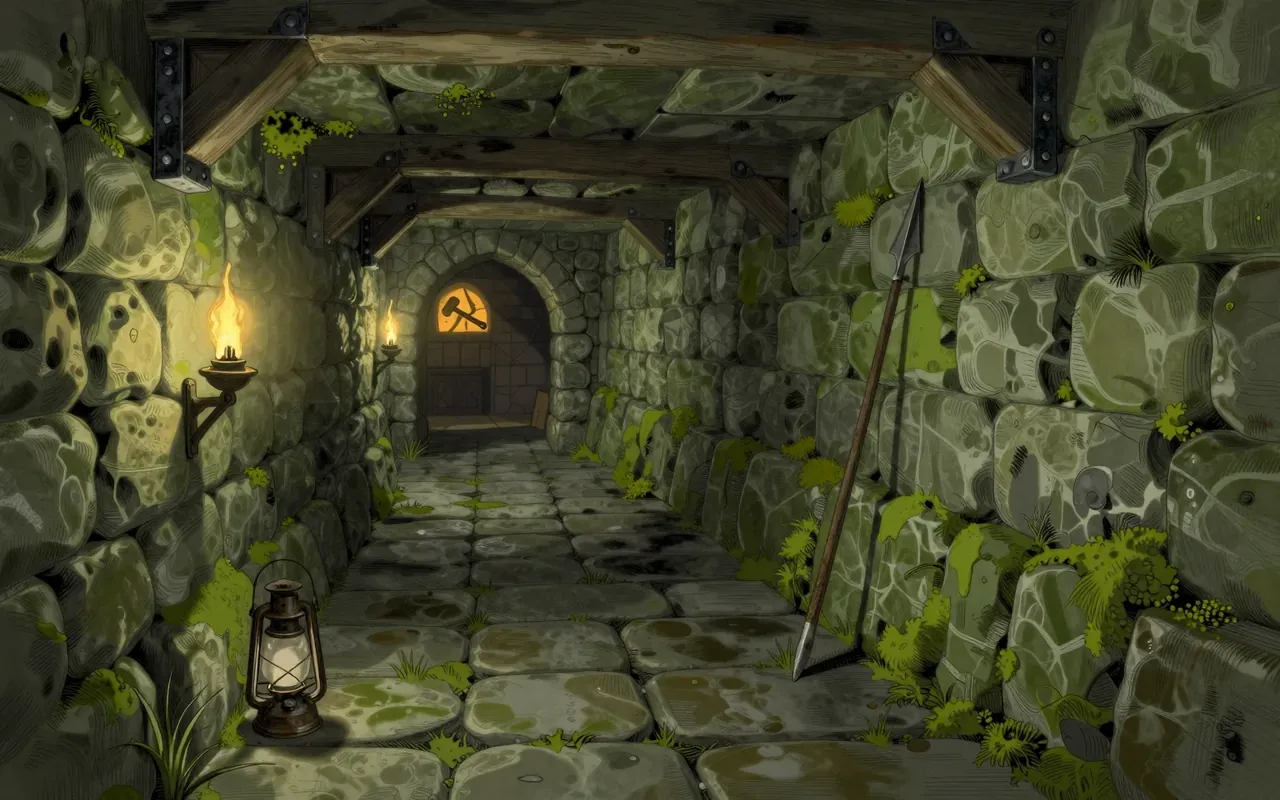
The modular chunk system creates dungeons with intention—not randomness for its own sake. Levers open secret doors. Bridges move. Rooms connect meaningfully. The isometric-like overhead perspective gives spatial clarity. Loot drops frequently and visibly. The town hub is lean: one place to sell, buy, and take quests—no filler.
What does not
It does not support co-op or multiplayer. It offers no character customisation beyond class choice. There is no endgame beyond completing the main questline and replaying with new classes. The town hub is static and unchanging. No lore depth or worldbuilding beyond functional exposition.
Who it is for, and who it is not
It is for players who want a focused, loot-driven ARPG session without social features, lore overload, or open-world sprawl. It is not for players seeking co-op, deep narrative, modding support, or persistent world simulation.
Is it worth your time
Yes—if you want a tightly scoped, single-player ARPG that delivers loot, pace, and purposeful dungeon design without multiplayer bloat or narrative sprawl. It asks for your attention in 30–60 minute sessions. It does not ask for your time beyond what it delivers.