gamesbriefs
11:39in productionCh. 1 · What kind of game is it?/ 11:39 · ceiling 15 min
Shooter · RPG

Borderlands (video game)

Borderlands is not a story about a Vault—it’s a factory for loot, and every bullet fired is a vote for more.

Borderlands (2009) is a role-playing shooter developed by Gearbox Software. It combines first-person shooter action with RPG systems—including four distinct Vault Hunters, branching skill trees, mission-driven progression, and a procedural loot engine generating over 15 million weapon and gear variations. Its cell-shaded-like art style gives Pandora a comic-book appearance. Players fight hostile wildlife and human forces on the fictional planet while seeking a fabled Vault.

Chapters & takeaways4
  1. 1:10
    What kind of game is it?

    It is a role-playing shooter—not an RPG with shooting, but a shooter whose core verbs are level, allocate, equip, and sell.

  2. 3:09
    How do you grow stronger?

    You build your Vault Hunter by spending points across three branches—and you can undo it later, for cash.

  3. 4:53
    What does 'procedural loot' actually mean?

    Over 15 million guns exist—but none are hand-authored, so none carry intention beyond their stats.

  4. 7:26
    What does Pandora look like—and why?

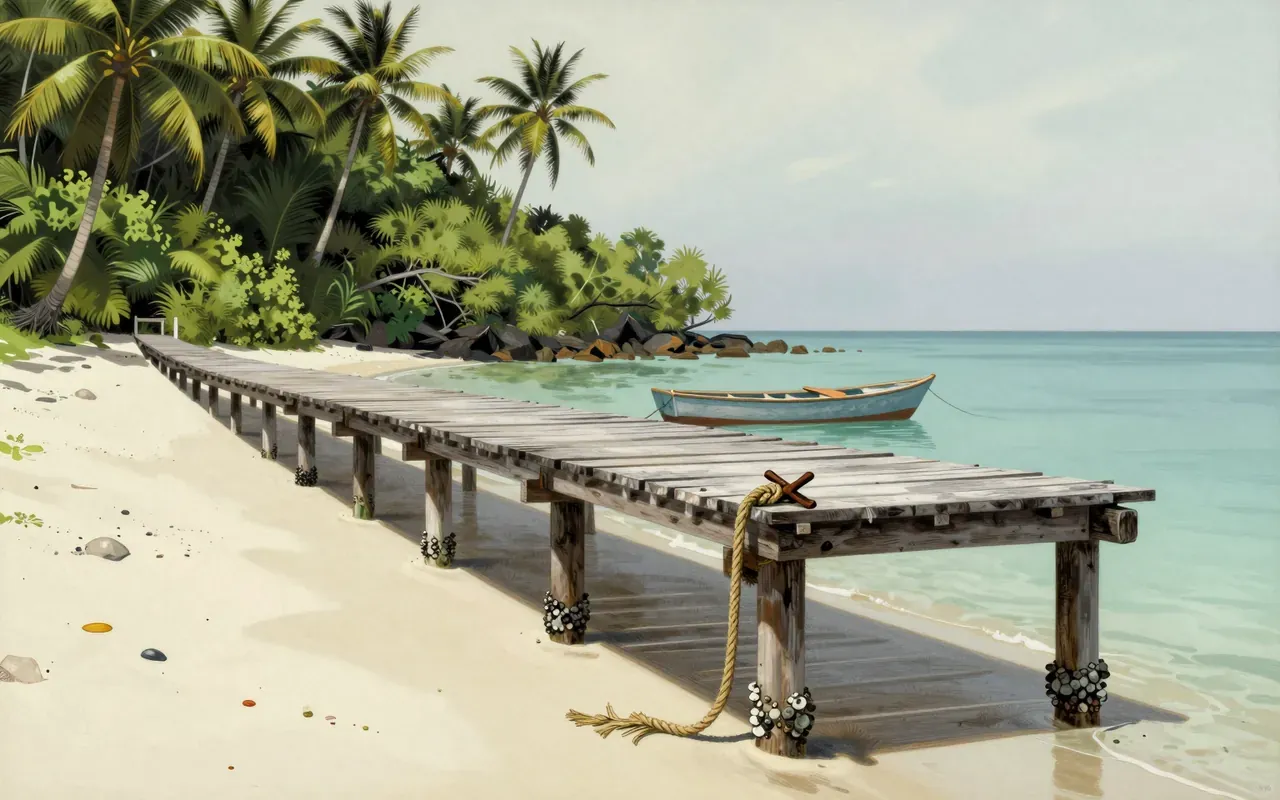
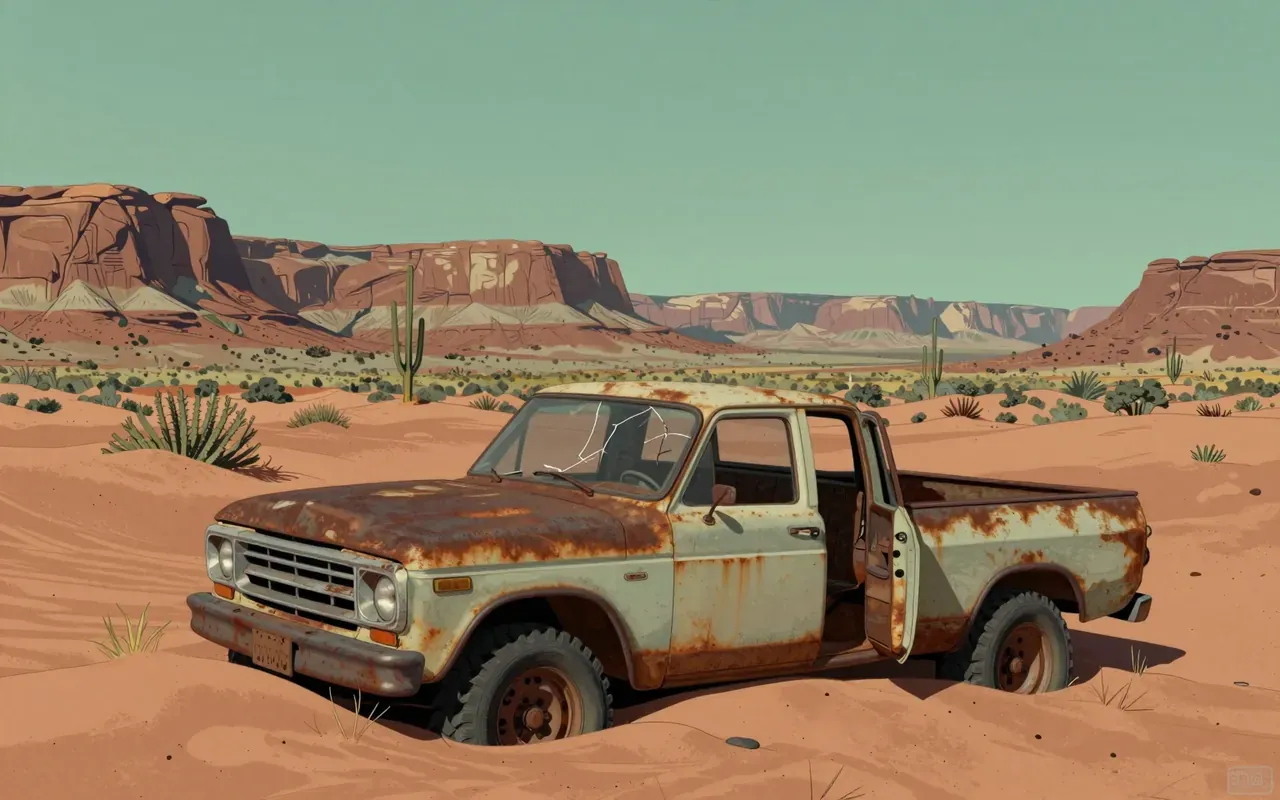
    Pandora is drawn like a comic book, not built like a world: its purpose is contrast, readability, and tone—not geography or ecology.

Worth your time?

Yes. Play the whole thing.

3.5/ 5
What works
  • cell-shaded-like comic-book art style
  • immediate, legible, self-reinforcing loop
  • co-op baked into design: shared drops, scalable enemy difficulty, complementary skills
What does not
  • narrative cohesion
  • environmental consistency
  • mechanical precision
Play it if
  • players who enjoy mechanical dopamine
  • players who treat progression as inventory management
Skip it if
  • players who prioritise authored pacing
  • players who prioritise environmental storytelling
  • players who prioritise tightly balanced combat
The written brief1 min read

What the game is

A role-playing shooter. It merges FPS action with RPG character-building: four distinct Vault Hunters, branching skill trees, mission-based progression, and a procedural loot engine generating over 15 million weapon and gear variations.

How it actually plays

Players choose one of four Vault Hunters, each with a unique skill and weapon proficiencies. They accept missions from NPCs or bounty boards. They kill human and non-human enemies, complete challenges, and earn experience. Leveling up unlocks skill points to spend across three branching specialisations. Players start with two weapon slots and unlock up to four, plus dedicated slots for shield, grenade mod, and class mod. They sell loot to vendors to buy better gear. Weapons and gear drop procedurally—over 15 million variations—from enemies and missions.

What works

The cell-shaded-like comic-book art style gives Pandora visual clarity and tonal consistency. The loop—fight, loot, level, respec, repeat—is immediate, legible, and self-reinforcing. Co-op is baked into the design: shared drops, scalable enemy difficulty, and complementary skills make grouping additive rather than optional.

What does not

The procedural loot system does not guarantee meaningful progression. Weapon stats fluctuate wildly, making upgrades feel arbitrary. The skill trees offer flexibility but no hard trade-offs—players can respec freely for money. The world of Pandora is hostile but shallow: wildlife and human factions exist only as combat fodder, not as systems or cultures.

Who it is for, and who it is not

It is for players who enjoy mechanical dopamine—clear cause and effect between action and reward—and who treat progression as inventory management. It is not for players who prioritise authored pacing, environmental storytelling, or tightly balanced combat.

Is it worth your time

Yes—if you want a co-op loot loop that rewards repetition with tangible, visible upgrades and thrives on low-stakes, high-colour chaos. No—if you need narrative cohesion, environmental consistency, or mechanical precision.
Same strand · Shooter4 of 77
Up next in Games

Braid (video game)

Jonathan Blow · 2008 · 10:15

Braid is not about time travel — it is about learning to think in reverse.

10:15