What the game is
Borderlands 2 is a first-person shooter fused with role-playing and roguelike mechanics. It uses procedural generation to produce millions of distinct weapons and gear items. Players assume the role of a Vault Hunter on Pandora, fighting hostile wildlife and human forces while seeking a legendary Vault.
How it actually plays
You shoot enemies. You loot corpses, containers, and vendors. You equip weapons with distinct stats and manufacturer traits. You level up, assign skill points to class-specific trees, and trigger cooldown-limited Action Skills. You explore semi-open zones on Pandora, unlocking areas by completing story missions. You repeat this loop across two full playthroughs in True Vault Hunter Mode.
What works
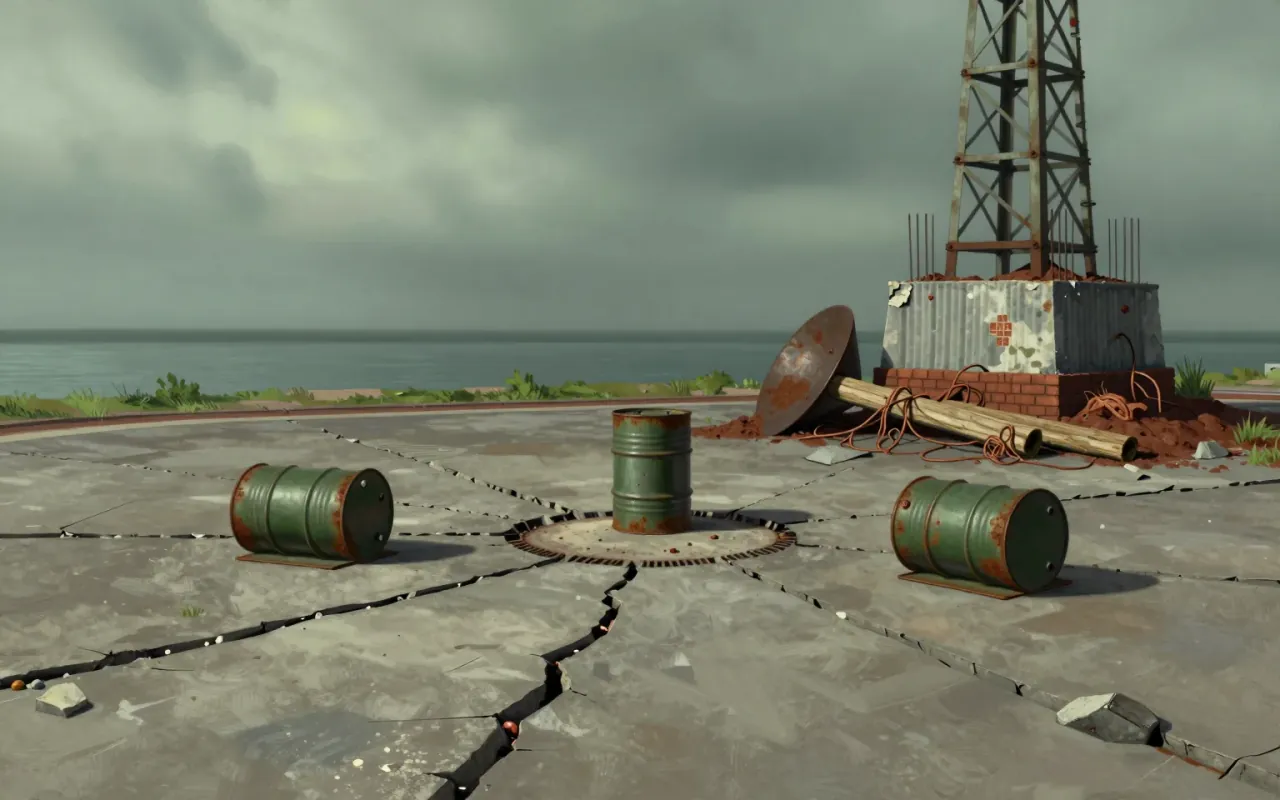
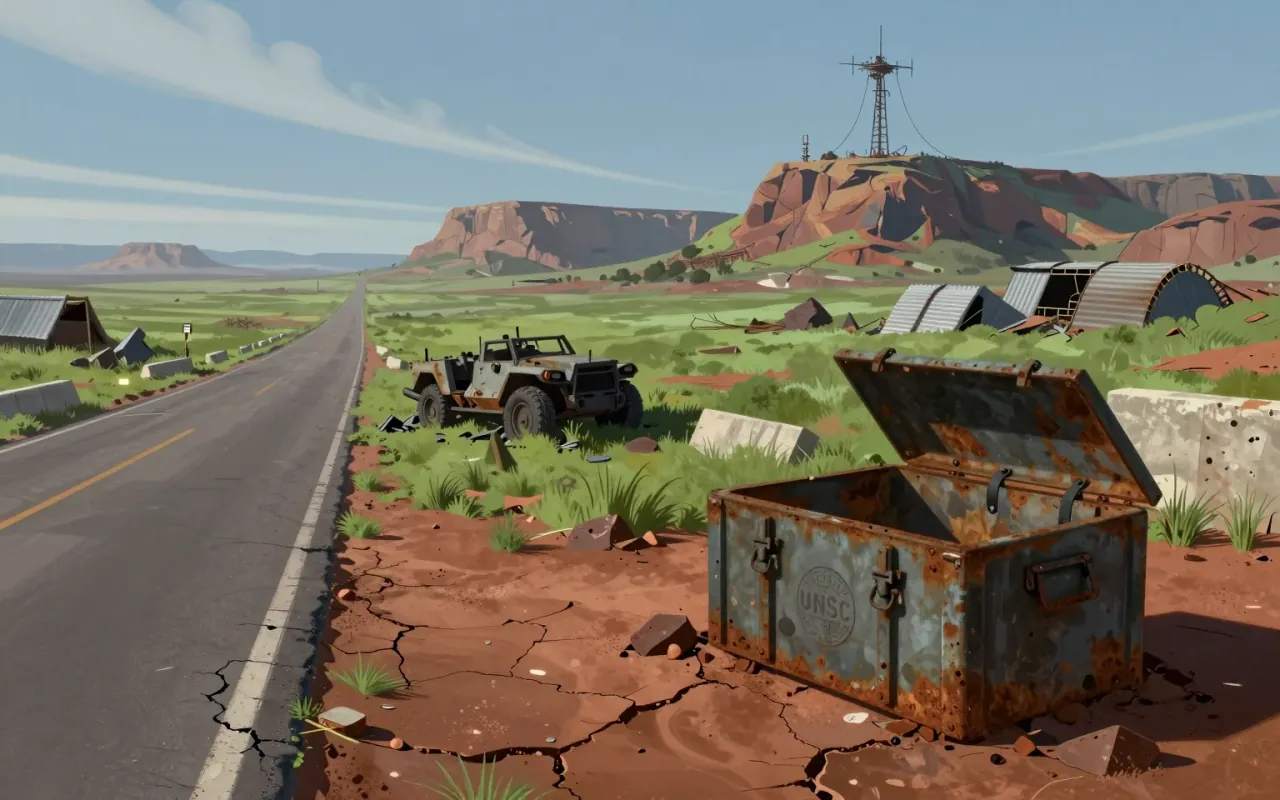
The procedural loot system delivers tangible, stat-driven variation across six weapon types. Each class’s Action Skill has clear tactical function and cooldown rhythm. New Game Plus meaningfully reshapes progression by raising the level cap, increasing enemy strength, and improving loot rarity. The cell-shaded art style gives visual cohesion without masking gameplay clarity.
What does not
It does not sustain narrative momentum. Dialogue is tonally inconsistent. Side missions lack mechanical distinction from main ones. The world feels curated, not emergent. There is no meaningful consequence to player choice beyond XP and loot.
Who it is for, and who it is not
It is for players who enjoy inventory management as gameplay, who find satisfaction in comparing fire rate versus reload speed, and who want co-op scaling that preserves individual build identity. It is not for players who prioritise environmental storytelling, systemic interaction, or narrative consequence.
Is it worth your time
Yes—if you want a tightly tuned loot-and-shoot loop that rewards repetition with escalating power and variety. It asks for attention to weapon stats and class synergies, not reflexes or precision.