What the game is
Bulletstorm is a 2011 first-person shooter developed by People Can Fly and published by Electronic Arts. It is defined by its skillshot-driven combat loop and absence of competitive multiplayer.
How it actually plays
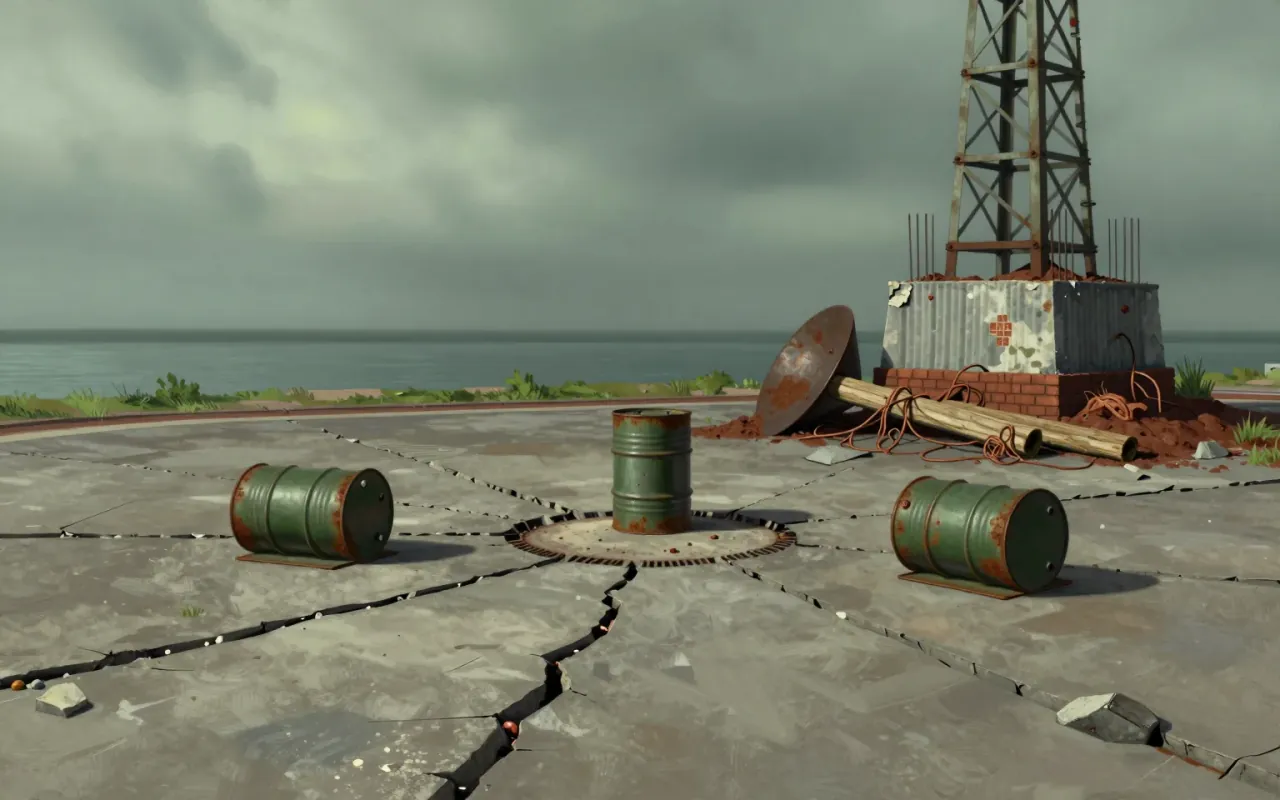
Players control Grayson Hunt. They kick, slide, and use the instinct leash to pull enemies. The Thumper slams down to launch enemies and barrels into the air. Enemies in the air enter slow motion. Players then execute skillshots with eight weapons, each with distinct behaviours and charge-based alternate fire. Skillpoints earned fund purchases at dropkits. Sessions are built around chaining actions to trigger physics-driven kills. There is no cover system. There is no competitive multiplayer.
What works
The skillshot loop works: pulling, launching, slowing, and shooting creates immediate cause-and-effect feedback. Weapon behaviours are distinct and legible. Movement tools—kick, slide, leash, Thumper—are unified by one rule: get enemies airborne. Dropkits give tangible, session-long goals. Anarchy and Echoes modes extend replay value without relying on matchmaking.
What does not
It does not sustain narrative investment. It does not support long-term progression outside of skillpoint economy. It does not offer meaningful choice in pacing or mission structure. It does not accommodate players who dislike repetition or emergent chaos.
Who it is for, and who it is not
It is for players who enjoy mechanical experimentation, physics gags, and short, high-energy sessions. It is not for players who prioritise story, realism, strategic cover play, or competitive ranking.
Is it worth your time
Yes—if you want a tightly wound, physics-first shooter that rewards improvisation over precision. No—if you need narrative cohesion, tactical depth, or replayability beyond score chasing.