What the game is
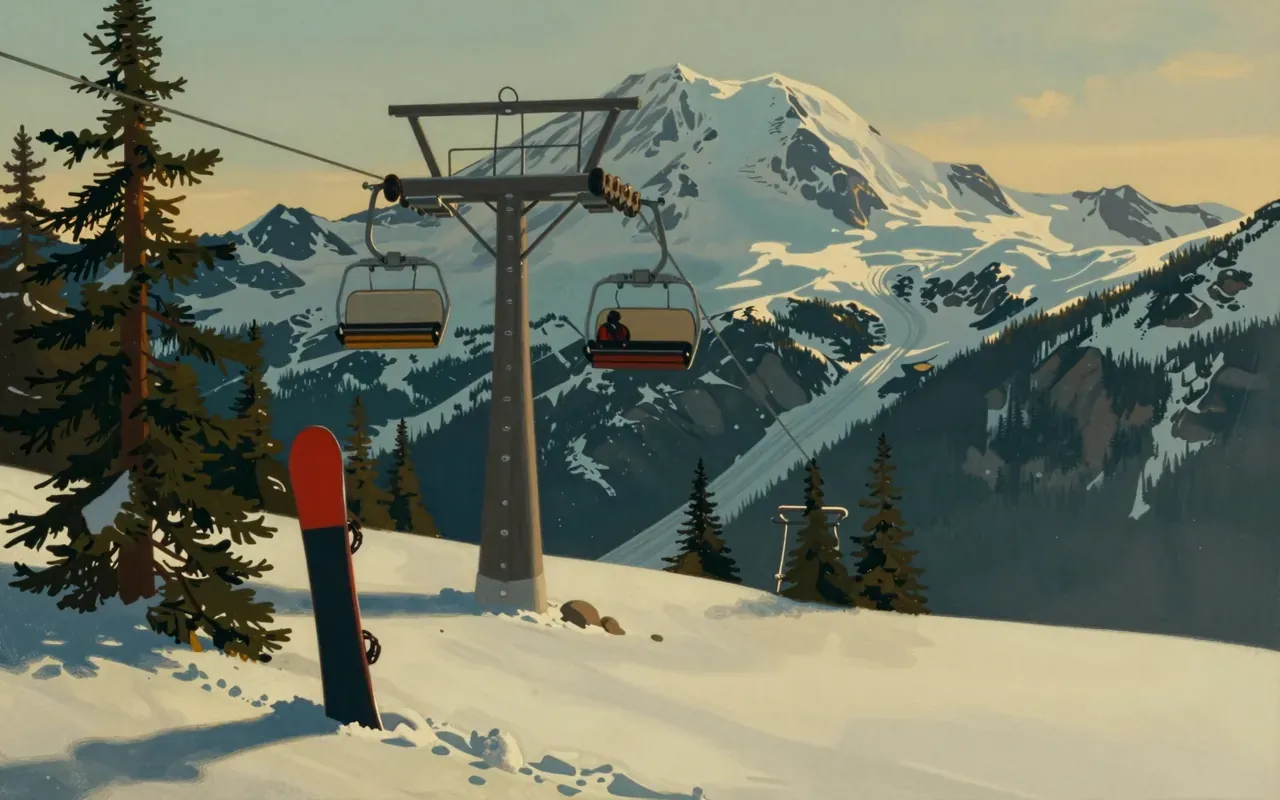
SSX Tricky is a 2001 arcade snowboarding game developed by EA Canada for PlayStation 2, GameCube, and Xbox. It is part of the EA Sports BIG line: fast, loud, stylised, and built around exaggerated physics and progression gated by performance.
How it actually plays
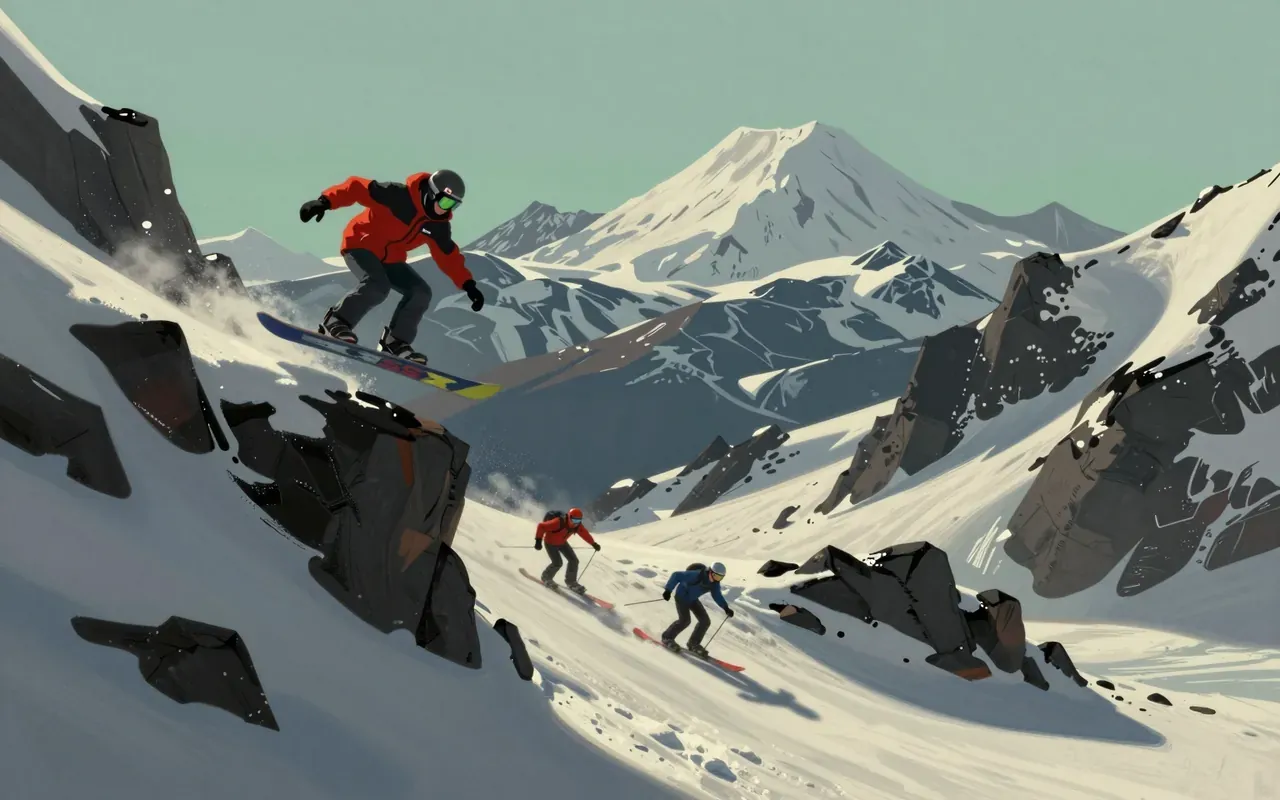
Players pick one of twelve characters and race or perform tricks on snowboard tracks. The core loop is building adrenaline to trigger Uber Tricks—exaggerated, board-detaching stunts—then chaining six to unlock unlimited boost. Knocking down rivals makes them more hostile. Progression unlocks courses, characters, boards, and abilities via medals; outfits come from completing character-specific trick books. Tracks remix SSX originals like Merqury City and Tokyo Megaplex, plus Garibaldi and Alaska.
What works
The adrenaline-to-Uber-Trick loop creates immediate feedback and escalating stakes. Remixing familiar tracks with new ones maintains momentum without reinvention. The trick book system ties character identity to player action—not lore, but execution. Medals gate content meaningfully: every unlock changes how the game feels to ride.
What does not
It does not sustain long-term engagement through depth. The rivalry system adds friction but no meaningful strategy. Uber Tricks are flashy but mechanically shallow—once mastered, they repeat without variation. No track evolves mid-race. No consequence follows from losing beyond restarting.
Who it is for, and who it is not
It is for players who enjoy short, repeatable sessions built around mastery of a single mechanic—here, timing, air control, and aggression. It is not for players seeking simulation, narrative, or systemic complexity. It assumes familiarity with SSX’s basic method and rewards doubling down on it.
Is it worth your time
Yes—if you want a tightly wound, high-speed arcade snowboarder that rewards risk, repetition, and absurdity. It does not ask for patience, realism, or narrative investment. It asks for reflexes, pattern recognition, and tolerance for its own cartoon physics.