What the game is
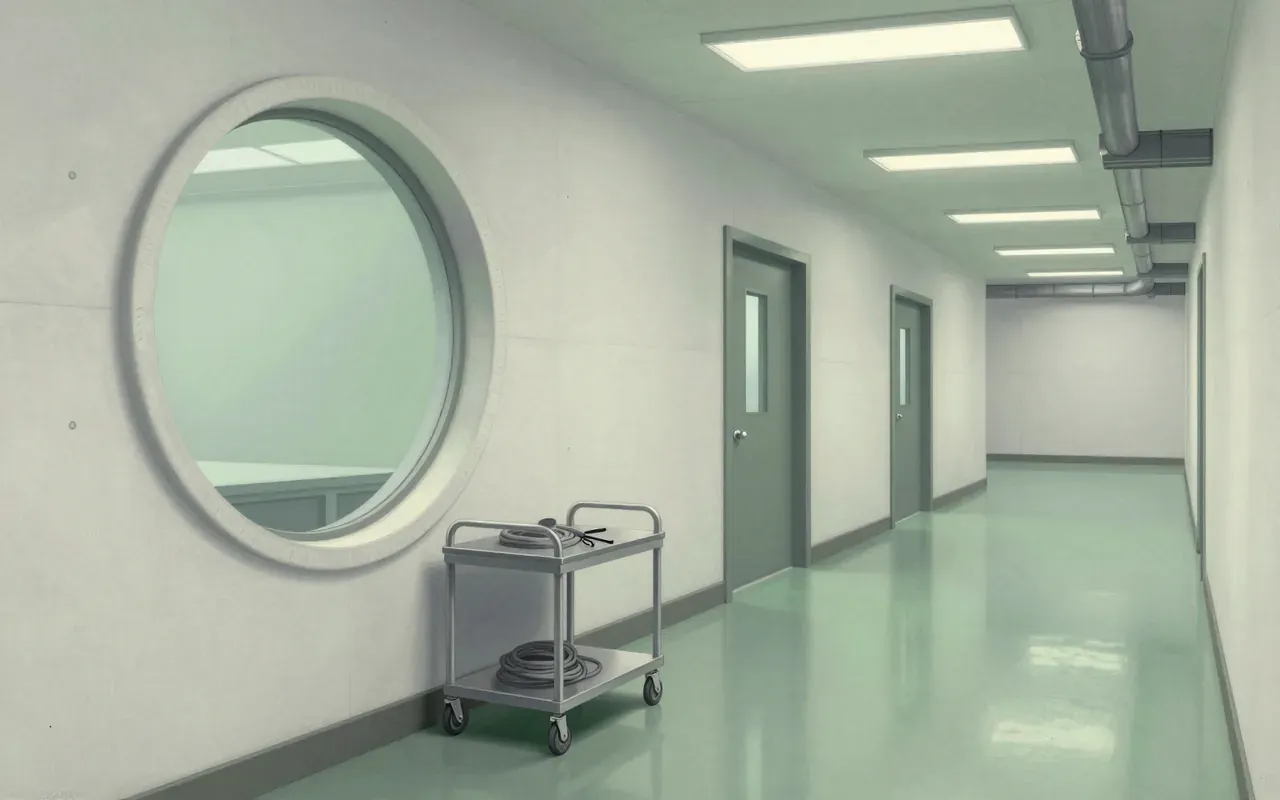
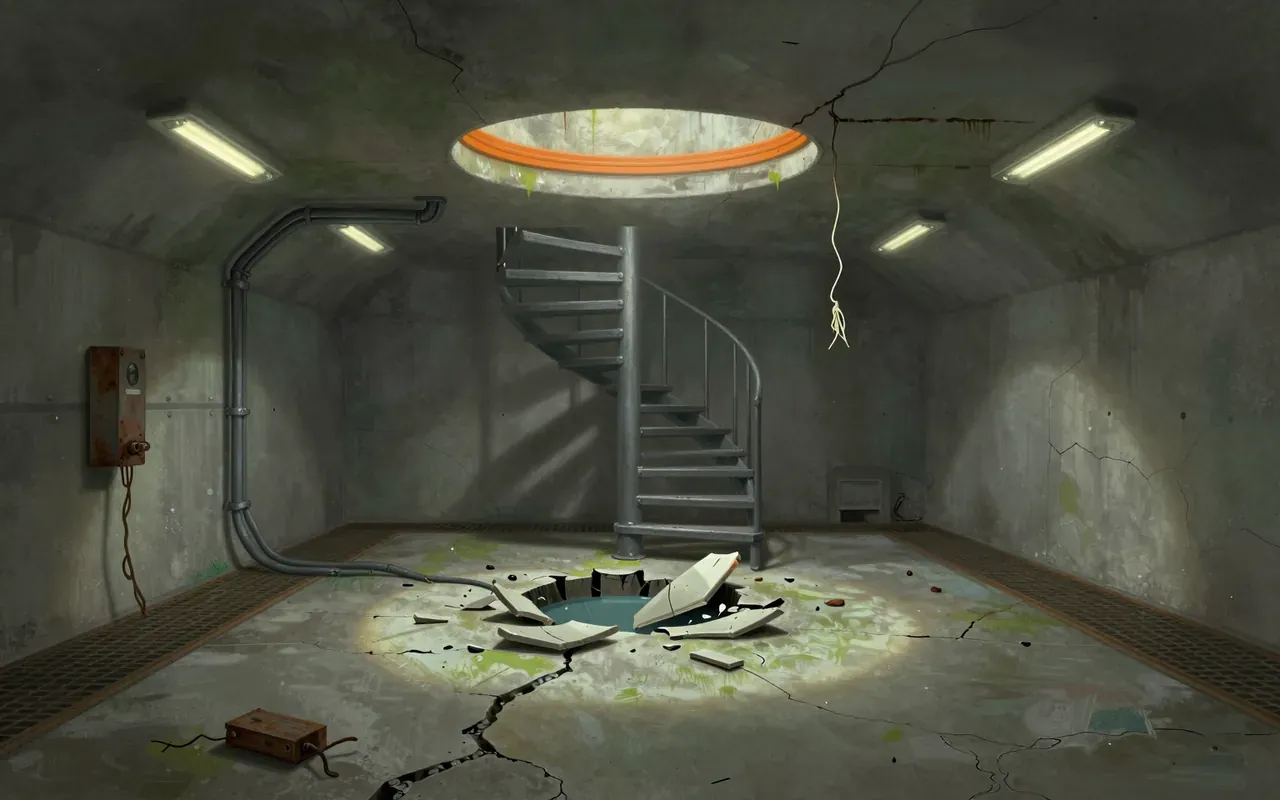
A first-person puzzle-platform game set inside the decaying Aperture Science facility. Players solve spatial logic problems using a portal gun, gels, lasers, tractor beams, and launch plates. Single-player stars Chell. Cooperative mode casts two players as robots Atlas and P-Body.
How it actually plays
Players place two linked portals on flat, light-coloured surfaces to teleport themselves or objects. They fling themselves with portals, route lasers and tractor beams through them, launch off Aerial Faith Plates, disable or evade turrets, and apply gels that change how surfaces behave. Every puzzle teaches one mechanic at a time. Sessions are self-contained test chambers. Progress is linear. Feedback is immediate and unambiguous.
What works
Every mechanic has clear visual language and consistent physics. Portals snap to valid surfaces. Gels retain properties when carried through portals. Lasers travel straight until blocked or bent by portals. Turrets announce intent before firing. The game never hides rules—it reveals them incrementally, then trusts the player to combine them.
What does not
It does not scale challenge through complexity. Later puzzles reuse earlier mechanics without meaningful escalation in scope or systemic interplay. The cooperative mode demands voice chat and precise timing but offers no asymmetric roles—both players use identical tools. It withholds narrative agency: Chell never speaks, acts only on instruction, and has no influence on story outcome.
Who it is for, and who it is not
It is for players who value precision over spectacle, clarity over ambiguity, and elegant constraint over open-ended freedom. It is not for players who need narrative choice, character development, emergent systems, or persistent progression.
Is it worth your time
Yes—if you want tightly scoped spatial reasoning with zero ambiguity and no filler. It asks for attention, not endurance. A single evening covers several chambers. No grinding. No filler dialogue between puzzles. No inventory. No stats. Just cause, effect, and the next portal.