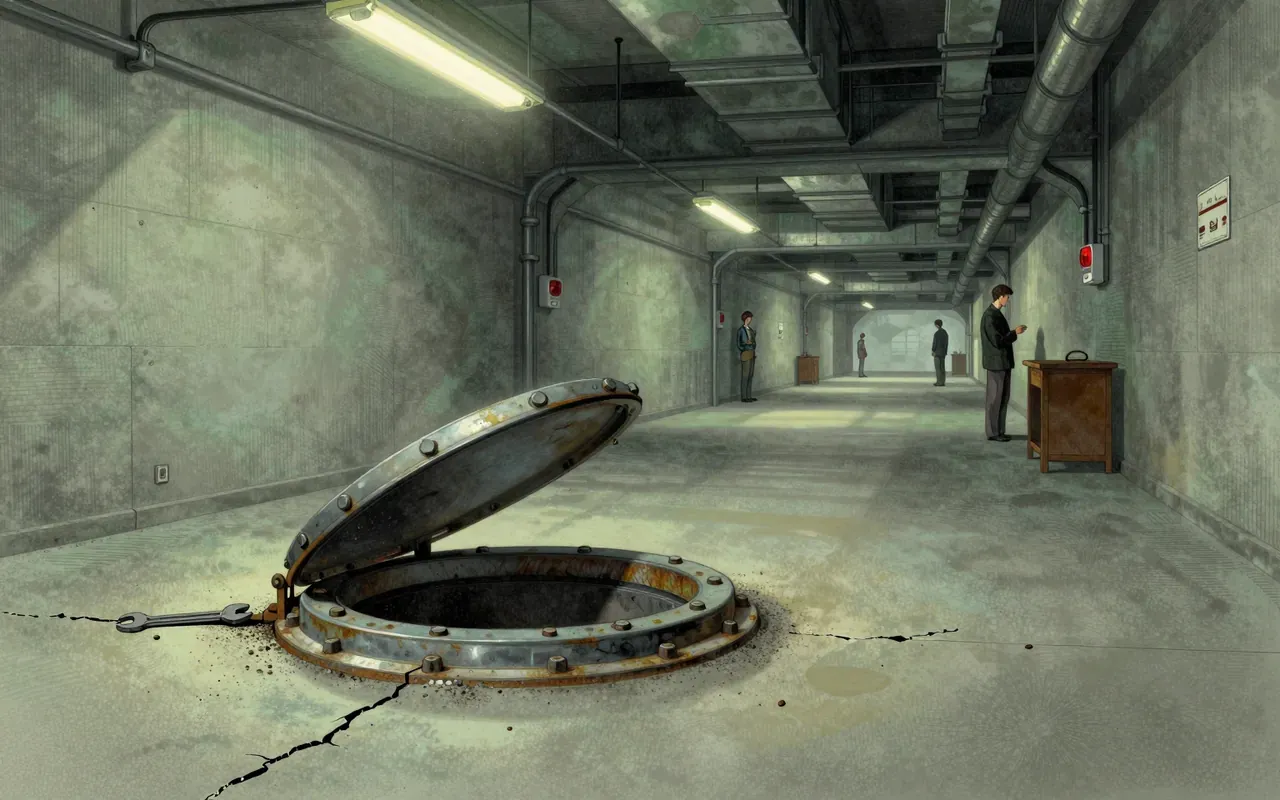
Half-Life (video game)
Valve · 1998
Half-Life replaces cutscenes with continuous control, levels with chapters, and abstract challenges with environmental logic. It asks players to observe, adapt, and inhabit a world—not just shoot through it.

Half-Life replaces cutscenes with continuous control, levels with chapters, and abstract challenges with environmental logic. It asks players to observe, adapt, and inhabit a world—not just shoot through it.
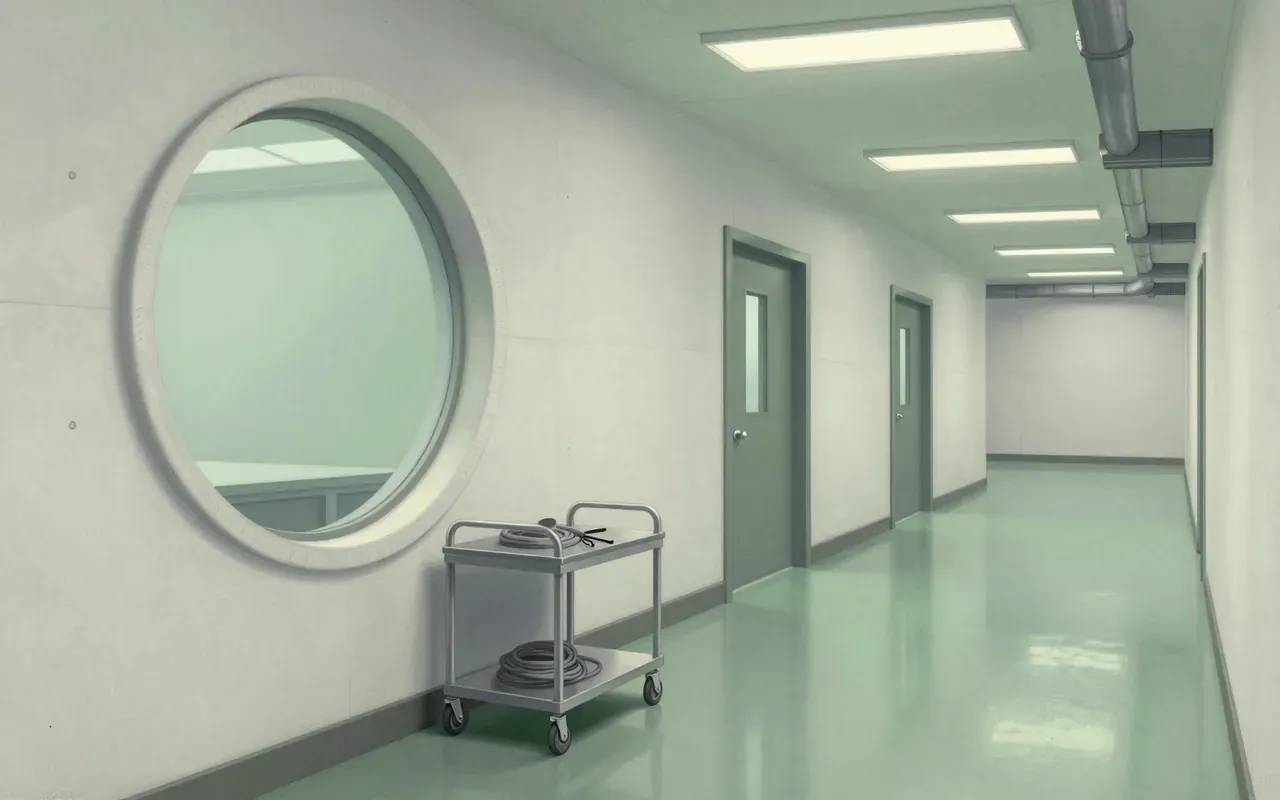
Portal is a first-person puzzle game where players solve spatial challenges using a portal gun that creates bidirectional, color-coded connections between surfaces. Physics-based movement—especially momentum conservation and orientation realignment across portals—forms the core mechanical loop, enabling techniques like 'flinging'. Constraints include inability to place portals through existing portals, on moving or unsuitable surfaces, or past Emancipation Grills, which erase portals and destroy carried objects. Puzzles are structured across test chambers, with optional challenge modes emphasizing efficiency or added hazards. The player controls Chell, a silent protagonist guided and antagonized by GLaDOS, within a clinical, minimalist facility designed to foreground functional geometry over decoration.
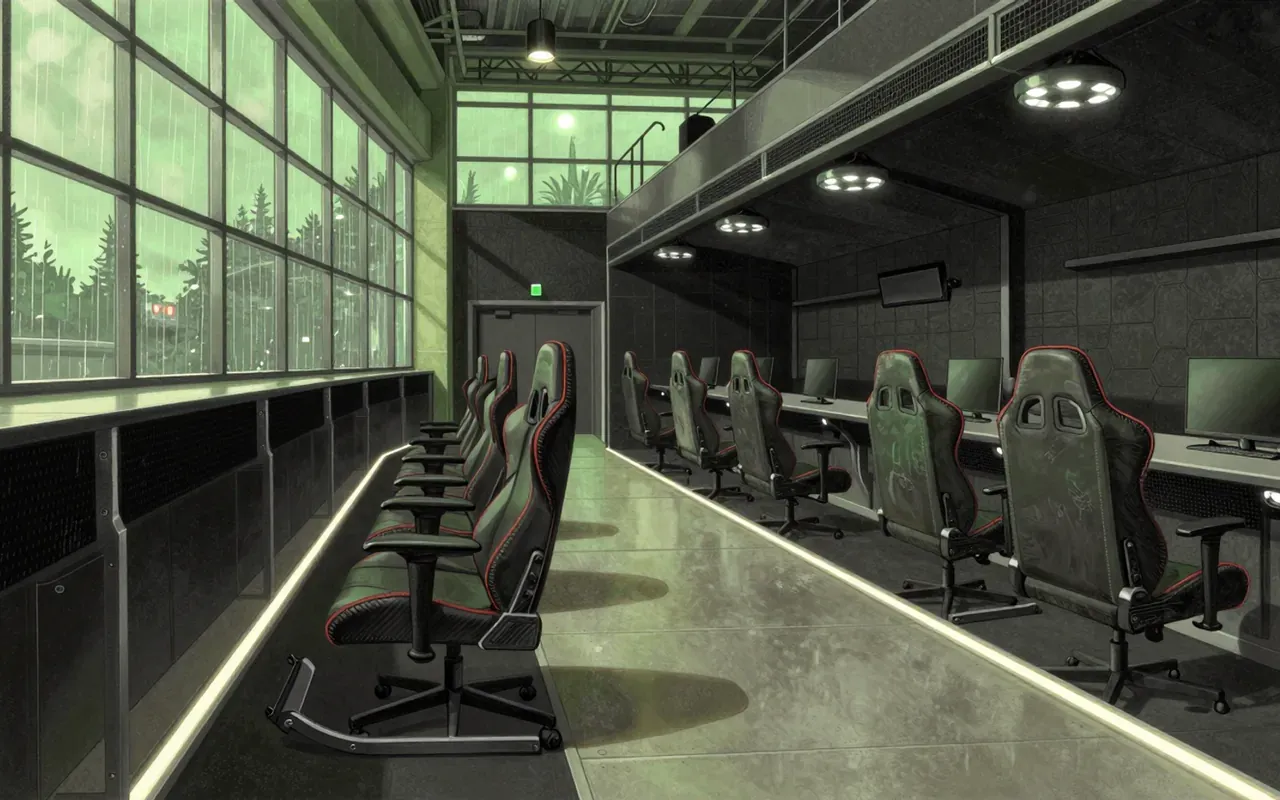
Dota 2 is a rigid, team-bound MOBA that demands mastery of role, map, and timing — with zero concessions to newcomers or casual investment.
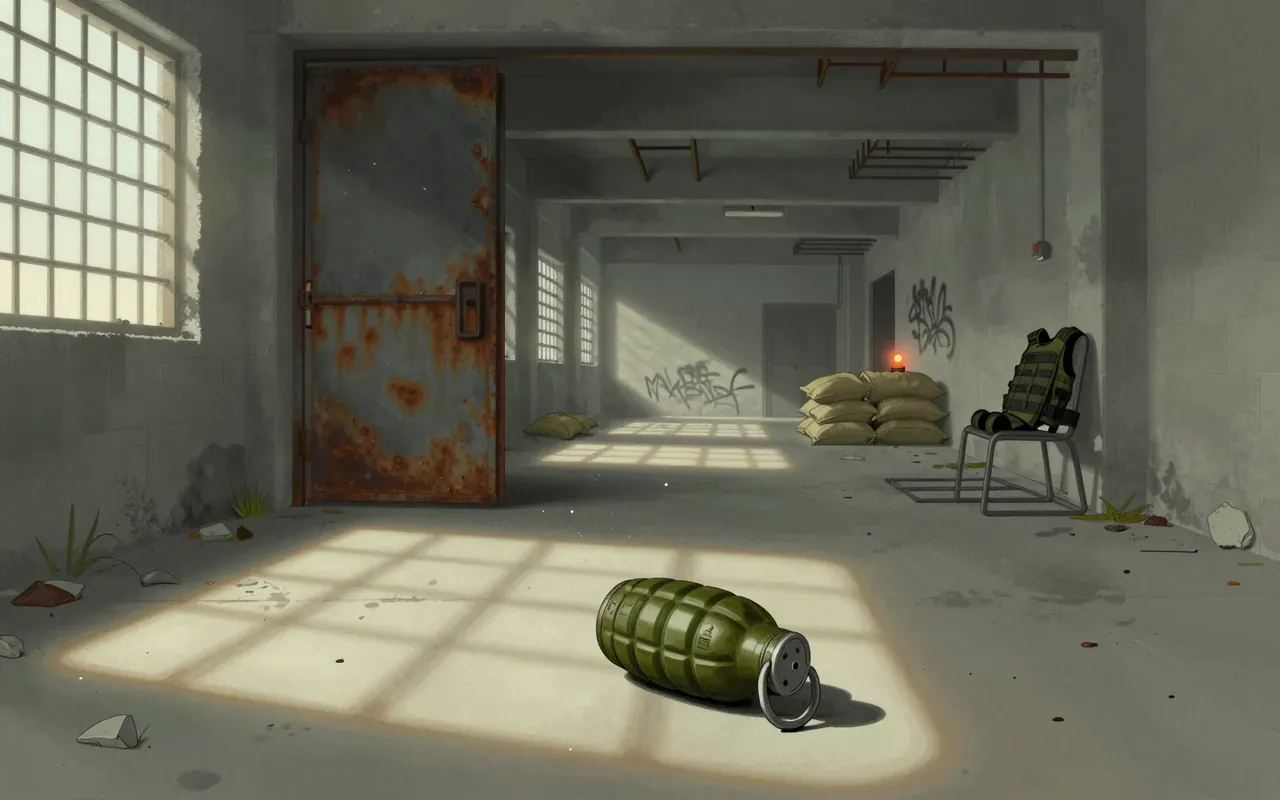
Counter-Strike 2 refines rather than reimagines. Its strength lies in constraint: fixed teams, no respawns, round-based economy, and mechanical precision. It asks for commitment to a narrow, high-stakes loop — and gives nothing back to players who stray from it.
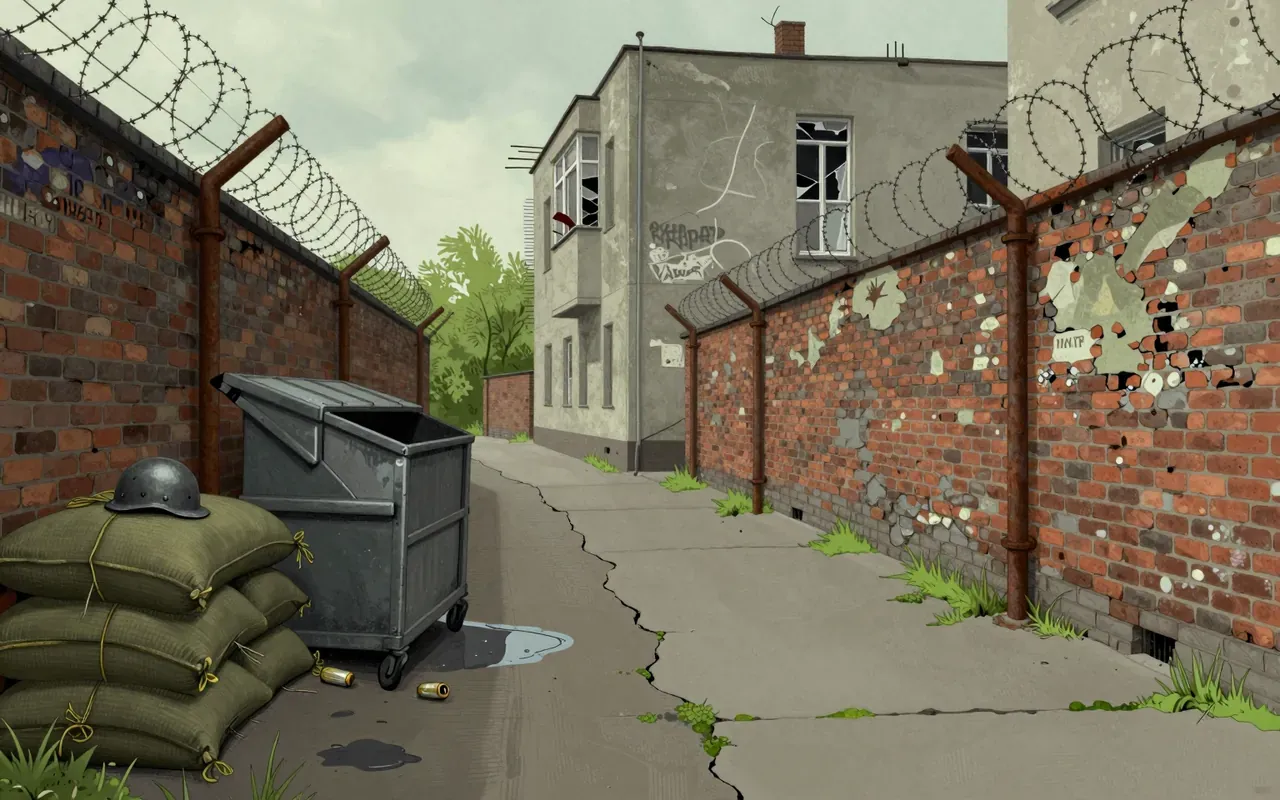
Counter-Strike: Global Offensive is a team-based, round-driven, economy-focused multiplayer shooter where asymmetry, recoil control, and mode-specific rules define every session.
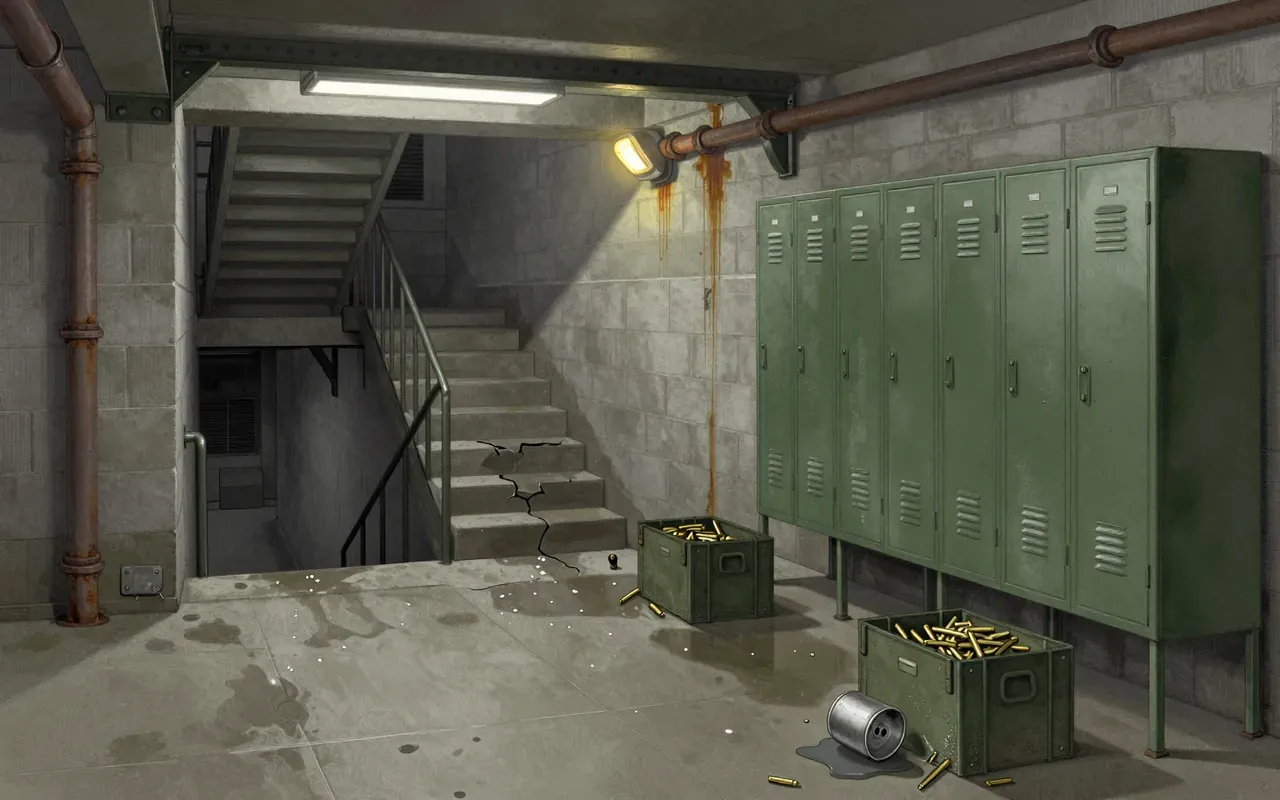
Left 4 Dead is a cooperative first-person shooter released in 2008 by Valve. Players control one of four survivors navigating zombie-infested environments to reach safe areas. Its defining feature is the AI Director, which dynamically adjusts enemy spawns and item placements to ensure varied, tension-filled experiences across playthroughs. Cooperation is structurally enforced via mechanics like wall-visible teammate outlines, shared healing, mandatory revival from incapacitation, and lethal consequences for repeated failure to recover. Campaign mode includes safehouse checkpoints, crescendo events, and defensive finales, while multiple modes (Versus, Survival, Single-Player) extend replayability. The game uses the Source engine and emphasizes cinematic, film-inspired presentation and communication systems — including voice callouts and visual cues — to sustain coordinated group action.
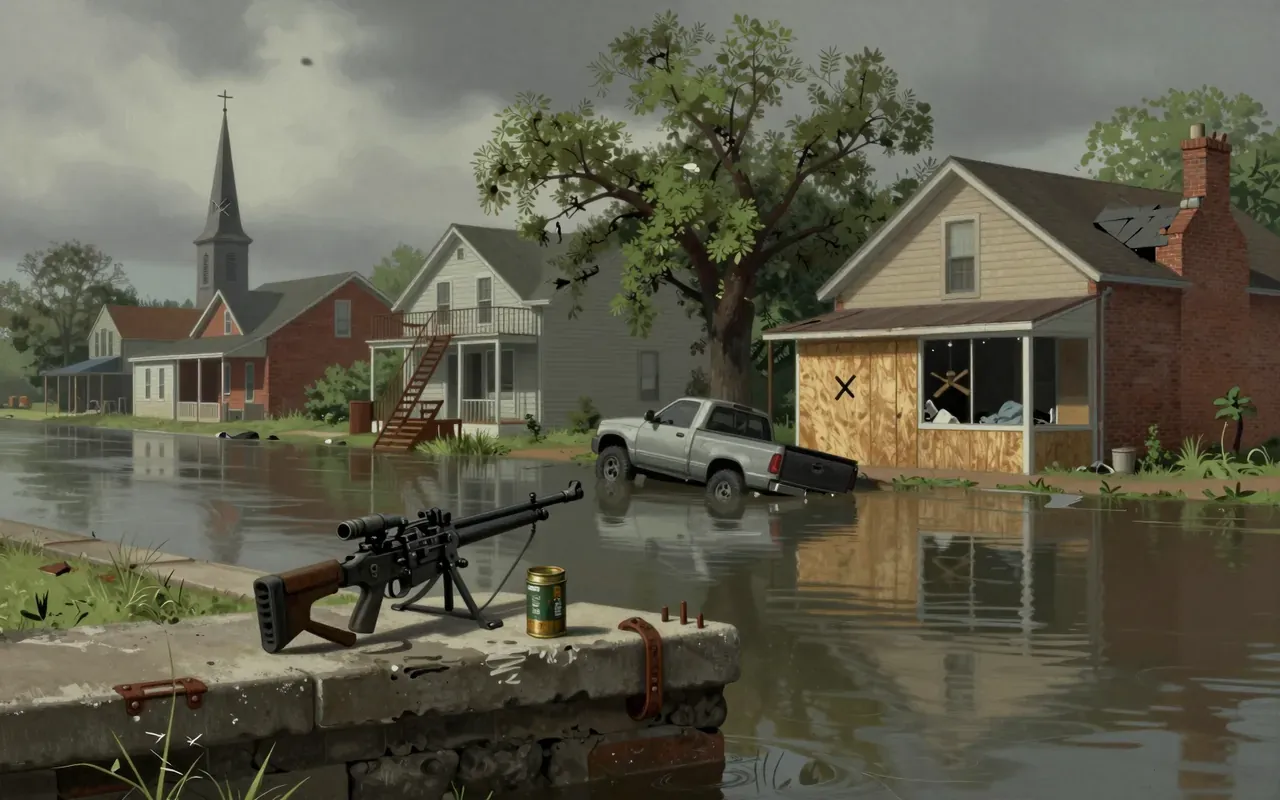
Left 4 Dead 2 is a tightly wound co-op FPS that uses procedural pacing and rigid inventory to forge intense, fleeting group cohesion — but collapses without live human coordination.
Team Fortress 2 is a 2007 multiplayer first-person shooter by Valve Corporation for Windows, Xbox 360, and PlayStation 3. Players join RED or BLU teams and select from nine classes, each with fixed primary, secondary, and melee weapons. Victory depends on class synergy and objective execution. Critical hits randomly triple damage for some weapons. Objectives are introduced via video and announced mid-match by the Administrator.
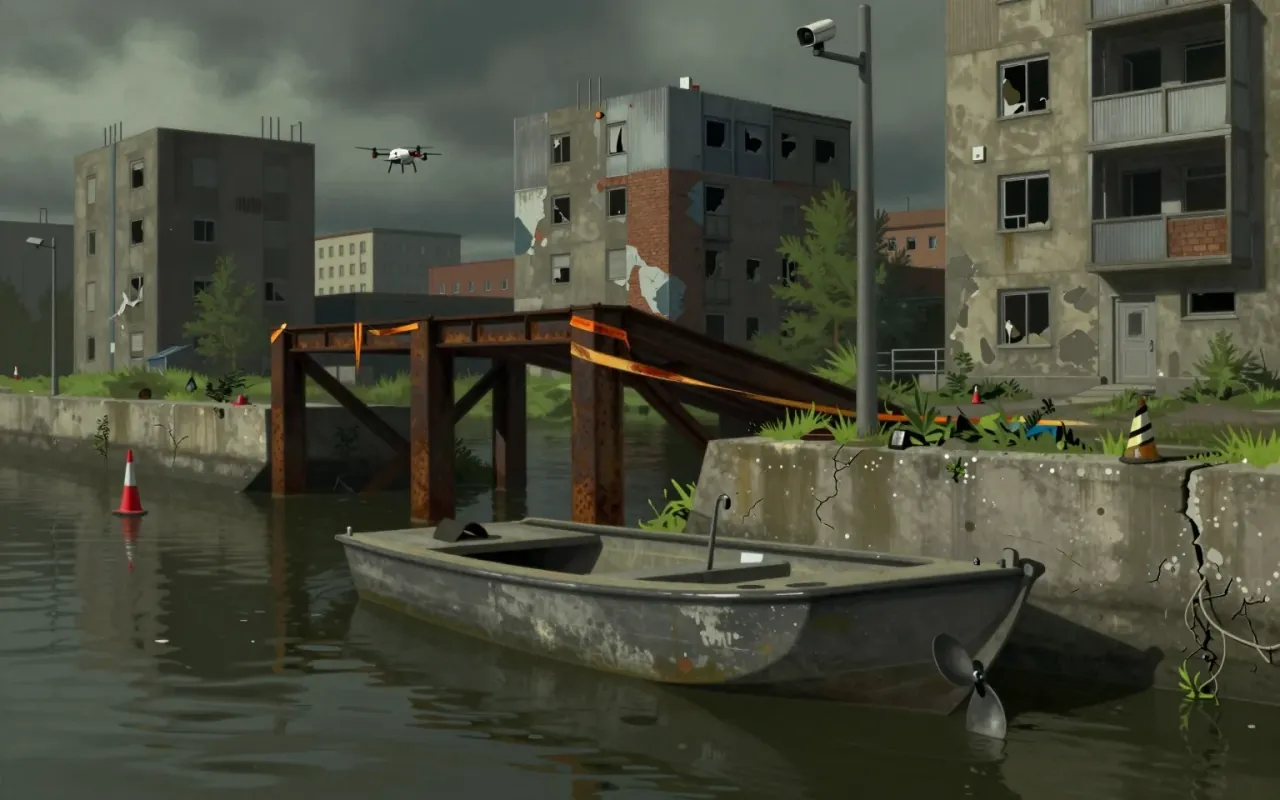
Half-Life 2 is a 2004 first-person shooter by Valve. It is played from Gordon Freeman’s perspective in a linear campaign combining combat, exploration, puzzle-solving, platforming, and scripted sequences. Its core innovation is the gravity gun, which lets the player pull and throw objects to solve puzzles and fight. The game maintains seamless transitions between modes and integrates physics-based interaction throughout.
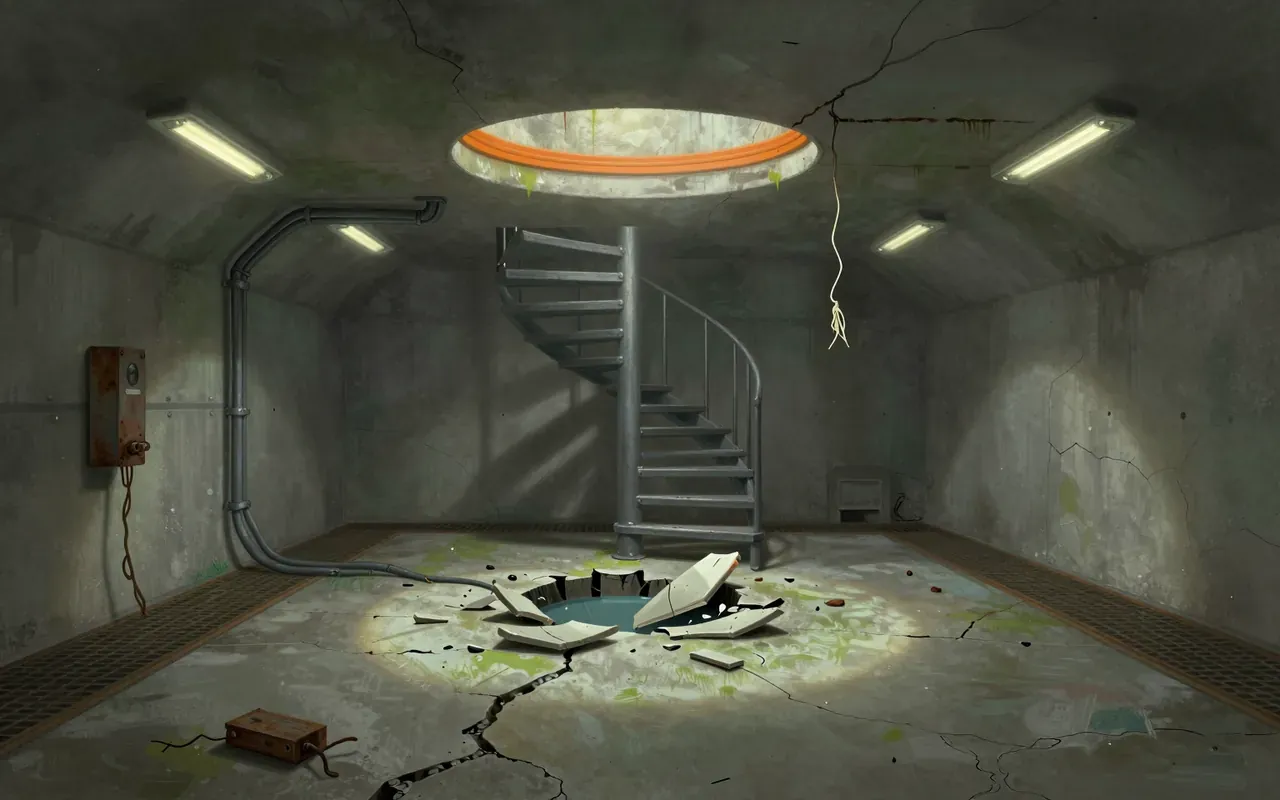
Portal 2 is a first-person puzzle-platform game developed by Valve and released in 2011. It builds on the original Portal's portal-gun mechanic with new tools—gels, lasers, tractor beams, and launch plates—and introduces cooperative play with two robot characters. All gameplay occurs in discrete test chambers inside the decaying Aperture Science facility.