Left 4 Dead doesn’t test your aim — it tests whether you’ll shout before your friend falls.
Left 4 Dead is a cooperative first-person shooter released in 2008 by Valve. Players control one of four survivors navigating zombie-infested environments to reach safe areas. Its defining feature is the AI Director, which dynamically adjusts enemy spawns and item placements to ensure varied, tension-filled experiences across playthroughs. Cooperation is structurally enforced via mechanics like wall-visible teammate outlines, shared healing, mandatory revival from incapacitation, and lethal consequences for repeated failure to recover. Campaign mode includes safehouse checkpoints, crescendo events, and defensive finales, while multiple modes (Versus, Survival, Single-Player) extend replayability. The game uses the Source engine and emphasizes cinematic, film-inspired presentation and communication systems — including voice callouts and visual cues — to sustain coordinated group action.
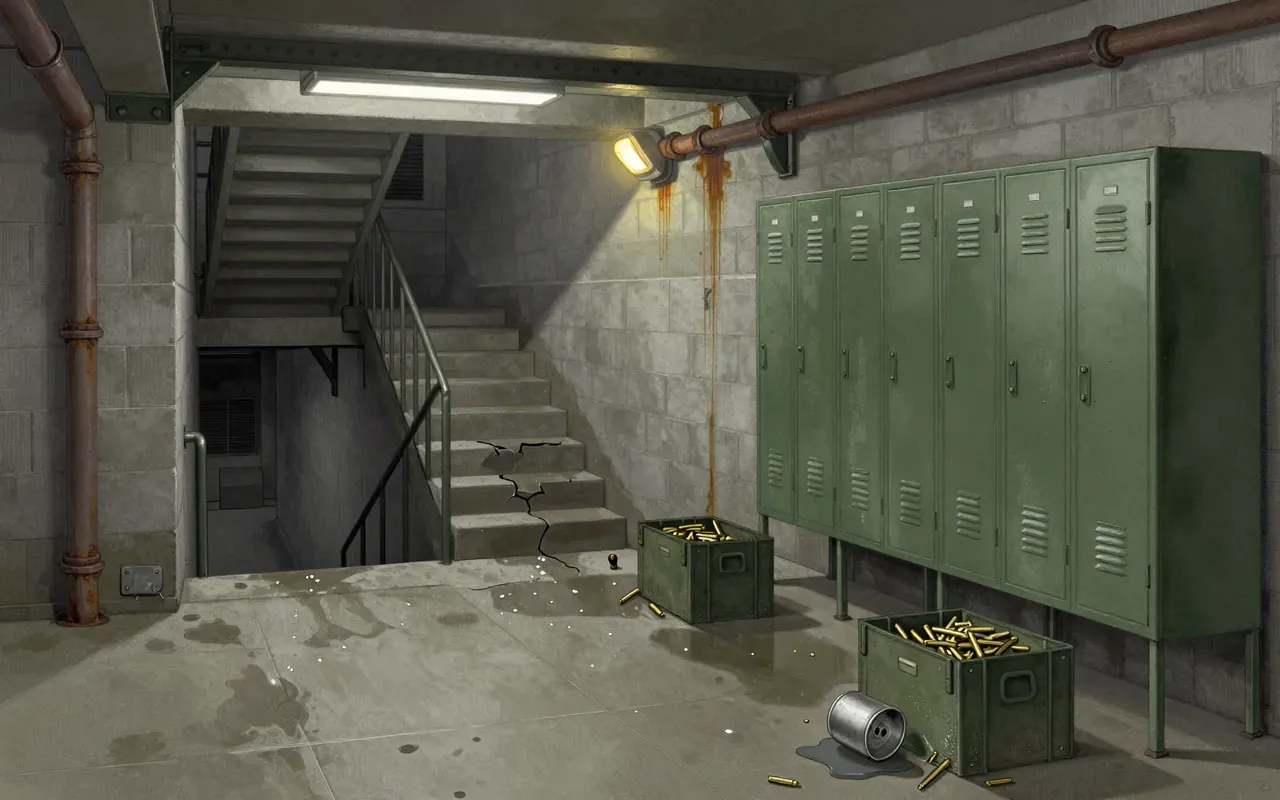
You do not fight zombies to win — you run with three others to survive.
3:05
The Director Is Your Co-Writer
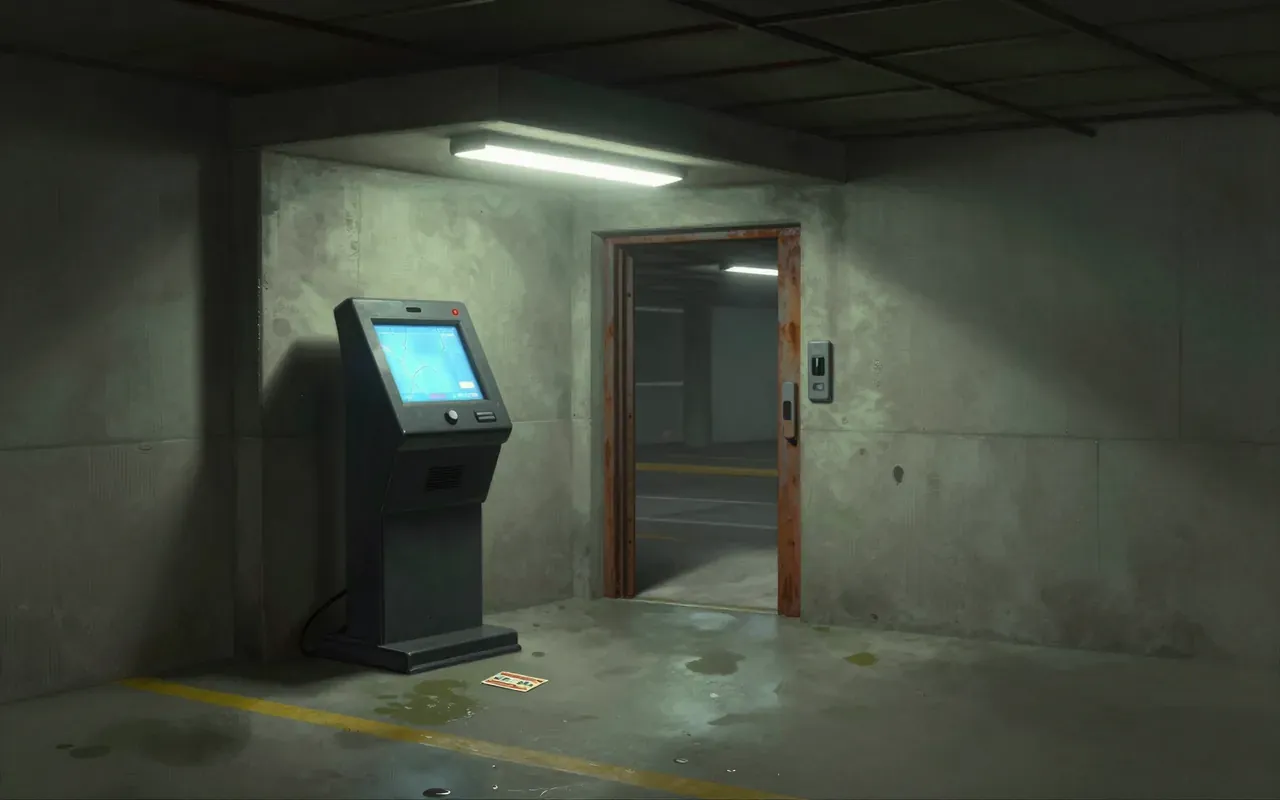
The AI Director doesn’t just spawn enemies — it conducts tension like a film editor.
4:32
Incapacitation Is the Core Loop
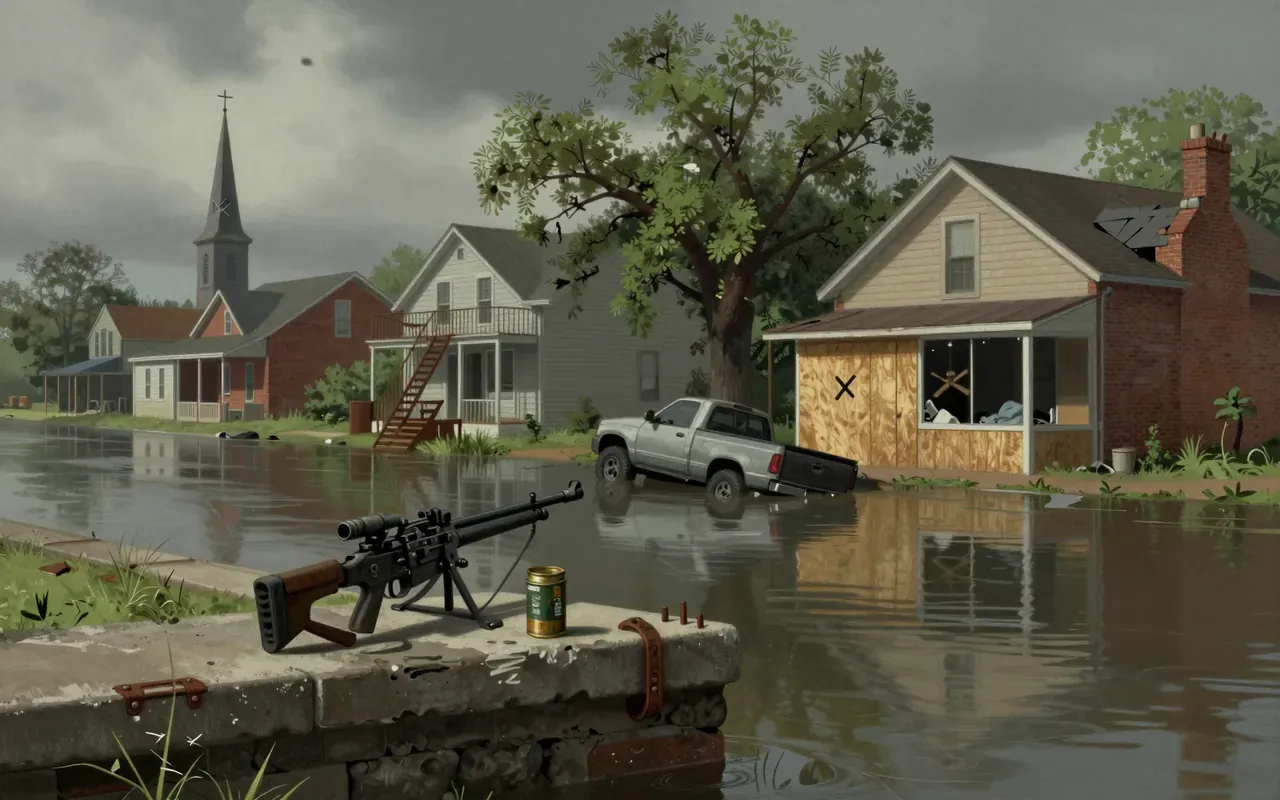
Death isn’t final — but dependence on teammates is absolute.
6:41
Cooperation Over Conventions
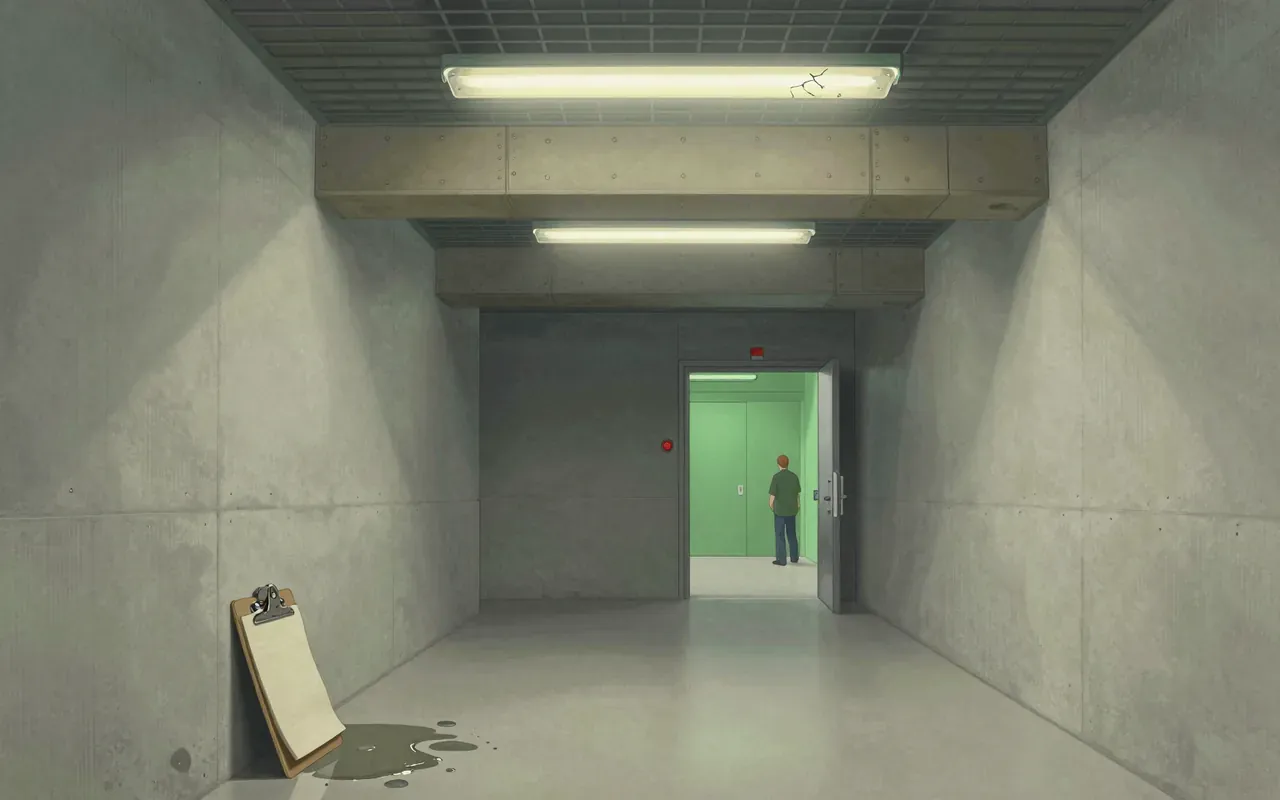
It abandons FPS realism to make cooperation unavoidable.
Worth your time?
Yes. Play the whole thing.
4.5/ 5
What works
The AI Director ensures no two playthroughs feel identical in pacing or threat density.
Wall-visible teammate outlines, shared healing, mandatory revives, and lethal consequences for repeated failure enforce real-time coordination.
Crescendo events and defensive finales structure each session around escalating, time-bound pressure.
What does not
It does not support meaningful solo progression.
It does not allow players to clear areas or control pacing.
It does not accommodate inconsistent group availability — drop-in/drop-out breaks the loop.
It does not scale down gracefully when players leave mid-session.
Play it if
It is for players who treat co-op as a live performance — who value callouts, timing, and mutual dependency over autonomy or score.
It is not for players who dislike being penalised for teammates’ mistakes, or who expect narrative agency, environmental interactivity, or persistent progression.
Skip it if
It is not for players who dislike being penalised for teammates’ mistakes, or who expect narrative agency, environmental interactivity, or persistent progression.
The written brief1 min read
What the game is
A cooperative first-person shooter where players control one of four survivors navigating zombie-infested environments to reach safe areas. AI fills empty slots. The game uses the Source engine and emphasises cinematic presentation and communication systems.
How it actually plays
Players move as one of four survivors through linear, scripted environments. The AI Director triggers waves of infected, places health items, and escalates tension toward crescendo events and defensive finales. Teammates are visible through walls via coloured outlines. Health depletion causes incapacitation — not death — requiring another player to revive them at reduced health. A third incapacitation without healing kills permanently. Dead players respawn in closets and must be freed to rejoin.
What works
The AI Director ensures no two playthroughs feel identical in pacing or threat density. Wall-visible teammate outlines, shared healing, mandatory revives, and lethal consequences for repeated failure enforce real-time coordination. Crescendo events and defensive finales structure each session around escalating, time-bound pressure.
What does not
It does not support meaningful solo progression. It does not allow players to clear areas or control pacing. It does not accommodate inconsistent group availability — drop-in/drop-out breaks the loop. It does not scale down gracefully when players leave mid-session.
Who it is for, and who it is not
It is for players who treat co-op as a live performance — who value callouts, timing, and mutual dependency over autonomy or score. It is not for players who dislike being penalised for teammates’ mistakes, or who expect narrative agency, environmental interactivity, or persistent progression.
Is it worth your time
Yes — if you have three others who can commit to voice-coordinated, high-stakes cooperation for 30–60 minute sessions. It is not worth your time if you prefer solo play, open-ended exploration, or systems that reward individual skill over group rhythm.