What the game is
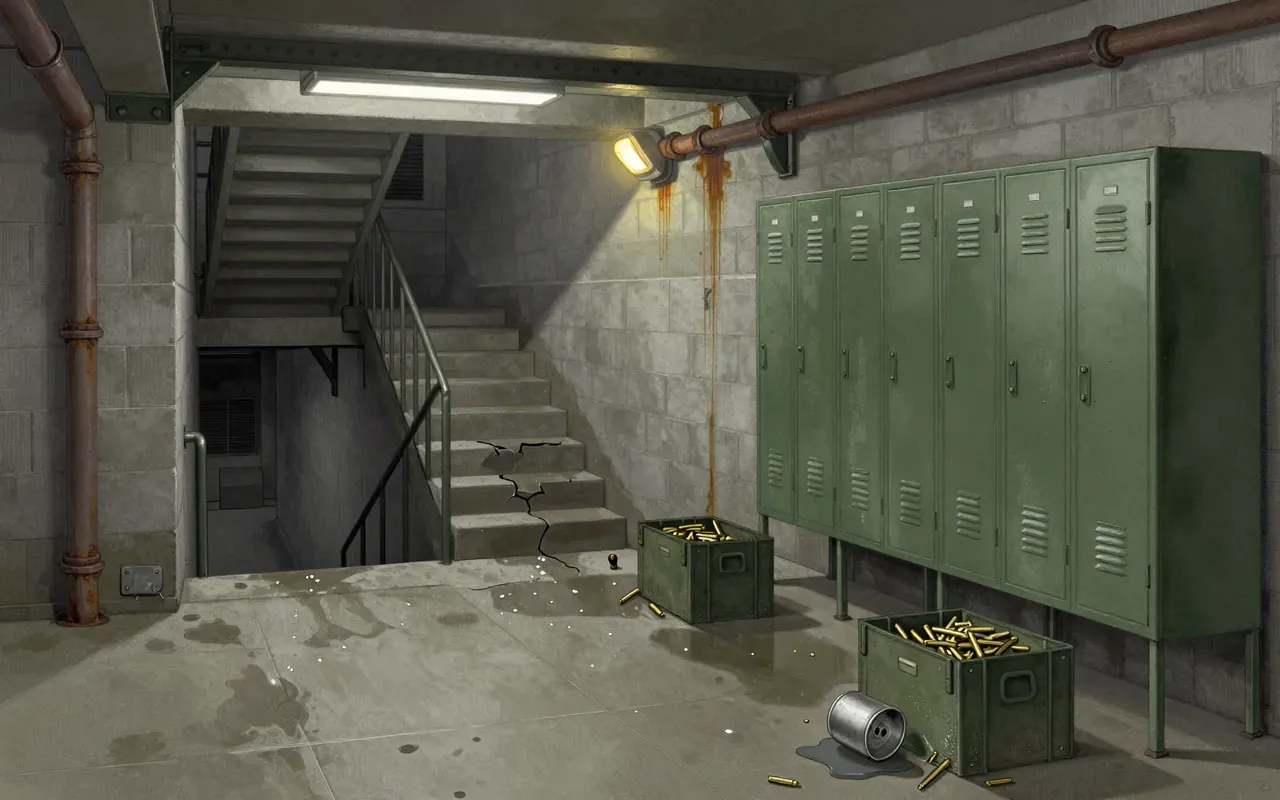
A cooperative first-person shooter by Valve (2009) where up to four players fight through five linear campaigns, using safe houses as checkpoints and aiming to escape each finale.
How it actually plays
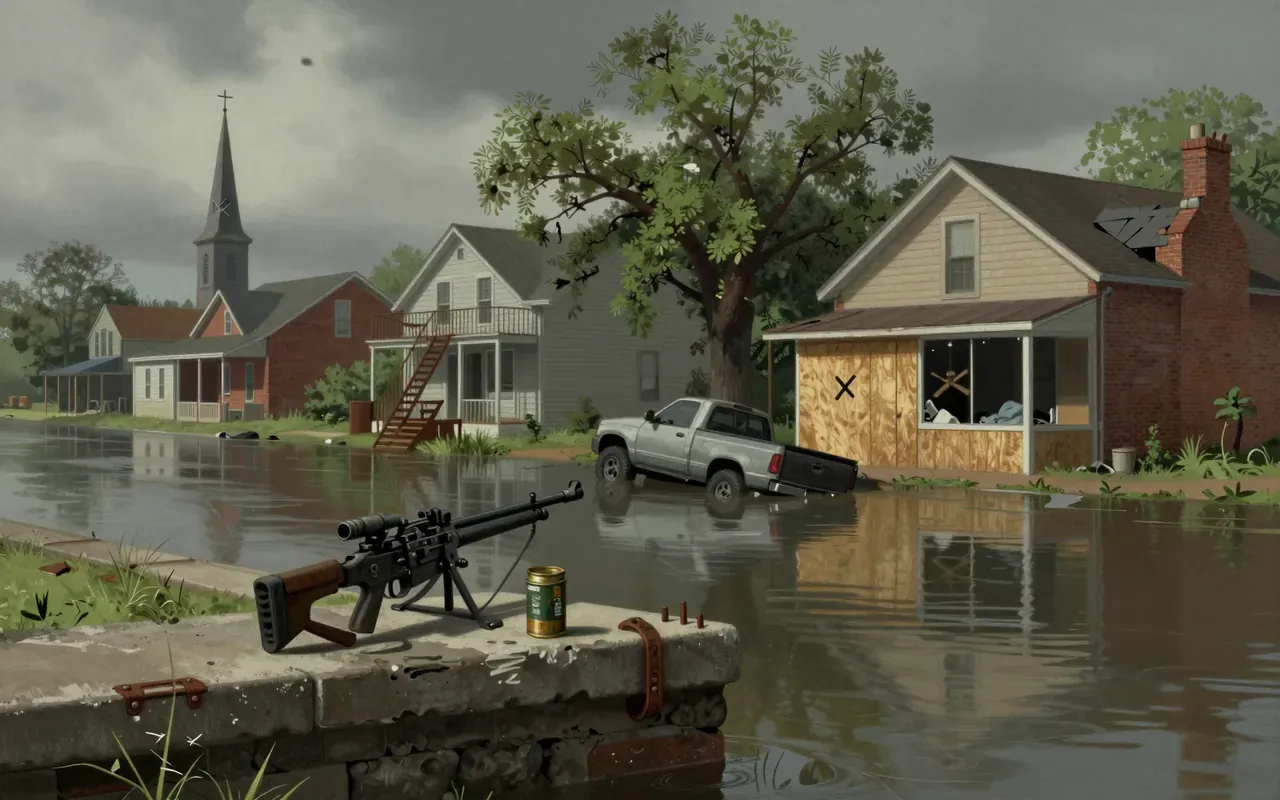
Players move as a squad of four Survivors through linear, scripted levels. Each session is shaped by the AI Director 2.0, which watches player health, ammo, and pace to spawn enemies, drop items, or trigger events in real time. Inventory is rigid: one item per category — primary weapon, secondary weapon, throwable, major medical, minor medical. Tier four primaries lock players in place, overheat, and offer no rear defence. Secondary weapons force tactical choices: melee for close control, dual pistols for mobility, large-calibre pistols for stopping power.
What works
The AI Director 2.0 makes every run feel reactive, not rehearsed. Safe houses provide rhythm and breathing room. The five-category inventory forces deliberate loadout discipline. Tiered primaries create clear risk-reward trade-offs: mobility versus damage, flexibility versus firepower.
What does not
It does not sustain engagement without other people. The AI Director cannot mask shallow level design across five campaigns. Inventory rigidity creates frequent dead ends — no swapping, no re-spec, no mid-mission resupply beyond what the Director drops. Tier four weapons trade mobility for firepower, making them situational traps rather than upgrades.
Who it is for, and who it is not
It is for players who treat co-op as a shared language — not a feature, but the core grammar. It is not for solo players, completionists, or those who expect narrative payoff, mechanical depth beyond the loop, or hardware-agnostic accessibility.
Is it worth your time
Yes — if you have three others online and can tolerate repetition. It asks for constant communication, split-second role delegation, and tolerance for systemic frustration. It does not ask for patience with solo play, narrative investment, or mechanical variety beyond its loop.