gamesbriefs
Topic

Community

The word used for whatever is felt to be missing.

9
in games
9:46
average
88 min
in total
52
across the network
Community across the network →
All briefs9
9:24

Final Fantasy XIV

Square Enix · 2013

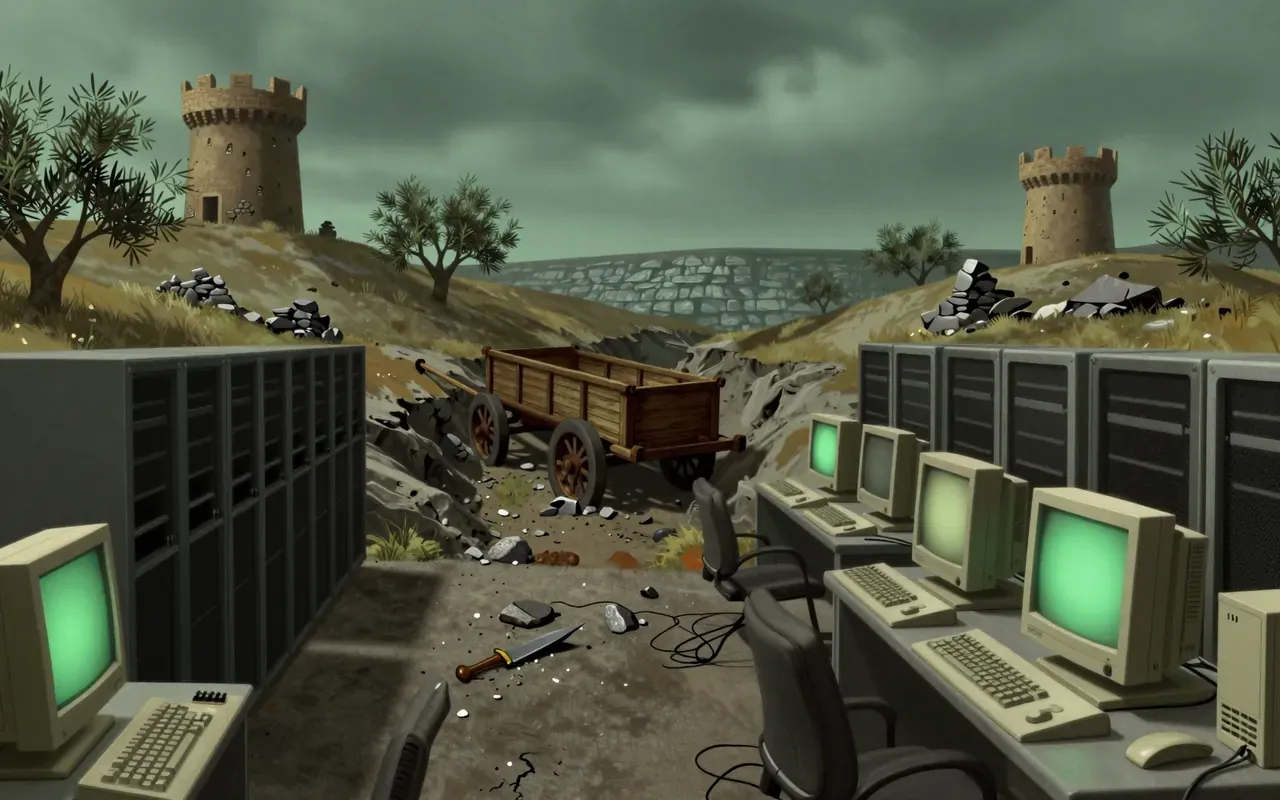
Final Fantasy XIV (2013) is a subscription MMORPG rebuilt after failure. It runs on PlayStation 3 and Windows. Players choose a geolocated server and begin only as Disciples of War or Magic. Its UI unifies PC and console inputs. Translation enables basic cross-language communication. Crafting and gathering are locked at launch. The economy runs through market boards, not direct trade. It follows Final Fantasy XI (2002). It was developed by the Final Fantasy XI team using Crystal Tools.
9:16

Ultima Online

Origin Systems · 1997

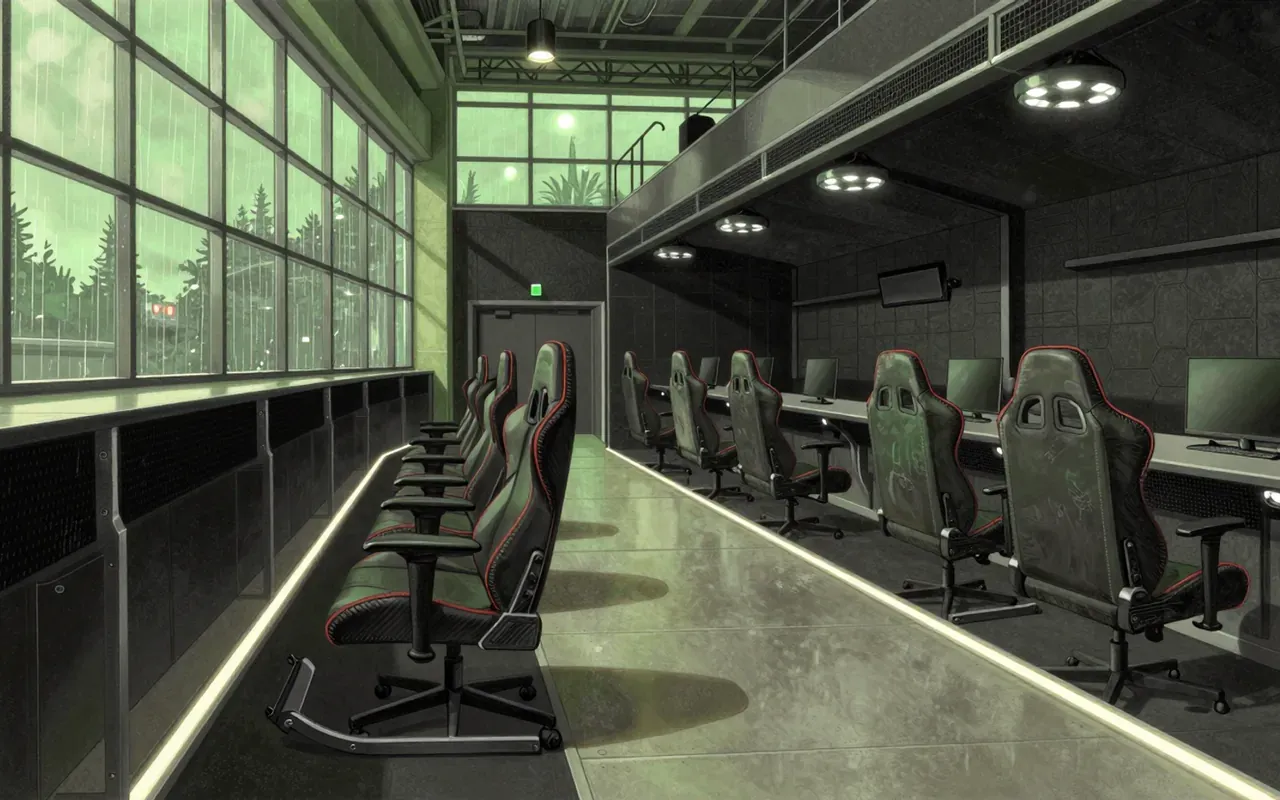
Ultima Online is a fantasy massively multiplayer online role-playing game released by Origin Systems on 24 September 1997. It was Origin’s first persistent online game. It was partially designed as a social and economic experiment. Its initial features included persistent player housing, skill-based character progression without levels or classes, a craft-based and player-driven economy, and unrestricted player-versus-player combat. Servers enforced either consensual or non-consensual PVP depending on type — Trammel, Felucca, or Siege — each with distinct rules for combat, travel, and item loss. The release of Trammel led developers to rename the original world Felucca and make its environment more grim. Siege servers restrict players to one character slot and limit travel options. Ultima Online is one of the earliest graphical MMORPGs. Its success was pivotal in EA’s decision to make Origin an online-only company after the completion of Ultima IX: Ascension in 1999.

8:46

Dota 2

Valve · 2013

Dota 2 is a rigid, team-bound MOBA that demands mastery of role, map, and timing — with zero concessions to newcomers or casual investment.

10:47

EverQuest

Verant Interactive · 1999

EverQuest is a foundational 3D MMORPG that demands group reliance, punishes solo risk, and treats servers as persistent social spaces — not content delivery platforms.

9:05

EverQuest II

Sony Online Entertainment · 2004

EverQuest II is a 3D fantasy MMORPG for Windows PCs, released by Sony Online Entertainment on November 9, 2004. It is a sequel set hundreds of years after the original EverQuest, following the same strategy: persistent world, experience-based leveling, guild-driven advancement, and a robust tradeskill system that lets players craft spells, potions, armor, and more. It shifted to free-to-play on December 6, 2011, with optional subscriptions. Its core loop demands sustained group coordination, gear acquisition, and long-term social investment—making it viable only for players who treat MMOs as infrastructure, not entertainment.

10:38

Left 4 Dead 2

Valve · 2009

Left 4 Dead 2 is a tightly wound co-op FPS that uses procedural pacing and rigid inventory to forge intense, fleeting group cohesion — but collapses without live human coordination.

10:28

World of Warcraft

Blizzard Entertainment · 2004

World of Warcraft is a persistent, factioned, realm-based MMORPG where progression is linear, social coordination is structural, and player agency is bounded by scheduled content and systemic repetition. It launched in North America on November 23, 2004, and is managed by Blizzard’s Team 2.

10:29

Stardew Valley

Eric Barone · 2016

Stardew Valley is a top-down, open-ended farm life simulation where players inherit a dilapidated farm from their deceased grandfather, leave a corporate job, and rebuild life near Pelican Town in Stardew Valley.