What the game is
Ultima Online is a fantasy massively multiplayer online role-playing game released by Origin Systems on 24 September 1997. It is one of the earliest graphical MMORPGs. It was Origin’s first persistent online game. It is built around persistent social, economic, and combat systems — especially unrestricted PVP — with world design shaped by experimental server rulesets (Trammel, Felucca, Siege), skill-based progression, player housing, and a craft-driven economy.
How it actually plays
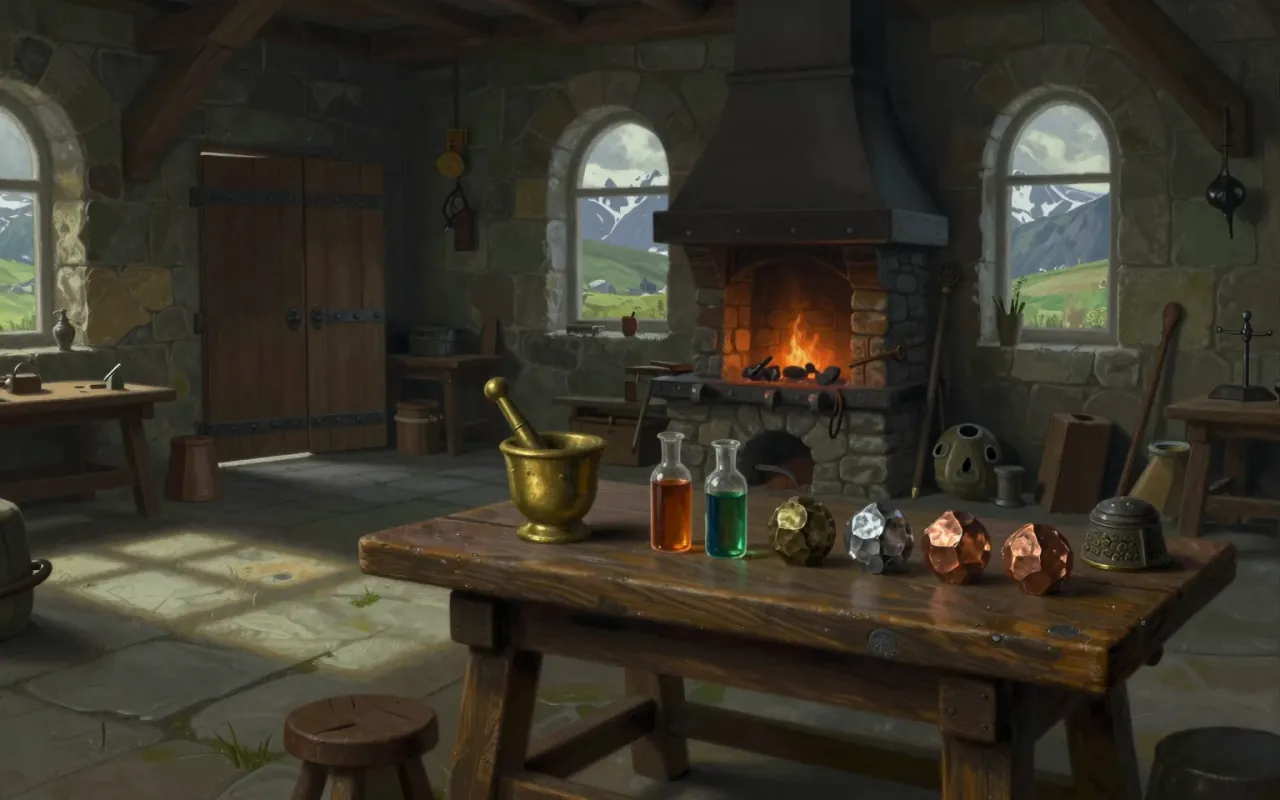
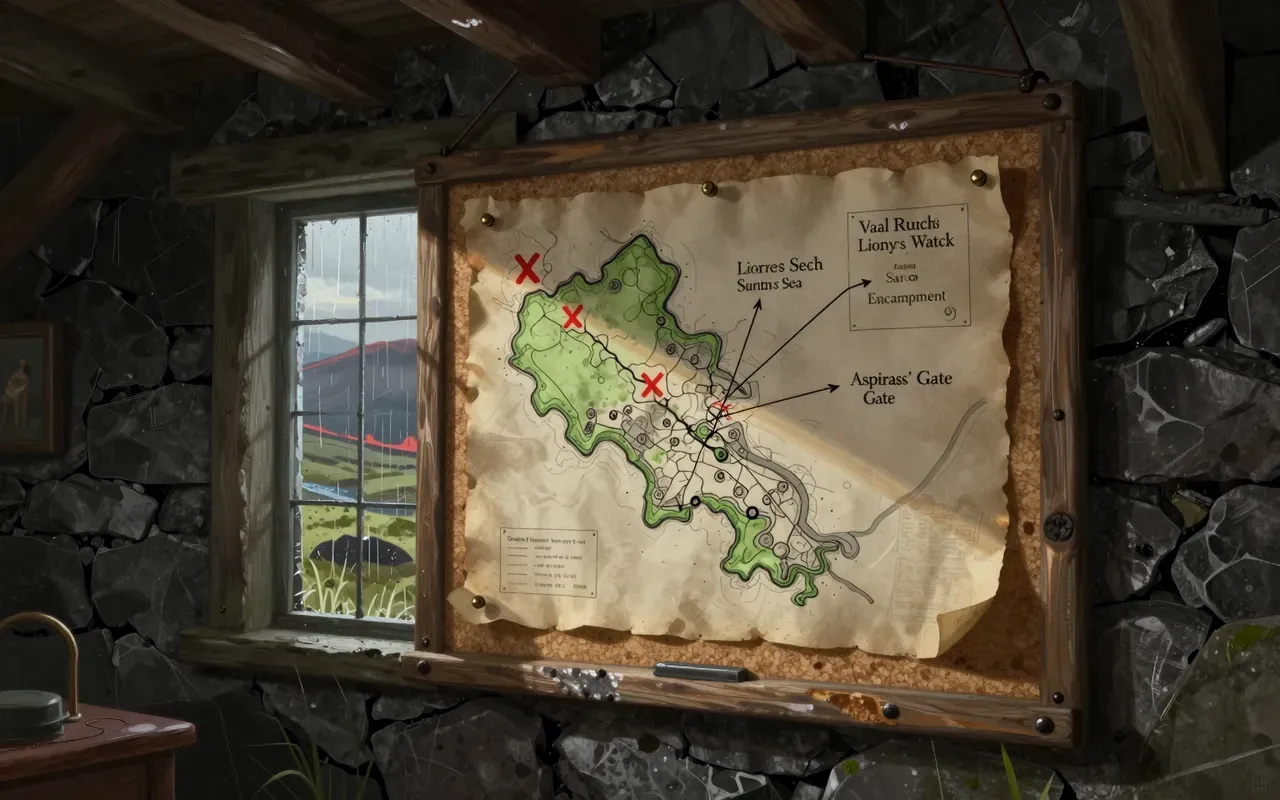
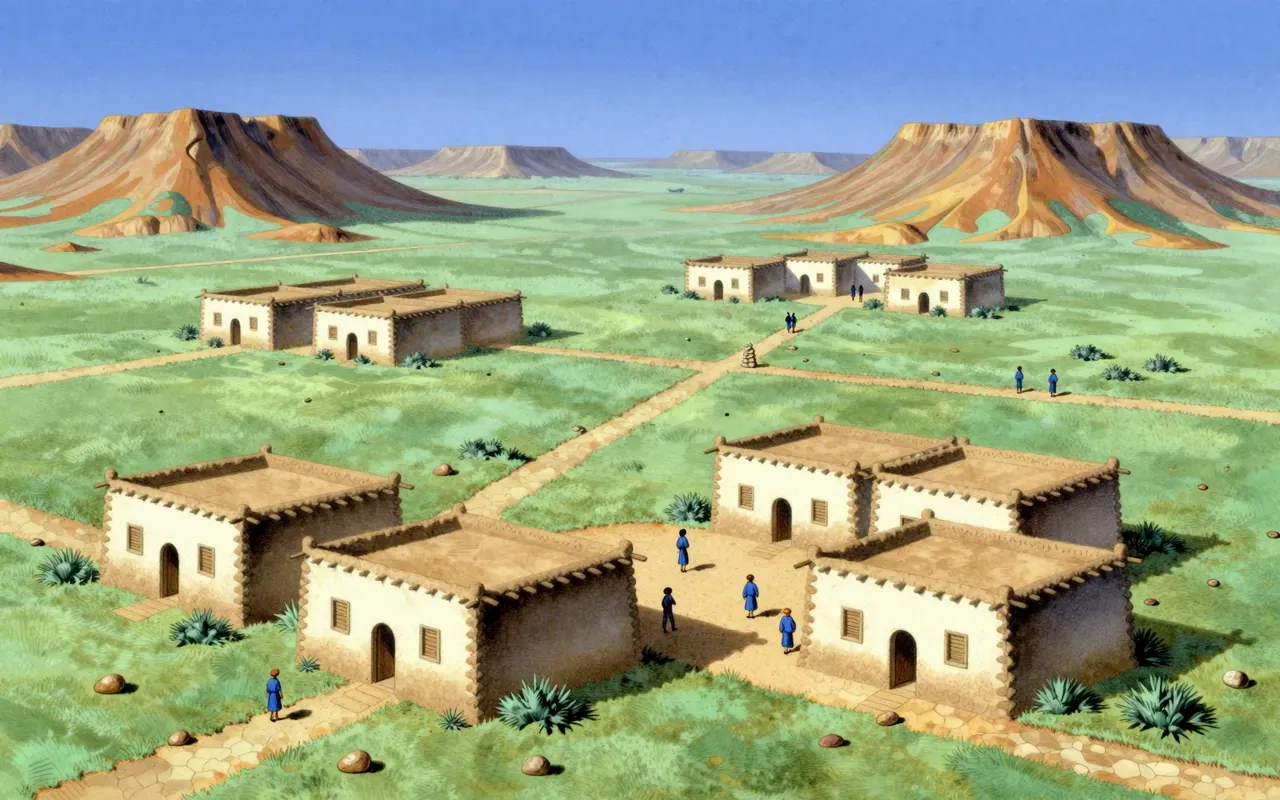
You log in to a persistent world where every object, house, and NPC exists independently of your presence. You train skills by doing — swinging a sword, chopping wood, smelting ore — not by gaining levels. You choose a server type: Trammel (PVP only with consent), Felucca (unrestricted PVP), or Siege (one character, no item insurance, limited travel). Combat is real-time but slow, deliberate, and lethal. Housing is claimed by placing a deed on open land. Economy runs entirely on player-crafted goods, barter, and auction stalls. There is no quest log. No hand-holding. No map markers. You learn the world by walking, failing, and asking other players.
What works
Its skill-based progression makes every action meaningful: you improve by doing, not by ticking boxes. Its server rulesets create distinct social contracts — Trammel enforces civility, Felucca tests trust, Siege strips safety nets. Its player-driven economy forces negotiation, specialisation, and reputation. Its persistent housing turns land into contested, social territory. Its lack of classes or levels means no preordained path — only what you build through repetition and risk.
What does not
It does not support solo progression. It does not buffer failure — death loses gear, housing can be burgled, craft attempts fail visibly and often. It does not scale its difficulty or economy to player count. It offers no tutorial, no objective tracking, no UI clarity. Its original interface is dense, unstandardised, and unforgiving. Its world has no authored story — only emergent consequence.
Who it is for, and who it is not
It is for players who treat games as shared infrastructure — those who enjoy building economies, negotiating norms, and shaping culture through sustained presence. It is not for players who rely on feedback loops, curated pacing, or narrative scaffolding. It is not for those who expect fairness, consistency, or protection from other players’ choices.
Is it worth your time
Only if you want to inhabit a social and economic system, not just play a game. It demands patience, curiosity, and tolerance for ambiguity. It does not scale to modern attention rhythms. It rewards long-term presence over mastery. It is not for players who expect guidance, pacing, or narrative closure.