gamesbriefs
Topic

Complexity

Systems whose behaviour is not in any of their parts.

4
in games
10:33
average
42 min
in total
21
across the network
Complexity across the network →
All briefs4
9:16

Ultima Online

Origin Systems · 1997

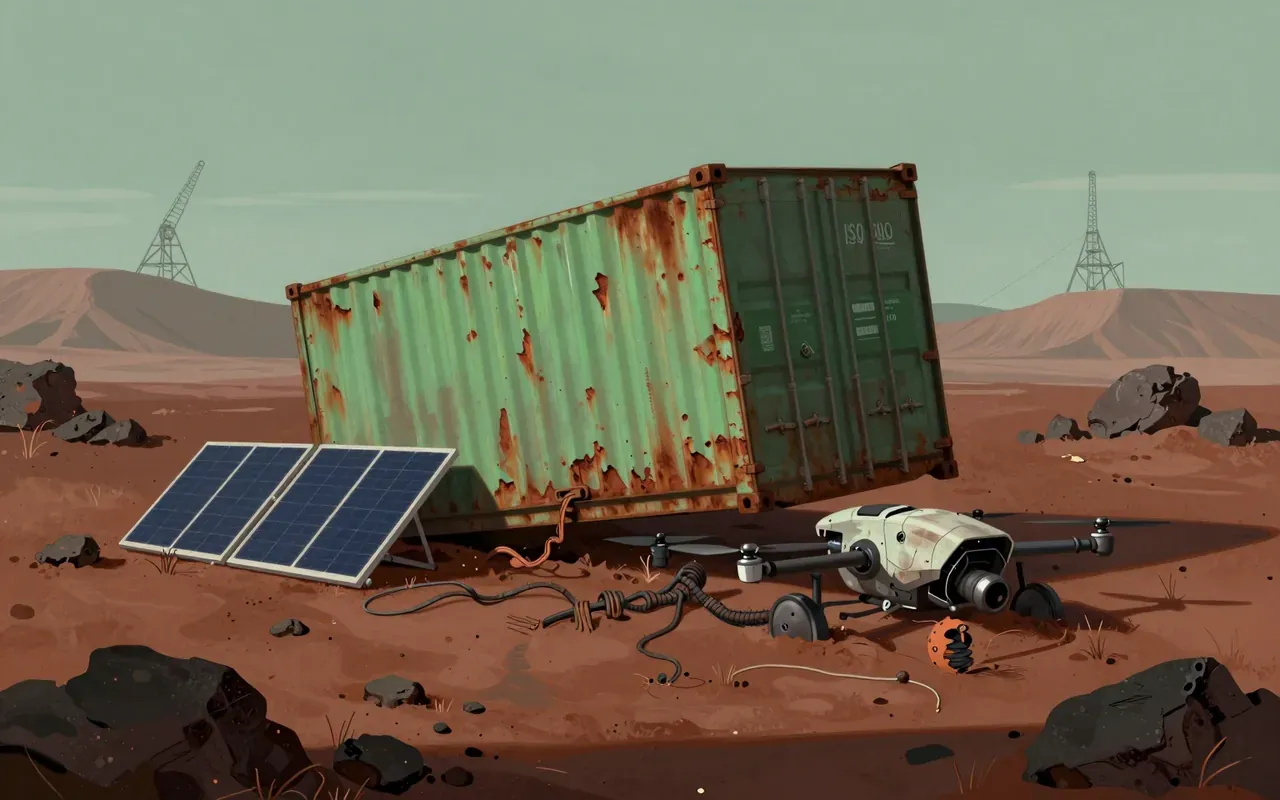
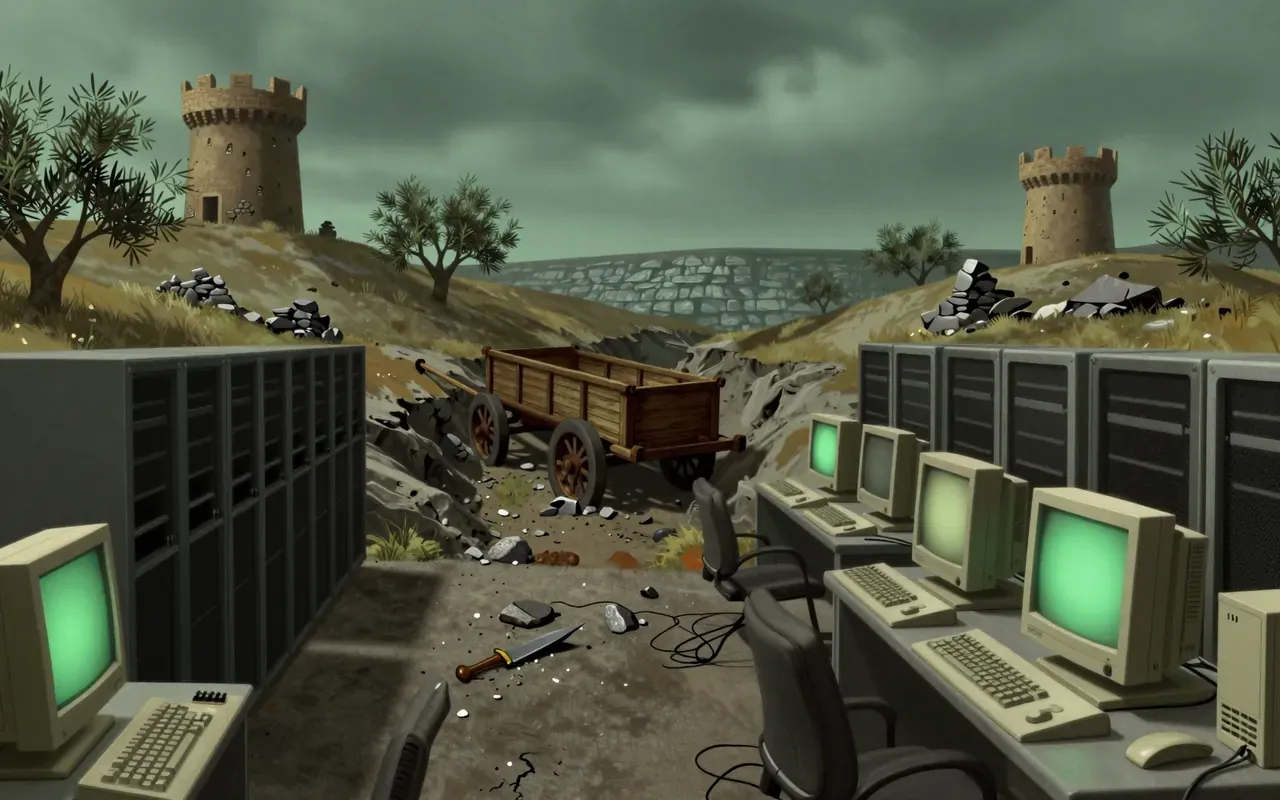
Ultima Online is a fantasy massively multiplayer online role-playing game released by Origin Systems on 24 September 1997. It was Origin’s first persistent online game. It was partially designed as a social and economic experiment. Its initial features included persistent player housing, skill-based character progression without levels or classes, a craft-based and player-driven economy, and unrestricted player-versus-player combat. Servers enforced either consensual or non-consensual PVP depending on type — Trammel, Felucca, or Siege — each with distinct rules for combat, travel, and item loss. The release of Trammel led developers to rename the original world Felucca and make its environment more grim. Siege servers restrict players to one character slot and limit travel options. Ultima Online is one of the earliest graphical MMORPGs. Its success was pivotal in EA’s decision to make Origin an online-only company after the completion of Ultima IX: Ascension in 1999.
11:08

Path of Exile

Grinding Gear Games · 2013

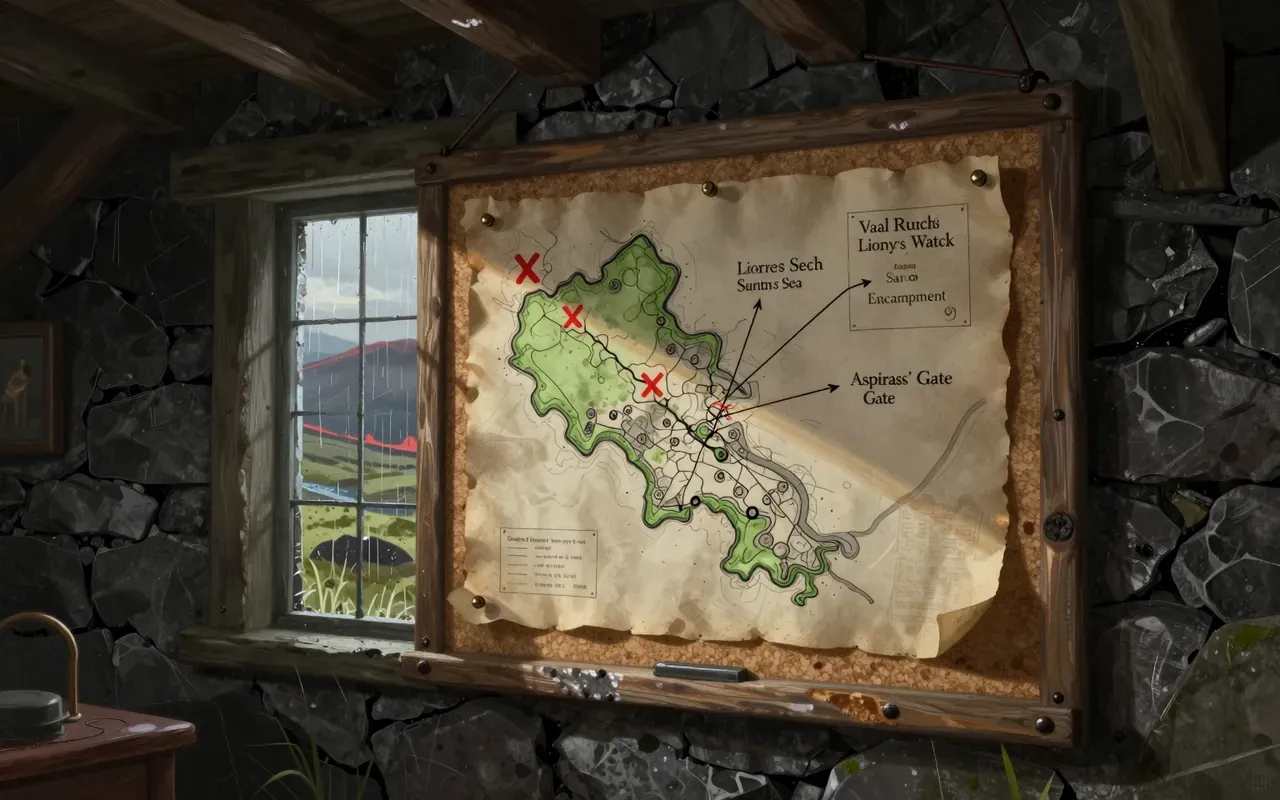
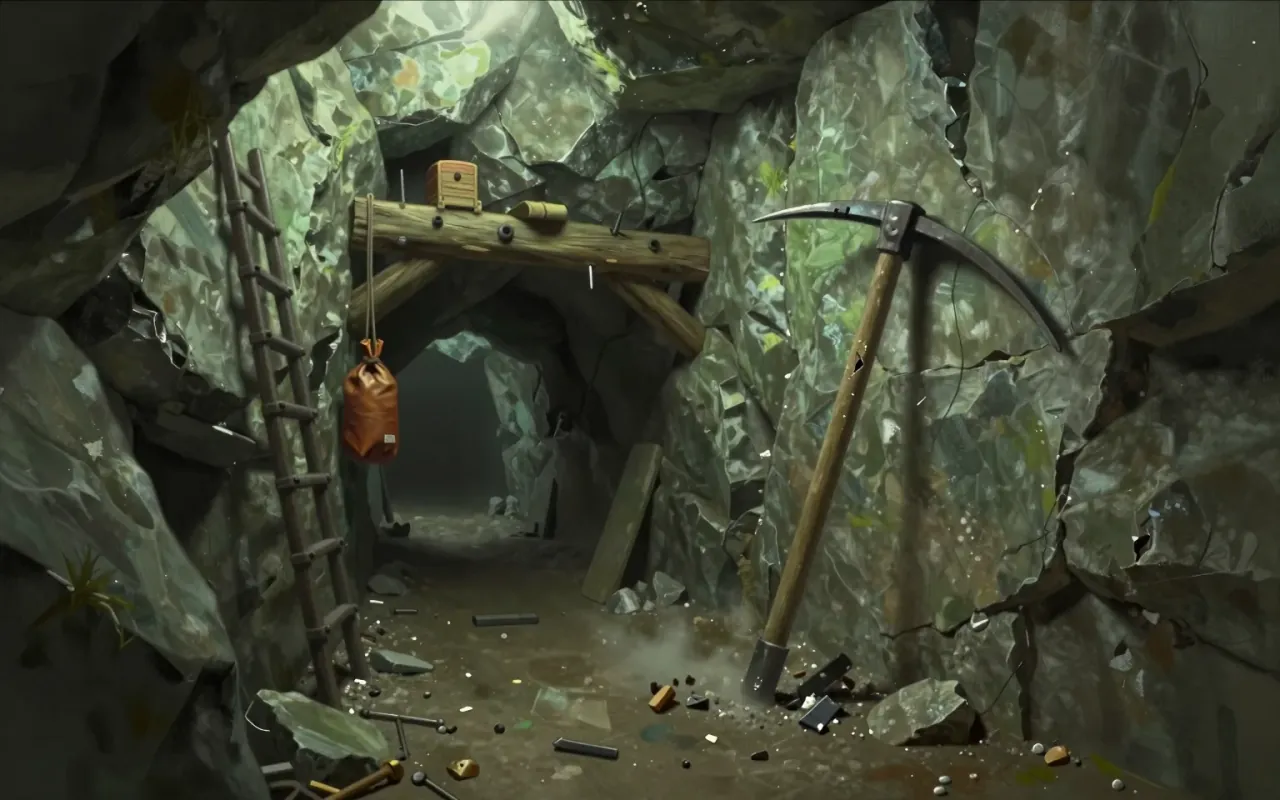
Path of Exile is a systemic ARPG that trades narrative continuity for procedural depth, instanced purity, and build-driven replayability.

11:43

Dwarf Fortress

Bay 12 Games · 2006

Dwarf Fortress is a procedural simulation that demands reading over reacting, patience over progress, and interpretation over instruction. Its strength is systemic coherence—not accessibility.

10:05

RimWorld

Ludeon Studios · 2016

RimWorld is a construction and management simulation game developed and published by Ludeon Studios for Windows, macOS, and Linux. It functions as a story generator driven by procedural 'storyteller' algorithms that select events to shape narrative experiences. Players oversee stranded colonists on a procedurally generated planet, forming and sustaining a colony while managing survival needs, mental stability, and external threats. Colonists are task-driven rather than directly controlled, and the game ends via spaceship construction, AI-assisted ship recovery, or DLC-specific endings. Events scale in difficulty and are influenced by configurable storyteller modes and difficulty presets.