The Bard's Tale (1985 video game)
Interplay · 1985
The Bard's Tale (1985) is a fantasy role-playing dungeon crawl developed by Interplay.
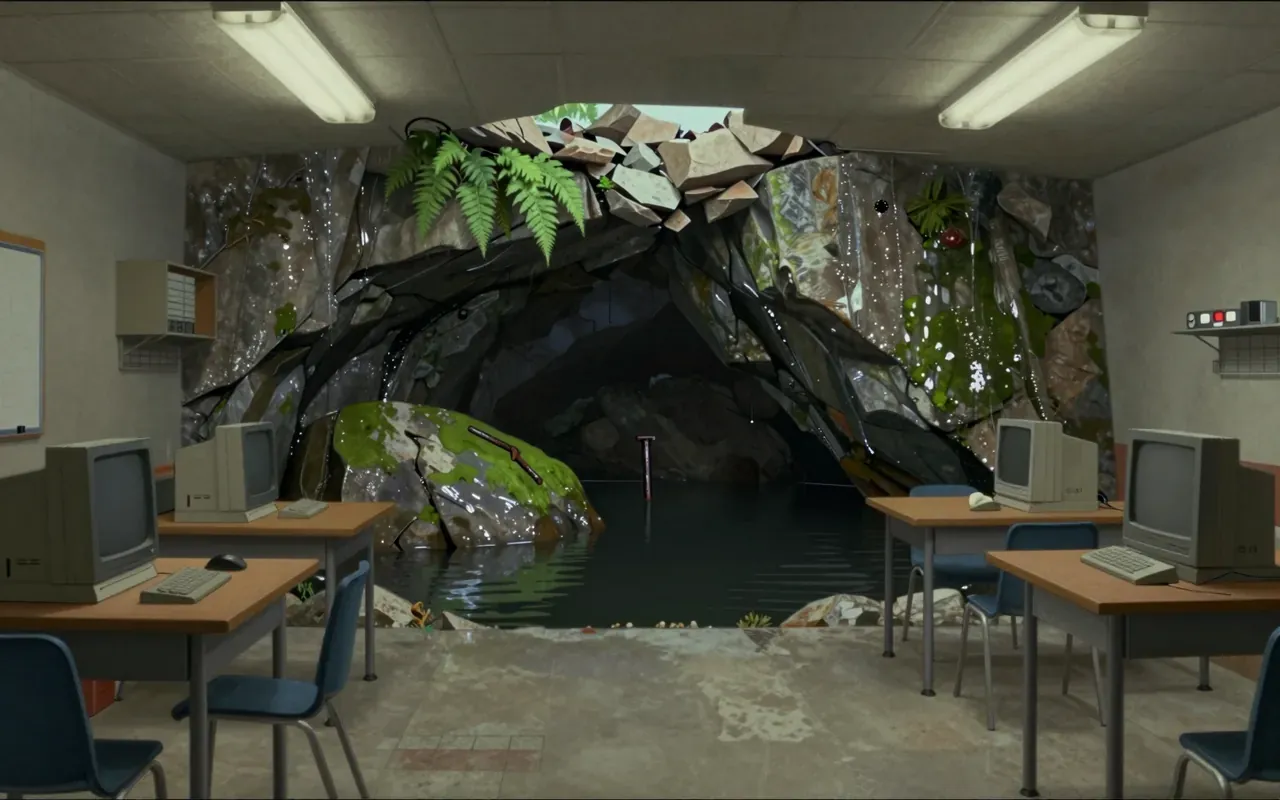
Leaving the visible world behind, on purpose.
The Bard's Tale (1985) is a fantasy role-playing dungeon crawl developed by Interplay.
Bubble Shooter is a 2002 puzzle game by Absolutist, later expanded by Ilyon Dynamics. It asks players to clear marbles by matching three or more of the same colour before they reach the bottom line. It has four difficulty levels and two scoring modes: Classic (no limits) and Sniper (fewest shots wins).
Digital Devil Saga is a system-first RPG duology that treats combat as arithmetic and progression as inventory management. It runs on the PlayStation 2. It was made by Atlus’s Creative Department 1st Production (Team Maniax). It is a spin-off of the Megami Tensei series. It asks players to master a tight, punishing loop—not to lose themselves in a world.
Doom (1993) is a first-person shooter for MS-DOS and Windows developed by id Software. It uses a 2.5D engine: environments render in 3D perspective but movement is confined to a 2D plane, and enemies are 2D sprites using billboarding. Players assume the role of a space marine fighting demons and possessed undead humans across labyrinthine levels grouped into episodes, each ending in a boss fight. Completion requires reaching a marked exit room while managing limited ammo, health, and armor—and avoiding hazards like toxic waste and crushing ceilings. Five difficulty levels scale enemy count, damage, speed, and aggression. The game supports cooperative and deathmatch multiplayer over local networks and modding via WAD files. Its design prioritises fast-paced action over narrative, with minimal plot conveyed through inter-episode text.
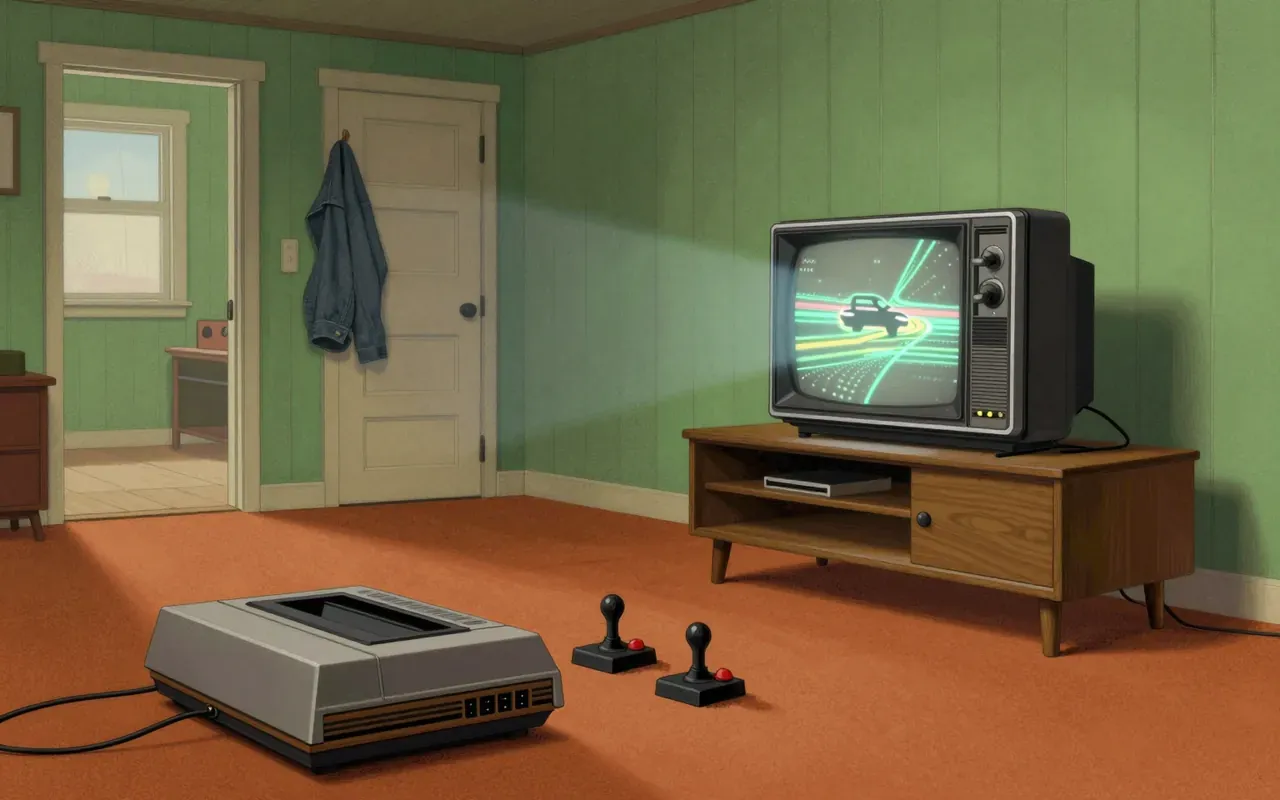
Indy 500 (1977) is a cartridge for the Atari 2600 offering fourteen variations across four gameplay modes — Race Car, Crash n' Score, Tag, and Ice Race — each defined by distinct win conditions, player configurations, and physics constraints.

Journey is a PlayStation 3 game where a cloaked figure walks across a desert toward a distant mountain. Flight is enabled by a magical scarf whose charge depletes and recharges near red cloth or glowing symbols. Players may meet one anonymous co-player per session, cooperating silently through chimes that transform cloth to alter the world — opening paths or levitating players — with no speech, text, or visible names until the credits.

Kirby 64: The Crystal Shards is a 2000 Nintendo 64 platformer developed by HAL Laboratory. It uses 3D rendering but locks movement to a 2D plane. Players collect 98 crystal shards across six worlds using Kirby’s core actions—walk, jump, inhale, fly—and seven copy abilities. Power Combos let players mix two abilities for 28 possible effects. Vehicle-based segments include riding King Dedede’s back, minecarts, and log flumes. Controls use the D-pad exclusively, following usability testing with children. All shards must be collected to reach the final boss and true ending.
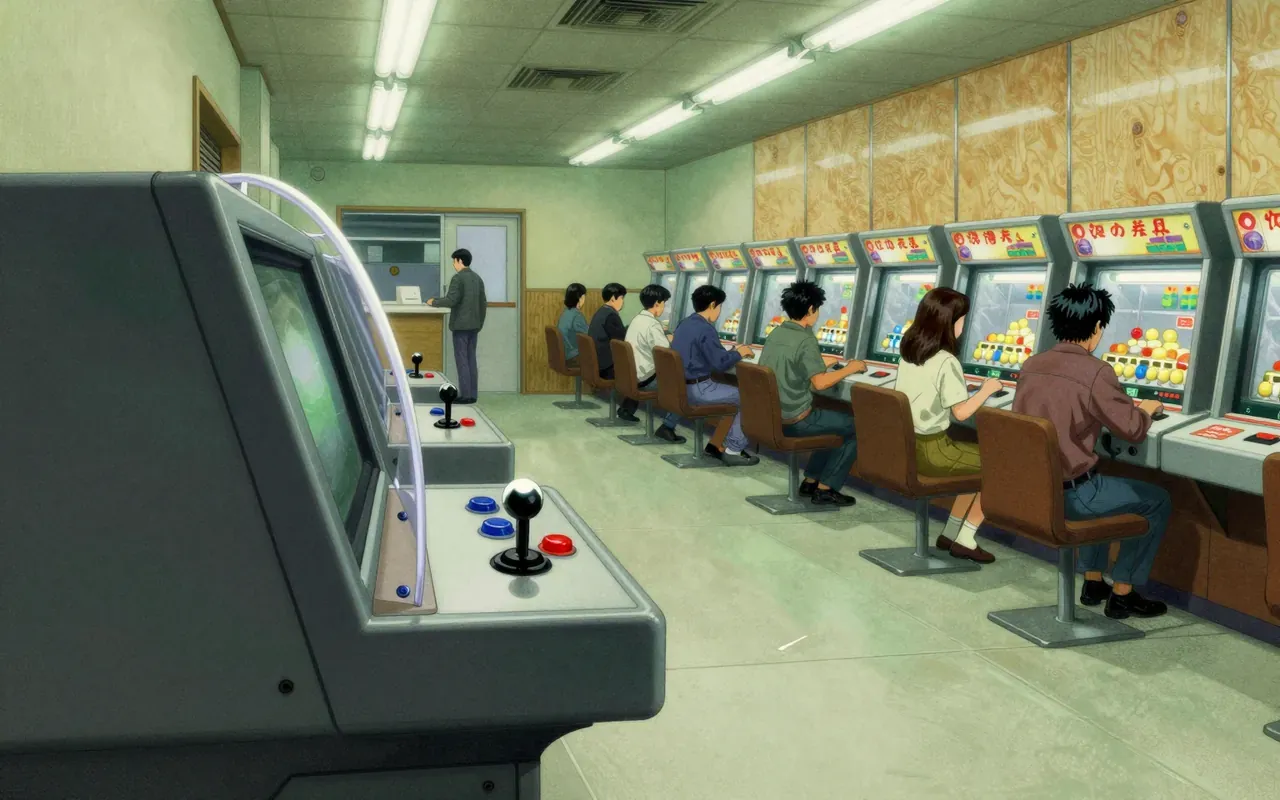
Marvel vs. Capcom: Clash of Super Heroes is a 1998 2D tag-team fighting game developed by Capcom’s Division 2 for the CP System II arcade system. Players select two fighters, swap between them mid-match, and rely on off-screen regeneration and randomly assigned guest characters with limited uses. It introduces the simultaneous 'Variable Cross' attack and grants unlimited use of the Hyper Combo Gauge. Its 2D animated cartoon-style graphics follow Capcom’s post-Darkstalkers aesthetic.
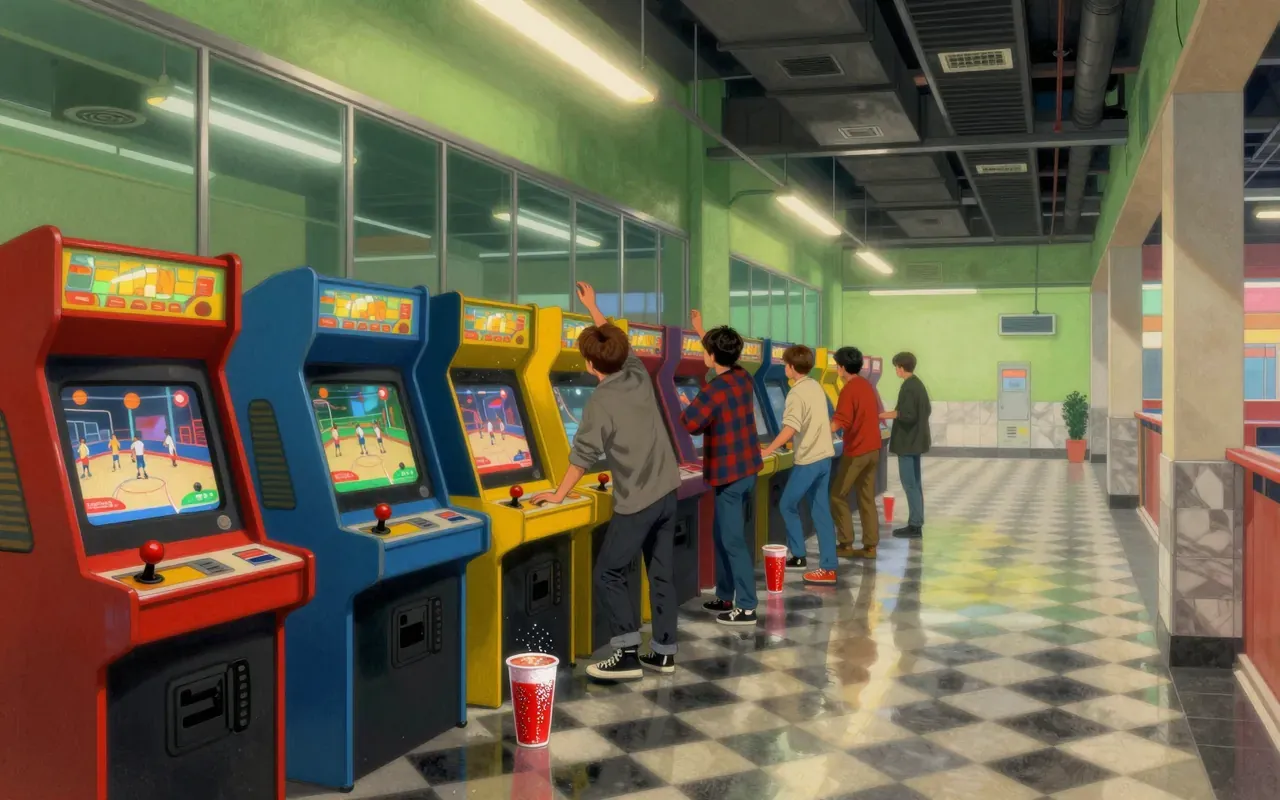
NBA Jam (1993) is a two-on-two arcade basketball game developed and published by Midway, featuring NBA-licensed teams and digitized likenesses of real players.
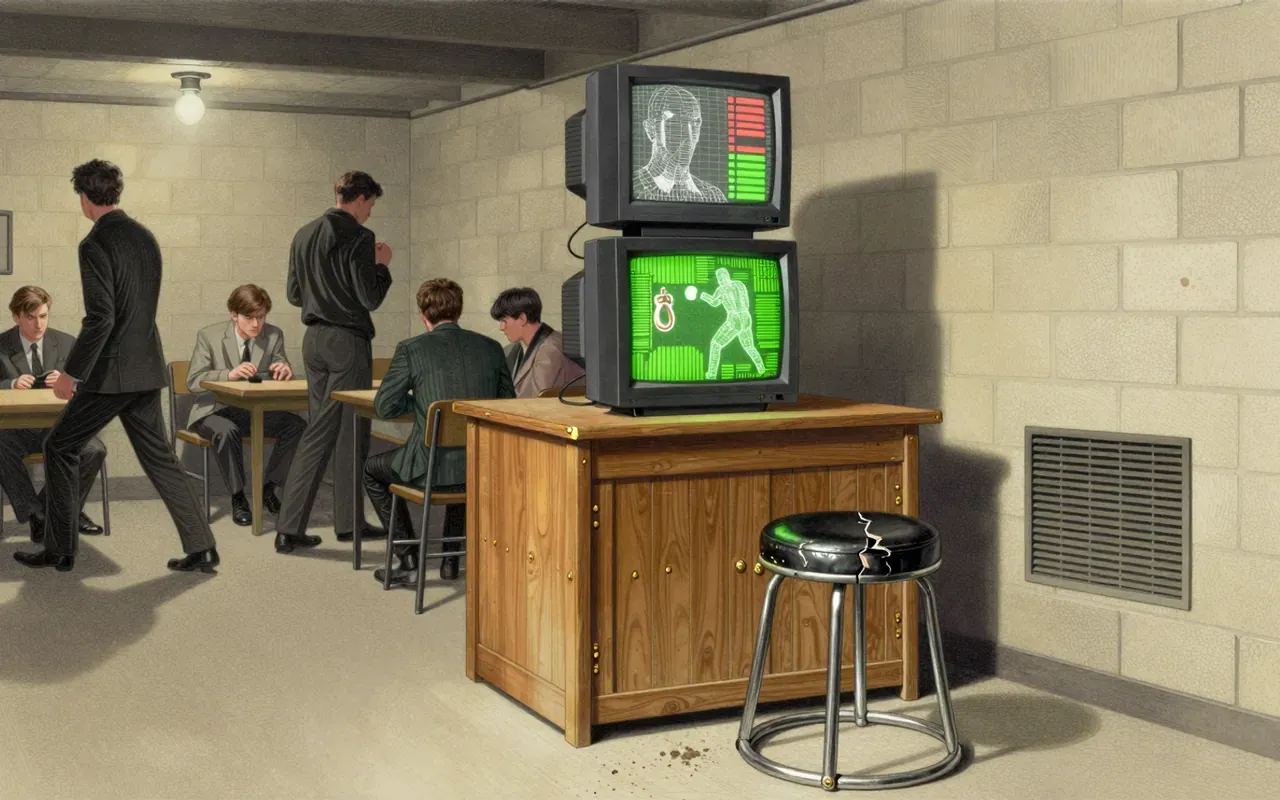
Punch-Out!! (1984) is a rigid, reactive arcade boxing game built around telegraphed eye cues, fixed timing, and forced replay. It asks players to memorise patterns, not adapt to them. It gives no identity beyond initials and no outcome beyond repetition or defeat.

Spore is a Maxis-developed simulation game released in 2008 where players guide a species from single-cell origins through five evolutionary phases toward spacefaring capability, with defined goals including spaceship construction and reaching the galactic core.
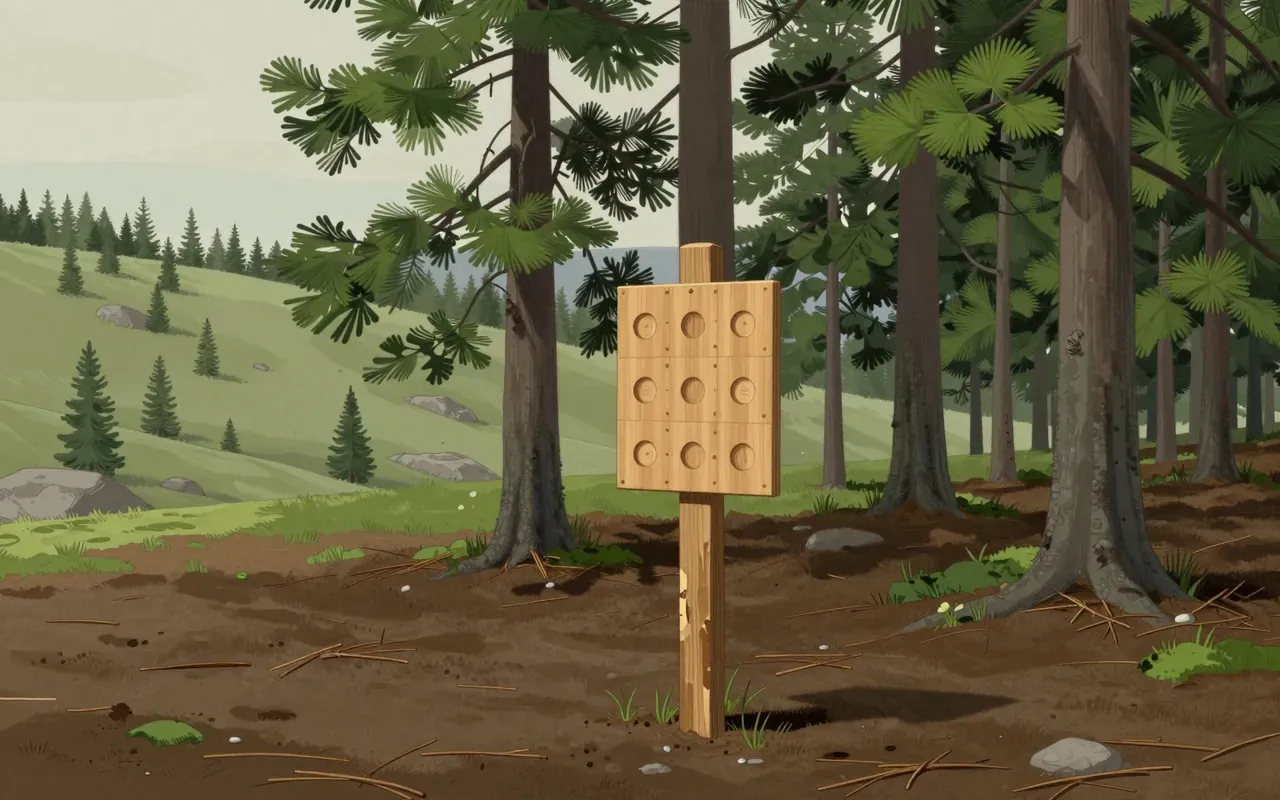
The Witness is a first-person puzzle game developed and published by Thekla, Inc., released in 2016 on Windows and PlayStation 4. It is an open-world island filled with natural and human-made structures, where players solve over 650 puzzles by drawing paths on grids or across environments.
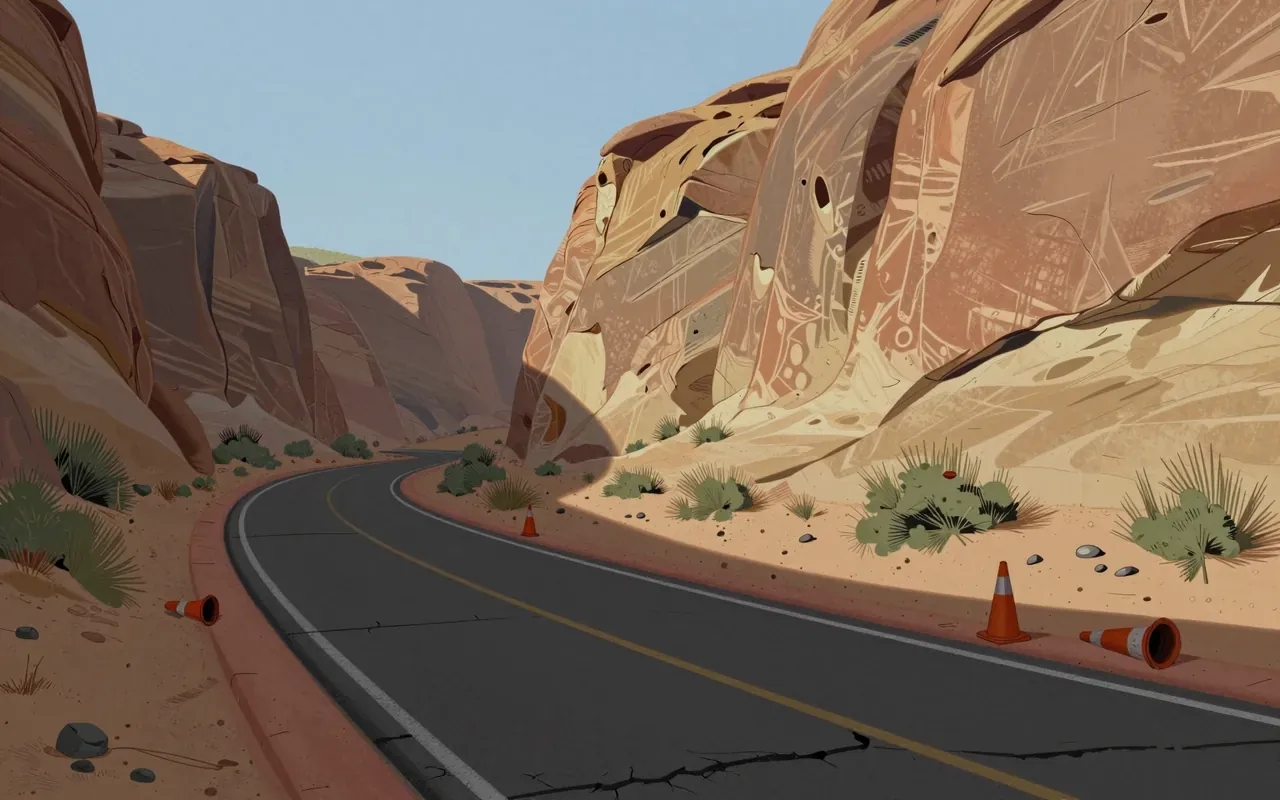
TrackMania Turbo is a 2016 arcade racing game by Nadeo. It delivers stunt-focused, high-speed racing across four themed locations—Canyon Grand Drift, Valley Down and Dirty, Rollercoaster Lagoon and International Stadium—with over 200 tracks. It includes a single-player campaign, cooperative Double Driver mode, local split-screen for up to four players on PlayStation 4, Xbox One and PC, and a track editor with random generation.
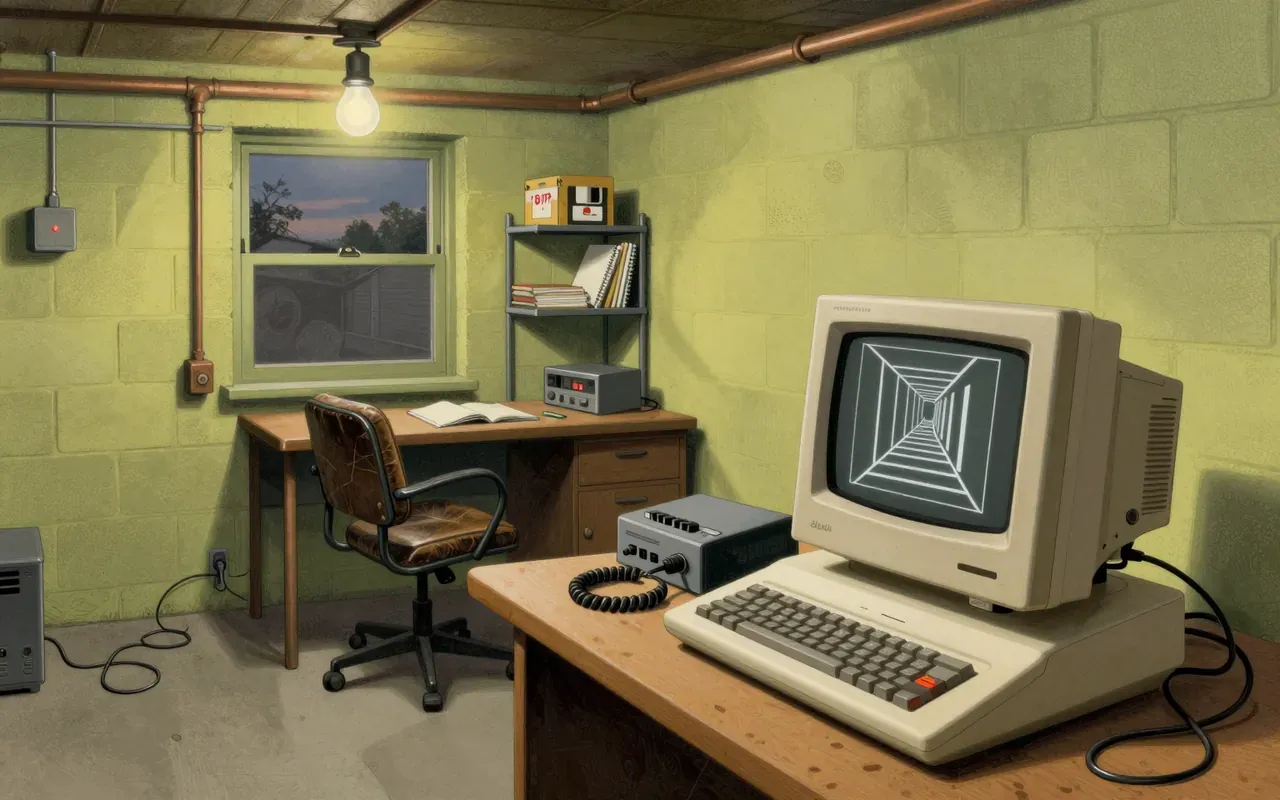
Wizardry: Proving Grounds of the Mad Overlord is a 1981 dungeon-crawl RPG by Sirotech Software. It demands manual mapping, enforces strict party alignment rules, and offers no in-dungeon saving. Its ten-level dungeon beneath Trebor's castle exists solely to be descended — one floor at a time — until the party reaches Werdna and retrieves the amulet.
Bejeweled is a browser-based match-three puzzle game developed by PopCap Games and first released in 2000. Players swap adjacent gems to form lines of three or more identical gems, clearing them and triggering cascading falls. Swaps that fail to produce a match revert automatically. It features untimed and timed modes — the former ending when no moves remain, the latter requiring point accumulation to stall a depleting timer — and later introduced competitive multiplayer with special gems.

Borderlands (2009) is a role-playing shooter developed by Gearbox Software. It combines first-person shooter action with RPG systems—including four distinct Vault Hunters, branching skill trees, mission-driven progression, and a procedural loot engine generating over 15 million weapon and gear variations. Its cell-shaded-like art style gives Pandora a comic-book appearance. Players fight hostile wildlife and human forces on the fictional planet while seeking a fabled Vault.
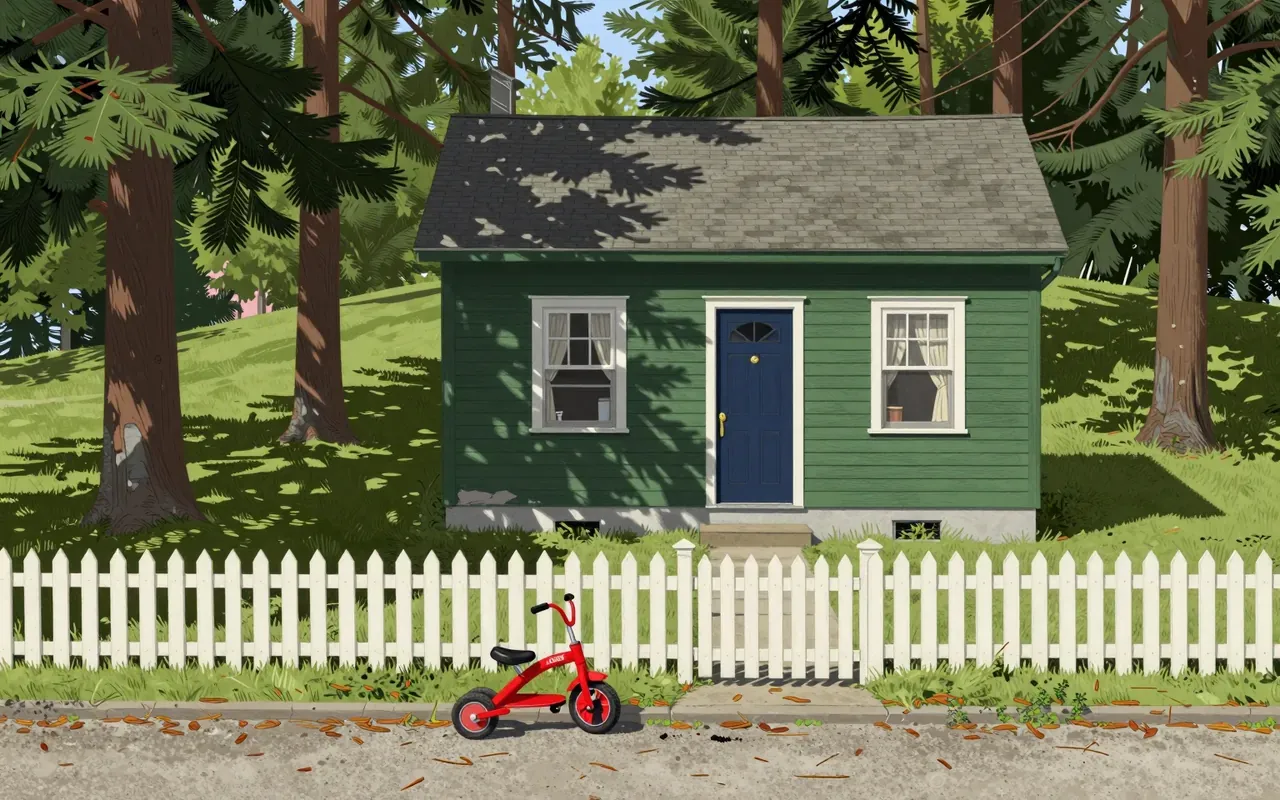
Braid is a 2D puzzle-platform game developed by Thekla Inc., published by Microsoft, released on XBLA in 2008. Its art was created by David Hellman. It uses time manipulation as its central design pillar, delivered through six sequentially unlocked worlds, each governed by a distinct temporal rule. Narrative is conveyed through text between worlds, environmental art, and gameplay itself.
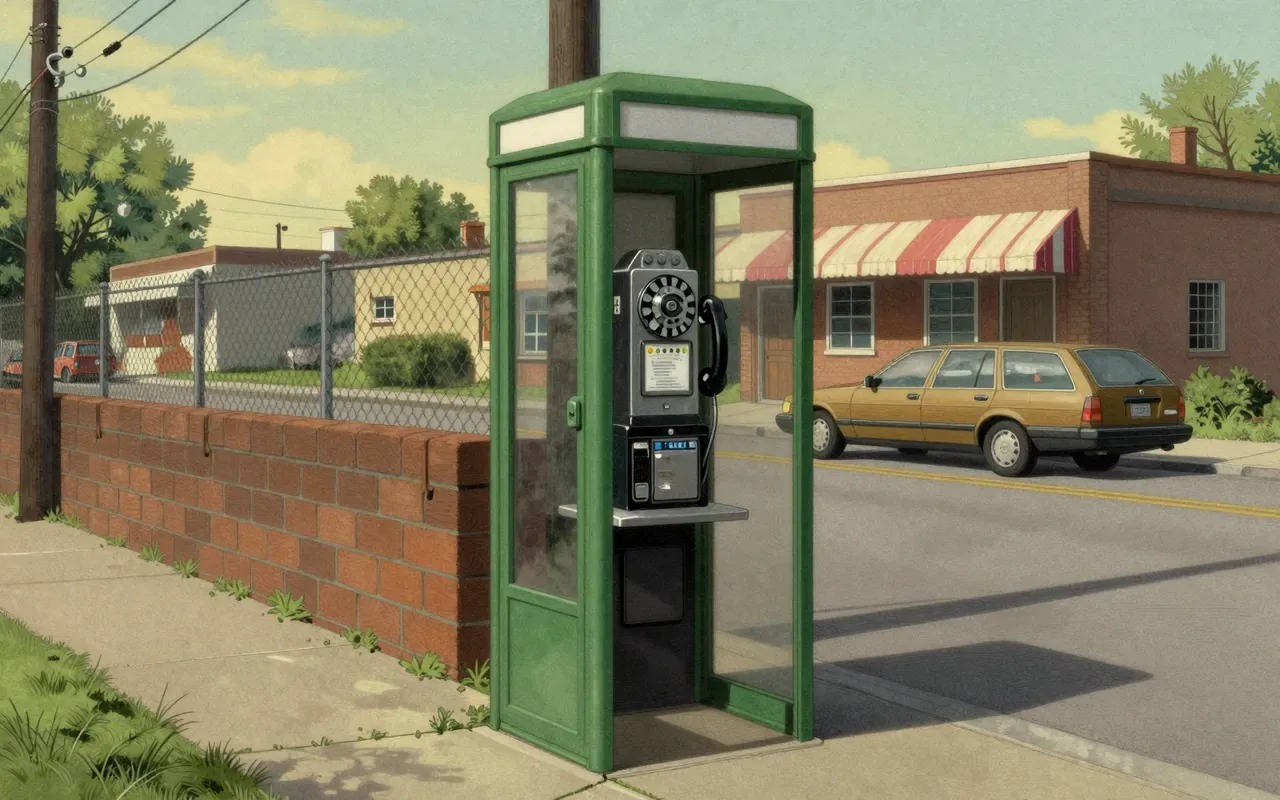
EarthBound is a 1994 Nintendo RPG that rejects the genre’s conventions: no overworld map, no random encounters, no top-down grid. Instead, it builds a seamless, oblique-projection world where enemies are visible NPCs, combat begins with spatial positioning, and progression is deliberately unstable. It asks players to read the environment, not the menu.
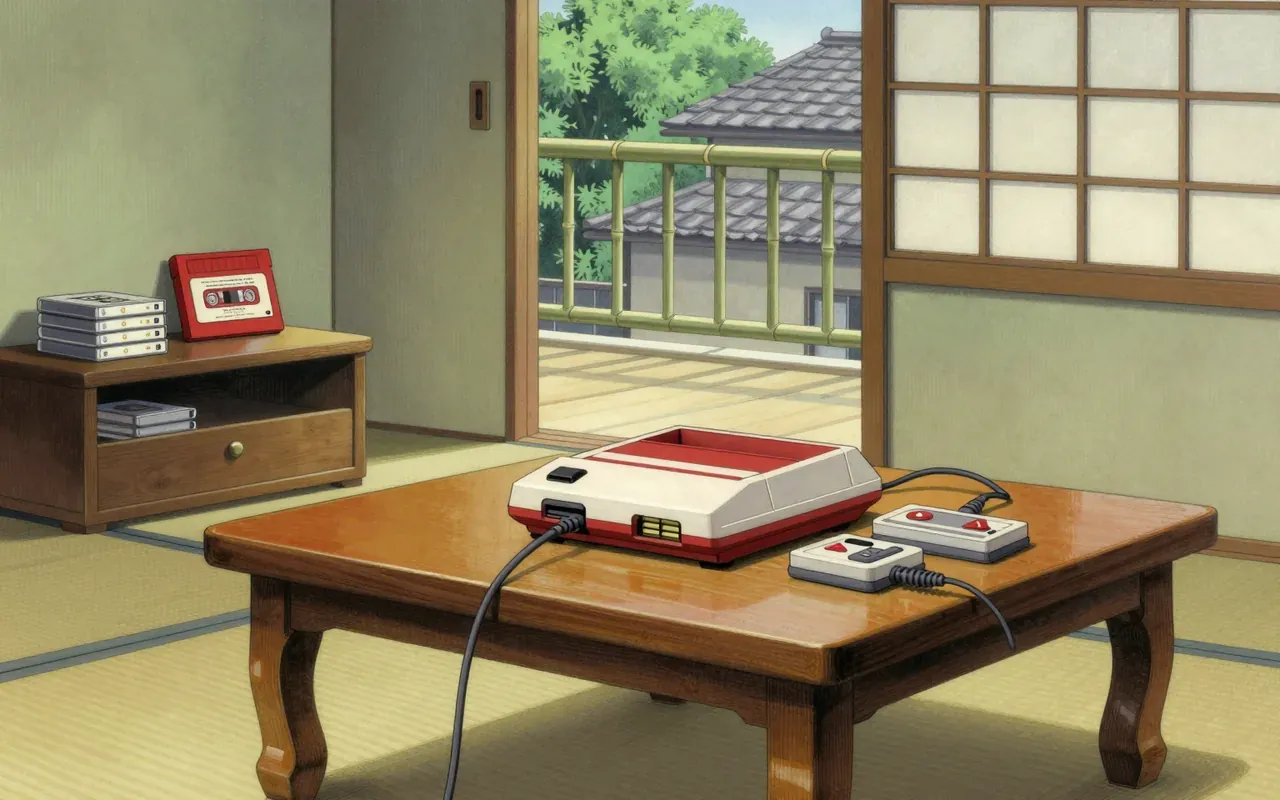
Famicom Wars is Nintendo’s 1988 turn-based strategy game for the Famicom. Players command Red Star or Blue Moon across 15 initial maps, aiming to capture the enemy headquarters or eliminate all enemy units in one turn. Each turn provides funds to build units at owned factories, seaports, and airports; conquering cities near headquarters yields extra funds. Only foot soldiers can conquer cities, enabling repair/refuelling. Unit roles differ in firepower and support. Two secret ending maps unlock depending on the nation chosen against the CPU.
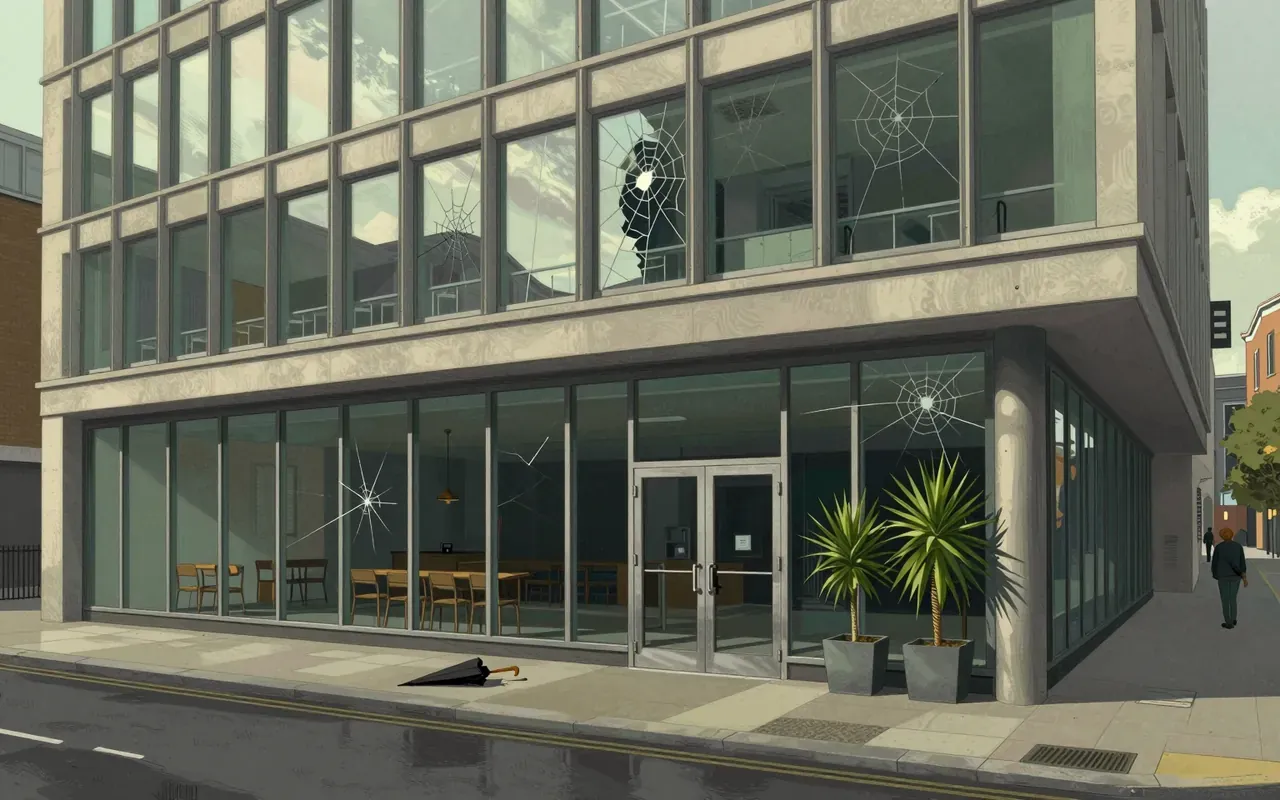
Gunpoint is a stealth-based puzzle-platform game where players control freelance spy Richard Conway to infiltrate buildings, avoid guards, and bypass security using gadgets like the Crosslink tool.

Portal is a first-person puzzle game where players solve spatial challenges using a portal gun that creates bidirectional, color-coded connections between surfaces. Physics-based movement—especially momentum conservation and orientation realignment across portals—forms the core mechanical loop, enabling techniques like 'flinging'. Constraints include inability to place portals through existing portals, on moving or unsuitable surfaces, or past Emancipation Grills, which erase portals and destroy carried objects. Puzzles are structured across test chambers, with optional challenge modes emphasizing efficiency or added hazards. The player controls Chell, a silent protagonist guided and antagonized by GLaDOS, within a clinical, minimalist facility designed to foreground functional geometry over decoration.
Super Smash Bros. Brawl is a Nintendo-published platform fighter released in 2008. It uses percentage-based damage, ring-out objectives, simplified controls, and Smash Ball-triggered Final Smashes. It supports local multiplayer with multiple controllers, custom profiles, and single-player modes including The Subspace Emissary.
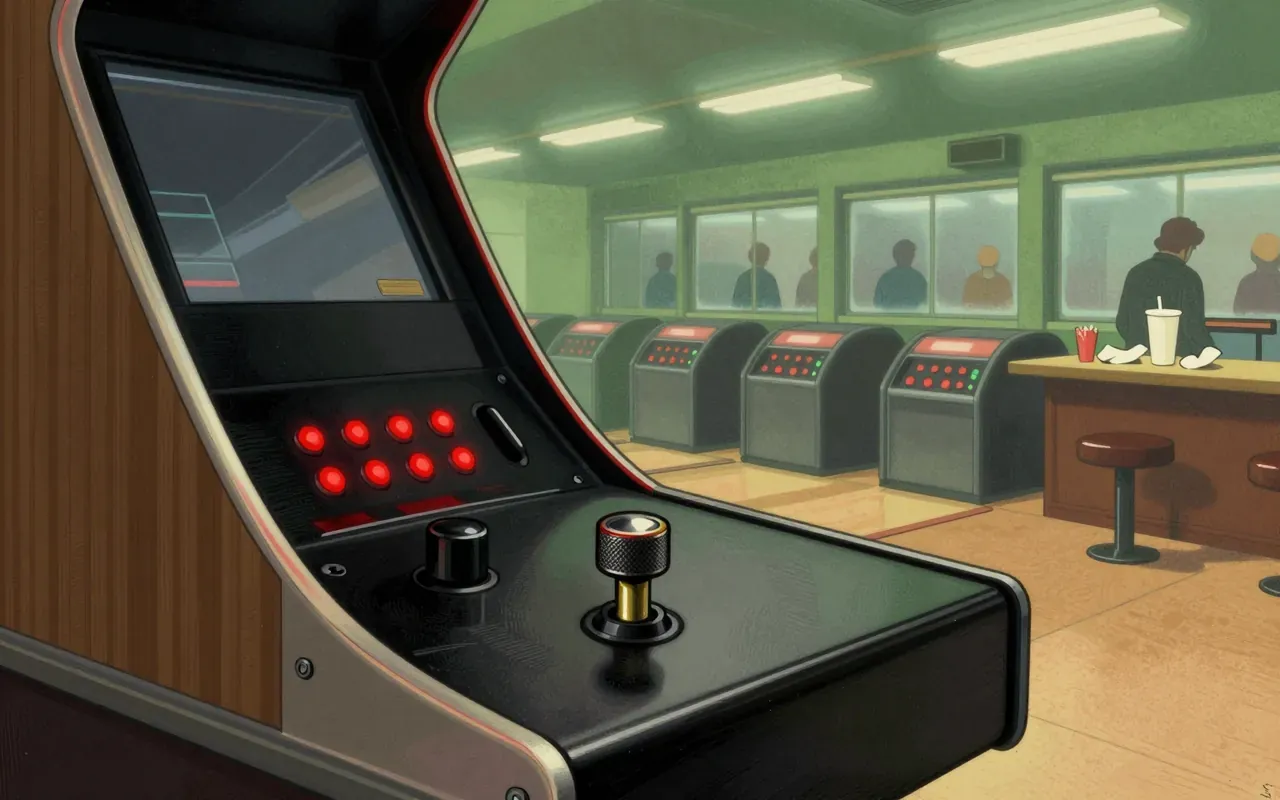
Tempest is a 1981 arcade tube shooter developed and published by Atari, Inc. It places a claw-shaped blaster on the near edge of a 3D, lane-based surface — often a closed tube — viewed from one end.
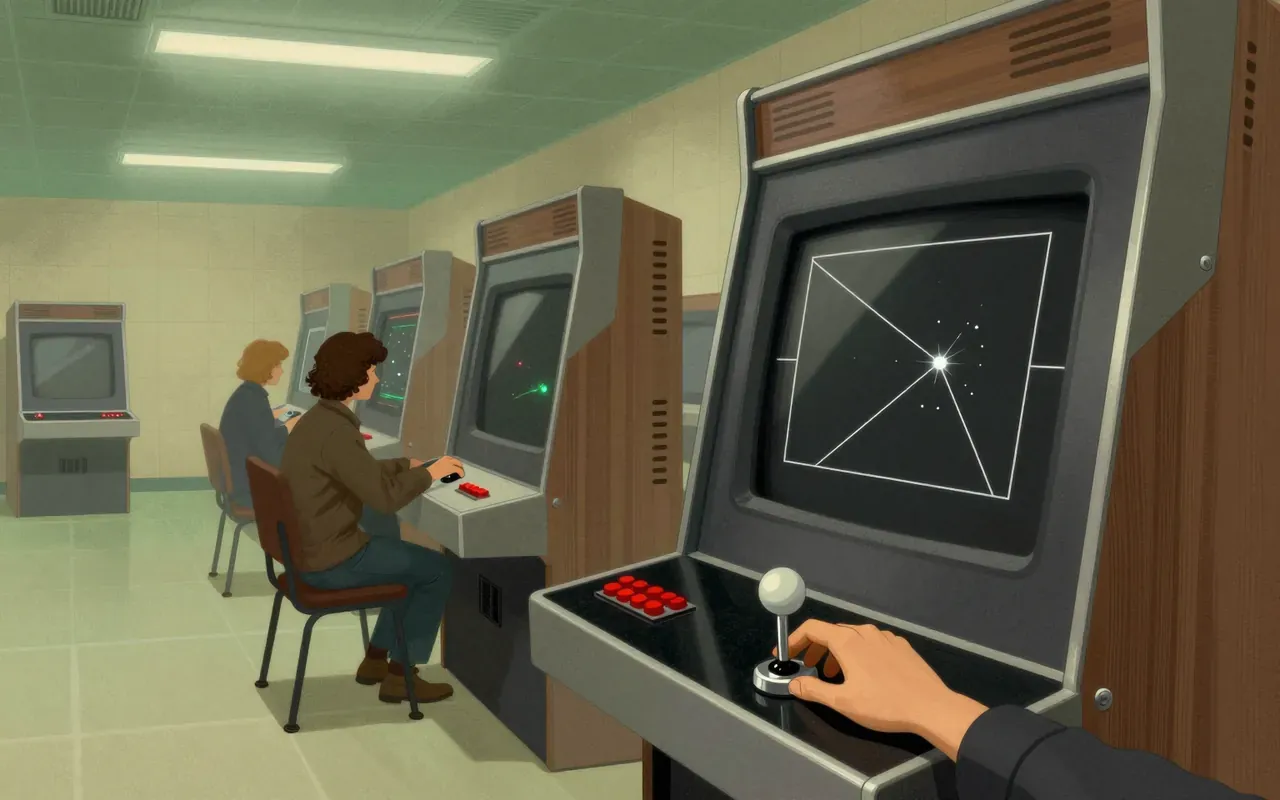
Asteroids (1979) is a multidirectional shooter developed by Atari, Inc. It uses custom vector-display hardware derived from Lunar Lander. The player controls a triangular spaceship with rotation, forward thrust, and forward fire. Movement obeys inertia: the ship continues drifting until thrust alters direction or friction halts it. Asteroids break into smaller, faster fragments when shot. Two types of flying saucers traverse the field and fire back. Screen edges wrap both horizontally and vertically. Hyperspace teleports the ship to a random location at risk of self-destruction or collision. The game features a high-score table with player initials. It was designed for arcade play and includes exploitable behaviours like edge-lurking to evade saucer aim.
Boulder Dash is a deterministic puzzle game built on gravity, grids, and consequence. It gives you Rockford, dirt, boulders, time, and diamonds—and nothing else. Its rigour is its reward.
Capcom vs. SNK: Millennium Fight 2000 is a 2000 arcade fighting game that merges Capcom and SNK rosters under a custom team-building framework and dual-rule-set grooves.
Centipede is a fixed shooter arcade game developed and published by Atari, Inc. in 1981. The player controls the Bug Blaster at the bottom of the screen with a trackball and shoots upward at a segmented centipede descending through a field of mushrooms. Shooting a segment turns it into a mushroom and splits the centipede; the rear piece grows a new head. The centipede moves horizontally until hitting a mushroom or screen edge, then drops one level and reverses. Mushrooms take four shots to destroy and award one point each. Their accumulation speeds the centipede’s descent. A 1998 Windows PC remake was released by Hasbro Interactive.
Defender is a 1981 coin-operated arcade shooter by Williams Electronics. It demands constant attention across multiple threats on a scrolling, featureless planetary surface. Its control scheme fractures movement and action. Its scoring system rewards endurance, not mastery. Its influence is real — but its play is uncompromising.

Dragon Quest (1986) is a single-player RPG developed by Chunsoft. It simplifies Western RPG conventions for console audiences. The player controls a young hero who must defeat the Dragonlord and retrieve the stolen Balls of Light. Progression relies on open exploration gated by enemy strength, turn-based combat with four commands, and stat growth tied to experience and name input. Save systems differ: passwords in Japan, battery-backed RAM in North America. Its design prioritises narrative clarity and incremental empowerment over mechanical complexity.
Ecco the Dolphin is an action-adventure game where the player controls a bottlenose dolphin navigating time-traveling plot-driven levels. Core mechanics include speed-based swimming, singing-based interaction and mapping, glyph-based puzzles, and survival constraints like air depletion and health management.
Guild Wars (2005) is a competitive online role-playing game developed by ArenaNet and published by NCSoft. It features instanced PvE and PvP, a level cap of 20 (extendable to 200 attribute points via quests), and a strict eight-skill loadout drawn from a library of over a thousand. It replaces gear dependency and grinding with skill-based combat, profession-locked builds, and modular progression across missions and arenas. Revenue came from standalone expansions and microtransactions—not subscriptions.
Guilty Gear (1998) is a rigid, high-stakes 2D fighter defined by its unyielding structure and aggressive resource economy. Its design assumes arcade discipline — precise inputs, pattern recognition, and tolerance for punitive feedback. It offers no scaffolding, no compromise, and no illusion of accessibility.
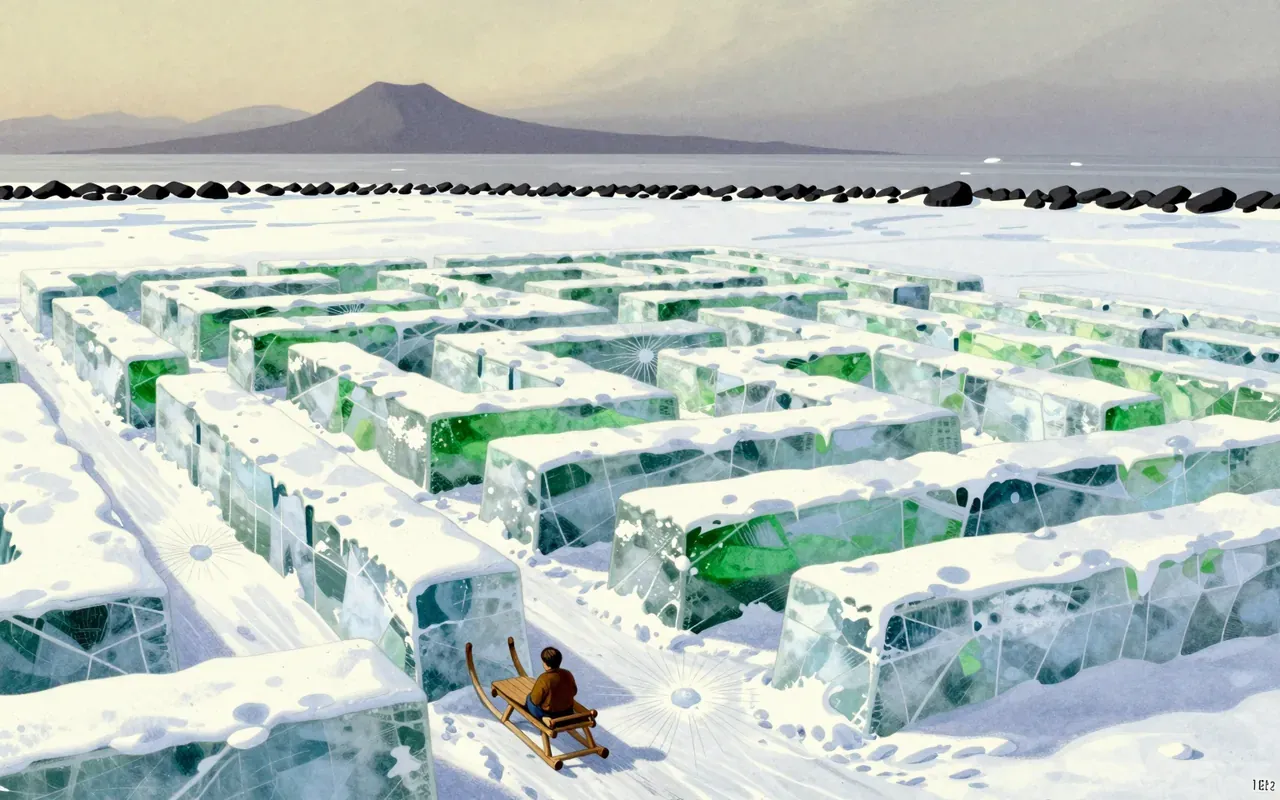
Pengo is a 1982 arcade maze game developed by Coreland and published by Sega Enterprises, Inc. The player controls Pengo — a red penguin in the Antarctic — using a four-position joystick and one button to slide or crush ice blocks in an overhead maze. The goal is to eliminate all Sno-Bees and Sno-Bee eggs each round, optionally aligning three diamond blocks for bonus points. Rounds end when all enemies and eggs are destroyed; doing so in under 60 seconds awards time-based bonus points. The game features 16 rounds with intermissions.

RollerCoaster Tycoon is a solo-built, tile-based construction and management simulation released in 1999 for Windows. Developed entirely by Chris Sawyer in x86 assembly language, it reflects his Lego-like design philosophy and interest in roller coaster engineering rather than personal riding experience. Players complete 21 preset scenarios (81 total with expansions) by building amusement parks, designing custom roller coasters piece-by-piece, hiring staff with defined roles, modifying terrain, and balancing visitor needs through strategic placement of amenities.
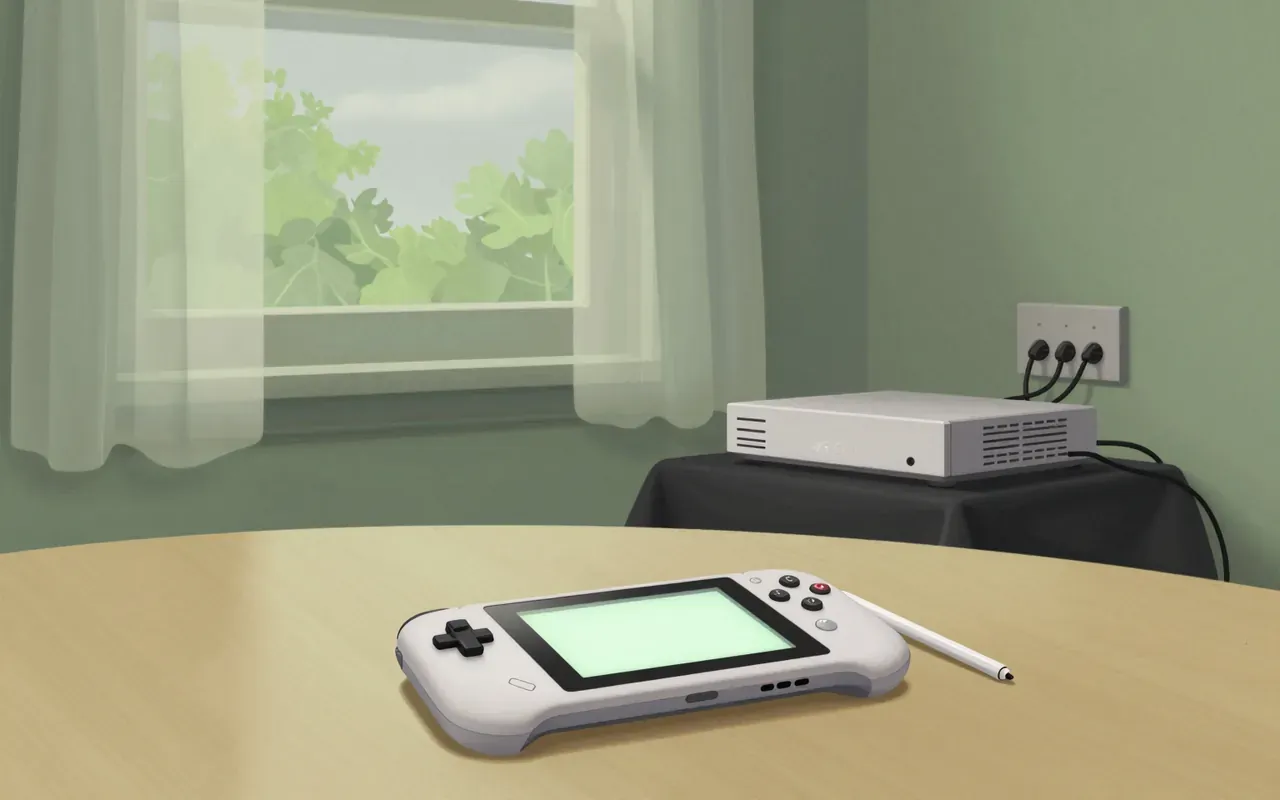
Splatoon is a Nintendo-developed and published team-based third-person shooter released in 2015 for the Wii U. It features online four-versus-four matches, local one-versus-one, and a single-player campaign. Players control Inklings who transform between humanoid and squid forms. In humanoid form, they shoot ink to cover terrain or splat opponents. In squid form, they swim through their own ink—including up walls and through grates—to hide and replenish ink. Enemy ink impedes movement, blocks swimming, and deals damage. Matches use the Wii U GamePad for map viewing and teammate launching, and players enter with a primary weapon, secondary weapon, and a special attack charged by inking terrain. Four competitive multiplayer modes define the experience: Turf War, Splat Zones, Tower Control, and Rainmaker.
StarCraft is a foundational RTS defined by enforced asymmetry across three races—Protoss, Zerg, and Terrans—each with unique units, economies, and strategic identities. Its campaign delivers thirty fixed missions, ten per race, with AI difficulty escalating automatically. It offers no difficulty adjustment, no mission retries, and no explicit pedagogy—only systemic divergence and player-driven translation.

Super Smash Bros. (1999) is a Nintendo-published crossover fighting game that discards life bars for percentage-based knockback physics. Players move freely in two dimensions across large, dynamic stages. Damage increases as a percentage, making characters fly farther with each hit. KOs occur when a character is launched off open stage boundaries. Recovery is possible mid-air using jumps. All characters share identical control schemes. The game prioritises aerial mobility and stage awareness over traditional fighting game conventions like blocking or complex inputs.
A foundational action-adventure game that treats exploration as a skill to be learned—not a path to be followed.
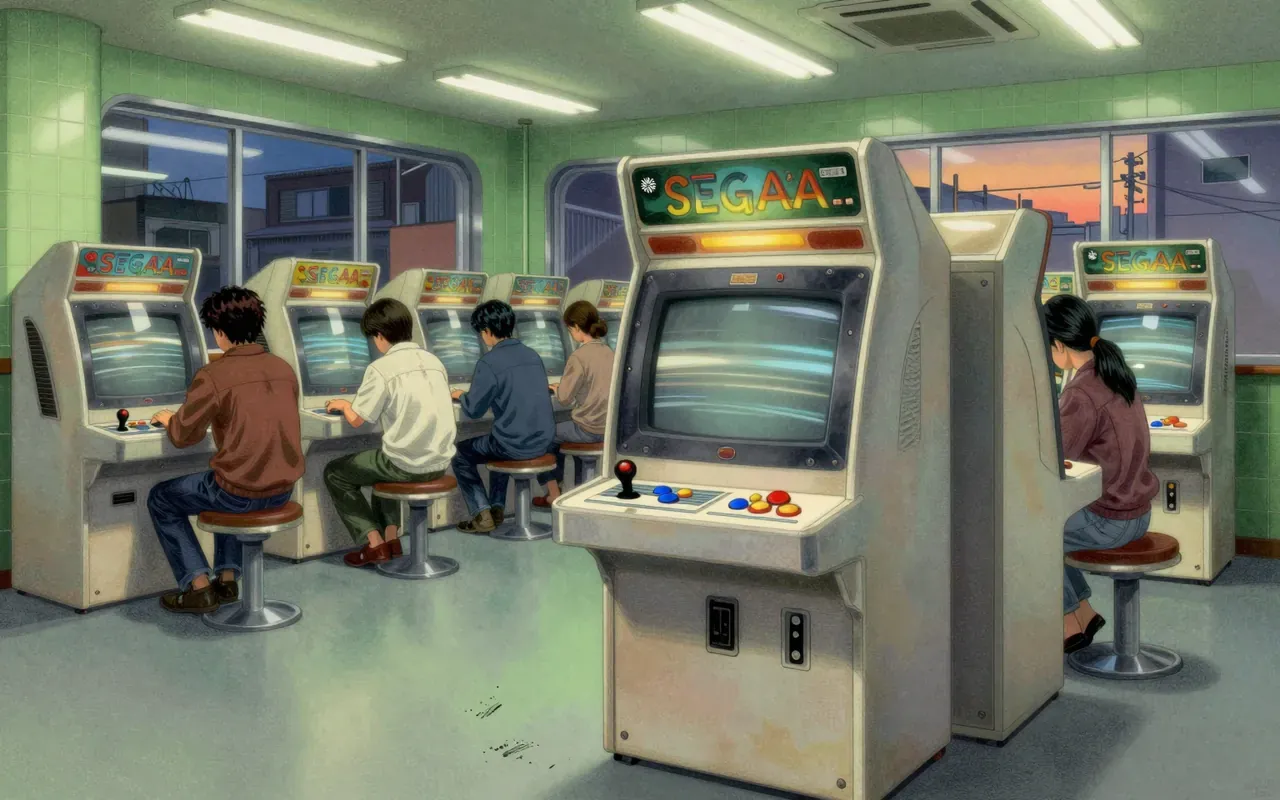
Virtua Fighter (1994) is the first 3D fighting game. It uses wireframe and flat-shaded quad polygons. Movement is restricted to two dimensions within a 3D space. It has eight playable characters, each with distinctive moves. Single-player mode requires fighting all eight in fixed order, then facing boss Dural. Matches are best-of-three, won by knockout, ring-out, or higher health at round end. Controls are limited to a stick and three buttons: punch, kick, guard. A port was bundled with the Sega Saturn at Japanese launch and sold at nearly one-to-one ratio with the console. Virtua Fighter and Virtua Fighter 2 together became Sega's best-selling arcade games of all time.
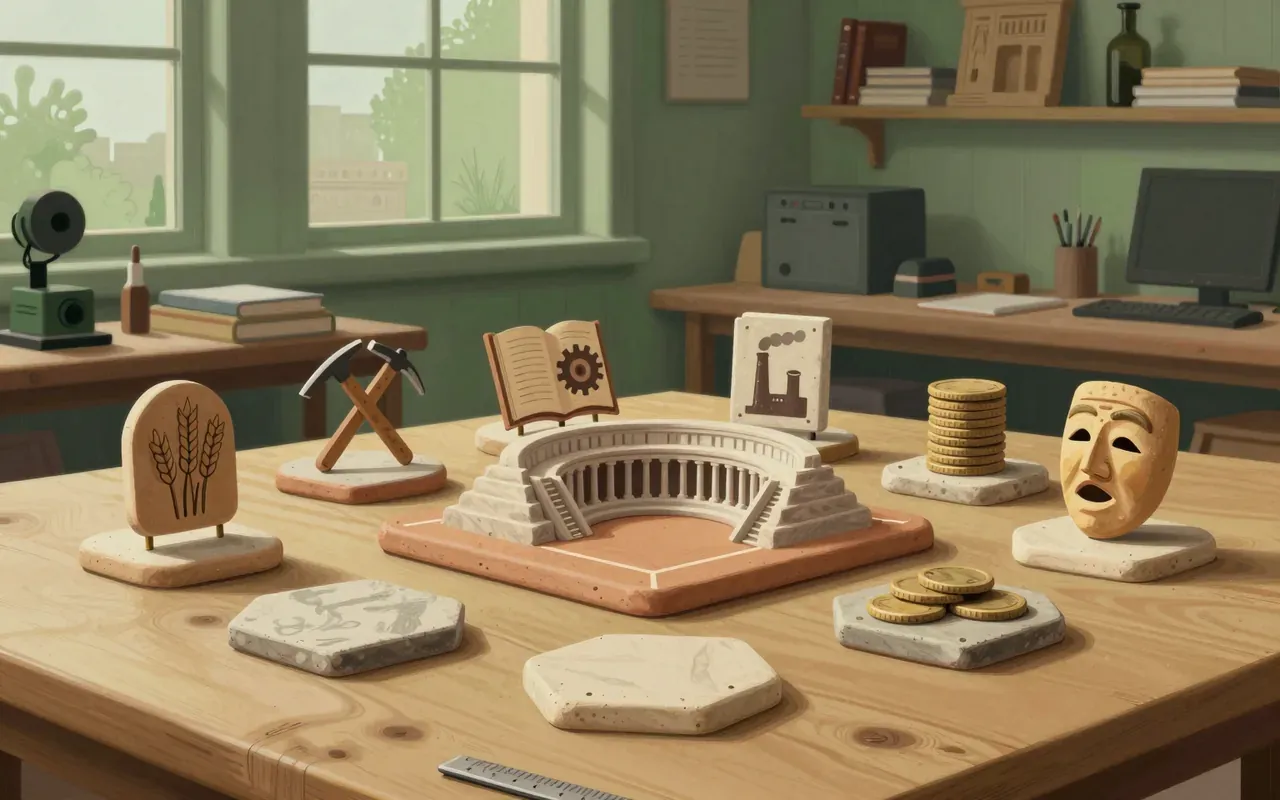
Civilization VI is a turn-based 4X strategy game where players grow a single civilization from antiquity to the near future by exploring, expanding, exploiting, and exterminating.

Crypt of the NecroDancer is a rhythm-gated roguelike released in April 2015 by Brace Yourself Games. All movement and attacks must occur on the musical beat. Enemies follow fixed rhythmic patterns — some on every beat, others on subdivisions. Missing the beat resets scoring and risks damage. The dungeon has four zones, each with four levels. Input supports dance pad, keyboard, or gamepad.
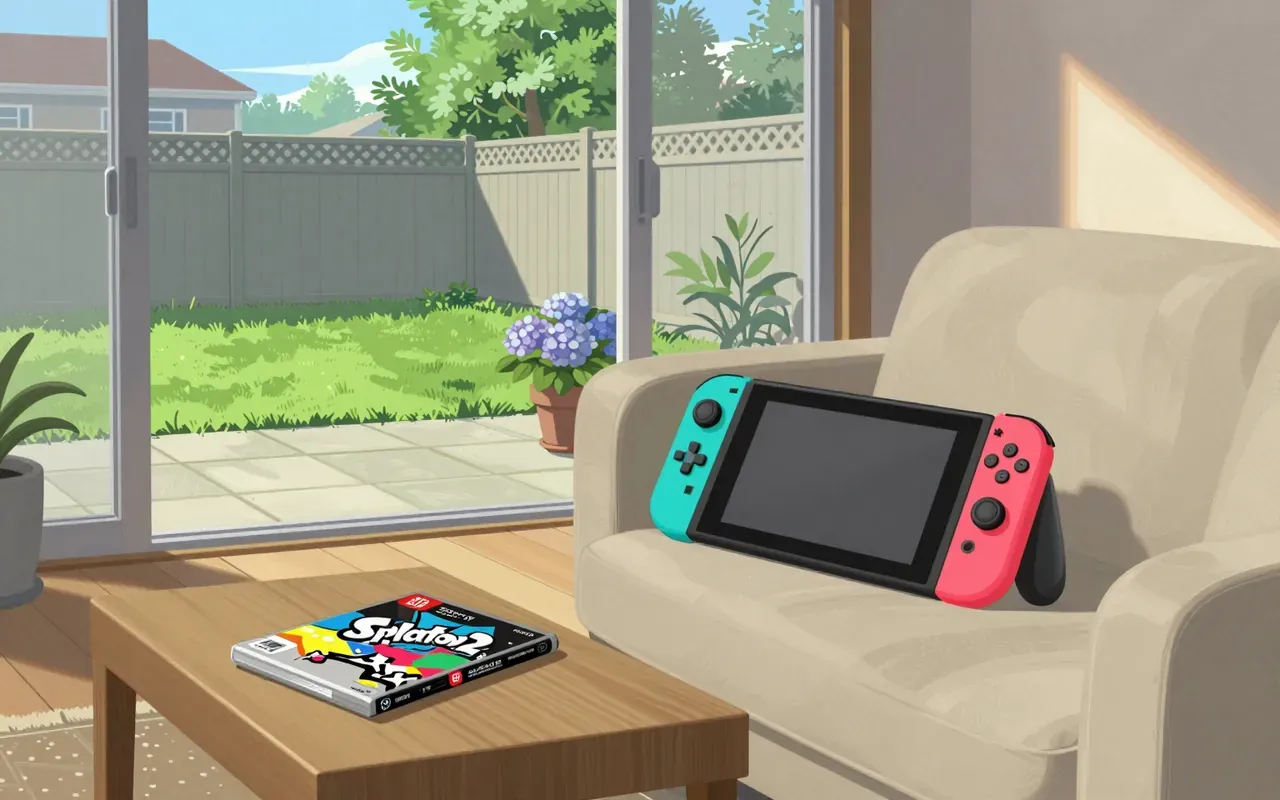
Splatoon 2 is a Nintendo-published third-person shooter built around ink-based terrain control, morphing between humanoid and cephalopodic forms, with structured competitive and co-op modes.
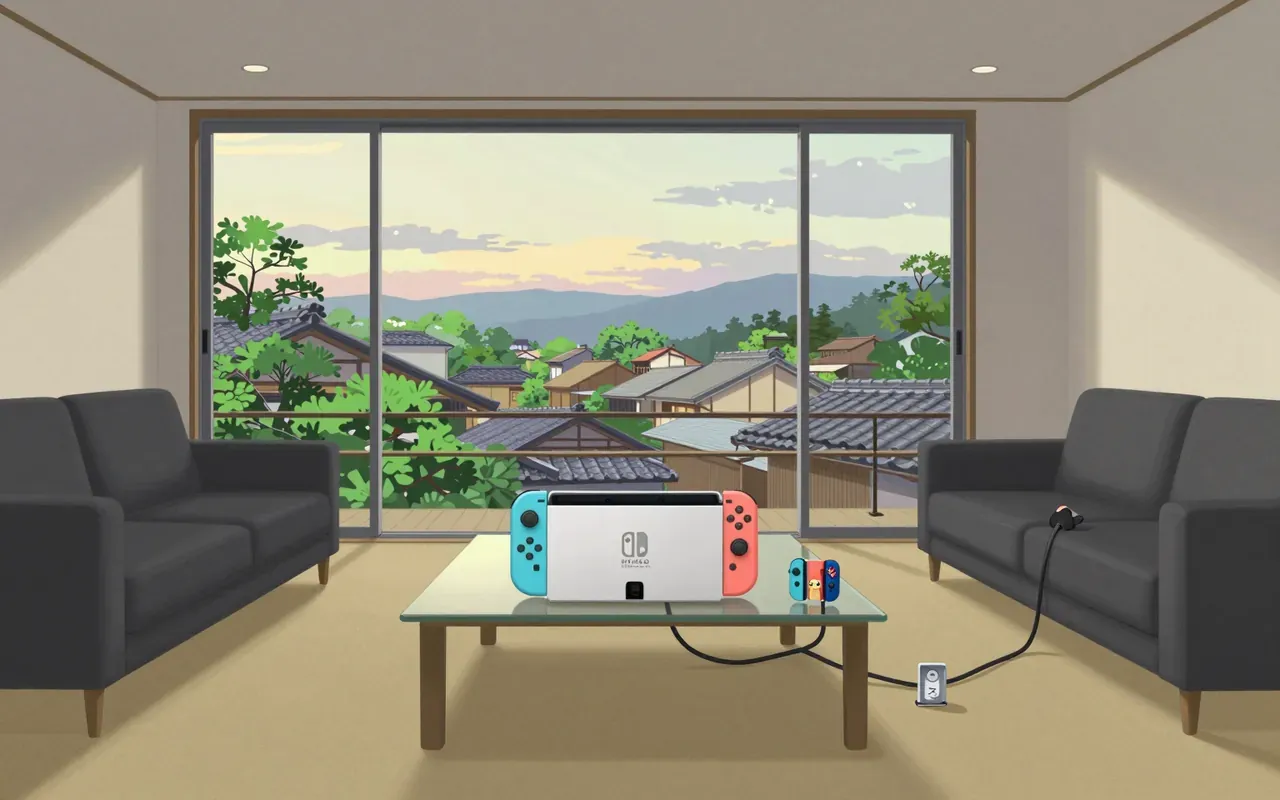
Super Smash Bros. Ultimate is a platform fighter for up to eight players. It belongs to Nintendo’s Super Smash Bros. franchise. It uses a percentage-based knockback system, three victory conditions, toggleable Final Smashes, random items including Poké Balls and Assist Trophies, and stage variants with adjustable hazards. Players can save custom rule presets. It includes Spirits and World of Light as core single-player systems.
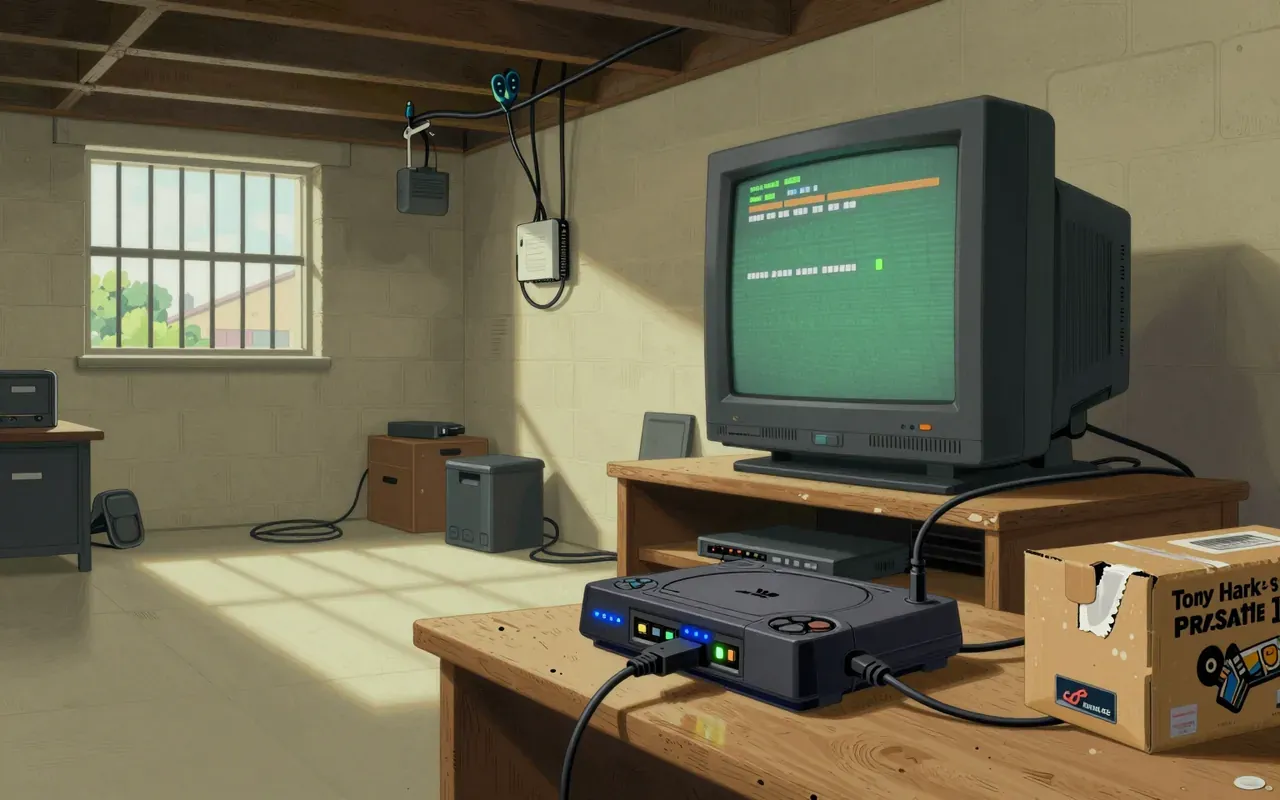
Tony Hawk's Pro Skater 3 is the pivot point where the series’ combo grammar expanded and online play entered—raw, hardware-bound, and version-dependent.
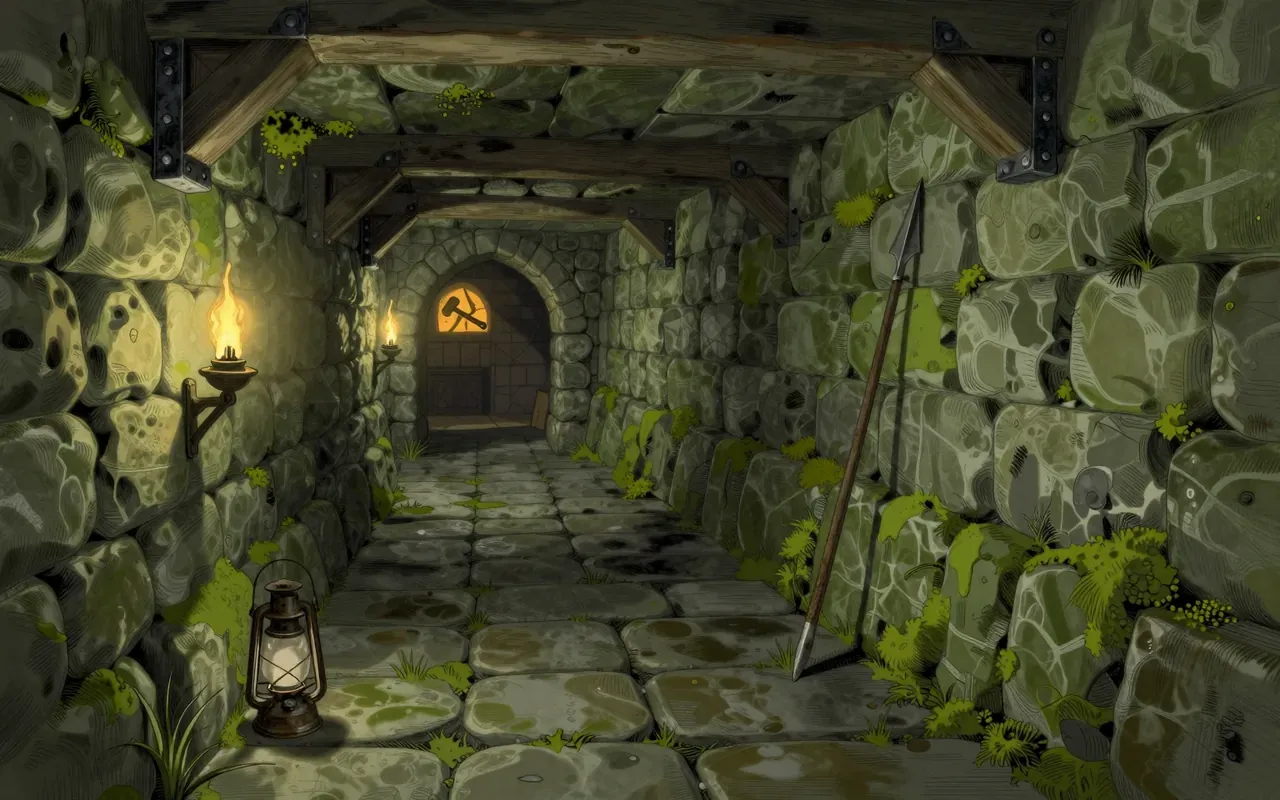
Torchlight is a single-player action role-playing game released for Windows on October 27, 2009. It was developed by Runic Games and published by Perfect World Entertainment and Encore, Inc. The game is set in the fictional town of Torchlight and the caverns and dungeons nearby. Players control a lone hero who explores randomized dungeons built from hand-designed modular chunks. Combat is point-and-click on PC. The loop is clear: descend, kill monsters in large groups, collect loot, return to the single town hub to sell, buy, and accept quests. Quests drive progression through unique boss battles. Side and random quests offer optional detours. The modular chunk system creates dungeons with intention—not randomness for its own sake. Levers open secret doors. Bridges move. Rooms connect meaningfully. The isometric-like overhead perspective gives spatial clarity. Loot drops frequently and visibly. The town hub is lean: one place to sell, buy, and take quests—no filler. It does not support co-op or multiplayer. It offers no character customisation beyond class choice. There is no endgame beyond completing the main questline and replaying with new classes. The town hub is static and unchanging. No lore depth or worldbuilding beyond functional exposition.
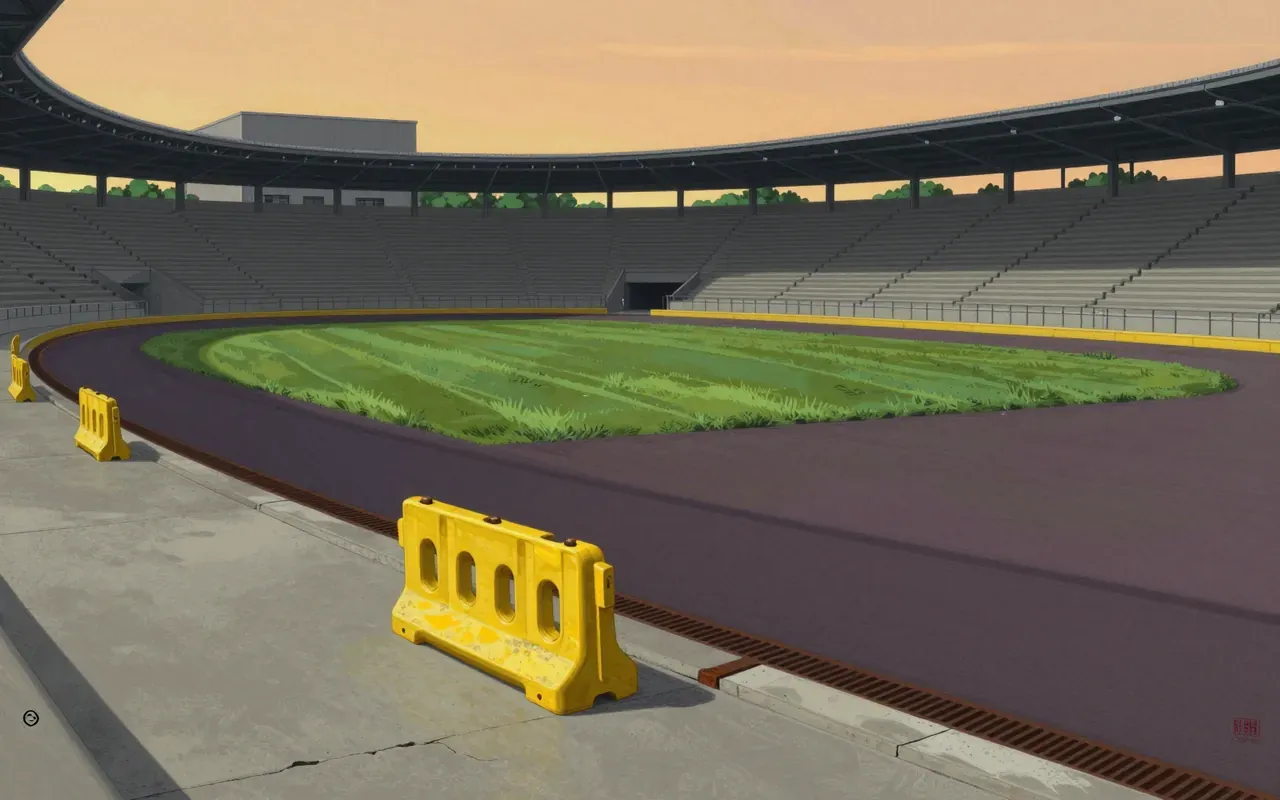
TrackMania Nations is a deliberately constrained 2006 arcade racer. It removes collision, car choice, and environmental variety to focus entirely on solo time-attack precision. Its loop is simple: run, fail, restart, refine. It asks for repetition, spatial memory, and fine motor control — nothing more, nothing less.
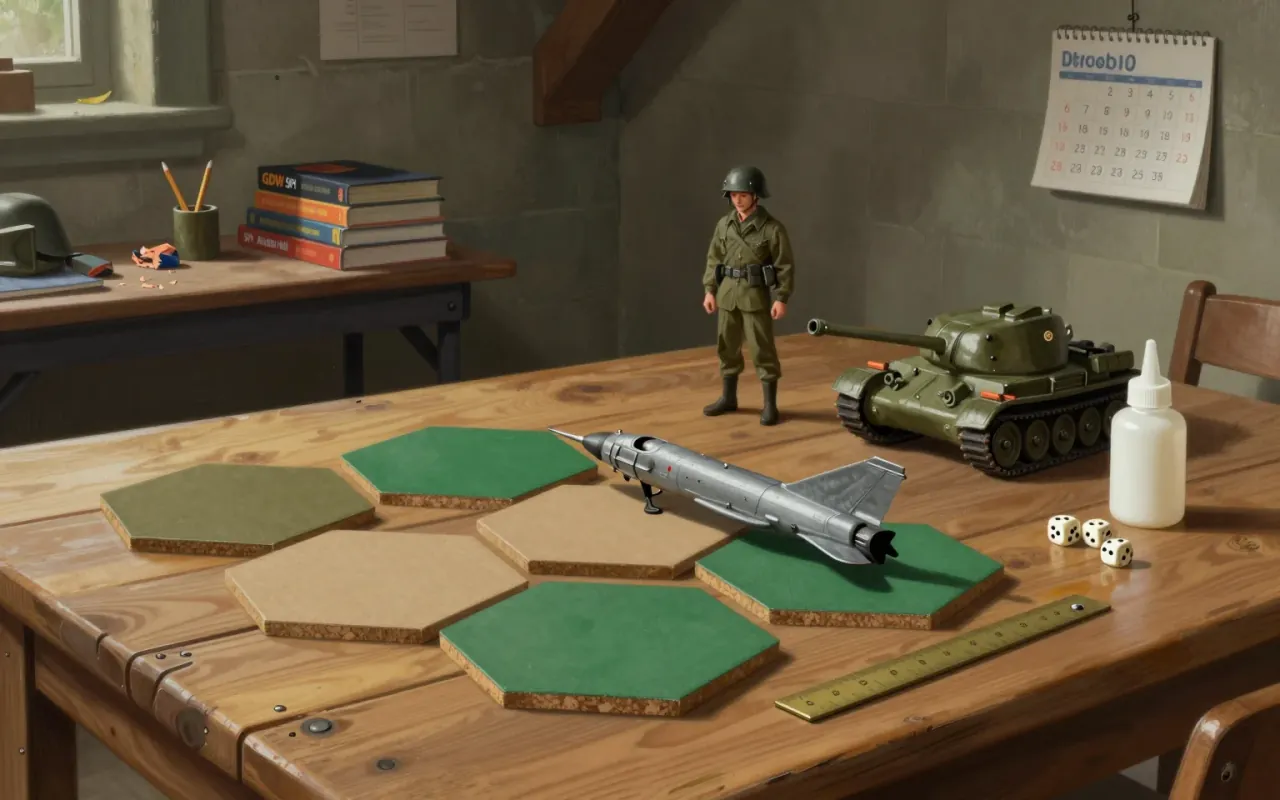
Advance Wars is a deterministic, grid-based strategy game where victory is defined by elimination or capture — never story, never spectacle. Its rules are tight, its feedback immediate, its constraints absolute. It runs on the Game Boy Advance. It was made by Intelligent Systems. It came out in 2001.
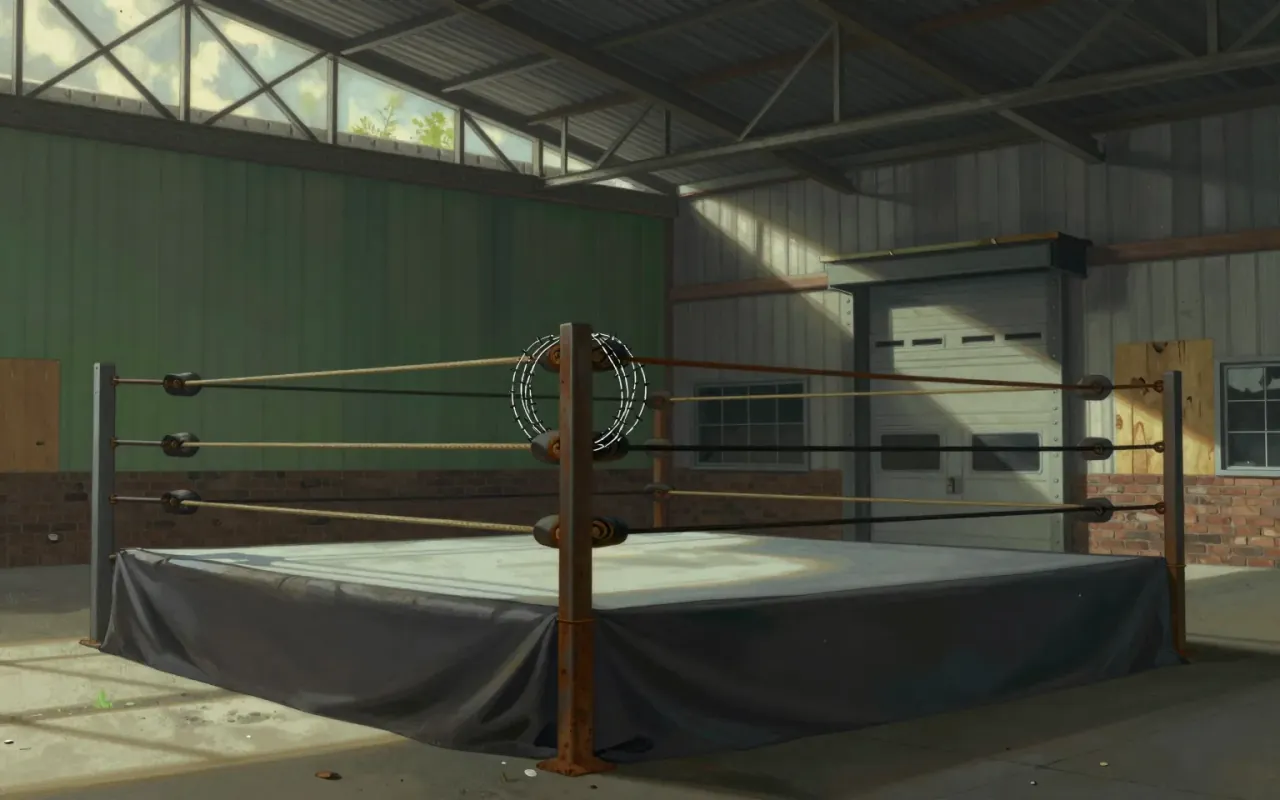
AEW Fight Forever is a deliberate step back: a wrestling game that abandons simulation for swing, realism for rhythm, and scale for structure. It works because its constraints are clear and consistent—not despite them.
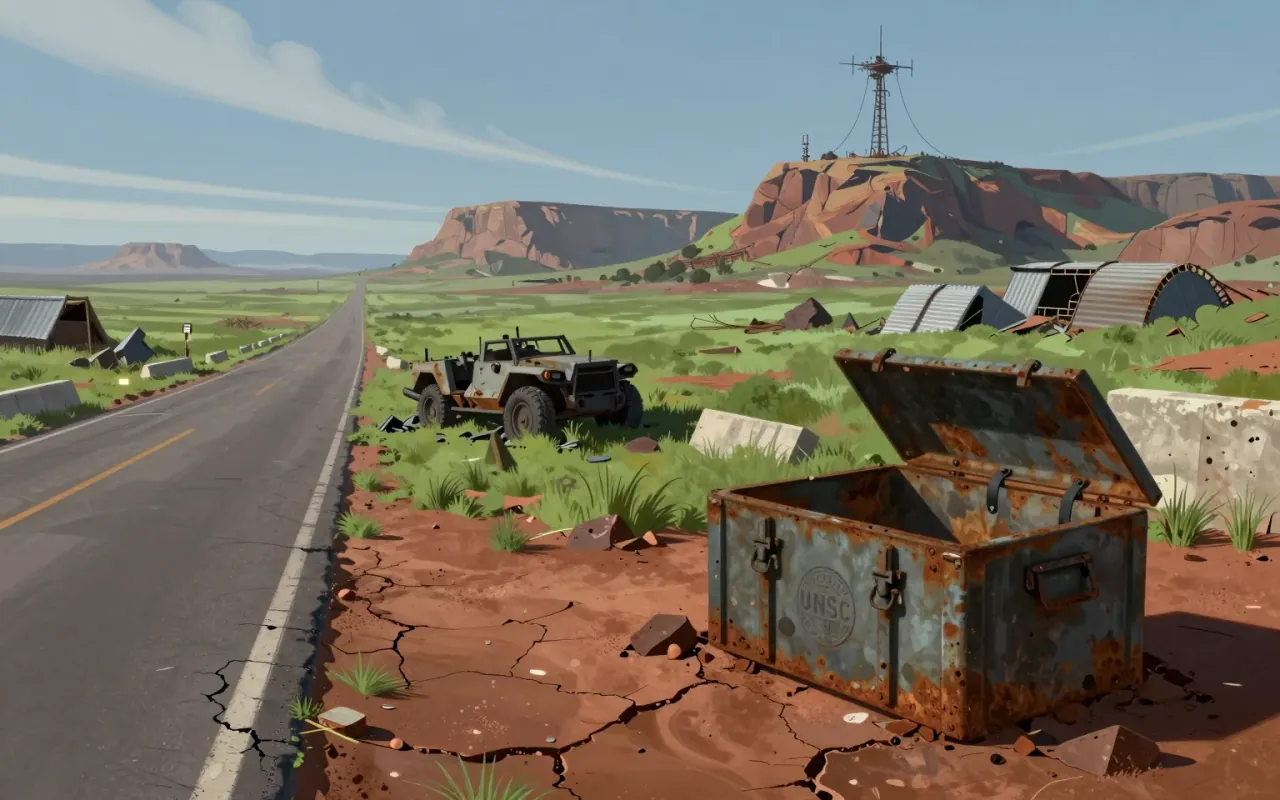
Borderlands 2 is a shooter built around loot as feedback, class skills as rhythm, and repetition as reward. Its design commits to systems over spectacle—and it works.
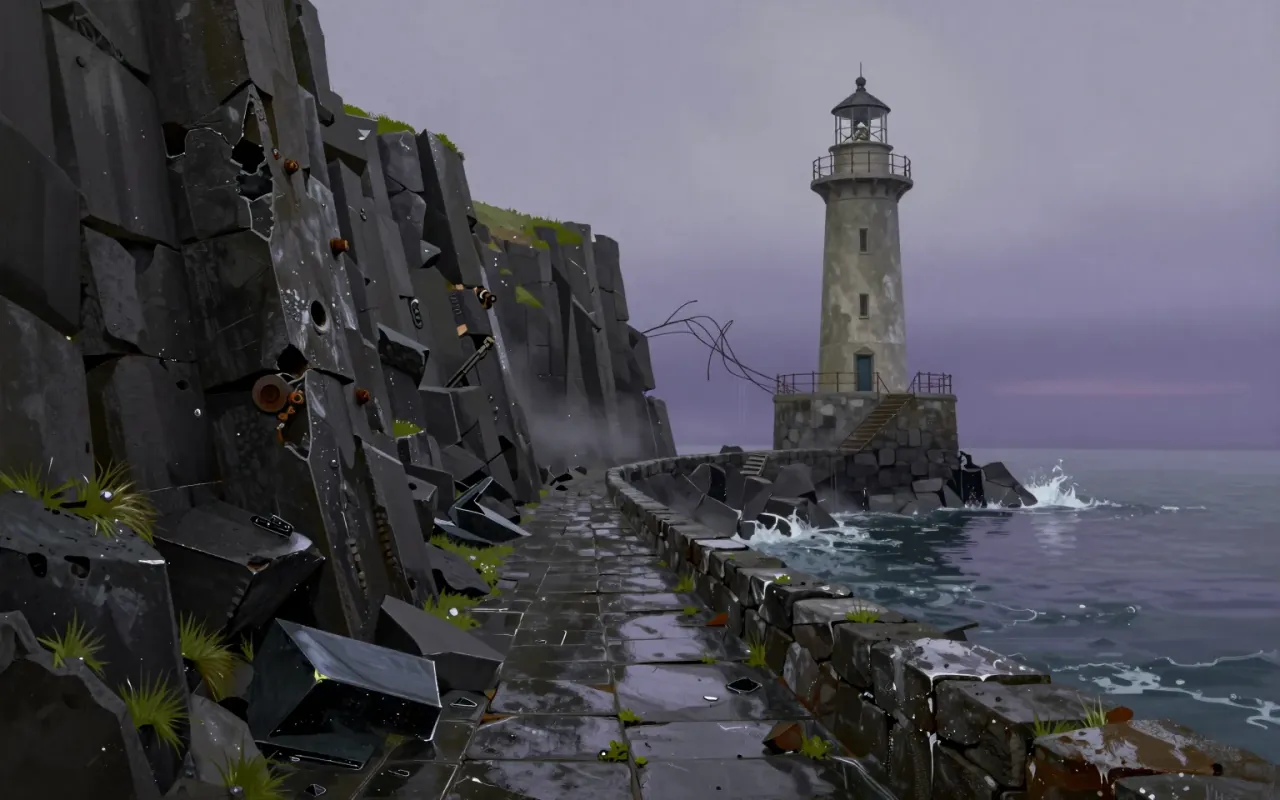
Deathloop is a first-person shooter built around a deterministic time-loop puzzle. Players control Colt Vahn, who must kill eight Visionaries before midnight to break the loop. Time advances only when moving between Blackreef’s four districts. NPC routines and environmental access shift with time-of-day. Actions in one district affect others. There is exactly one valid kill order. Every failure resets progress.

Excitebike is a tightly wound physics puzzle disguised as a motocross racer. Its loop is simple: accelerate, jump, land, repeat—until your timing is flawless. It asks for patience, precision, and tolerance for abrupt failure. It gives back immediate feedback, clear rules, and rare creative agency via its track editor. It withholds story, scalability, and forgiveness. It is not nostalgic fluff. It is functional design—brutal, specific, and still sharp.
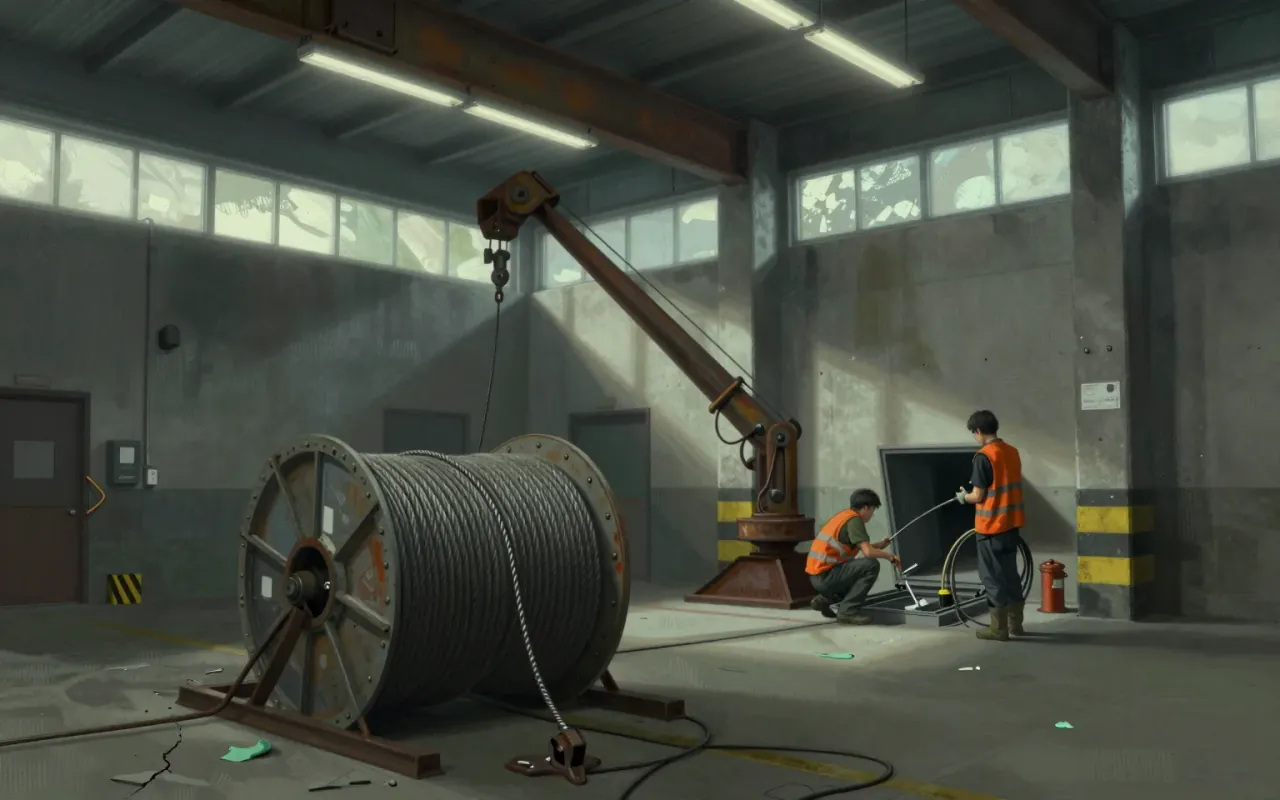
Guilty Gear Strive is a 2D fighting game developed by Arc System Works in Yokohama. It reconstructs the franchise, removes Instant Kill, introduces Wall Break, omits mechanical explanations from its tutorial, and launches without ranked mode.
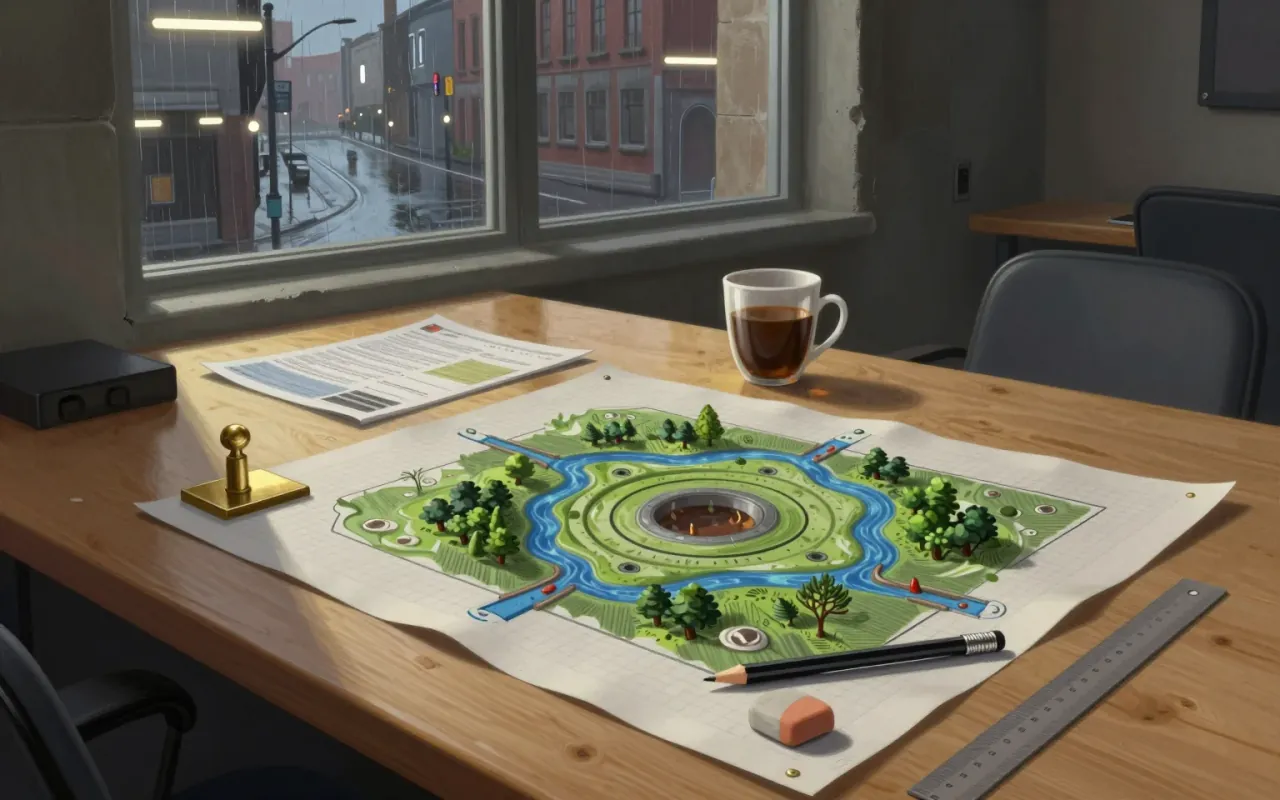
Heroes of Newerth is a 2010 MOBA developed by S2 Games, built on the K2 Engine, and based heavily on Defense of the Ancients. It features two factions — Legion and Hellbourne — competing to destroy the opponent’s central structure (World Tree or Sacrificial Shrine). Matches begin with a hero-picking phase designed to enforce role balance. Players progress by earning gold and experience through lane control, jungling, and killing neutral objectives like kongor and golems. Heroes fill strict functional roles (Carry, Support, Ganker, Jungler, Suicide) and are defined by primary attribute and attack type. Released for Windows, Macintosh, and Linux, it shifted to freeware in 2011 and made all heroes free for online play in 2012.
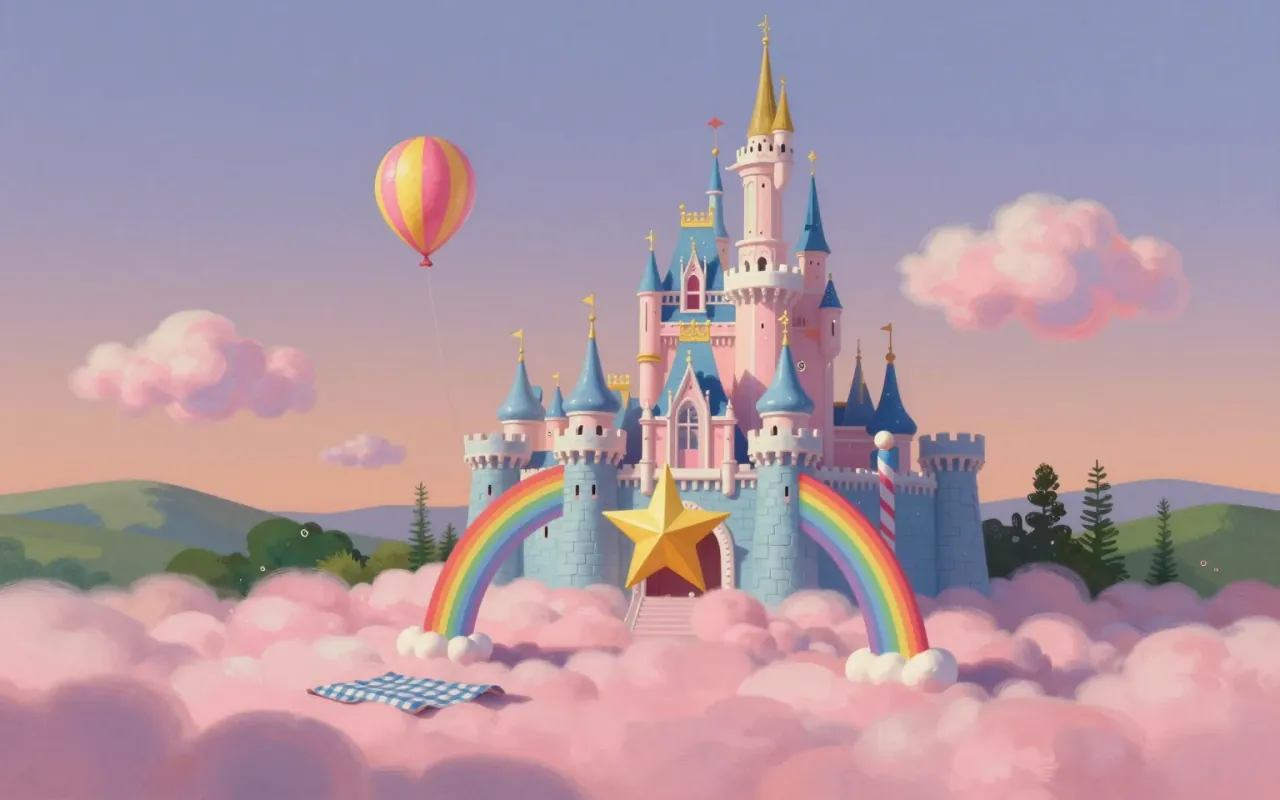
Kirby's Dream Land is a foundational Game Boy platformer defined by room-based navigation, breath-powered flight, and inhalation combat. Its design choices reflect hardware limits and deliberate pacing — not ambition to transcend them.

Marvel vs. Capcom: Infinite is a 2D tag-team fighter built around instant switching and temporary stone powers — a deliberate pivot from assist-driven complexity to combo-driven clarity.
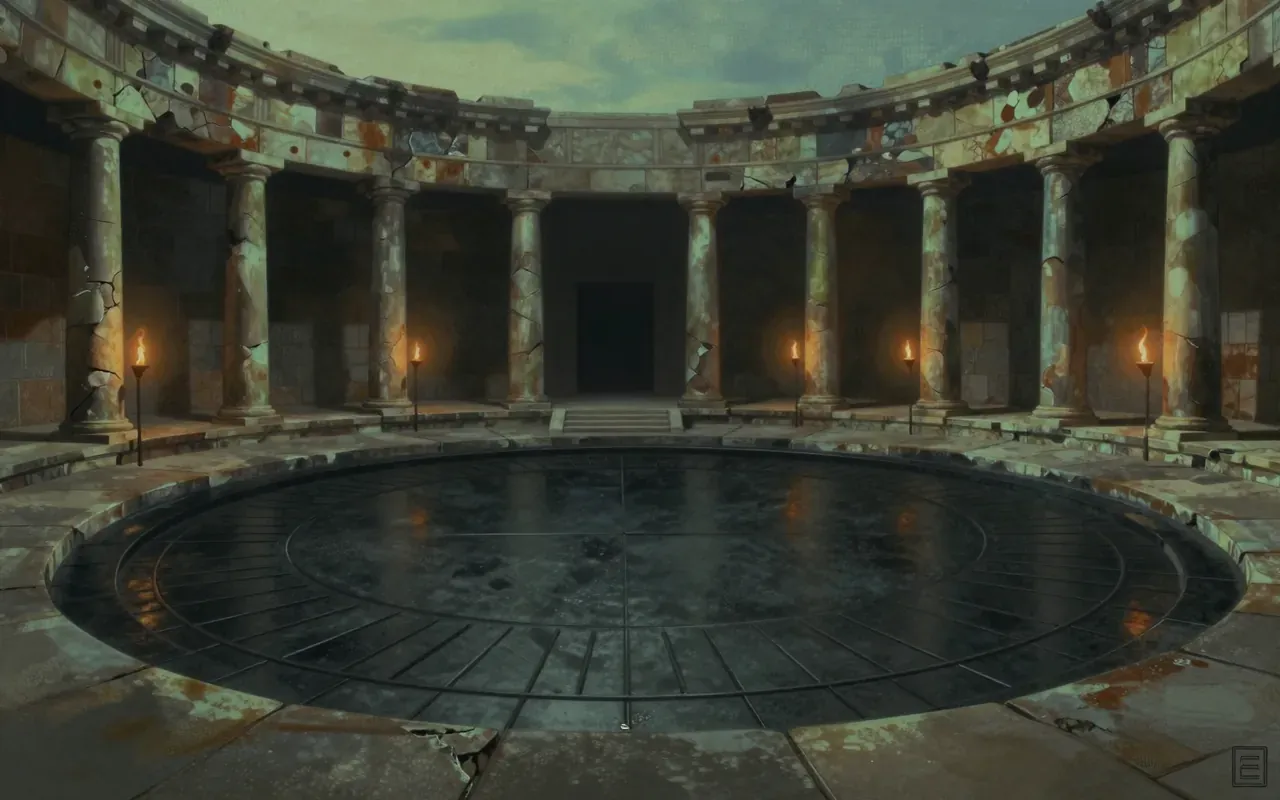
Mortal Kombat II is a 1993 arcade fighting game by Midway. It improves on the original with faster pacing, refined movement options, and expanded finishers. It removes bonus games in favour of a win-counter. Finishing moves are disabled against or by boss or secret characters.
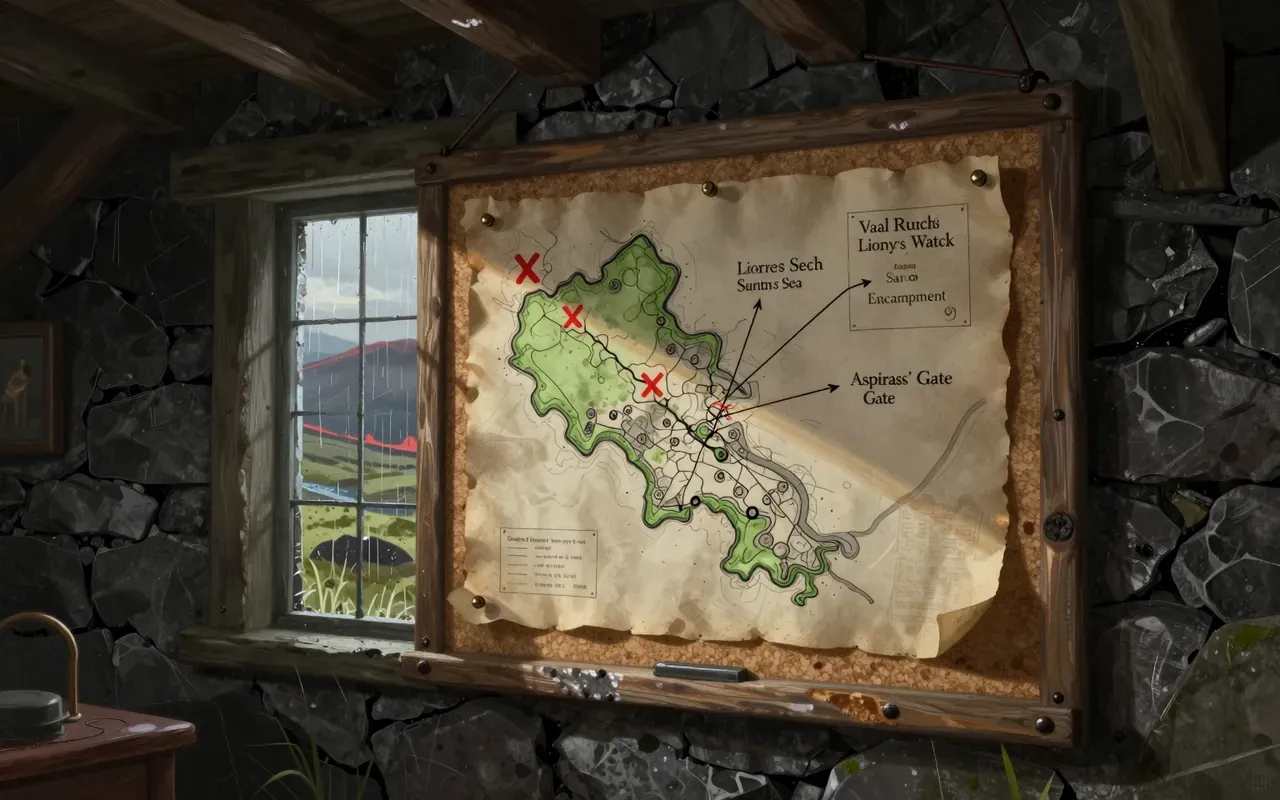
Path of Exile is a systemic ARPG that trades narrative continuity for procedural depth, instanced purity, and build-driven replayability.
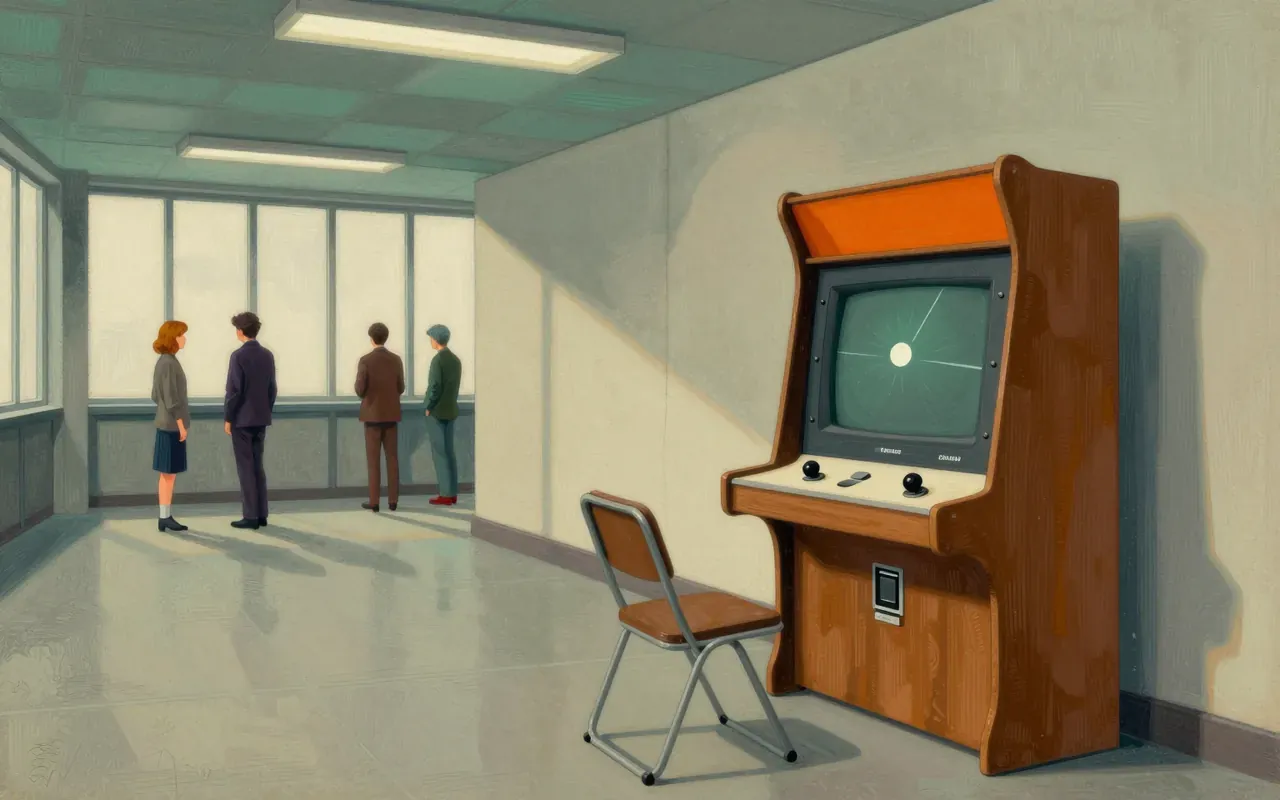
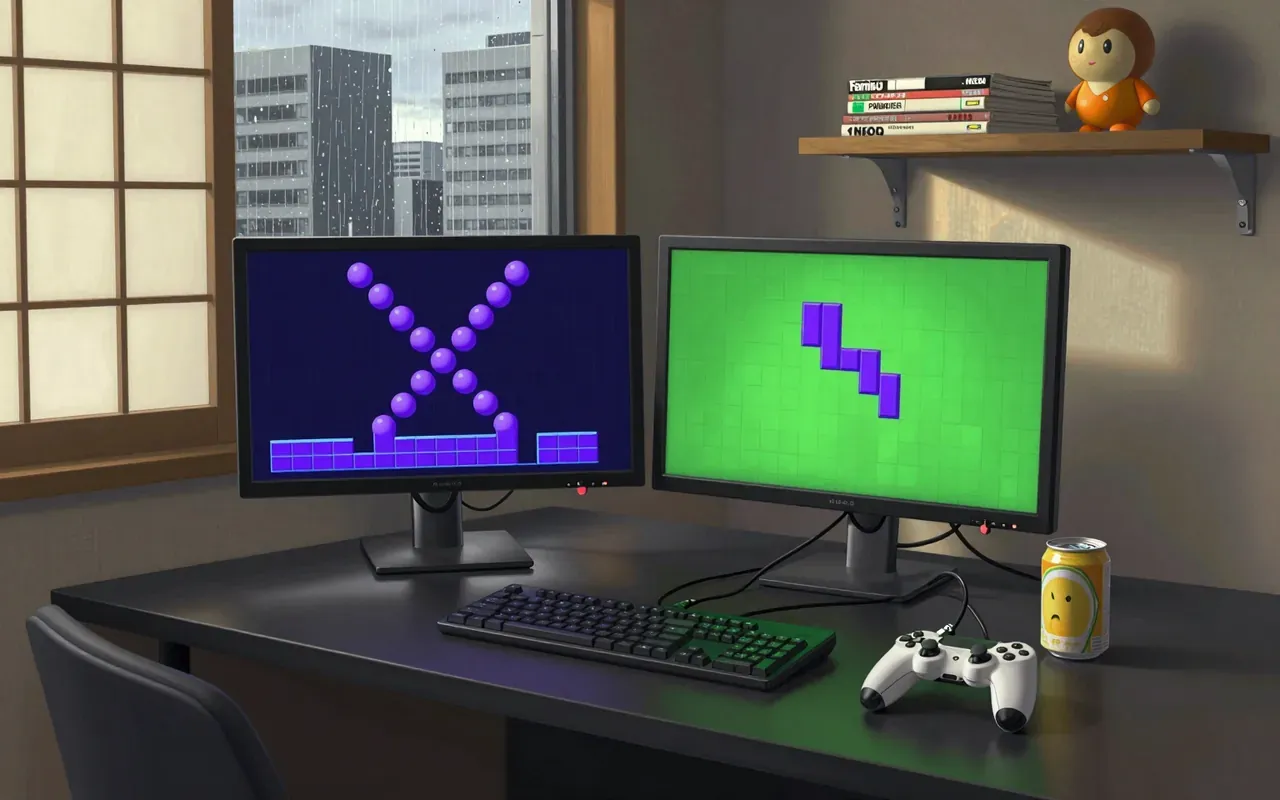
Puyo Puyo Tetris is a deliberate, unapologetic juxtaposition—not an integration—of two established puzzle systems. Its strength lies in clarity, consistency, and competitive rigour. Its limitation is structural separation: no rule, constraint, or feedback bridges Puyo and Tetris beyond shared menus and scoring.
Quake III Arena (1999) is a multiplayer-first FPS built atop OpenGL hardware acceleration. It replaces narrative with tiered bot combat in the Arena Eternal — a gladiatorial setting created by the alien Vadrigar. Players advance through eight fixed tiers, mastering role-specialised weapons that spawn at fixed map locations on timed intervals. Tournament maps serve as two-player duels and function as 'boss battles' in single-player. No story campaign exists. Combatants include figures drawn from Doom, Quake, and Quake II.
Splatoon 3 refines Nintendo's ink-based shooter without altering its foundational logic. It delivers tight, readable combat where weapon choice directly shapes movement, coverage, and team function. Its strength lies in consistency—not expansion.
Street Fighter Alpha 2 is a 1996 arcade fighting game developed and published by Capcom. It retains core mechanics from its predecessor—three-level Super Combo gauge, Alpha Counters, Air-Blocking, and Fall Breaking—and introduces the Custom Combo system, which replaces Chain Combos and allows players to chain basic and special moves freely while the Timer Gauge lasts. Guy and Gen retain limited Chain Combo ability. Each character gains two Alpha Counters (punch- and kick-initiated). Single-player mode features eight matches culminating in a character-specific final opponent and includes a secret rival encounter triggered by meeting certain conditions. The game was ported to PlayStation, Sega Saturn, Super Nintendo, and Windows.
Street Fighter III discards familiarity to enforce precision. Its parry system removes all passive defence. Every dash, leap, or super jump exists only as long as your timing holds. It is not generous. It is not nostalgic. It is calibrated.
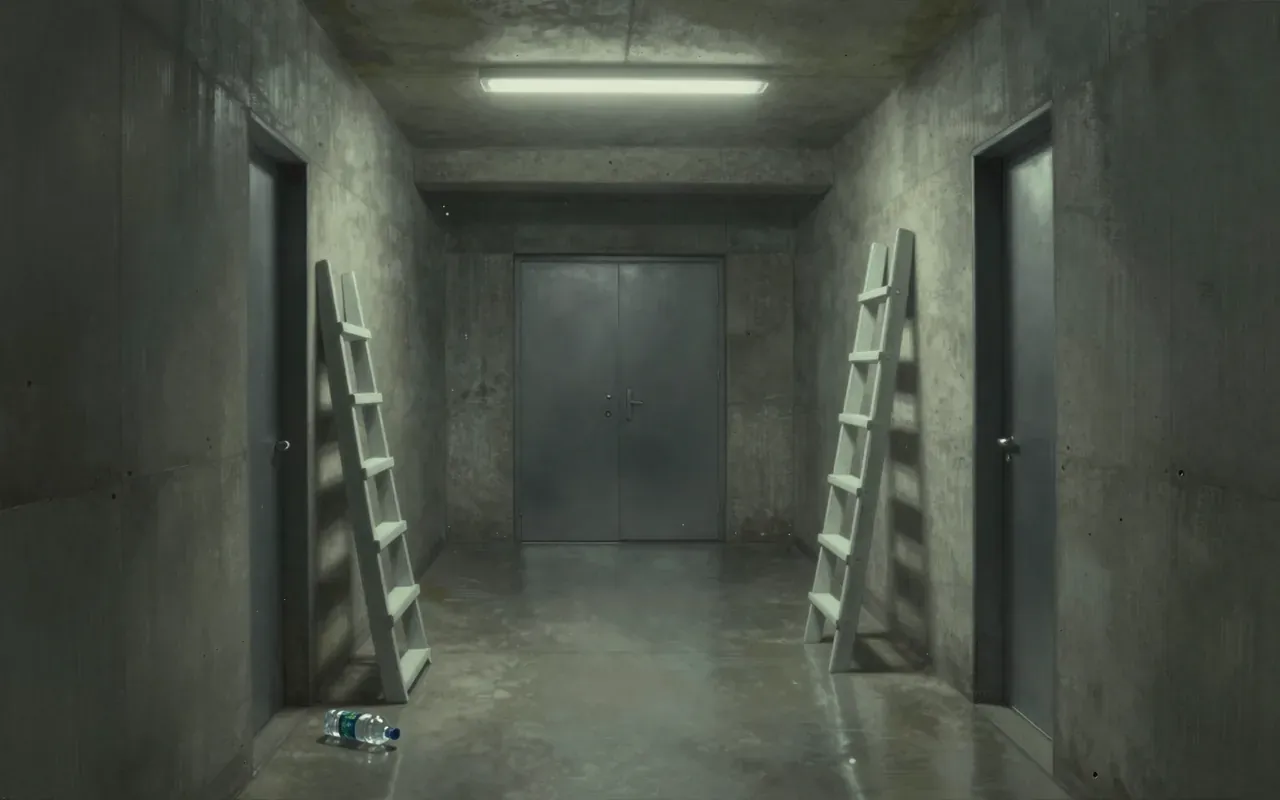
Superliminal is a first-person puzzle game built entirely around forced perspective. Players manipulate objects by moving them while holding them, then dropping them at new apparent distances to scale them up or down. This enables climbing, bridging, and unlocking. Trompe-l'œil elements require precise alignment to become interactive. Puzzles involve navigating rooms to reach exits that are closed, elevated, or hidden. The game establishes a single, elegant perceptual rule—and sticks to it rigidly.
The King of Fighters XIV is a 2016 2D fighting game developed by KOF Studio and published by SNK. It is the fourteenth main installment in The King of Fighters series. It is the first game in the series to be rendered entirely in 3D, although gameplay is restricted to a 2D plane. The game was released worldwide for the PlayStation 4 in August 2016 and ported to Windows and Japanese arcade cabinets in June 2017.

The Stanley Parable is a narrative-first game about obedience, authorship, and the fiction of player agency. It offers no combat, no progression, and no persistent world — only walking, pressing, opening, and listening. Its design is a provocation: every choice you make is anticipated, narrated, and contained.
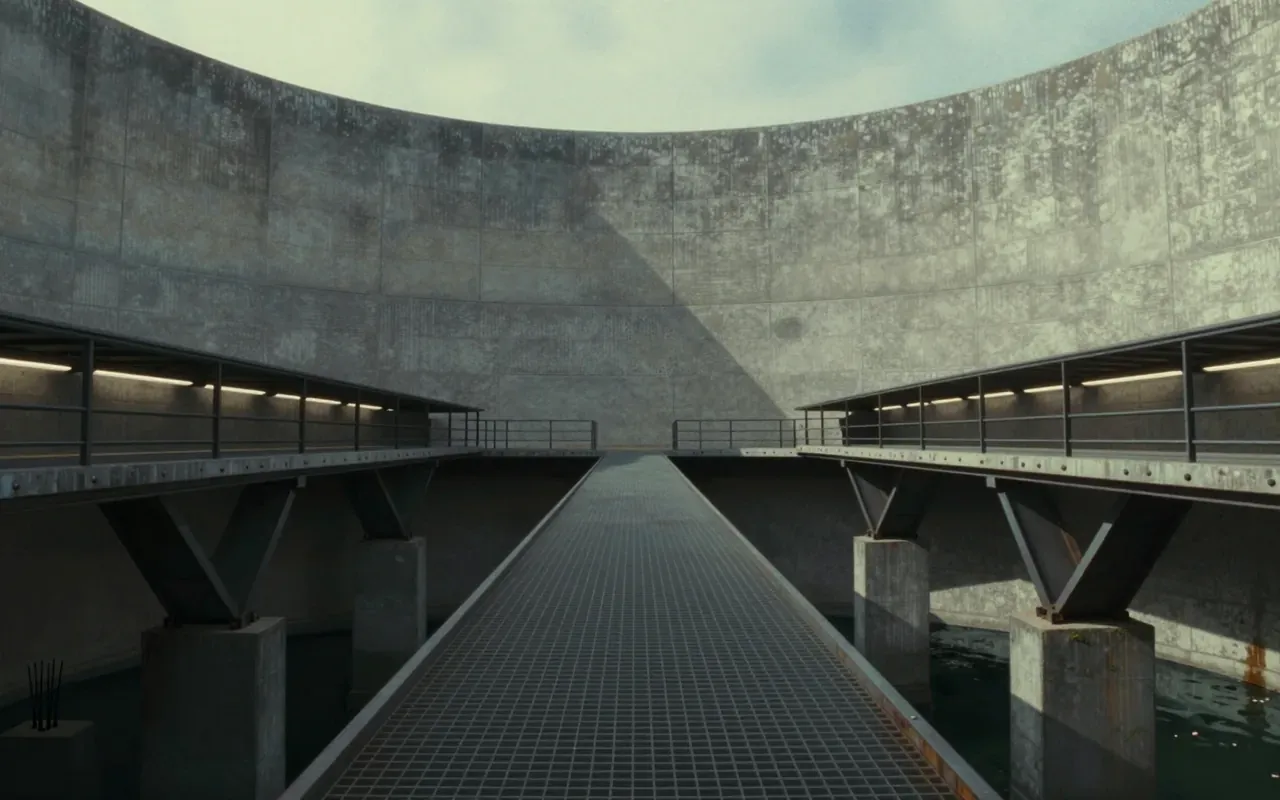
Unreal Tournament (1999) is a tightly constrained arena shooter built for repeatable, high-skill duels. Its design rejects sprawl, narrative, and persistence in favour of immediate spatial logic, weapon-based physics, and player-defined rulesets. It remains potent not because it aged well—but because it never tried to age at all.
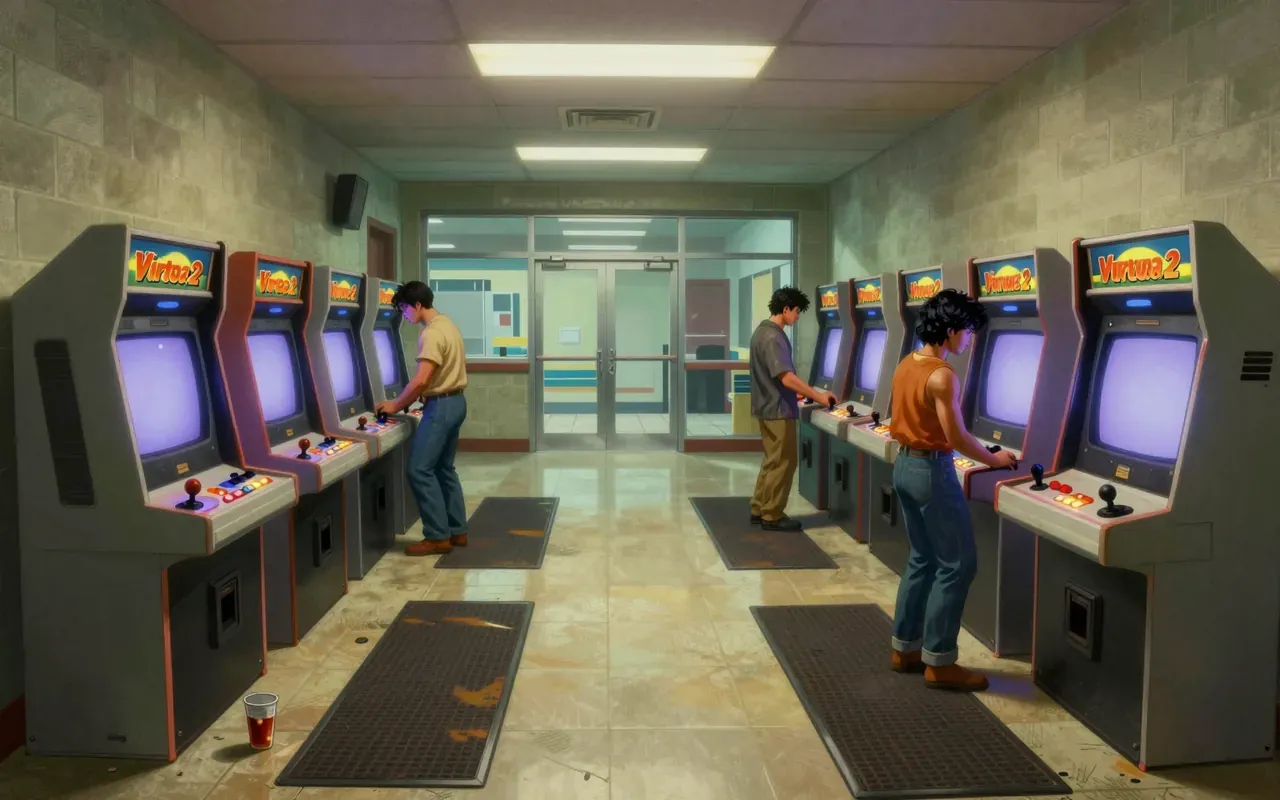
Virtua Fighter 2 is a 3D one-on-one fighting game developed by Sega AM2 for the Sega Model 2 arcade system board. It introduced adjustable arena size and infinite health, enabling sumo-style ring-out play. All characters share core mechanics like universal throws, while differing in style and expanded move sets including counters and throw prevention. It features motion-captured, texture-mapped 3D characters running at 60 FPS. It became Sega's best-selling arcade title of all time.
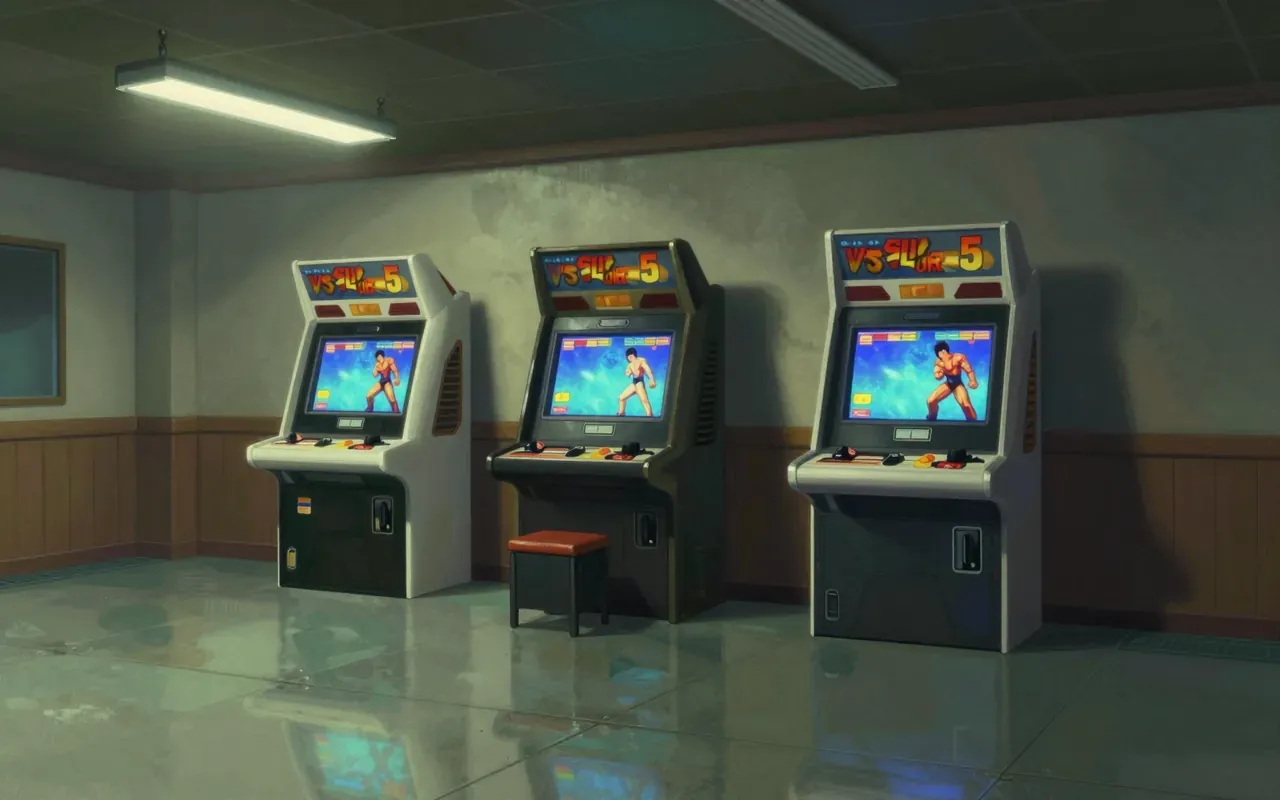
Virtua Fighter 5 is a rigorously tuned, system-first 3D fighter built for deep spatial and temporal literacy. Its design assumes player investment in frame data, ring geometry, and layered defensive logic—not spectacle or hand-holding.
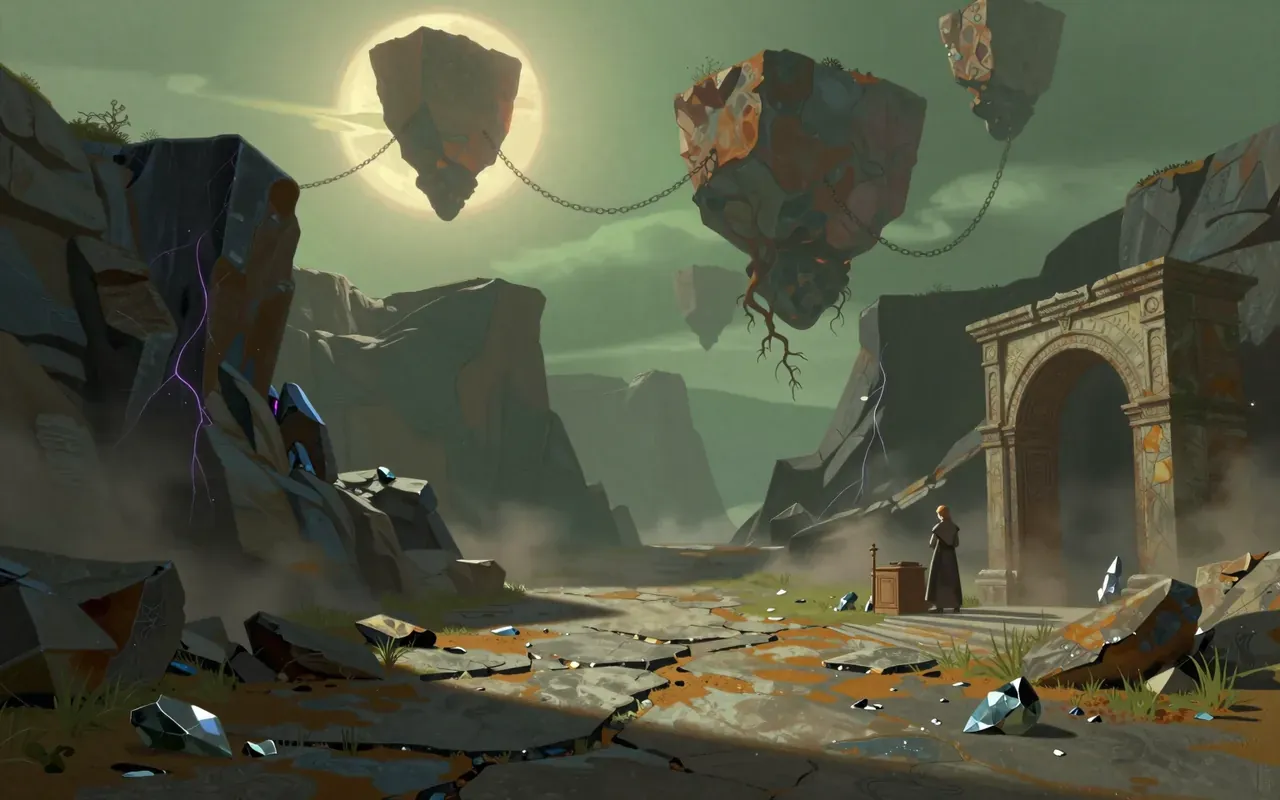
World of Warcraft: The Burning Crusade is a functional, tightly gated expansion — not a reinvention. It delivers new content strictly within the base game’s architecture, adding constraints as often as capabilities. Its value is proportional to your existing investment in World of Warcraft.
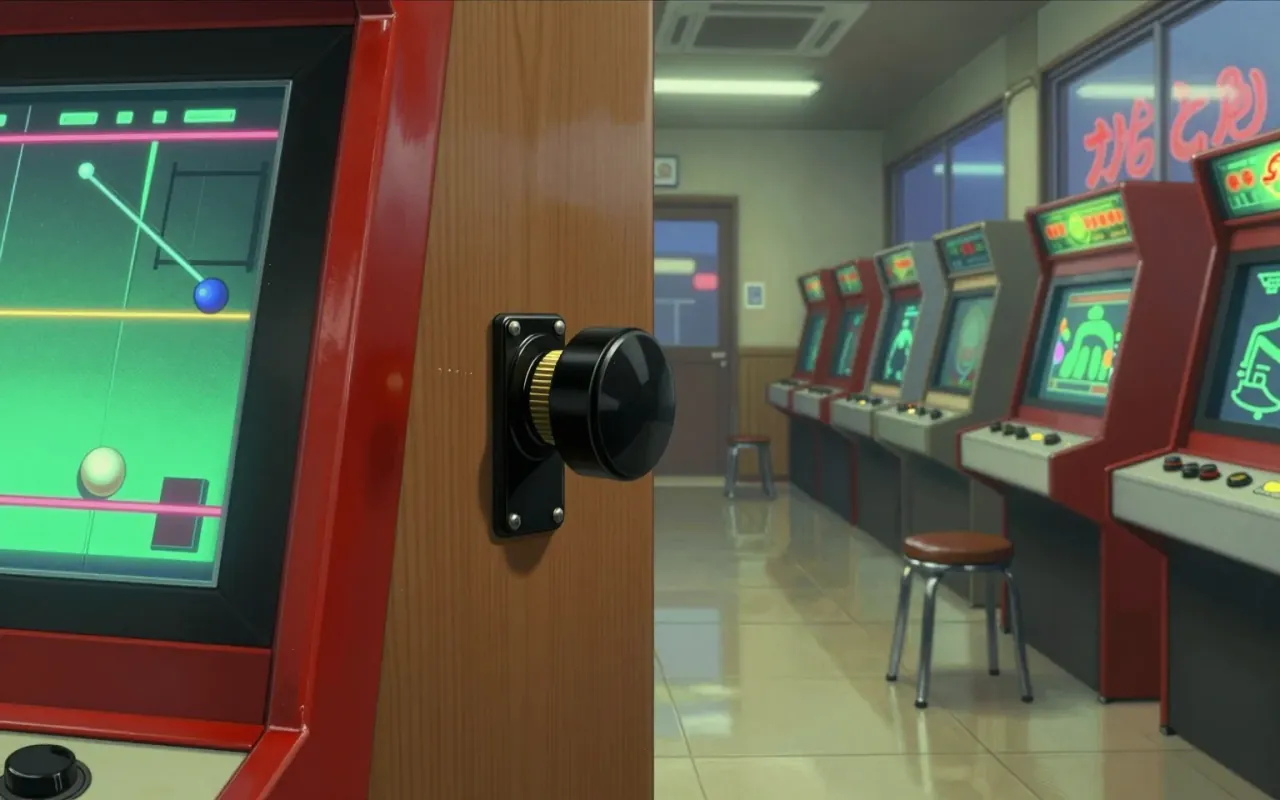
Arkanoid is a 1986 Taito arcade game. It is a block breaker where the player controls the Vaus paddle to bounce a ball and destroy bricks across 33 (or 36) levels.
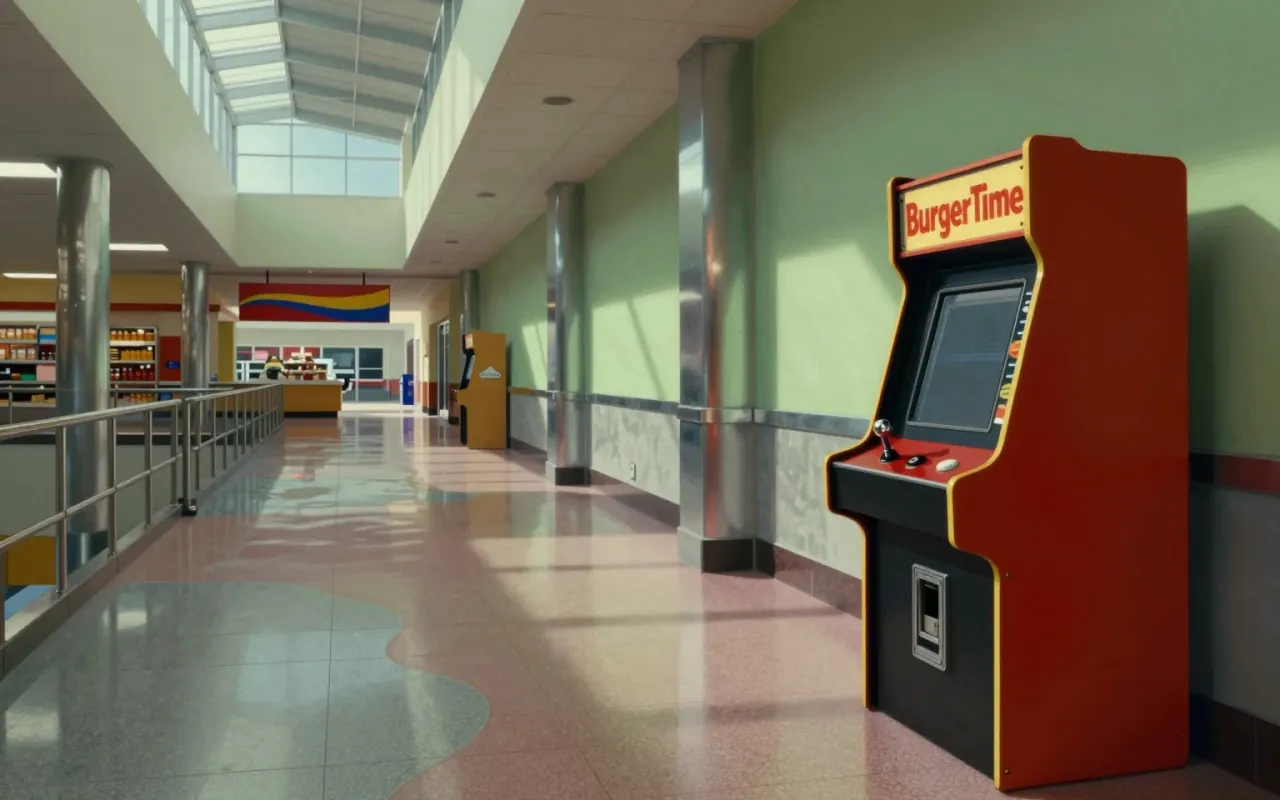
BurgerTime is a 1982 Data East arcade game where chef Peter Pepper walks across oversized burger ingredients on platforms and ladders to make them fall and stack into complete hamburgers while avoiding anthropomorphic hot dogs, fried eggs, and pickles. A limited supply of pepper can be thrown forward to briefly stun enemies. It was Data East's first major hit after abandoning the DECO Cassette System for dedicated arcade cabinets.

Civilization II is a foundational turn-based strategy game where players build a civilization from a primitive tribe while competing with computer-controlled rivals on a tile-based map. It offers three victory paths—conquest, space colonisation, or survival to 2020 AD—and lets players choose from 21 historical civilizations or create a custom one. Brian Reynolds was the primary designer; the 'Sid Meier's' prefix functioned as a quality signal. The base game supports only single-player mode. It models historical development through abstraction, not simulation.

Civilization IV is a 4X turn-based strategy game built on the Gamebryo engine. It uses the empire-building model: players construct, expand, exploit, and exterminate across a procedurally generated square grid map.
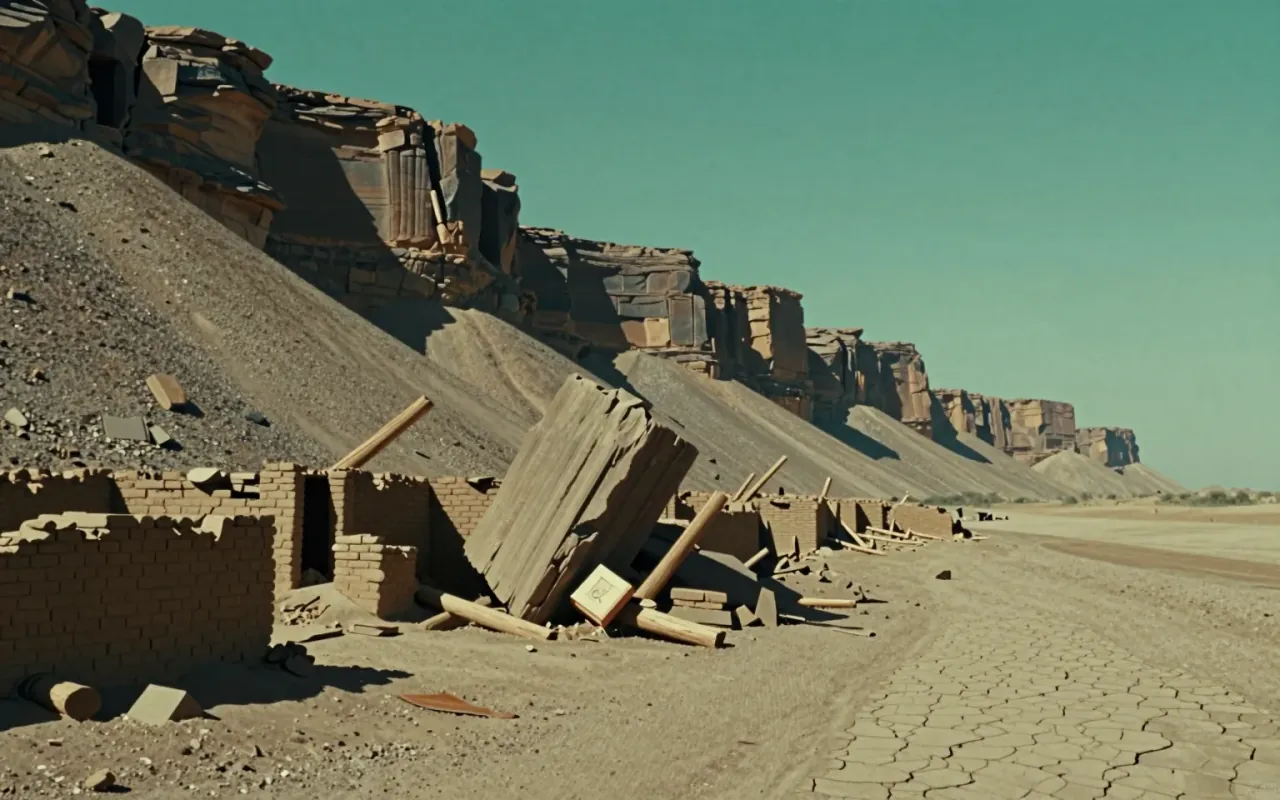
Dig Dug (Namco, 1982) is a maze chaser where the player carves tunnels to manipulate enemy movement and trigger rock falls. Its core loop — stop, latch, inflate, dodge — demands split-second timing and spatial foresight. It works because every action has immediate, visible, physical consequences. It does not work as a long-form experience: no story, no scaling challenge beyond repetition, no system depth beyond its two mechanics. It is for players who value clarity, consequence, and compact design over expansion or expression.
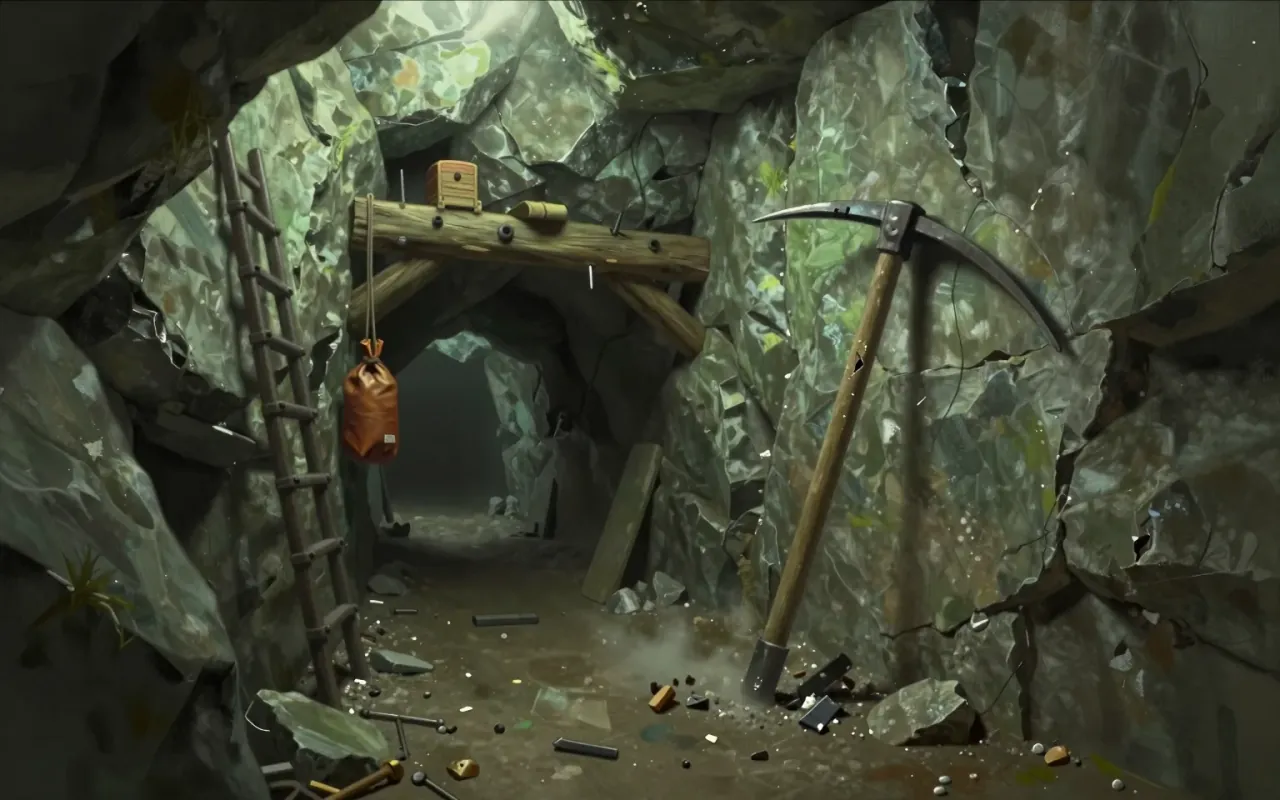
Dwarf Fortress is a procedural simulation that demands reading over reacting, patience over progress, and interpretation over instruction. Its strength is systemic coherence—not accessibility.
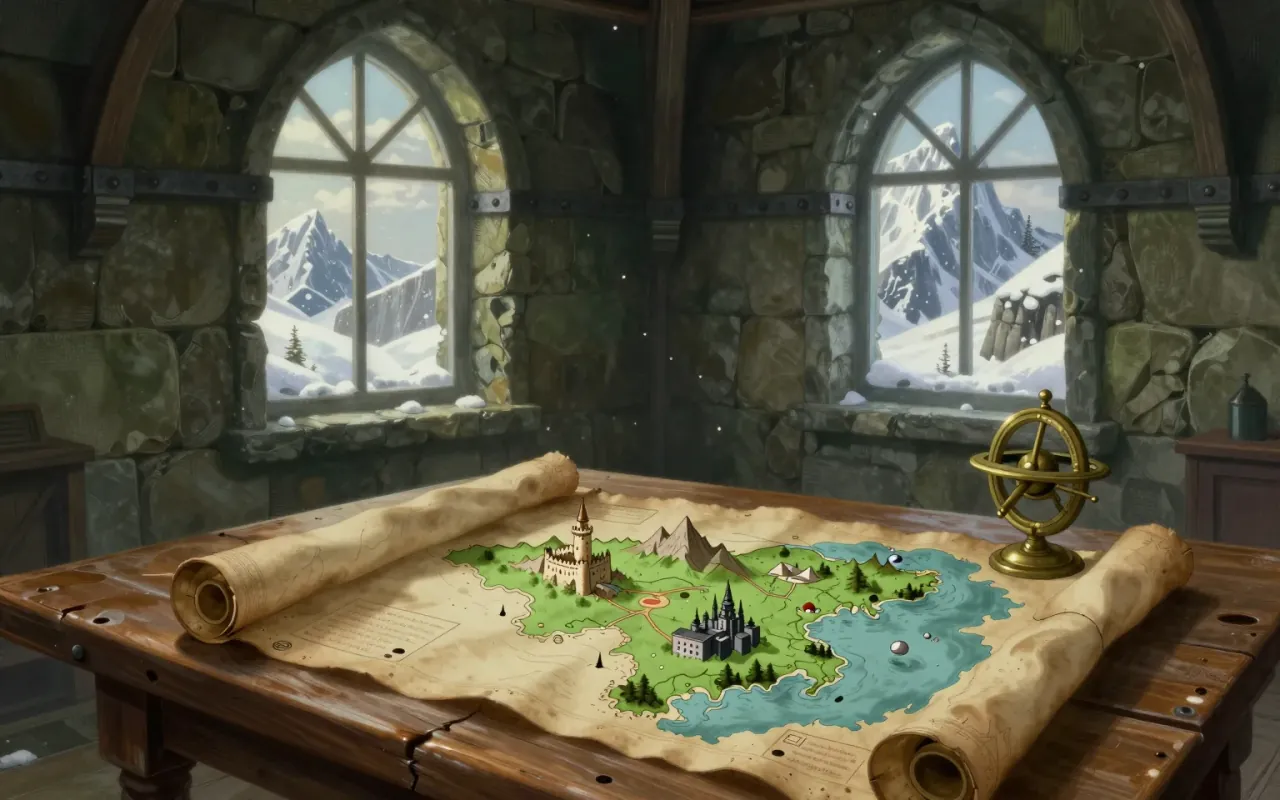
Final Fantasy VI is a role-playing game for the Super Nintendo Entertainment System developed and published by Square. Its gameplay is structured around four basic modes: overworld map, town and dungeon field maps, battle screen, and menu screen. The overworld map is a scaled-down representation of the game world used for directing characters to locations, with travel primarily by foot, chocobo, or airship. Enemies are randomly encountered on field maps and the overworld when traveling by foot, except in plot-driven cases. The menu screen is used to configure the traveling party, equipment, learned magic, and gameplay settings, and also tracks experience points and character levels. Plot progression occurs as the player moves through towns and dungeons, where town citizens provide helpful information and some operate item or equipment shops.
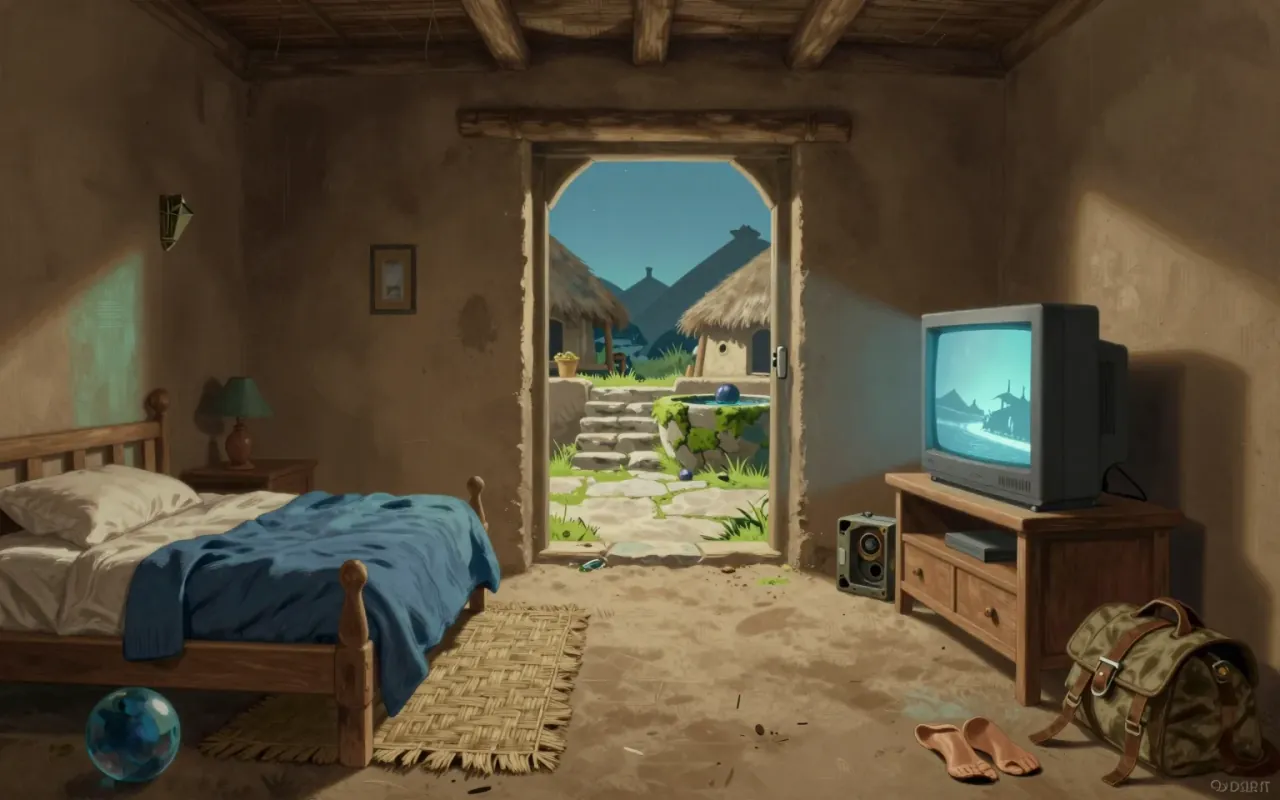
Final Fantasy X (2001) is a PlayStation 2 RPG by Square that replaces the Active Time Battle system with the Conditional Turn-Based Battle system, abandons traditional leveling for the Sphere Grid, redefines summoning via persistent Aeons, and implements interactive Overdrives. It runs on a continuous 3D world map.
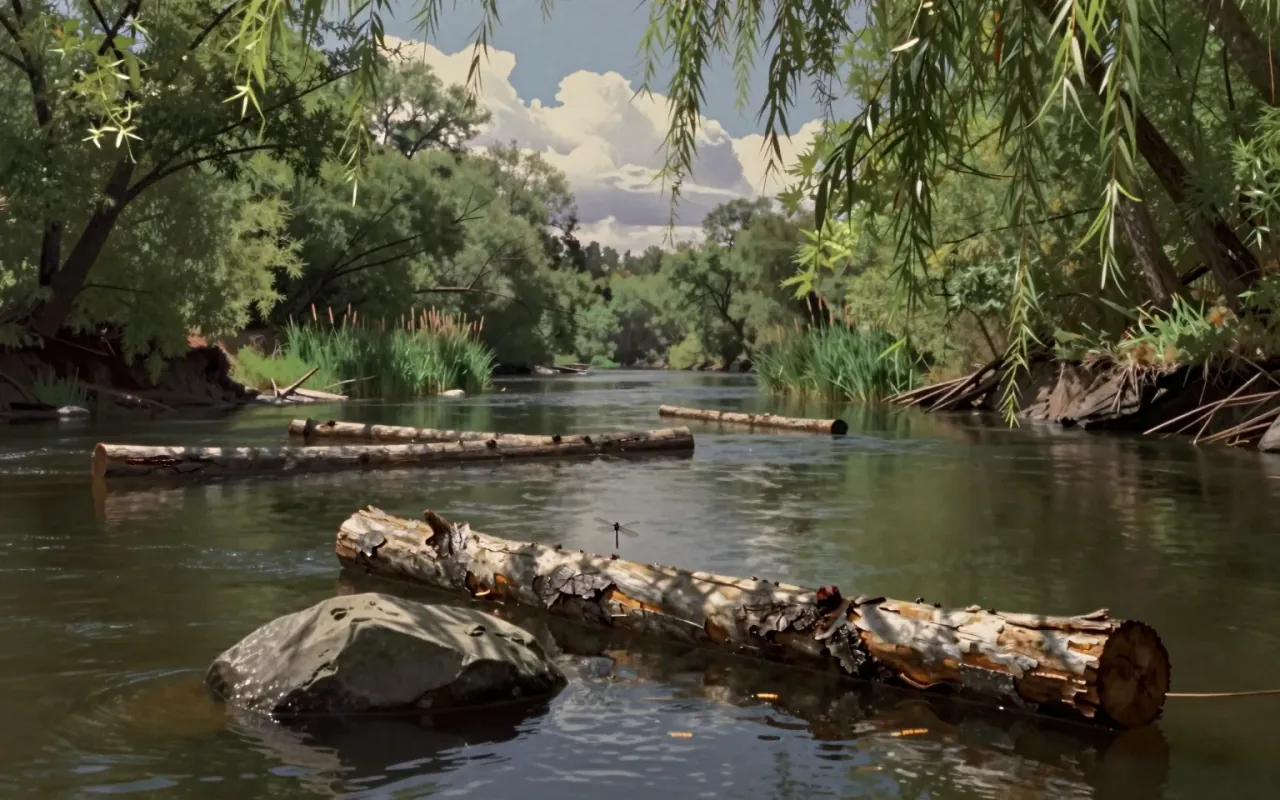
Frogger is a 1981 Konami arcade action game where the player guides frogs across a road and river to reach homes at the top of the screen.
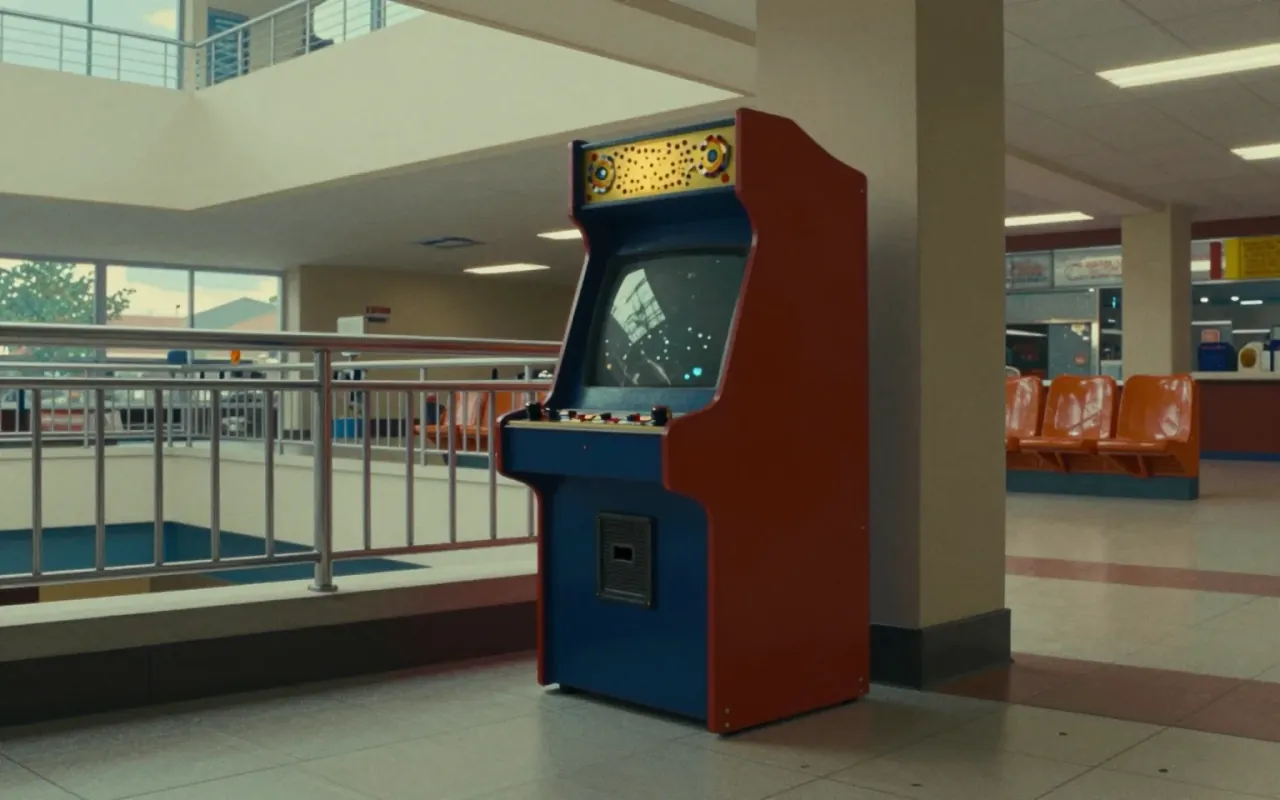
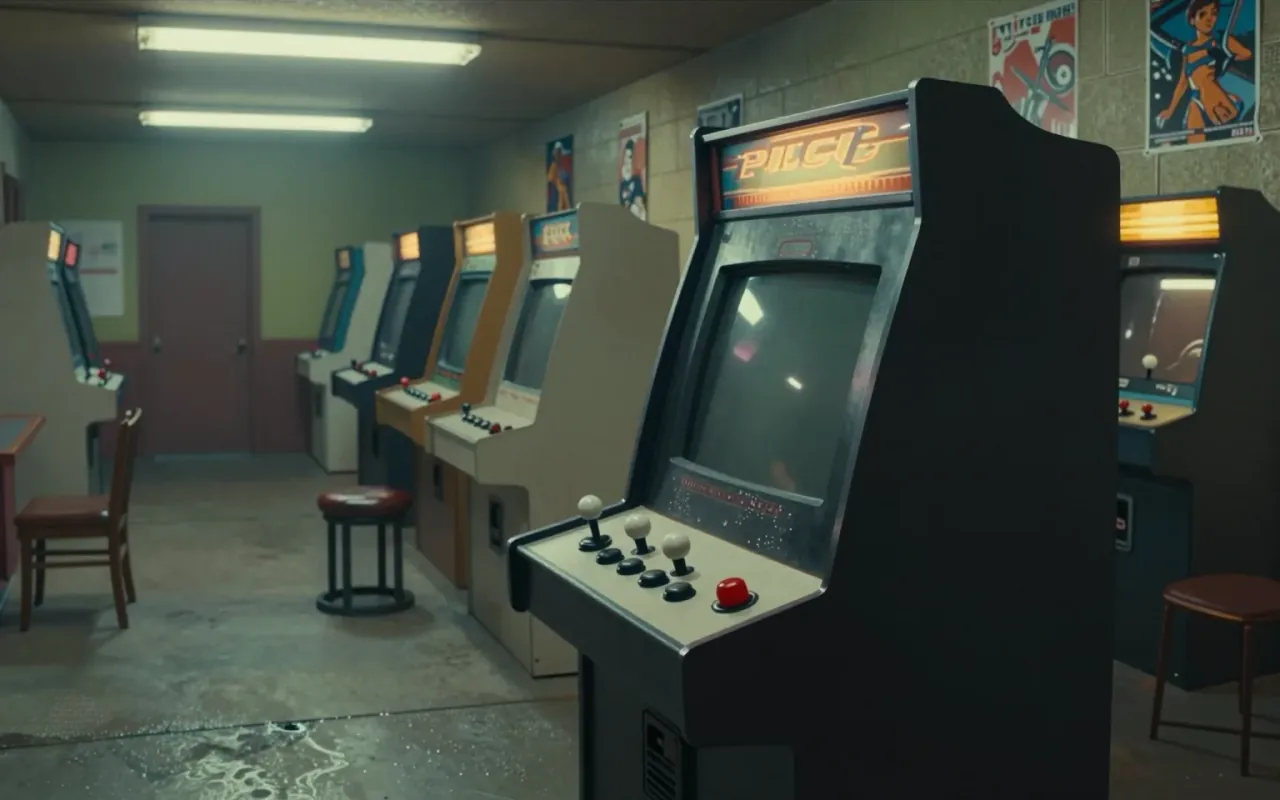
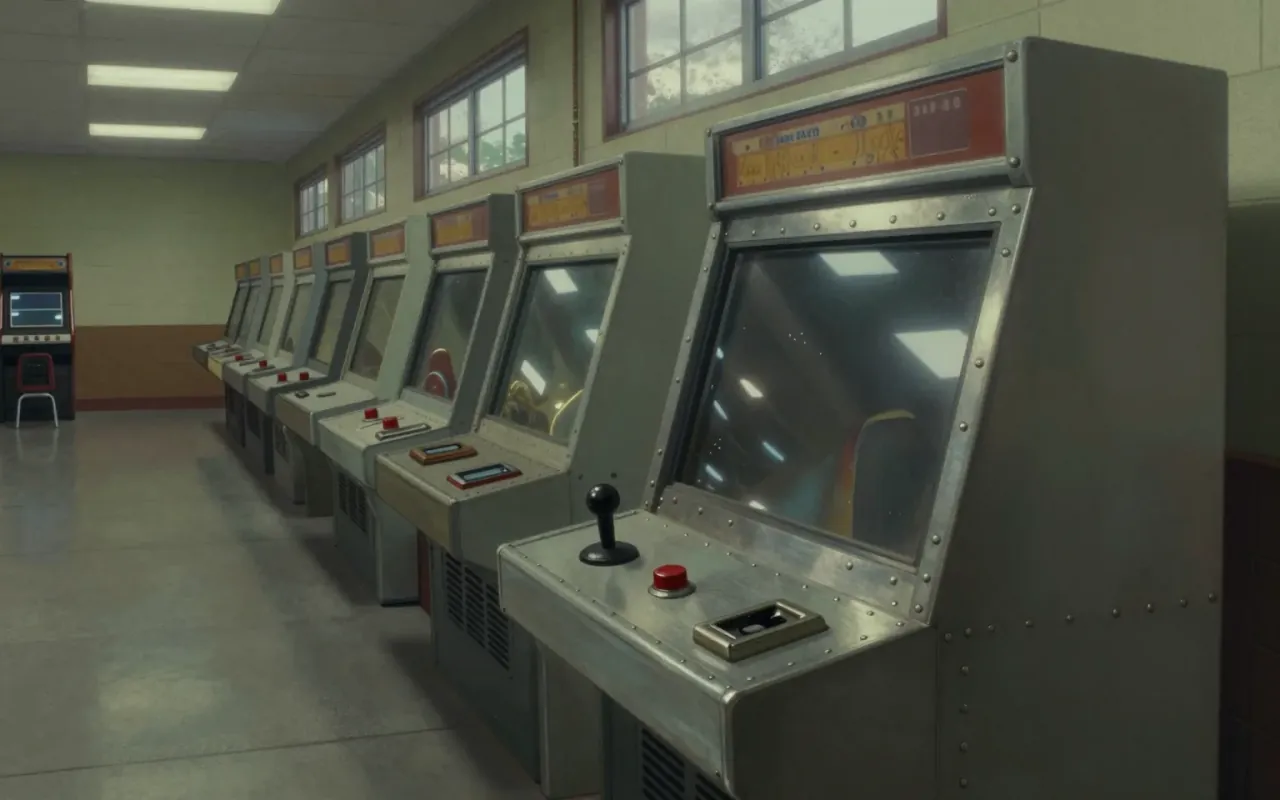
Gyruss is a Konami shoot 'em up arcade game from 1988. It uses one-point perspective with a central vanishing point. The player’s ship orbits the screen’s perimeter. Enemies are spaceships that must be destroyed to complete levels.

Ico is a third-person action-adventure built around protecting and guiding Yorda through an abandoned castle. Its minimalist design removes UI, dialogue, and combat options for Yorda — making her presence a structural necessity, not a narrative flourish. The player jumps, climbs, pushes, pulls, and lifts — always in service of moving her forward. The fixed camera follows both characters, panning slightly to reveal environment. Light is overexposed and desaturated. Story is minimal and told in fictional languages. Mechanics were conceived before story.
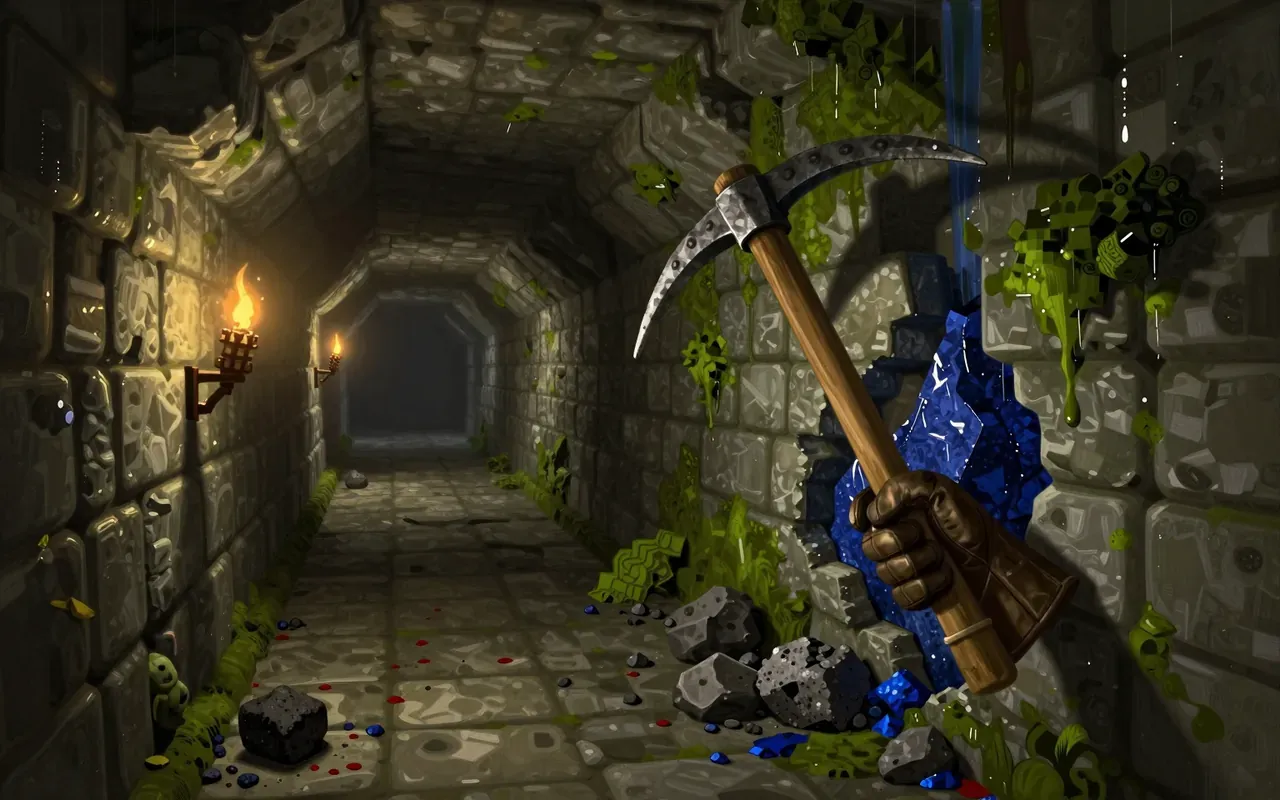
Minecraft is a sandbox and survival game developed by Mojang Studios. Its first alpha version was released on 17 May 2009. It began as a clone of Infiniminer.
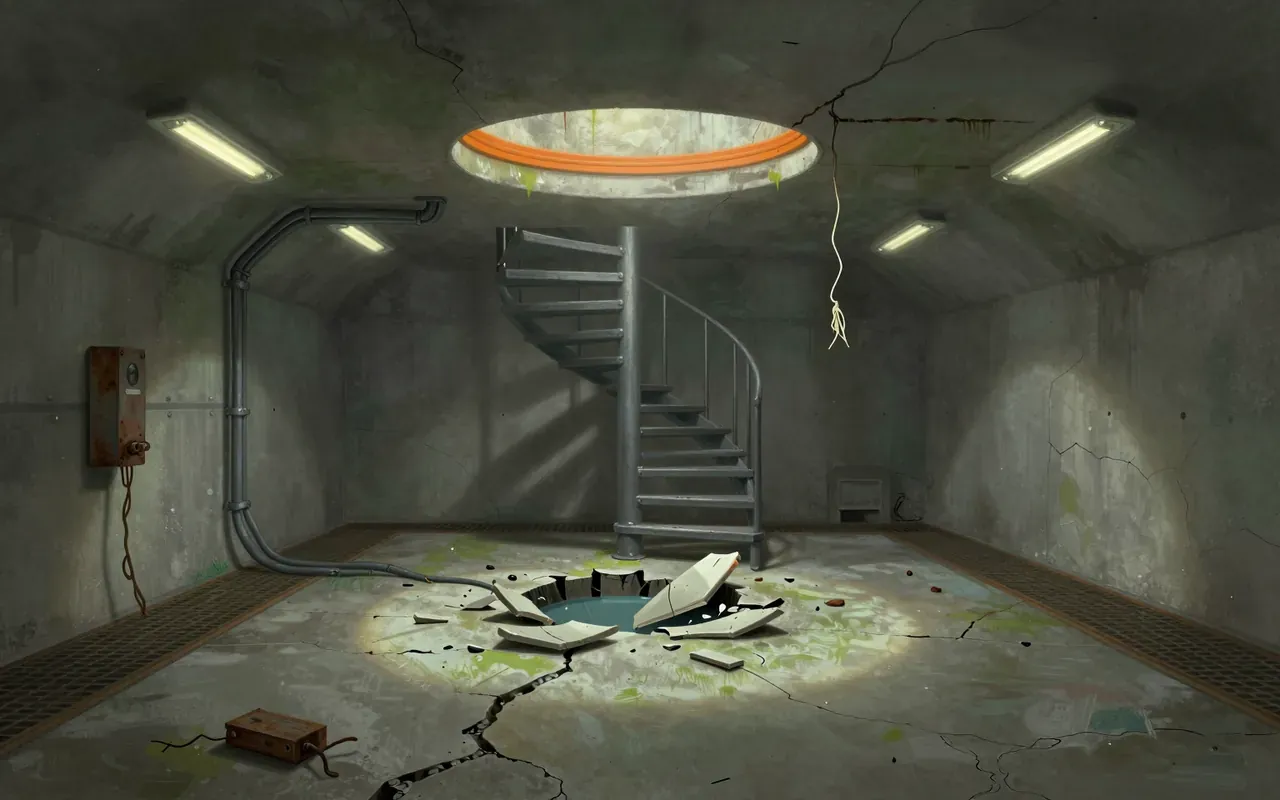
Portal 2 is a first-person puzzle-platform game developed by Valve and released in 2011. It builds on the original Portal's portal-gun mechanic with new tools—gels, lasers, tractor beams, and launch plates—and introduces cooperative play with two robot characters. All gameplay occurs in discrete test chambers inside the decaying Aperture Science facility.
Q*bert is a 1982 Gottlieb arcade action-puzzle game where players use a diagonally mounted four-way joystick to hop Q*bert across a 28-cube pyramid, changing each cube’s colour by landing on it — with escalating rules per level — while avoiding deadly purple enemies, neutralising green enemies on contact, and surviving falls off the pyramid.
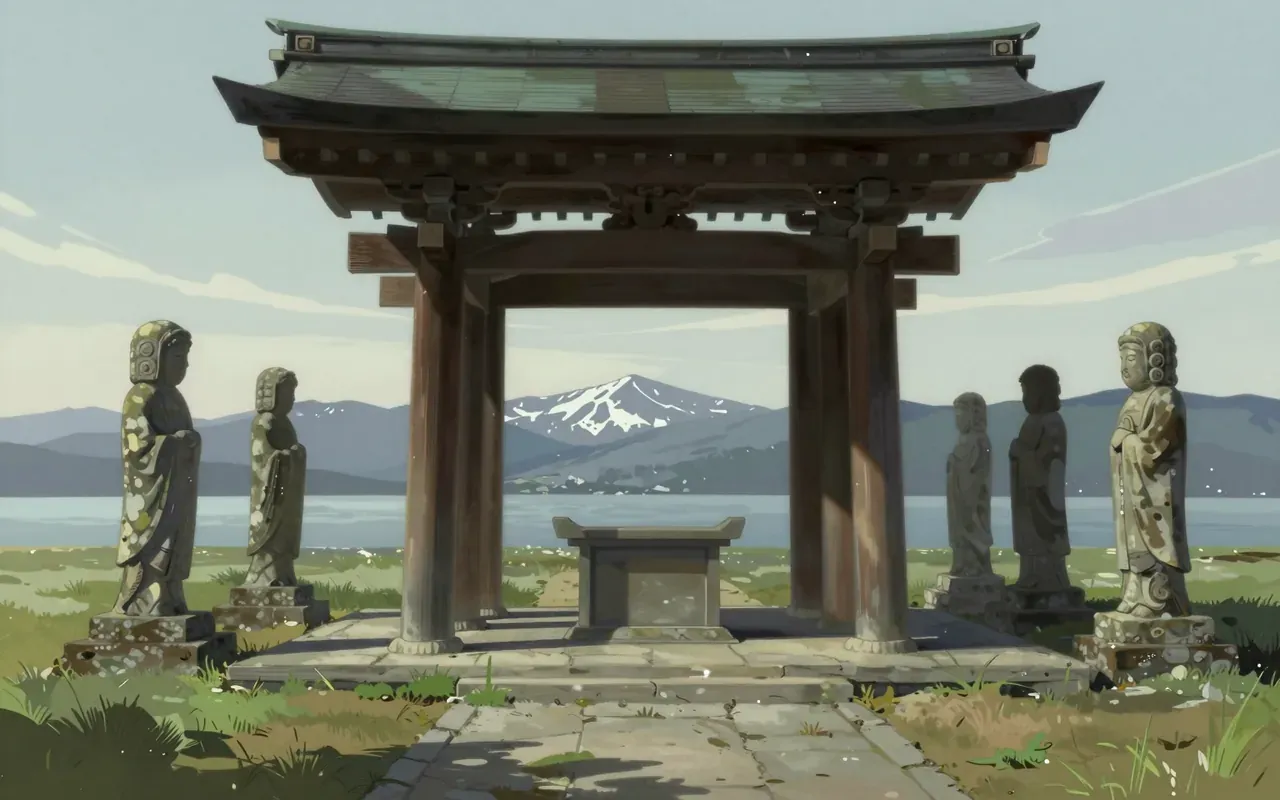
Shadow of the Colossus is a third-person action-adventure built around sixteen large-scale boss encounters in a seamless open world. It was directed and lead-designed by Fumito Ueda at Sony Computer Entertainment’s Japan Studio. Its structure is cyclical, minimal, and mechanic-first—designed under PlayStation 2 hardware constraints that forced reduction: from 48 planned colossi to 16, and no day/night cycle.
Sinistar is a 1982 Williams Electronics arcade shooter where the player collects crystals from planetoids to build Sinibombs, using them to destroy Sinistar — a demonic skull-faced spacecraft constructed by red worker ships and guarded by warrior ships. It was not widely ported to home systems. It followed Defender (1981) and Stargate (1981), and sits alongside Joust and Robotron: 2084 as one of Williams’ popular and influential titles.
Space Hawk is a 1982 Intellivision multidirectional shooter where survival in drifting outer space is the sole objective.
Space Invaders is a fixed shooter arcade game developed by Taito in 1978. The player controls a horizontally moving Laser Base at the bottom of the screen and fires upward at descending alien invaders arranged in five rows of eleven. Aliens move as a group, descending one step when hitting screen edges. The game ends immediately if any alien reaches the bottom — regardless of remaining lives. Aliens fire back; hits cost lives. Stationary bunkers provide partial cover but degrade from both alien and player fire. Movement and music accelerate as invaders are eliminated. Clearing all triggers a new wave starting lower. A mystery ship occasionally crosses the top for bonus points. It was Taito's most popular title and the most popular arcade game in history, beginning the golden age of arcade video games and contributing significantly to the growth of video games in the late 1970s.
Street Fighter IV is a 2008 fighting game by Capcom. It runs on Taito Type X2 arcade hardware. It uses 3D models on a traditional 2D gameplay plane. It belongs to Capcom’s flagship Street Fighter franchise — one of the most popular fighting game series.
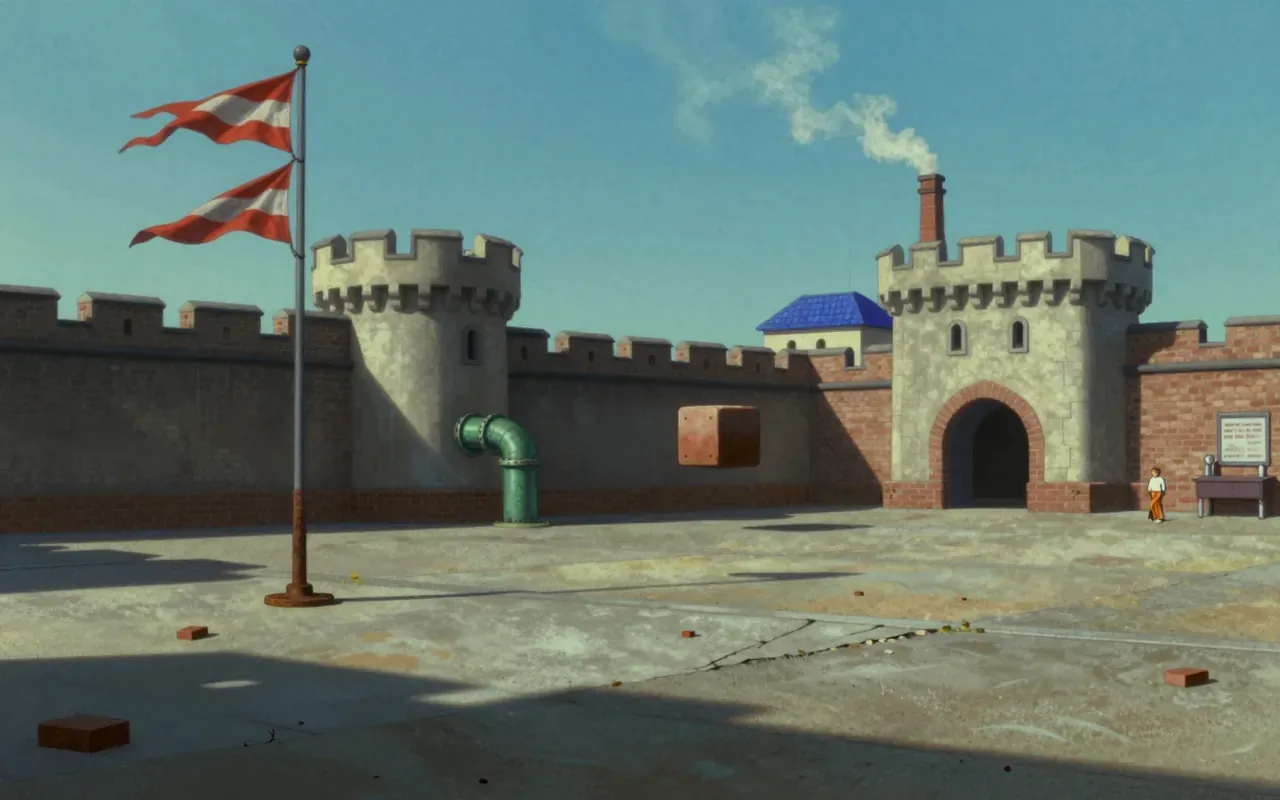
Super Mario Bros. establishes a foundational platforming loop: move right through side-scrolling stages, avoid hazards and enemies, collect coins and power-ups, and reach the flagpole. Core mechanics include dynamic size-changing via Super Mushroom (granting temporary invincibility and brick-breaking), precise jump-based enemy defeat (with varied responses per enemy type), and life management through coin counts, hidden items, and chaining actions. World 1-1 functions as an embedded tutorial, teaching mechanics through repetition and escalation rather than explicit instruction. Hardware constraints shaped design decisions—e.g., Goombas were made with a flipped sprite to save memory, clouds and bushes reuse the same tile, and background tiles are algorithmically generated. The game’s scrolling engine, adapted from Excitebike, enables smooth acceleration from walk to run—a technical departure from constant-speed movement in earlier platformers.
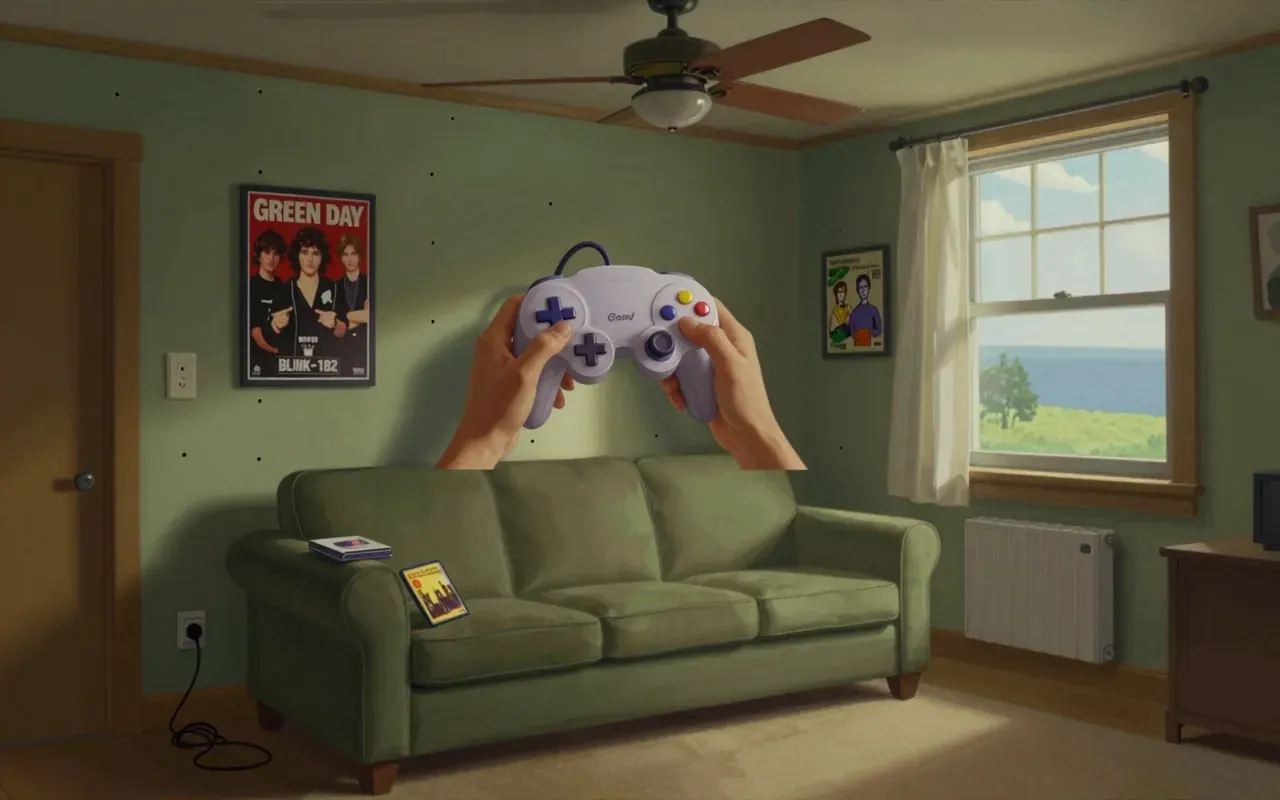
Super Smash Bros. Melee is a platform fighter where damage is tracked as a percentage that directly governs knockback, not depletion. Players use directional joystick input plus a single button to perform attacks—including special moves mapped to B + direction. Victory comes from knocking opponents off themed stages—not reducing their health to zero. Up to four players compete locally in Stock or Time modes. It is a Nintendo-published title featuring internationally recognised Nintendo characters. It belongs to the Super Smash Bros. franchise, a major Nintendo IP.
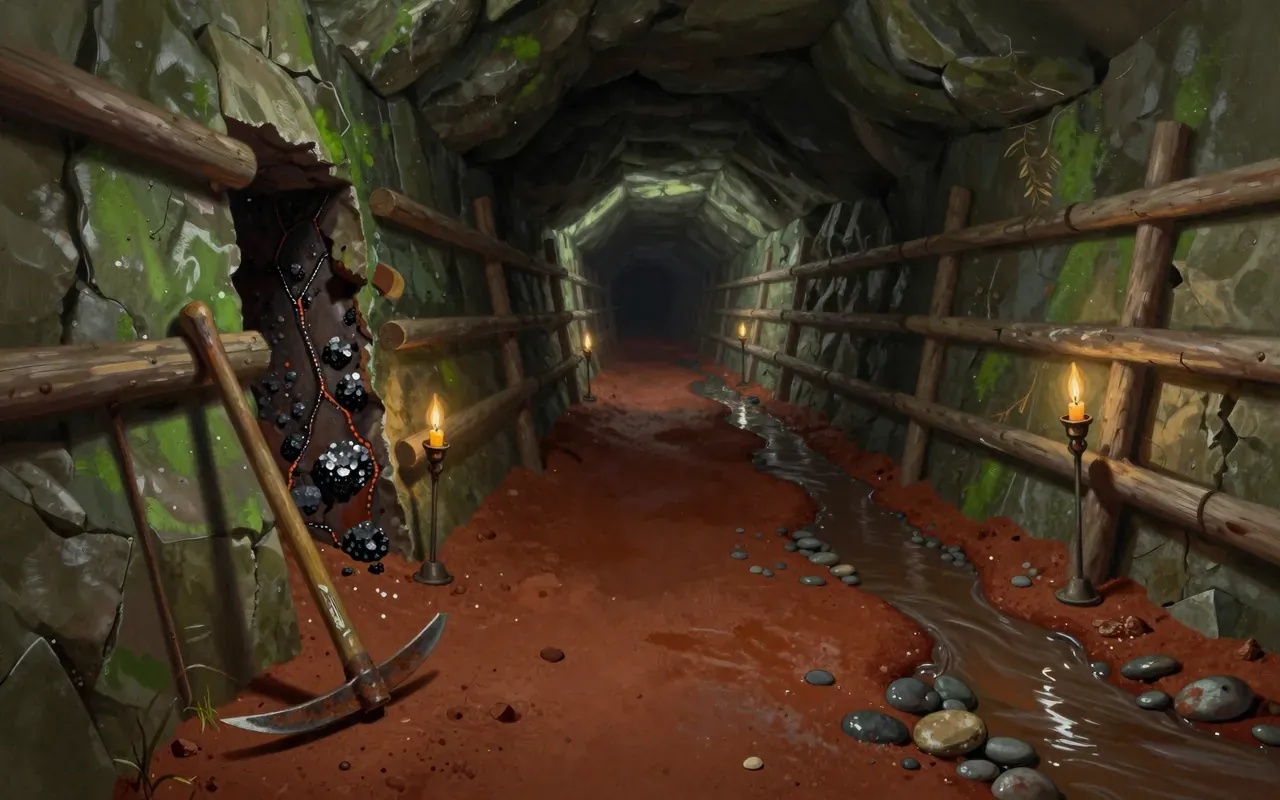
Terraria is a 2D sandbox action-adventure game with no set goals. Players explore procedurally generated worlds, fight bosses to unlock progression, gather resources across biomes, craft equipment, and recruit NPCs by completing goals. Evil biomes like Corruption and Crimson spread and infect other areas. Resources such as ores are found in caves. The game supports single-player, multiplayer, and modding. It was developed by Re-Logic—an American independent studio based in Floyds Knobs, Indiana—using the Microsoft XNA framework. It launched on May 16, 2011, earlier than planned due to a beta leak. Development was paused in February 2012 but resumed in 2013, with major updates continuing thereafter.

Tetris (1985) is a puzzle game where tetrominoes descend one at a time from the top-centre of a rectangular field; players move and rotate them horizontally until they land, aiming to form complete horizontal lines that vanish and cause blocks above to fall. Line clears grant points and increase descent speed; the game ends when pieces stack to the top ('topping out'). The original version ran on the Elektronika 60 and IBM PC, and its core design remains consistent across versions.

Tony Hawk's Pro Skater 2 is a tightly wound trick-chaining machine — built for repetition, reward, and escalating absurdity. Its fixed camera and autonomous skater create a distinct physical language. Its loose physics serve the loop, not realism. It offers no story, no stakes beyond your own score — and that’s exactly why it holds up.
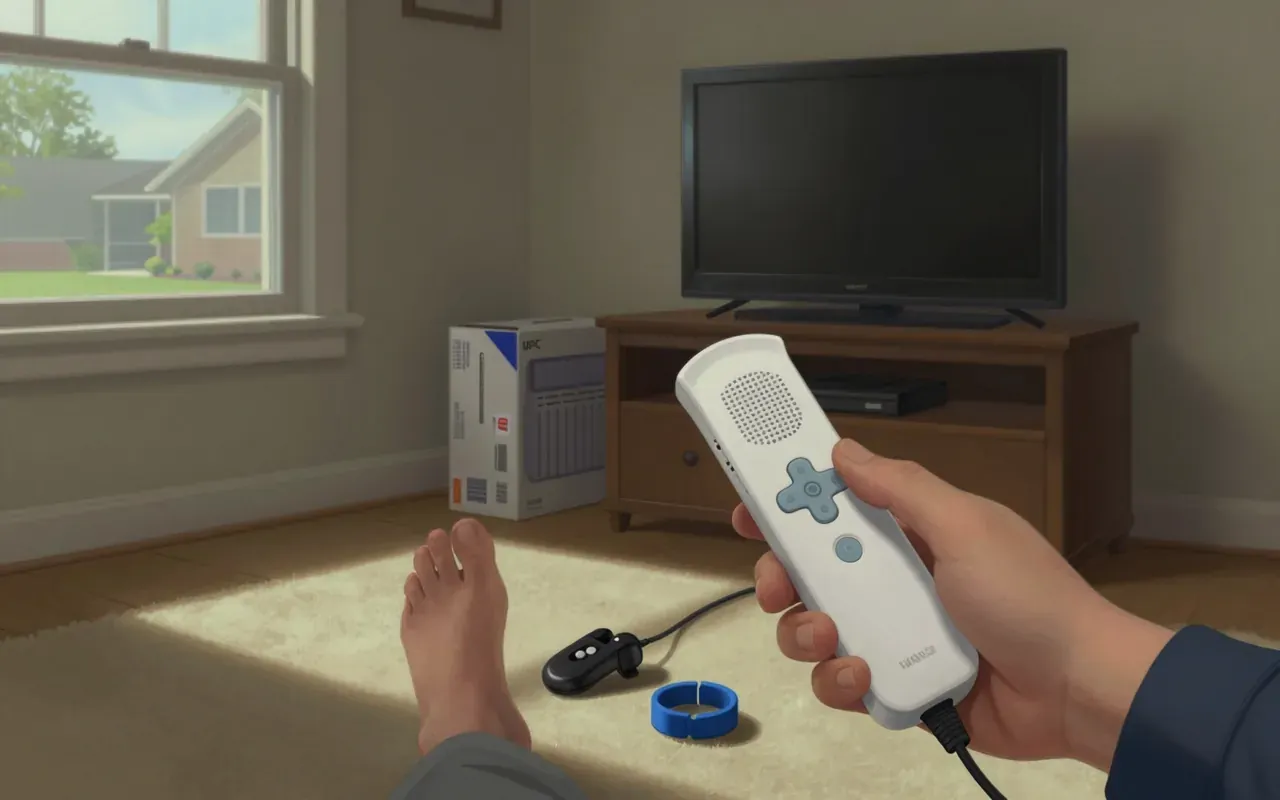
Wii Sports is a hardware demo disguised as a game. It reduces sport to arm motion. It asks nothing of the player but gesture—and gives back only confirmation. It worked because it was the first thing many people ever did with motion control. It does not work as a game today.
Zork is a text adventure game developed by Infocom, released in episodic form starting in 1977, where players explore the abandoned Great Underground Empire by issuing natural-language commands to a sarcastic, conversational parser.