What the game is
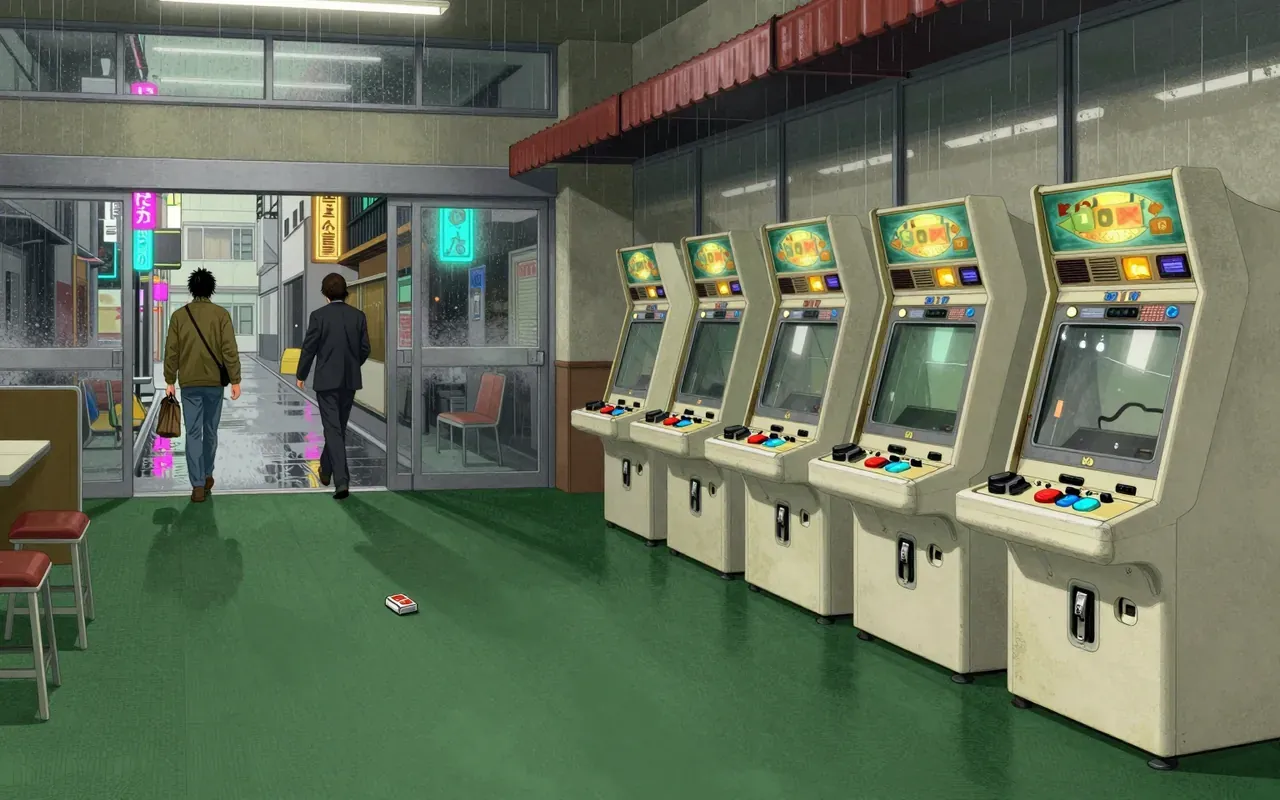
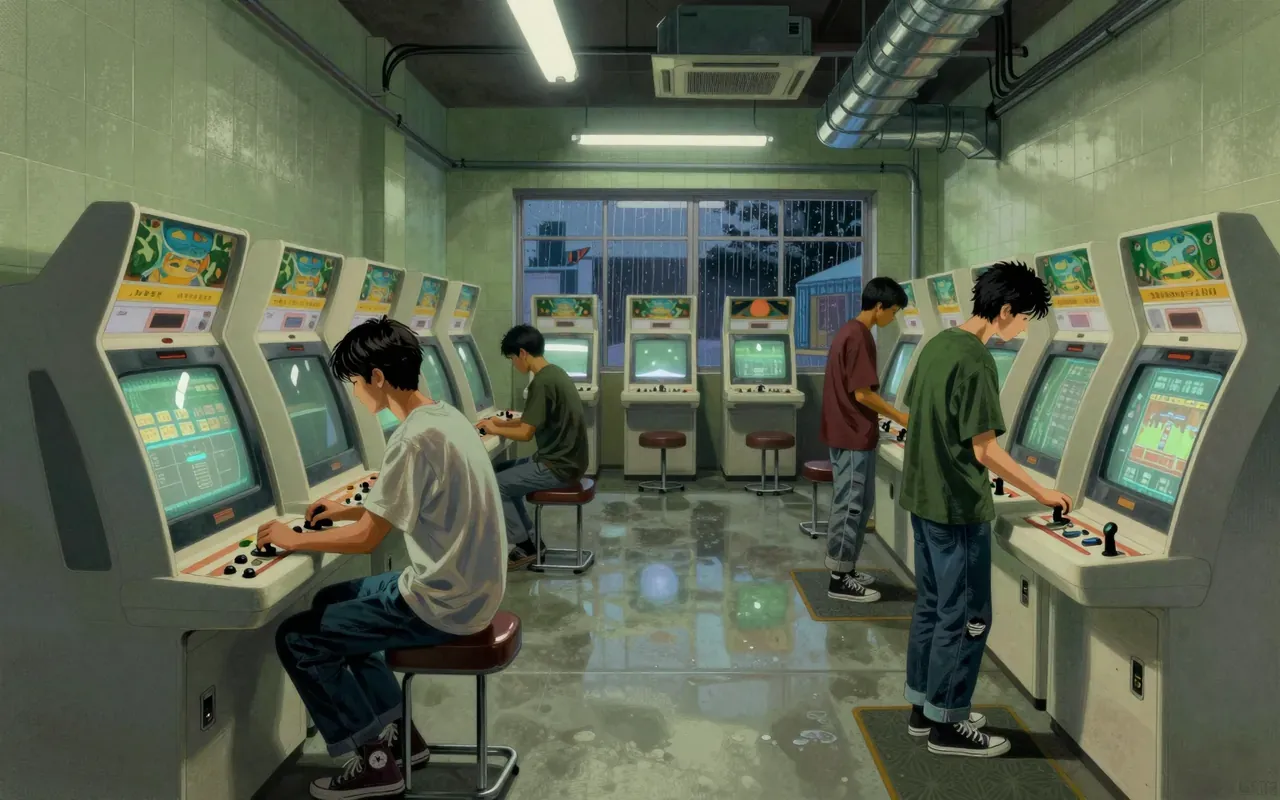
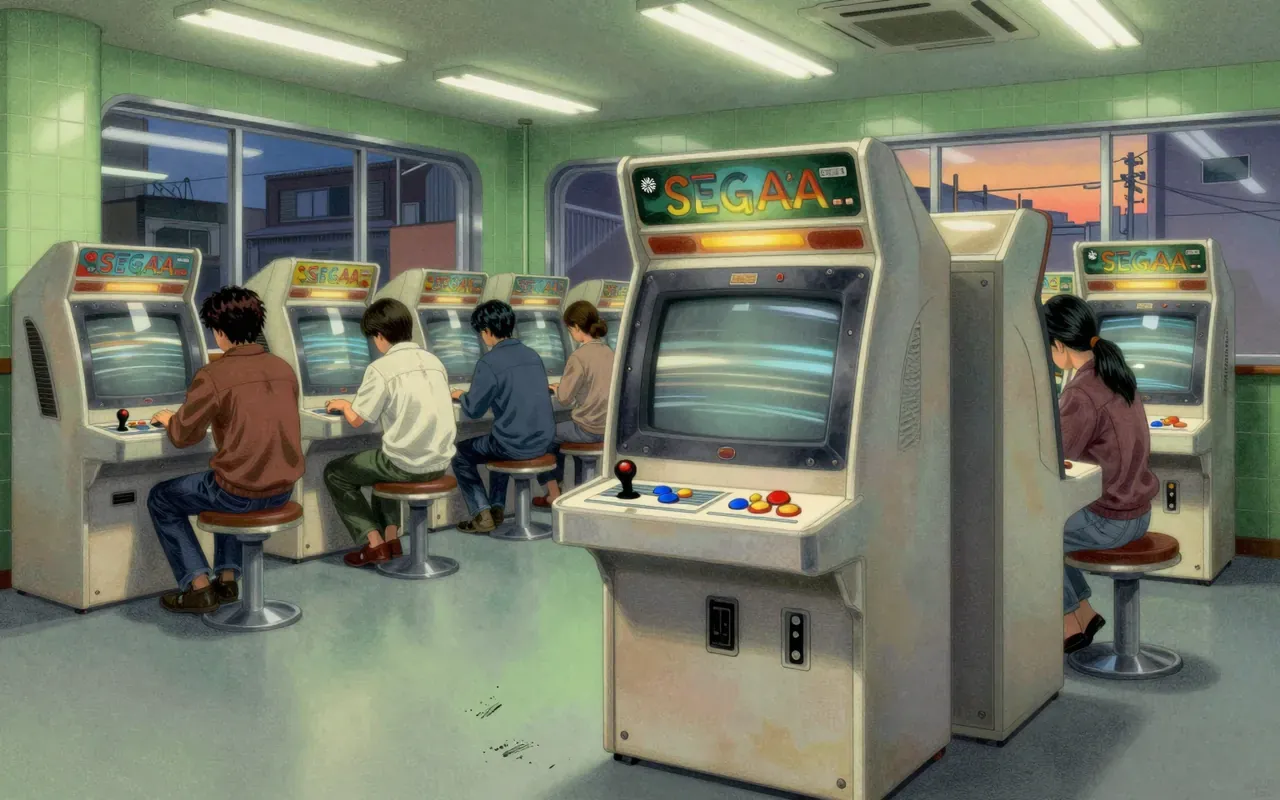
A 1994 arcade fighting game developed by Sega AM2 for the Model 1 board. It is the first 3D fighting game. It renders characters and arenas with wireframe and flat-shaded quad polygons. It was ported to Sega Saturn and bundled at Japanese launch.
How it actually plays
The game runs in a 3D polygonal arena but locks movement to left, right, and forward-backward on a flat plane. Players use only three buttons—punch, kick, guard—and a stick. Moves emerge from timing, direction, and context, not button-mashing. Each match is best-of-three. Win by knockout, ring-out, or higher health when time expires. Single-player forces eight fixed fights, then Dural.
What works
The three-button scheme creates asymmetry: each fighter’s moveset is distinct and deeply tied to their body shape and animation. Ring-outs force spatial discipline. The fixed-order single-player loop builds rhythm and anticipation. The hardware constraint—2D movement in 3D space—makes positioning legible and consequential.
What does not
It offers no branching paths, no adjustable difficulty, no training mode, no character creation, no online play, no replay system, no save function. The fixed sequence means repetition without variation. Its minimalism excludes narrative, spectacle, and player expression beyond execution.
Who it is for, and who it is not
Players who value precision over flash. Those curious about the origin point of 3D combat design. Anyone willing to sit with repetition to learn spacing, frame advantage, and character-specific rhythms. Not for players seeking story, progression, customisation, or social features.
Is it worth your time
Yes—if you want to feel how 3D fighting began: stripped of spectacle, built on spatial awareness and timing. No filler. No story. Just eight fighters, one boss, and the ring’s edge as a hard boundary. It demands attention to stance, distance, and recovery—not combos or meters.