gamesbriefs
10:30in productionCh. 1 · Structure/ 10:30 · ceiling 15 min
Retro · Game design

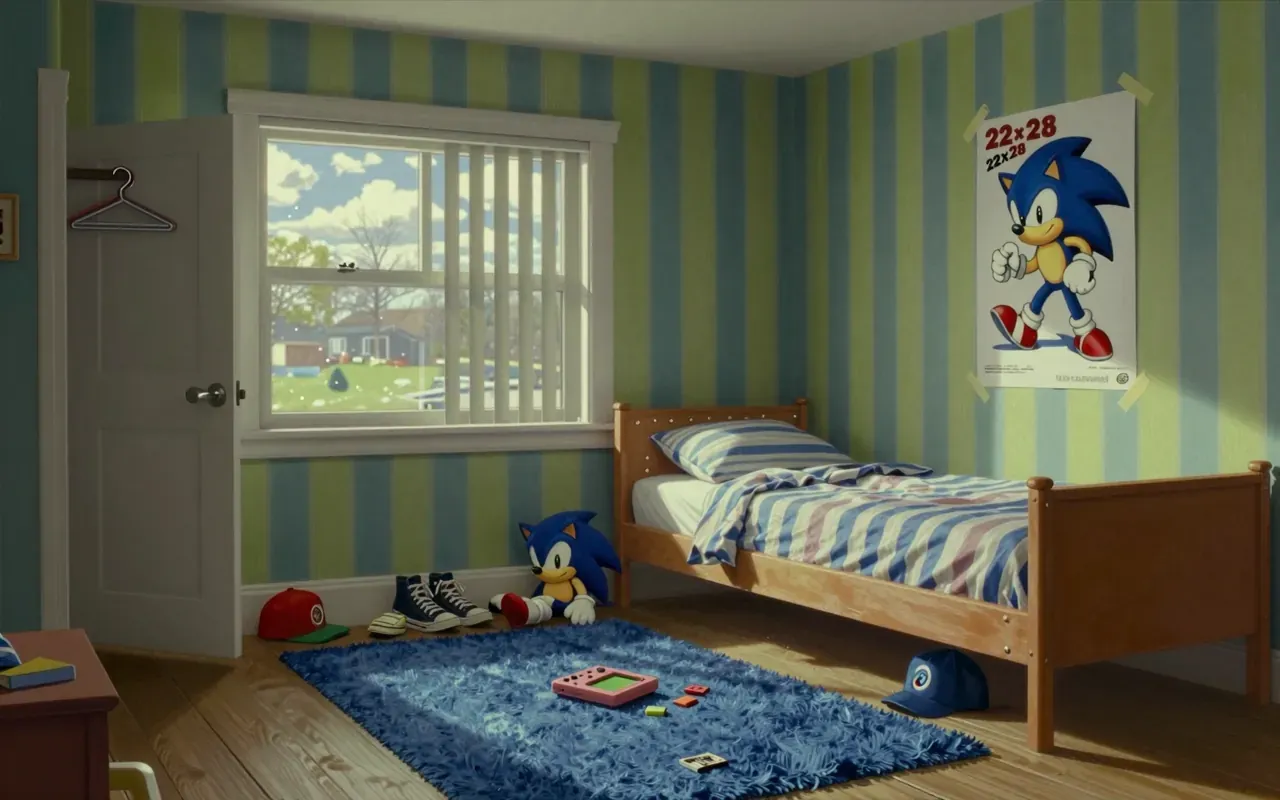
Sonic the Hedgehog 3

Sonic 3 isn’t about freedom—it’s about velocity with consequences.

Sonic the Hedgehog 3 is a 1994 Genesis/Mega Drive 2D side-scrolling platformer. It features Sonic and Tails across six zones (each with two acts), introduces Knuckles as an antagonist, and expands narrative through visual cutscenes. Players control Sonic while Tails runs alongside; a second player may join at any time to control Tails separately. Players may also play as Sonic or Tails alone. Tails can fly briefly by spinning his tails like a helicopter rotor. Unlike Sonic, Tails can also swim underwater. Levels are populated with 'Badniks', robots created by the villain, Dr. Robotnik; Sonic and Tails can defeat them by jumping on them or using the 'spin dash' attack, which also gives the character a speed boost. The levels include obstacles and other features such as vertical loops, corkscrews, breakable walls, spikes, water that the player can drown in, and bottomless pits.

Chapters & takeaways4
  1. 1:03
    Structure

    Six zones. Two acts each. Pure 2D side-scrolling structure—no branching, no open zones, no backtracking by design.

  2. 2:26
    Tails Is Not Optional

    Tails isn’t a sidekick—he’s a parallel agent with flight and swimming, and co-op is always live, never optional.

  3. 4:22
    No Forgiveness, Just Physics

    Badniks die on impact or spin dash—and every level feature (loops, spikes, drownable water) punishes misjudged timing.

  4. 5:52
    Branded Velocity

    This game exists because Sega needed a hardware showcase—blue logo, Jackson boots, Clinton energy, Genesis sales target.

Worth your time?

Yes. Play the whole thing.

4/ 5
What works
  • tactile-precision
  • rhythm-based-movement
  • hardware-native-design
What does not
  • narrative
  • accessibility
  • mechanical-variety
Play it if
  • players-who-value-tactile-precision
  • players-who-want-rhythm-based-movement
  • players-who-prefer-hardware-native-design
Skip it if
  • players-who-need-explicit-guidance
  • players-who-expect-adaptive-difficulty
  • players-who-require-story-driven-motivation
The written brief1 min read

What the game is

A 2D side-scrolling platformer released in 1994 by Sega for the Genesis/Mega Drive. It features Sonic and Tails across six zones (each with two acts), introduces Knuckles as an antagonist, and expands narrative through visual cutscenes.

How it actually plays

Players control Sonic while Tails runs alongside; a second player may join at any time to control Tails separately. Players may also play as Sonic or Tails alone. Tails can fly briefly by spinning his tails like a helicopter rotor. Unlike Sonic, Tails can swim underwater. The game consists of six zones, each with two acts. Players defeat Badniks by jumping on them or using the spin dash, which also grants a speed boost. Levels contain vertical loops, corkscrews, breakable walls, spikes, drownable water, and bottomless pits.

What works

Tails’ dual abilities—brief flight and underwater swimming—create distinct pathing options and co-op synergy. The spin dash gives immediate speed agency. Vertical loops, corkscrews, and breakable walls demand spatial fluency and reward repeat play. Two-player co-op is drop-in at any time, not gated behind menus or modes.

What does not

The game does not support solo Tails in all contexts—only as an option, not a full parallel campaign. It does not resolve Knuckles’ role beyond antagonism. It does not soften its difficulty curve: drownable water, bottomless pits, and breakable walls punish hesitation without tutorial scaffolding.

Who it is for, and who it is not

It is for players who value tactile precision, rhythm-based movement, and hardware-native design. It is not for players who need explicit guidance, adaptive difficulty, or story-driven motivation.

Is it worth your time

Yes—if you want tight 2D momentum-based platforming shaped by precise physics, co-op that demands coordination, and level design that rewards memorisation and risk. No—if you expect narrative depth, modern accessibility, or mechanical variety beyond speed, flight, and swimming.
Same shelf · Retro4 of 40
Up next in Games

Sonic Adventure

Sega · 1998 · 9:06

Sonic Adventure isn’t a leap into 3D — it’s a cautious, six-character audit of what Sonic loses when the screen gains depth.

9:06