What the game is
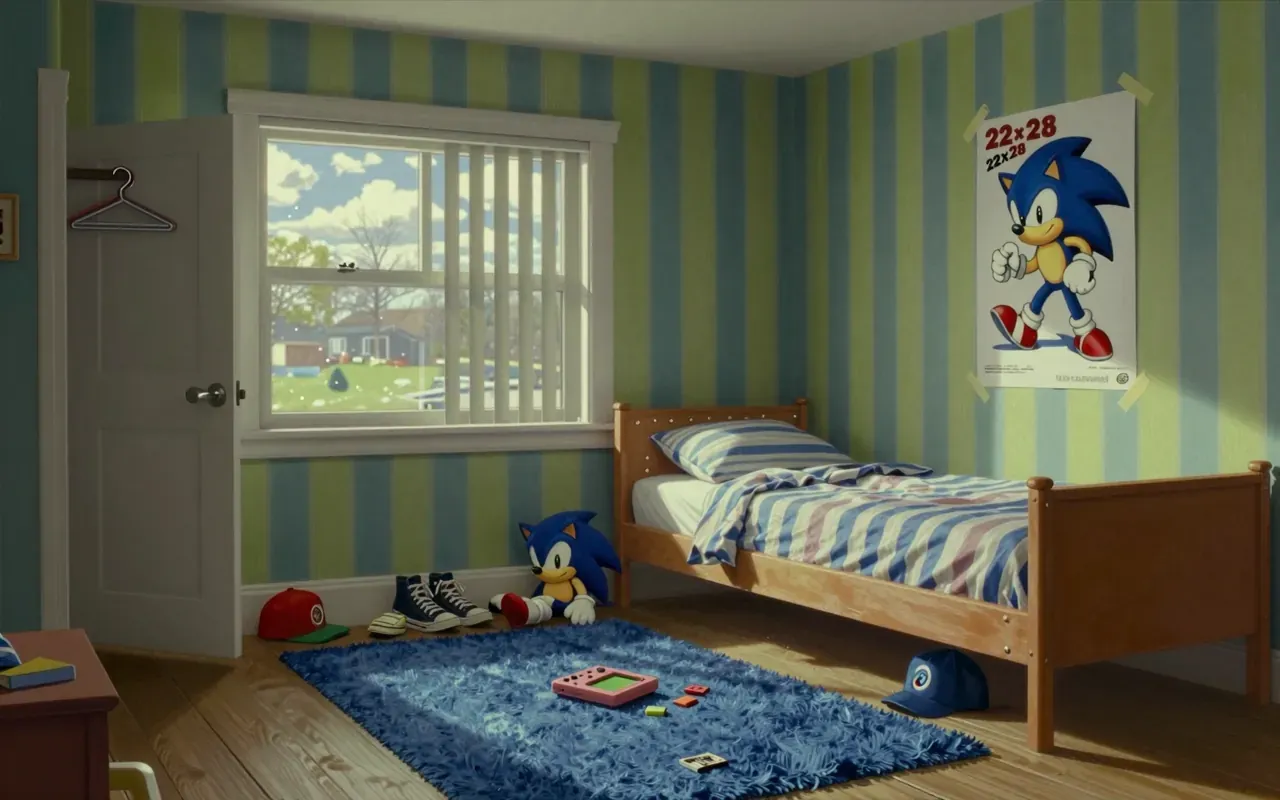
Sonic the Hedgehog 2 is a side-scrolling platform game released on the Sega Genesis. It tasks the player with stopping Doctor Robotnik from stealing the Chaos Emeralds to power the Death Egg. It introduces Tails as a controllable sidekick and the spin dash as a core mobility tool.
How it actually plays
The game is a side-scrolling platformer where the player runs, jumps, crouches, and attacks by curling into a ball. The spin dash lets the player build speed from a standstill. Sonic or Tails can be controlled individually, or both simultaneously in single-player mode; a second player can join at any time to control Tails separately. Players traverse high-speed levels, collect rings, defeat enemies, fight bosses, and navigate 11 zones across 20 acts.
What works
The spin dash establishes a clear cause-and-effect loop: hold, release, accelerate — every run begins with intention. Tails’ flight ability changes level traversal meaningfully when controlled by a second player. The Chaos Emerald special stages impose strict spatial memory and timing constraints, rewarding repetition without padding.
What does not
It does not sustain tension across all 20 acts. Some zones repeat structural logic without meaningful variation. The ring-based health system offers no recovery mid-act — lose all rings and you die instantly, with no margin for error after a misjudged jump or enemy collision.
Who it is for, and who it is not
It is for players who enjoy mastering a narrow set of inputs — run, jump, curl, dash — under accelerating pressure. It is not for players who need narrative scaffolding, gradual progression curves, or systems that forgive hesitation.
Is it worth your time
It is worth your time if you want a tightly wound, speed-driven platformer that demands precise timing and spatial awareness — not nostalgia, not reputation, but the physical feedback of acceleration, momentum, and split-second decisions.