What the game is
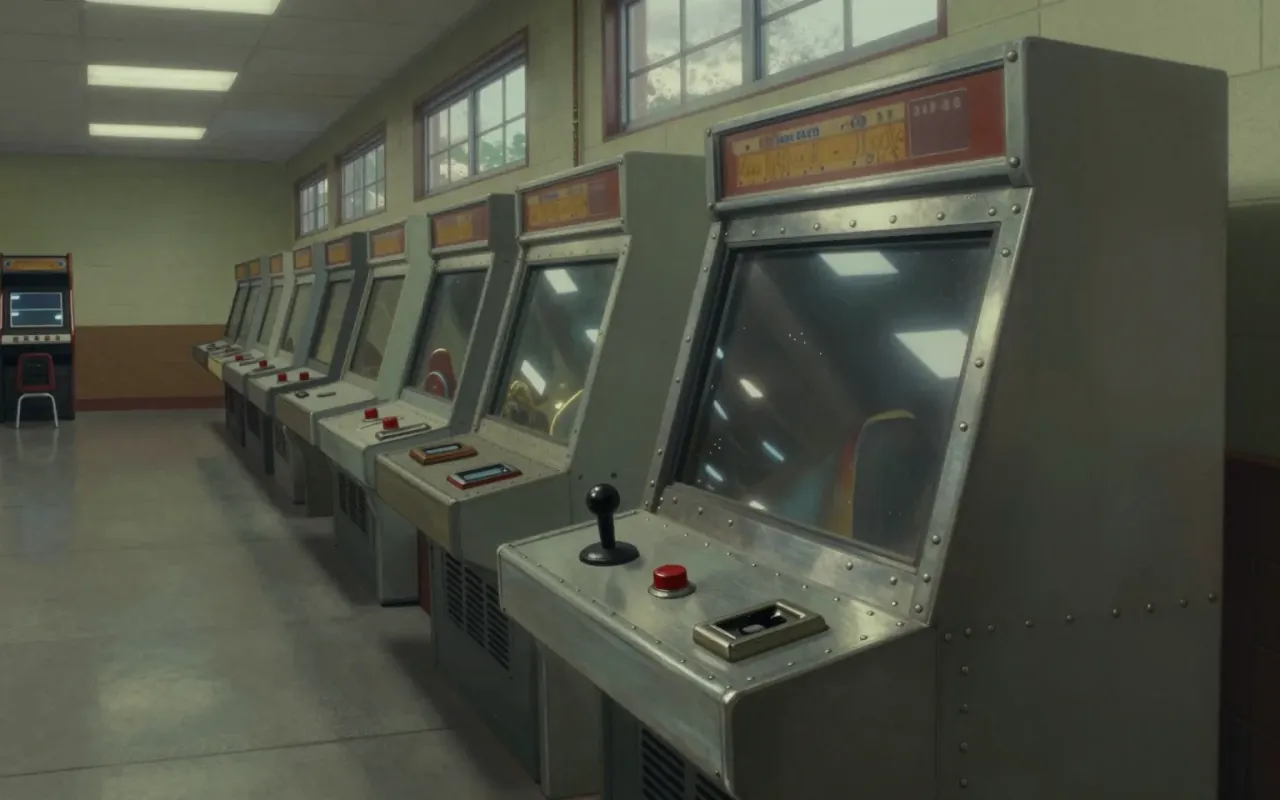
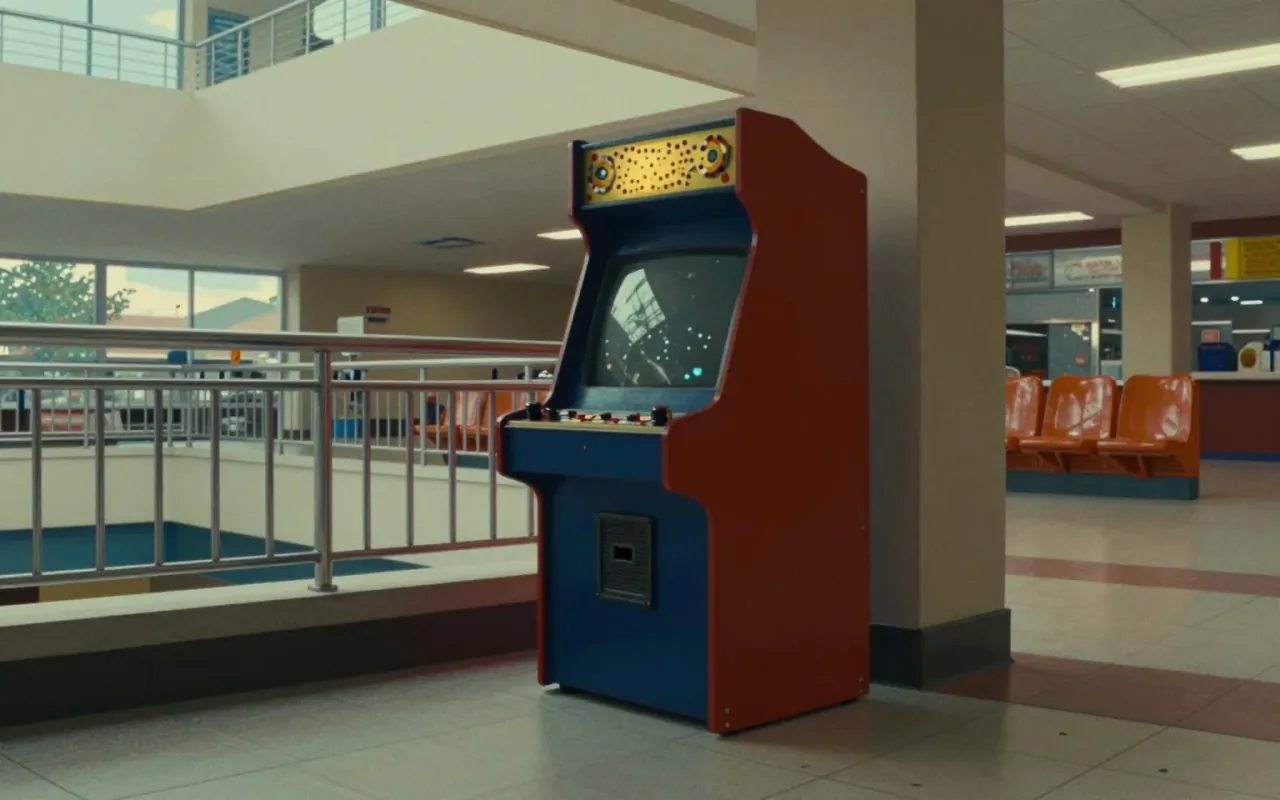
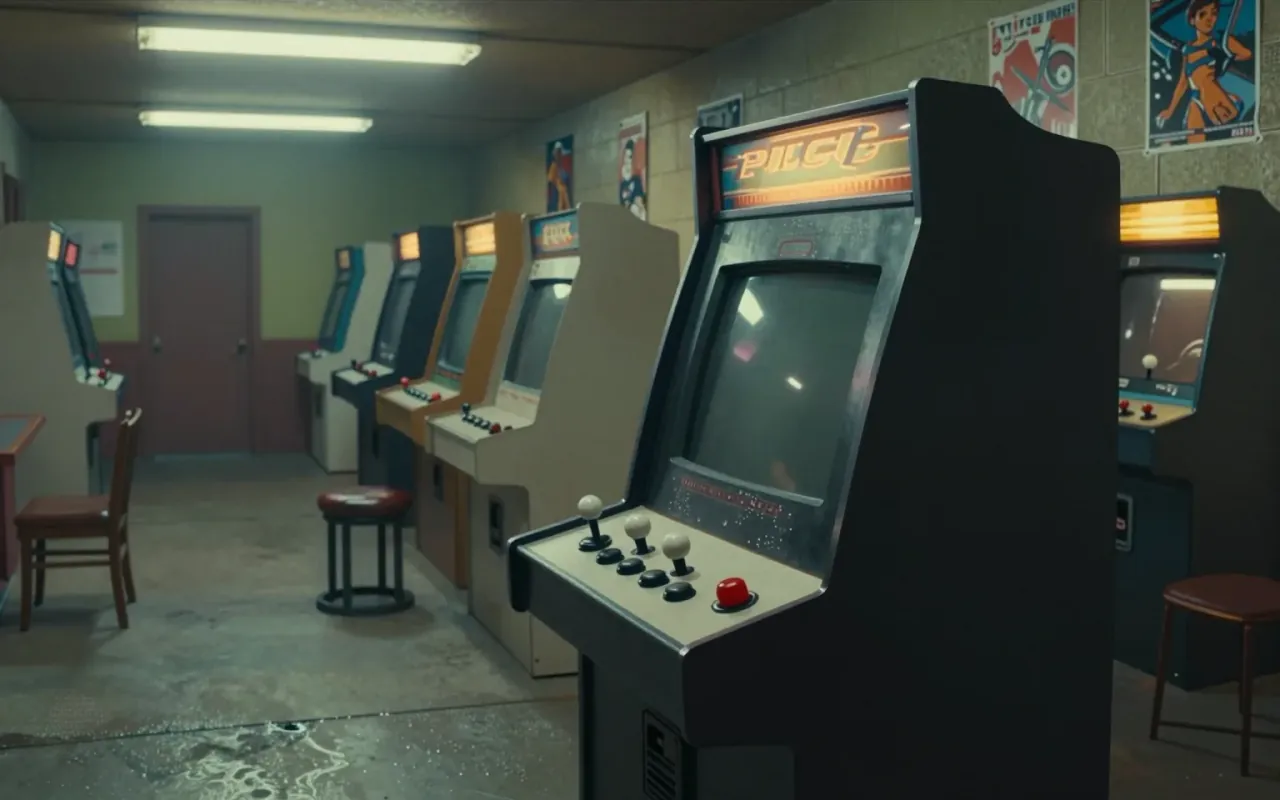
A fixed shooter released by Namco in 1988. It is a direct sequel to Galaga (1981), itself the follow-up to Galaxian. It belongs to the space shooter genre.
How it actually plays
The player controls the Blast Fighter on a fixed plane. Galaga aliens fly in from the top and sides to form ranks. Gorg aliens divebomb toward the bottom. Colliding with any alien or projectile ends a life. Boss Galaga enemies sit atop formations. They take two hits to destroy. They capture the player’s ship with a tractor beam. The captured ship returns to the top of the screen. The player rescues it by shooting a Boss Galaga while it divebombs. Success creates a dual fighter: more firepower, larger hitbox.
What works
The tractor-beam capture mechanic creates immediate stakes. Rescuing a ship mid-divebomb forces active re-engagement—not passive survival. The dual fighter rewards aggression but increases vulnerability. Every formation has a clear hierarchy: Gorgs threaten vertically, Boss Galagas anchor and escalate horizontally.
What does not
It does not scale tension through variety. It repeats the same core loop: formation, divebomb, capture, rescue, dual-fighter risk. There is no progression beyond score, lives, and increasing speed. The dual fighter’s larger hitbox punishes precision without offering compensating control refinements.
Who it is for, and who it is not
It is for players who value mechanical clarity, immediate feedback, and self-contained sessions shaped by reflex and pattern recognition. It is not for players who need narrative scaffolding, adaptive difficulty, or systemic variation.
Is it worth your time
Yes—if you want tight, escalating risk-reward loops built around timing, positioning, and split-second rescue decisions. No—if you expect modern pacing, narrative, or accessibility.