gamesbriefs
10:14in productionCh. 1 · The Third Axis Is Tactical/ 10:14 · ceiling 15 min
Fighting · Game design

Tekken 3

Tekken 3 doesn’t add flash—it adds depth: every dodge now happens in three dimensions, and every reversal belongs to everyone.

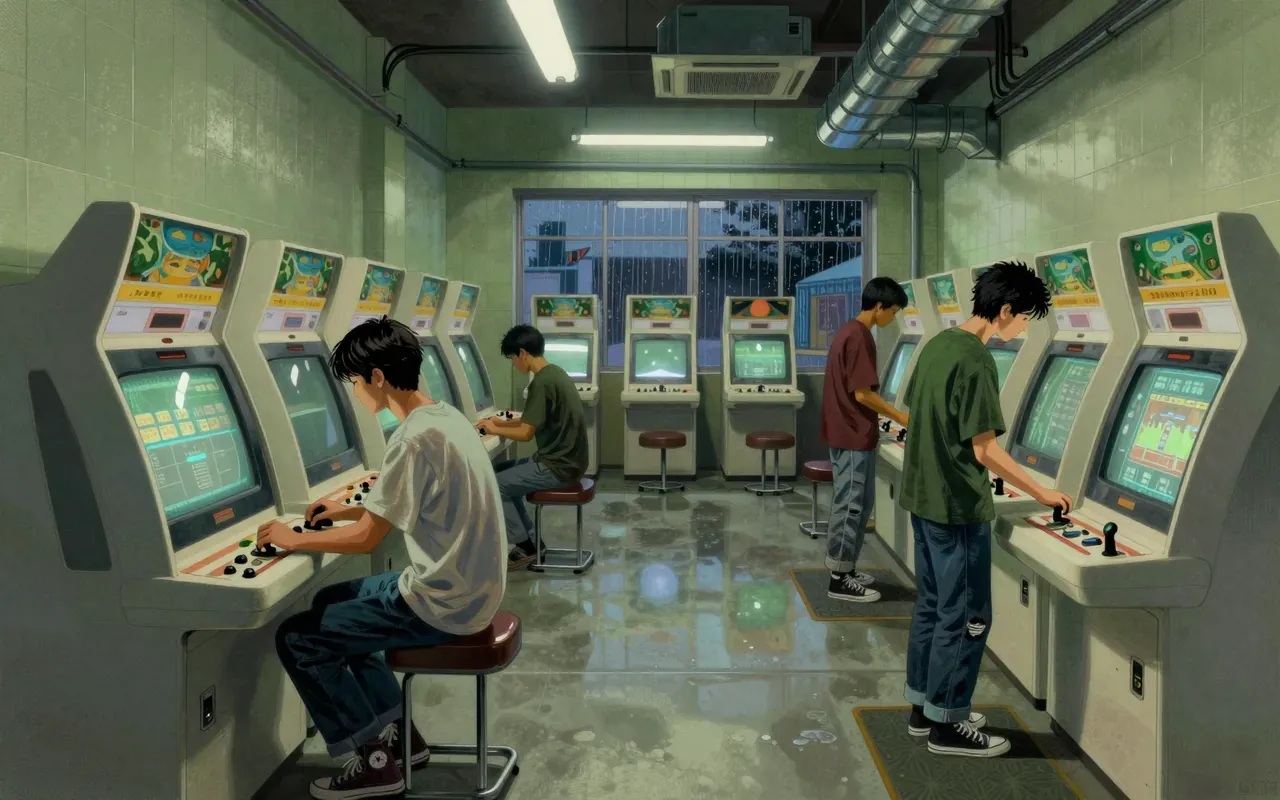
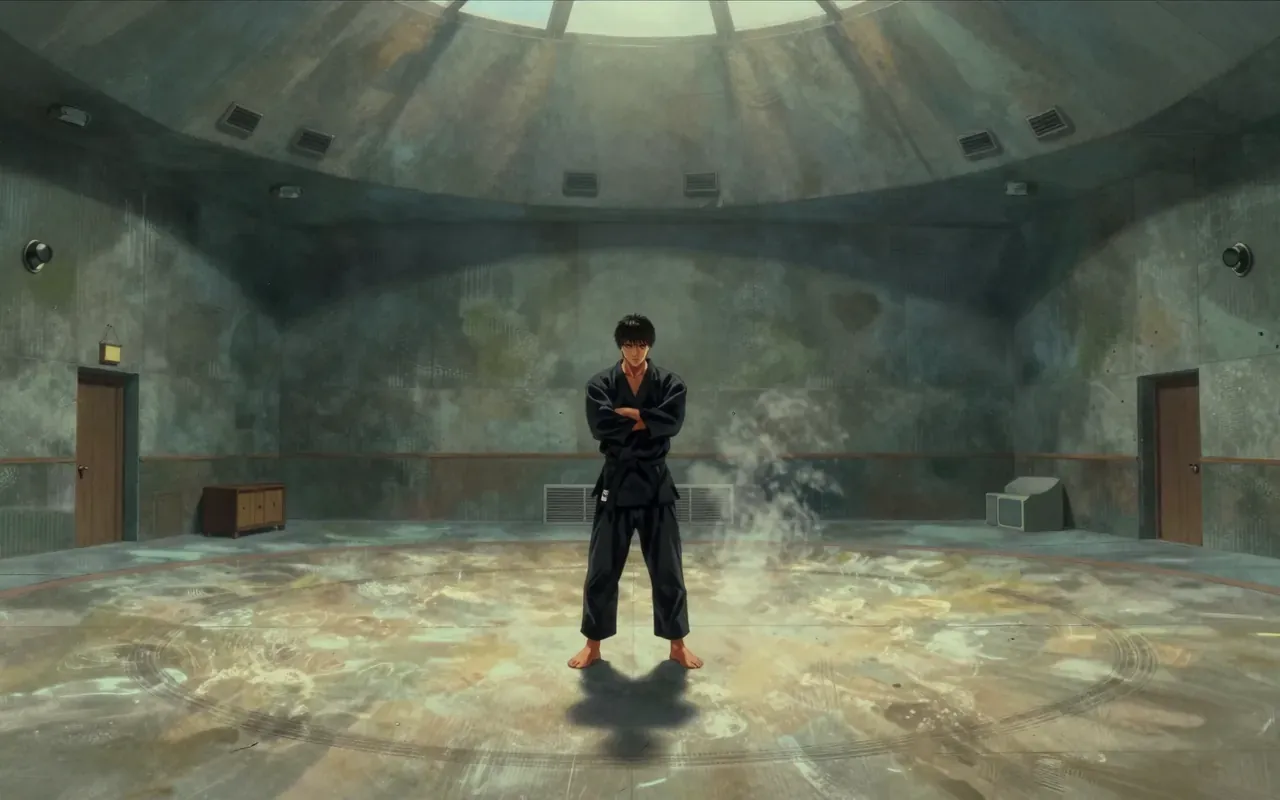
Tekken 3 is a 3D fighting game developed by Namco, launched in arcades in March 1997. It refines the series’ combat with universal sidestepping, lower jumps, universal reversals, faster knockdown recovery, expanded juggling, and new combo throws. It adds two minigames—Tekken Force (a side-scrolling beat 'em up) and Tekken Ball (a volleyball-style combat mode)—and implements a PlayStation-specific unlock system where only 10 of 24 fighters are initially available.

Chapters & takeaways4
  1. 0:53
    The Third Axis Is Tactical

    Sidestepping in and out of the background makes depth a weapon—not just decoration.

  2. 2:28
    Risk Is Rewarded, Not Punished

    Lower jumps, universal reversals, and faster recoveries shift the fight from reaction to anticipation.

  3. 3:54
    Minigames Are Distractions

    Tekken Force and Tekken Ball are novelties—not expansions.

  4. 5:37
    The Roster Is Locked, Not Curated

    Only 10 of 24 fighters are available at launch on PlayStation—no roadmap, no rationale.

Worth your time?

Yes. Play the whole thing.

4.5/ 5
What works
  • Sidestepping redefines evasion: it forces players to track depth, not just horizontal space.
  • Lower jumps make ground-based reads more decisive.
  • Universal reversals raise the stakes of wake-up situations.
  • Faster recoveries and more juggle options tighten pacing and reward precision.
What does not
  • Tekken Force and Tekken Ball add variety but no depth.
  • The PlayStation unlock system obscures the full roster without clear goals or feedback.
  • The game assumes familiarity with Tekken’s core—no tutorial, no contextual help, no explanation of why sidestepping matters.
Play it if
  • Players who value deliberate, spatially literate combat.
  • Those willing to learn through repetition and observation—not hand-holding.
Skip it if
  • Players seeking narrative, accessibility, or balanced minigames.
  • Those who expect modern UI clarity or full-roster access from the start.
The written brief1 min read

What the game is

A 3D fighting game developed by Namco, released in arcades in March 1997. It refines Tekken’s existing combat system with new movement, reversal, recovery, and juggling rules. It includes two standalone minigames and a character-unlocking structure on PlayStation.

How it actually plays

Players move in three dimensions: forward, back, left, right, and crucially, in and out of the background via sidestepping. Jumping is lower and less evasive. Every character can reverse attacks on wake-up. Knockdown recovery is faster. Tackle and stun escapes are more frequent. Juggle combos are more accessible. Throws chain into follow-ups. Sessions consist of one-on-one fights shaped by spatial reading, timing reversals, and managing risk across the Z-axis.

What works

Sidestepping redefines evasion: it forces players to track depth, not just horizontal space. Lower jumps make ground-based reads more decisive. Universal reversals raise the stakes of wake-up situations. Faster recoveries and more juggle options tighten pacing and reward precision. The third axis is no longer decorative—it is tactical infrastructure.

What does not

Tekken Force and Tekken Ball add variety but no depth. They lack progression, stakes, or design cohesion with the main mode. The PlayStation unlock system obscures the full roster without clear goals or feedback. The game assumes familiarity with Tekken’s core—no tutorial, no contextual help, no explanation of why sidestepping matters.

Who it is for, and who it is not

Players who value deliberate, spatially literate combat. Those willing to learn through repetition and observation—not hand-holding. Not for players seeking narrative, accessibility, or balanced minigames. Not for those who expect modern UI clarity or full-roster access from the start.

Is it worth your time

Yes—if you want to feel how 3D movement became a fighting game’s central language. It demands spatial awareness, not just reflexes. It rewards patience over spam. But its minigames are shallow diversions, and the PlayStation version gates 14 fighters behind opaque unlocks.
Same shelf · Fighting3 of 3
Up next in Games

Terraria

Re-Logic · 2011 · 10:38

Terraria gives you a world that spreads evil—and asks you to stop it, build from it, or ignore it entirely.

10:38