Tekken 5 ditches Tekken 4’s chaos to rebuild the series’ rhythm — not by simplifying, but by enforcing fairness.
Tekken 5 is a deliberate course correction. It strips away Tekken 4’s experimental terrain and positional mechanics to restore spatial fairness and rhythmic flow. It introduces the hot system — a narrow but impactful defensive tool — and cosmetic character customisation via in-game currency. Stages are either symmetrical boxes or barrier-free and infinitely scrolling. Floor cracking is present but singular and non-disruptive. Devil Within adds a beat ‘em up minigame. The game delivers on its core promise: consistent, readable 3D fighting with no hidden variables.
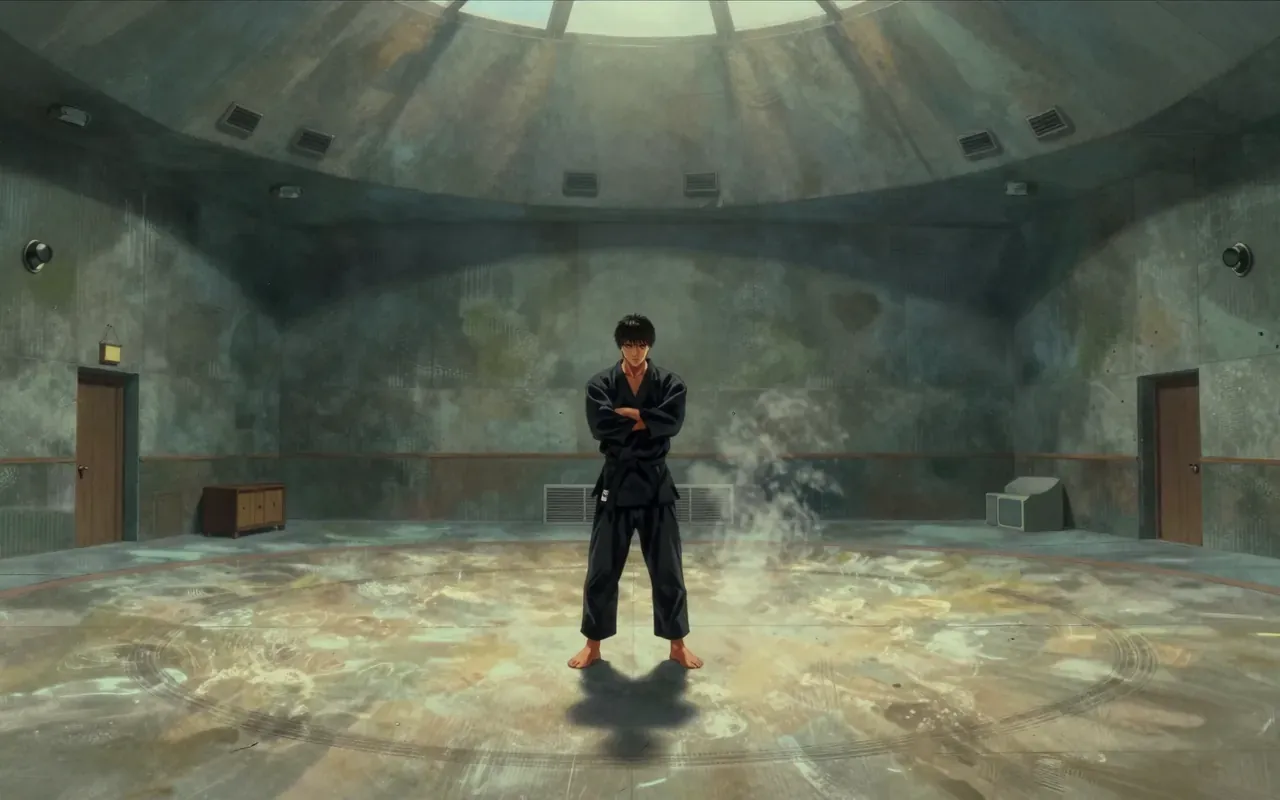
Tekken 5 abandons uneven terrain and returns to symmetrical or infinitely scrolling stages.
2:20
Defensive Clarity
The hot system gives specific moves full invulnerability to low attacks — wall juggling stays, but is balanced.
3:51
Aesthetic Progression
Character customisation is cosmetic only, funded by in-game currency — a new series first.
4:47
Limited Interaction
Floors crack in one place only — environmental feedback exists, but never changes tactics.
5:46
Baseline Execution
It is a 3D fighting game with many characters and a consistent framerate — core technical promises kept.
6:43
Back to Rhythm
It reverts Tekken 4’s major changes to achieve fluid, classic-series-style gameplay.
Worth your time?
Yes. Play the whole thing.
4/ 5
What works
reverting uneven terrain restores fluid combat
hot system rewards precise timing
symmetrical stages enforce spatial fairness
in-game currency unlocks cosmetic customisation
What does not
storytelling
environmental variety
asymmetrical design
Play it if
players who value mechanical clarity
fans of pre-Tekken 4 pacing
anyone treating customisation as light progression
Skip it if
players seeking narrative depth
those expecting systemic interactivity
fans of asymmetrical stage design
The written brief1 min read
What the game is
A 3D fighting game by Namco, released in 2005. It features a wide array of playable characters. The home version includes Devil Within, a 3D beat ’em up minigame starring Jin Kazama.
How it actually plays
Tekken 5 runs at a consistent framerate on PlayStation hardware. It uses symmetrical walled stages or infinitely scrolling barrier-free arenas. Floor sections are uniformly level — no raised or lowered terrain. Wall juggling returns from Tekken 4 but is harder to chain and easier to escape. Moves like hop-kicks grant full invulnerability to low attacks during most of their animation. Floors crack in one place only when hit hard enough.
What works
Reverting Tekken 4’s uneven terrain and positional change techniques restores fluid, classic-series-style combat. Symmetrical stages and uniform floors make spacing predictable. The hot system rewards precise timing with tangible defensive payoff. In-game currency unlocks aesthetic customisation — a first for the series.
What does not
It offers no story mode beyond the arcade path. Environmental interaction is limited to single-point floor cracking. Character customisation affects appearance only — no gameplay impact. The ‘hot system’ applies narrowly: only certain moves gain invulnerability, and only to low attacks.
Who it is for, and who it is not
Players who value mechanical clarity over spectacle. Fans of pre-Tekken 4 pacing and spatial fairness. Anyone willing to treat character customisation as light progression. Not for players seeking narrative depth, environmental variety, or asymmetrical stage design.
Is it worth your time
Yes — if you want tight, readable 3D fighting with clear cause-and-effect, character customisation as progression, and no environmental gimmicks to learn. No — if you expect deep narrative, systemic interactivity, or modern accessibility features.