gamesbriefs
10:38in productionCh. 1 · No Goals, Just World/ 10:38 · ceiling 15 min
Action & adventure · Simulation

Terraria

Terraria gives you a world that spreads evil—and asks you to stop it, build from it, or ignore it entirely.

Terraria is a 2D sandbox action-adventure game with no set goals. Players explore procedurally generated worlds, fight bosses to unlock progression, gather resources across biomes, craft equipment, and recruit NPCs by completing goals. Evil biomes like Corruption and Crimson spread and infect other areas. Resources such as ores are found in caves. The game supports single-player, multiplayer, and modding. It was developed by Re-Logic—an American independent studio based in Floyds Knobs, Indiana—using the Microsoft XNA framework. It launched on May 16, 2011, earlier than planned due to a beta leak. Development was paused in February 2012 but resumed in 2013, with major updates continuing thereafter.

Chapters & takeaways4
  1. 1:00
    No Goals, Just World

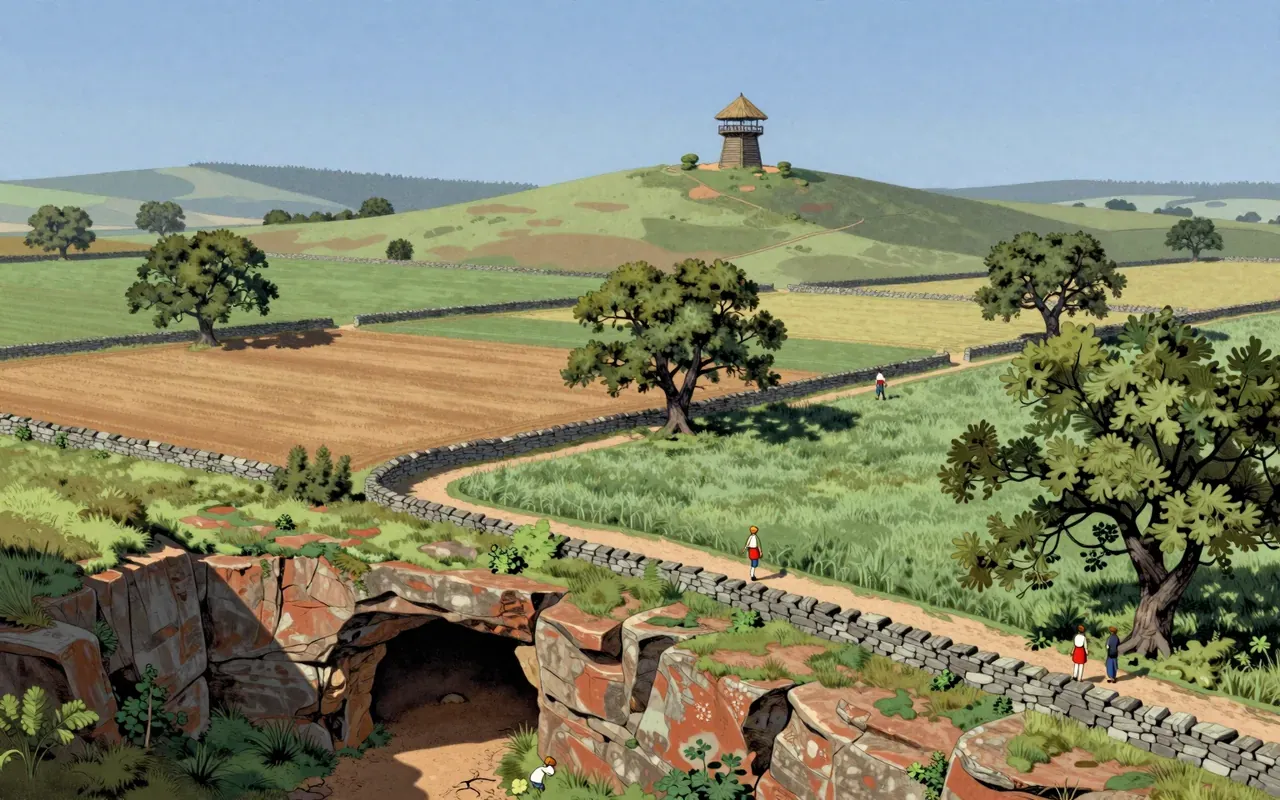
    Terraria has no goals—it gives you a world, tools, and consequences, then steps aside.

  2. 2:22
    Biomes That Bite Back

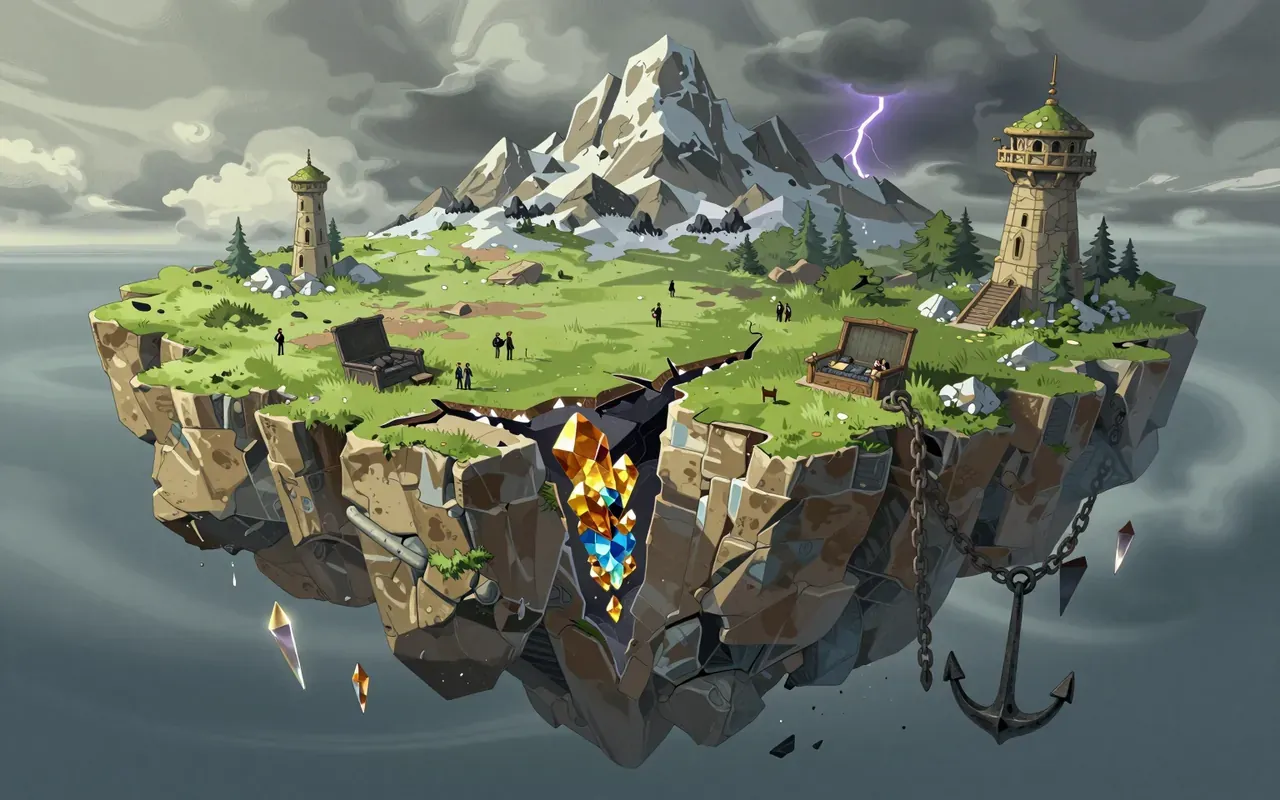
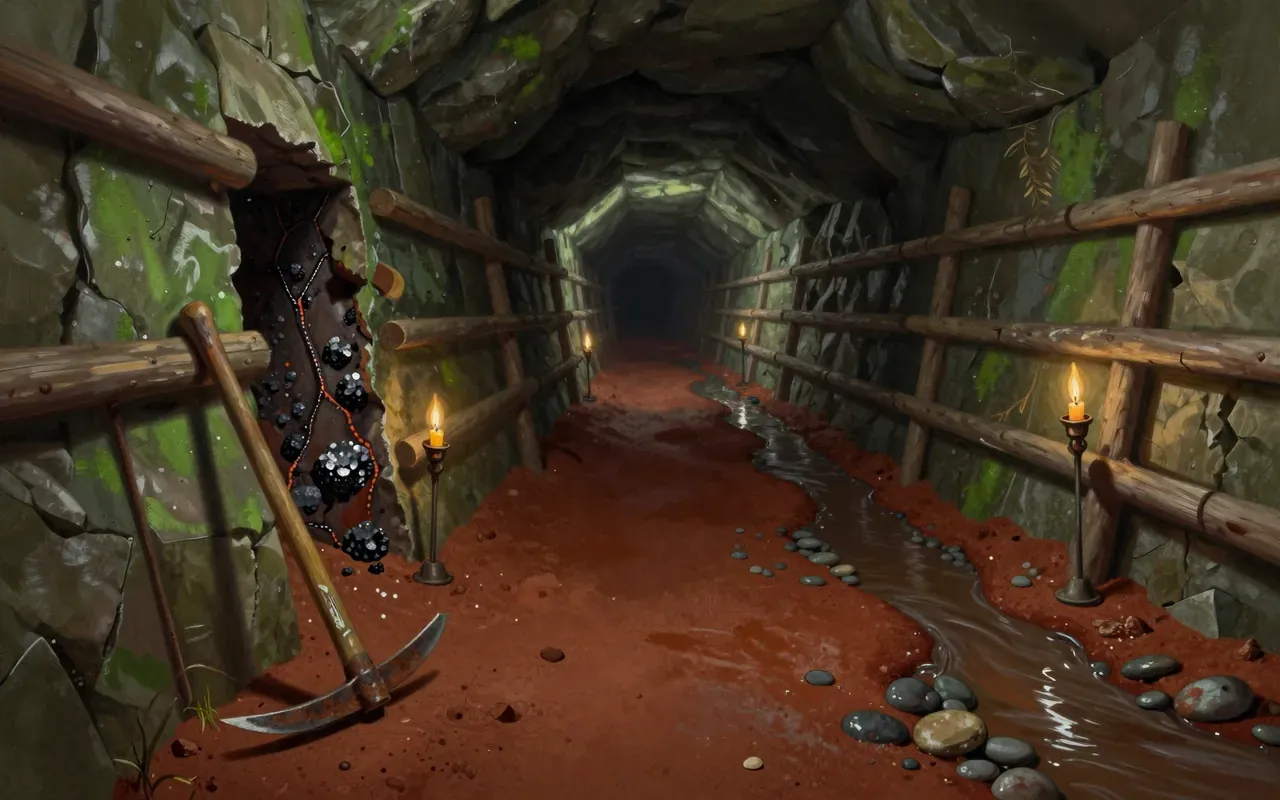
    Biomes aren’t backdrops—they’re active systems: Corruption spreads, caves hide ores, and each zone demands different tactics.

  3. 4:58
    Bosses Gate Everything

    Bosses and goals aren’t optional extras—they’re the only gates to new gear, NPCs, and services.

  4. 6:47
    Built to Bend, Not Break

    Built in XNA, paused then revived, Terraria runs on modding and multiplayer—not polish or platform lock-in.

Worth your time?

Yes. Play the whole thing.

4/ 5
What works
  • biome-driven resource loops
  • spreading evil biomes as active constraints
  • boss-fight gating of gear and NPCs
  • modding and multiplayer as structural extensions
What does not
  • narrative direction
  • scripted pacing
  • deterministic outcomes
Play it if
  • self-directed progression
  • spatial problem-solving
  • long-term world manipulation
Skip it if
  • narrative scaffolding
  • curated pacing
  • deterministic outcomes
The written brief1 min read

What the game is

Terraria is a 2D sandbox action-adventure game with no set goals. It is built around procedural world generation, biome-specific enemies and resources, spreading evil biomes, cave-based resource discovery, boss-fight gating, and NPC recruitment through goal completion.

How it actually plays

Players begin by creating a character and selecting difficulty. They enter a 2D procedurally generated world. They explore caves to find ores and other resources. They fight enemies—including bosses that unlock progression. They craft equipment from gathered materials. They complete goals to recruit NPCs who sell items and offer services like healing and fishing quests. Evil biomes spread and infect others, forcing reactive world management.

What works

The loop of exploring caves → gathering ores → crafting gear → fighting bosses → unlocking new items and NPCs is tightly interlocked. Biome differentiation creates meaningful environmental stakes—Corruption and Crimson are not just cosmetic but actively spread and reshape the world. Modding support and multiplayer extend replayability without altering core systems.

What does not

It has no set goals. It offers no guided narrative or authored story. It does not constrain player agency with scripted sequences or time-limited events. Its progression relies entirely on player-initiated boss fights and goal completion—not environmental storytelling or escalating stakes.

Who it is for, and who it is not

It is for players who enjoy self-directed progression, spatial problem-solving across layered biomes, and long-term world manipulation. It is not for players who rely on narrative scaffolding, curated pacing, or deterministic outcomes.

Is it worth your time

Yes—if you want open-ended, biome-driven resource loops shaped by spreading corruption, boss-gated progression, and NPC recruitment through goal completion. No—if you need narrative direction, fixed objectives, or polished multiplayer infrastructure.
Same shelf · Action & adventure4 of 22
Up next in Games

Tetris

Alexey Pajitnov · 1984 · 9:16

Tetris is not about mastery — it is about delay. Every line cleared is just more time before the inevitable top-out.

9:16