What the game is
A role-playing game for the Super Nintendo Entertainment System. Developed and published by Square. Structured around four discrete gameplay modes. Built on random encounters, menu-driven character management, and location-based plot delivery.
How it actually plays
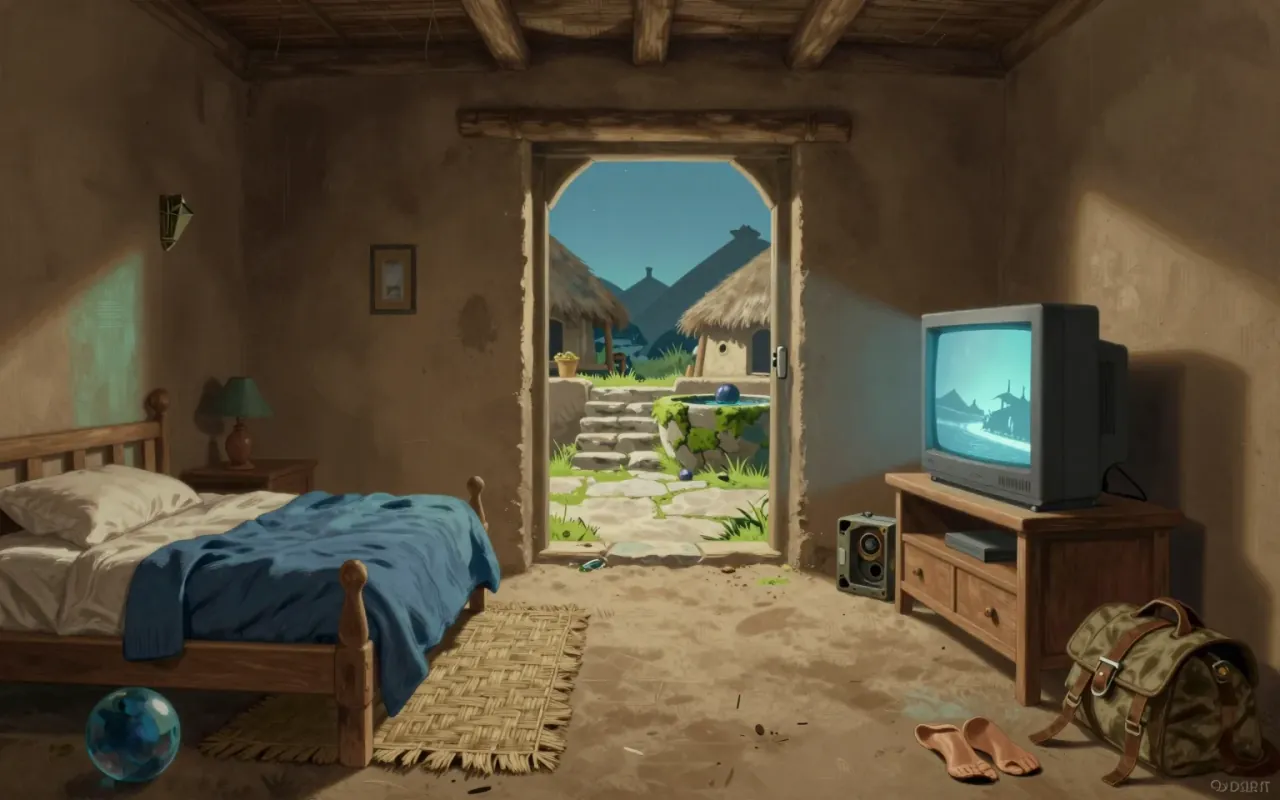
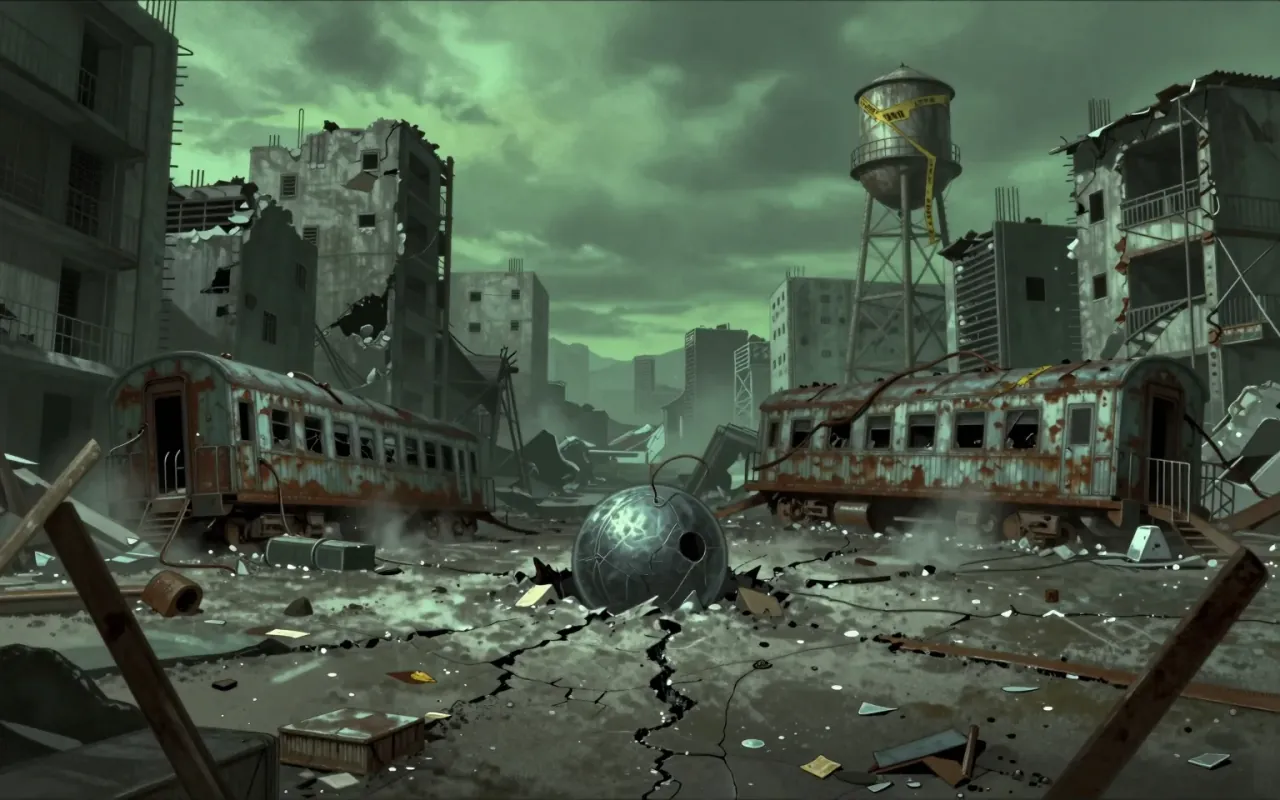
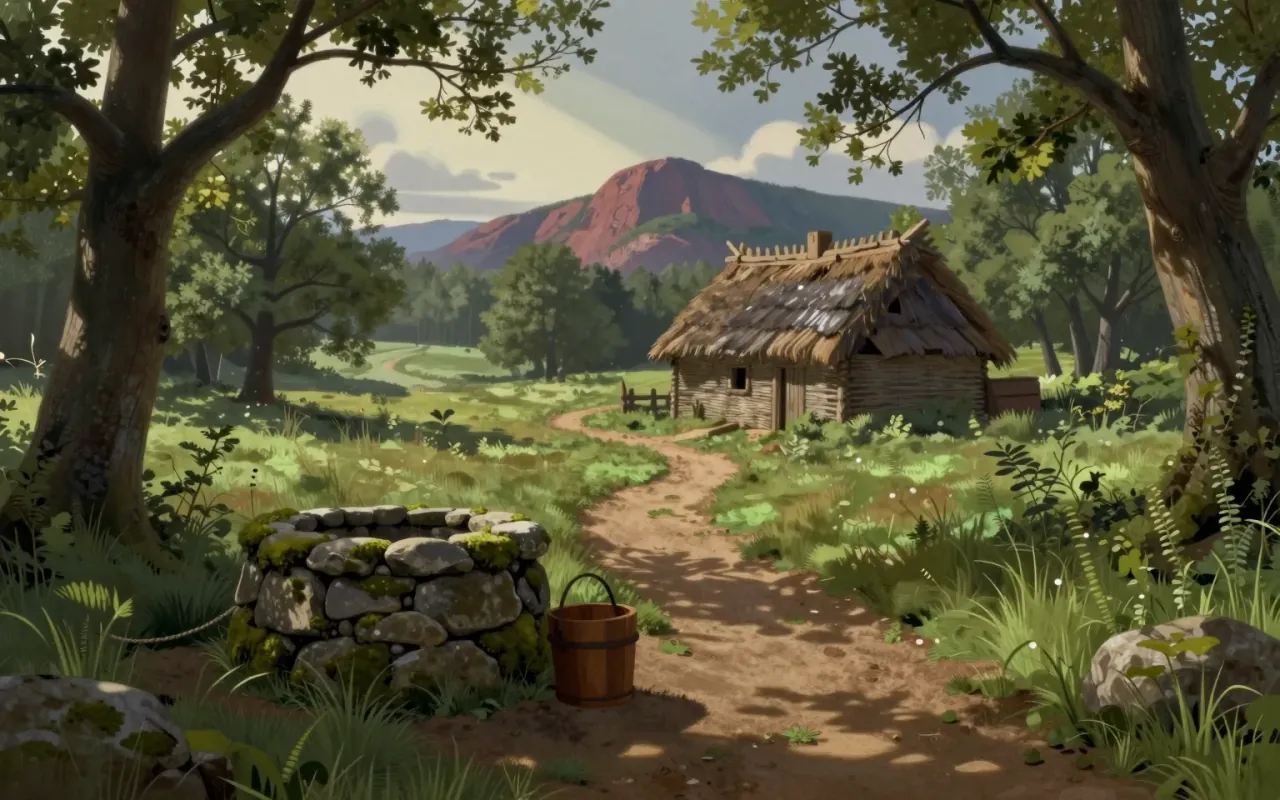
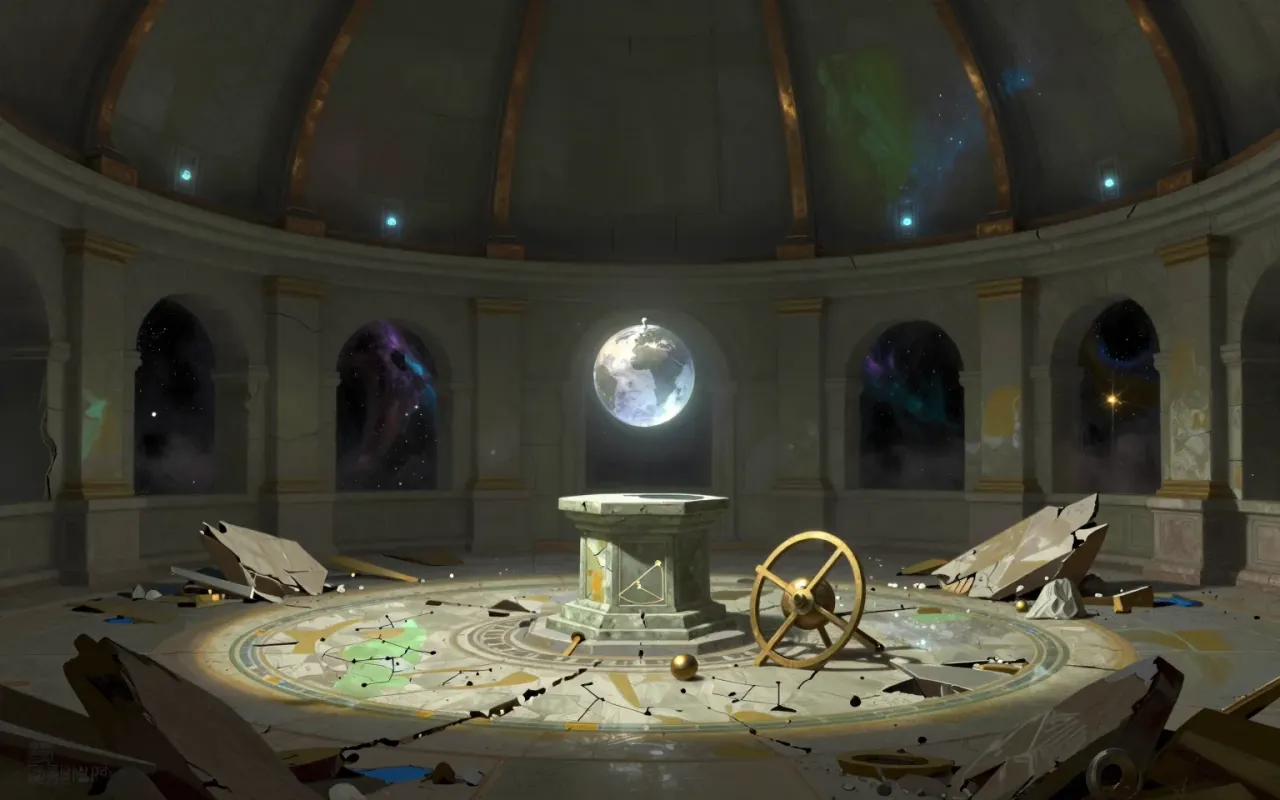
The game runs in four rigidly separated modes: overworld map, field maps (towns and dungeons), battle screen, and menu screen. Movement across the overworld is by foot, chocobo, or airship. Random encounters happen on foot — not on chocobo or airship — except where plot overrides. Towns deliver information and shop access; dungeons advance plot through traversal and combat. The menu screen handles party composition, equipment, magic, settings, experience, and levels. There is no seamless transition between modes. No action input occurs outside battle or menu.
What works
The separation of modes creates clear cognitive boundaries. Each screen has one unambiguous purpose: navigate, converse/shop, fight, or configure. The overworld’s scale-down forces strategic routing. The menu’s centrality makes progression legible — every level-up, spell learned, or gear swap is visible and intentional. Random encounters on foot enforce pacing without requiring constant vigilance.
What does not
It does not support player-driven exploration beyond pathfinding. It does not allow combat avoidance on foot. It does not unify its modes — the overworld is purely navigational, towns are purely expository and transactional, dungeons are purely linear progressions. It withholds spatial continuity, contextual action, and systemic feedback loops. It offers no mechanic for altering encounter rates, terrain traversal, or narrative branching.
Who it is for, and who it is not
It is for players who value architectural clarity over simulation. For those comfortable with abstraction as interface — where a chocobo is not an animal but a toggle for encounter suppression. It is not for players who require environmental responsiveness, narrative agency, or tactile feedback. It assumes familiarity with SNES-era constraints and accepts them as design features.
Is it worth your time
Yes — if you want a tightly structured, mode-locked RPG built for deliberate pacing and methodical progression. No — if you expect fluid movement, environmental interaction, or systems-driven play. It asks for patience with abstraction and rewards attention to menu-based configuration. It does not ask for reflexes, improvisation, or real-time adaptation.