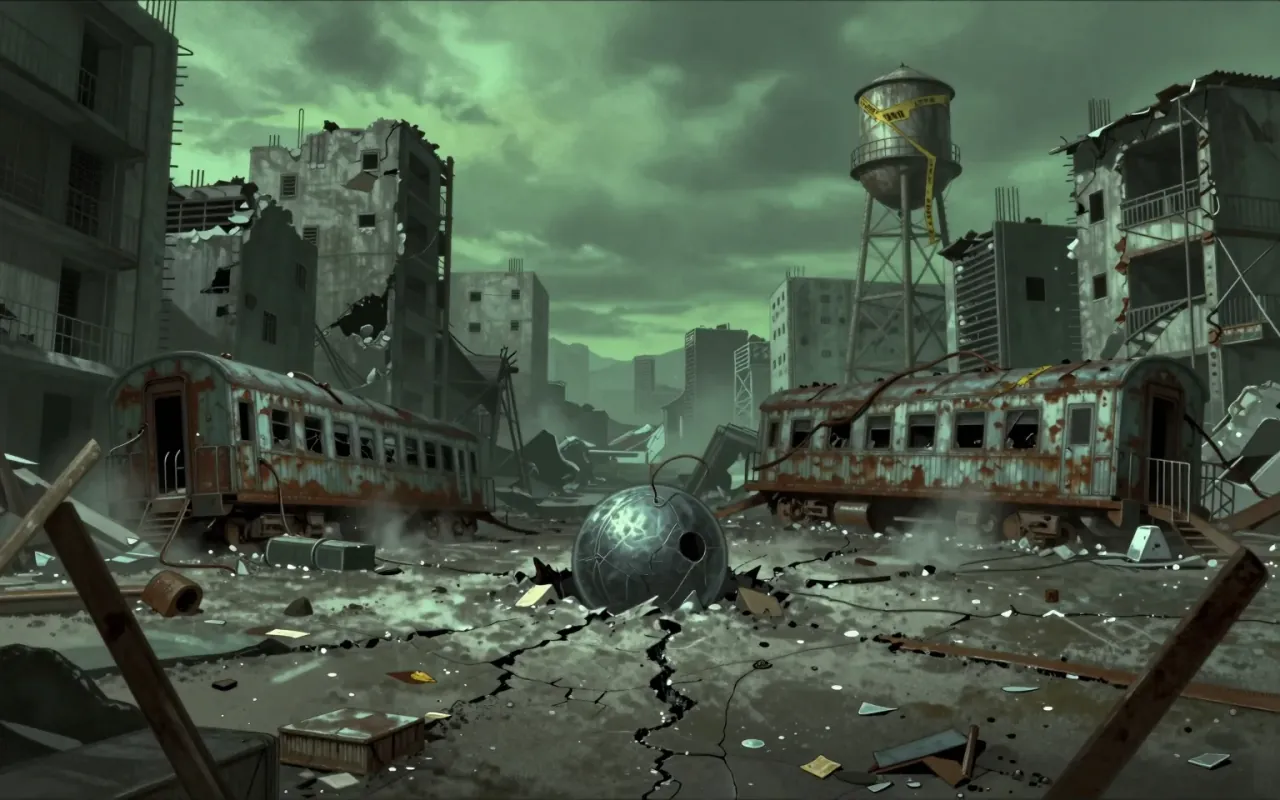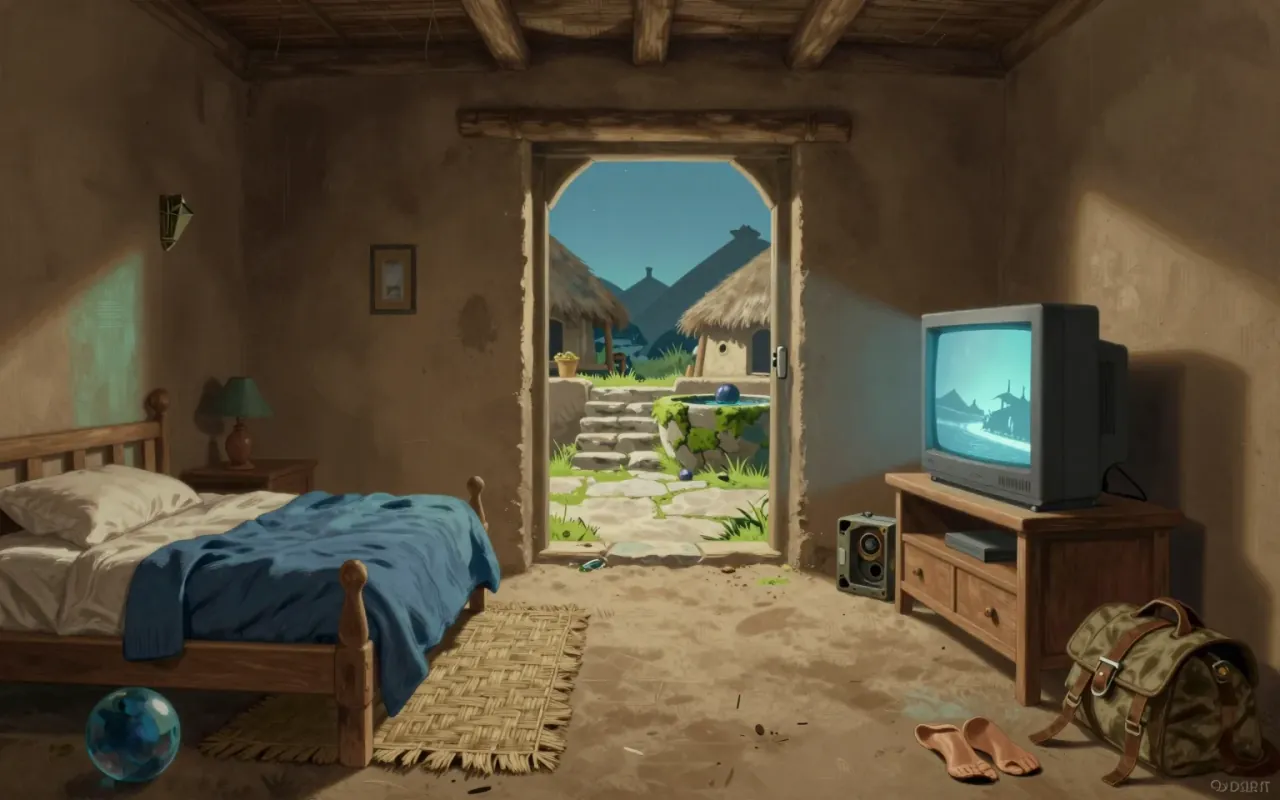
What the game is
A PlayStation 2 RPG released in 2001 by Square. It replaces the Active Time Battle system with the Conditional Turn-Based Battle system. It replaces traditional leveling with the Sphere Grid. It redefines summoning via persistent Aeons. It introduces interactive Overdrives. It uses a continuous 3D world map.
How it actually plays
The player controls three characters in battle. Each turn pauses the fight. A timeline shows upcoming actions and how choices shift turn order. Players swap active characters freely. Overdrives require timed inputs to scale damage. Aeons replace the whole party and fight autonomously until victory, defeat, or dismissal. They have stats, spells, commands, and their own Overdrives. Character growth uses the Sphere Grid — a fixed web of nodes that players activate with spheres to unlock abilities and stats.
What works
The CTB timeline makes turn order legible and manipulable. Swapping characters mid-battle enables rapid role shifts without menu diving. The Sphere Grid gives visible, granular control over character identity and synergy. Aeons are full party substitutes — not gimmicks — with independent agency and escalation paths. Overdrive interactivity adds tactile rhythm without demanding reflexes.
What does not
It does not support improvisation under time pressure. It does not let characters grow organically through combat alone. It does not allow summoning as a momentary effect — Aeons commit the entire party. It does not offer branching world states or persistent environmental consequences.
Who it is for, and who it is not
It is for players who value clarity of consequence, long-term investment in build design, and tactical sequencing over reaction speed. It is not for players who dislike rigid structure, fixed world geometry, or systems that gate expressive play behind node activation.
Is it worth your time
Yes — if you want a tightly structured, pause-and-plan RPG where every battle asks for deliberate sequencing, party reshuffling, and long-term grid navigation. No — if you prefer real-time pressure, emergent systems, or open-ended progression.