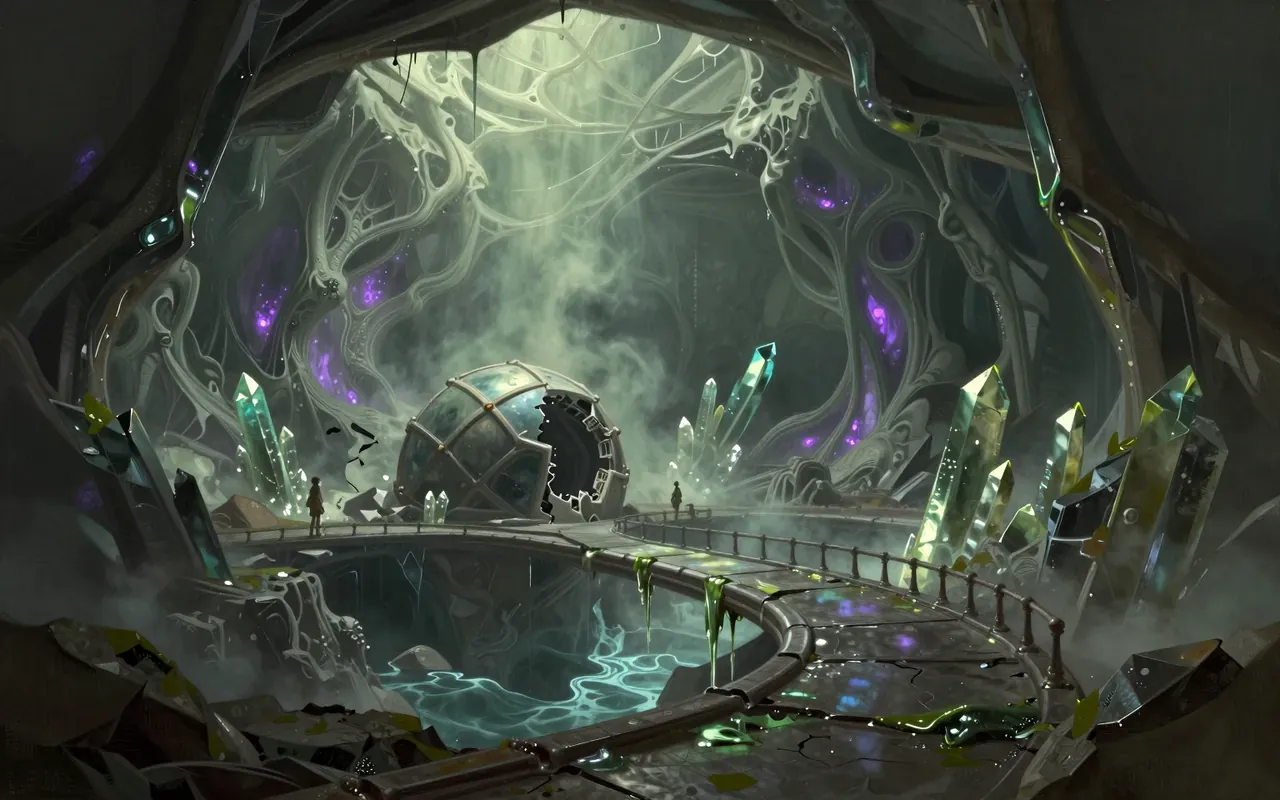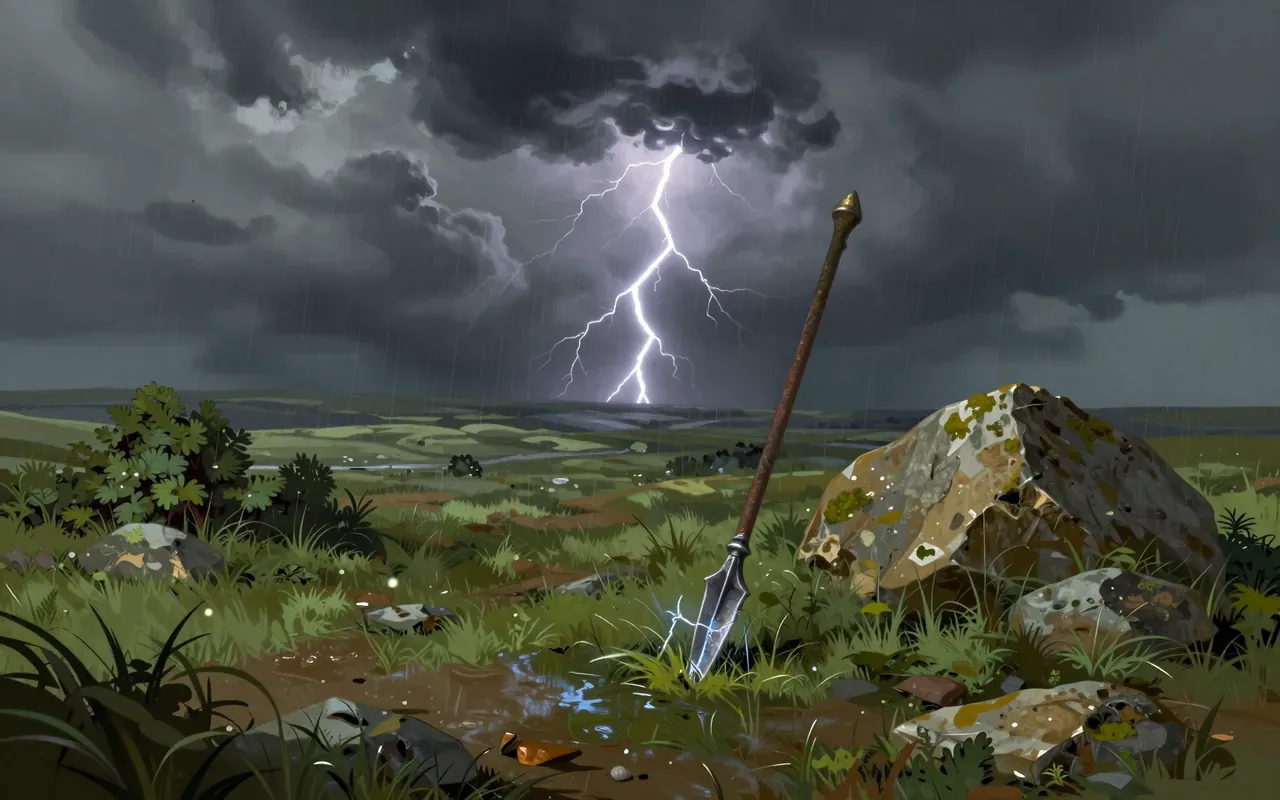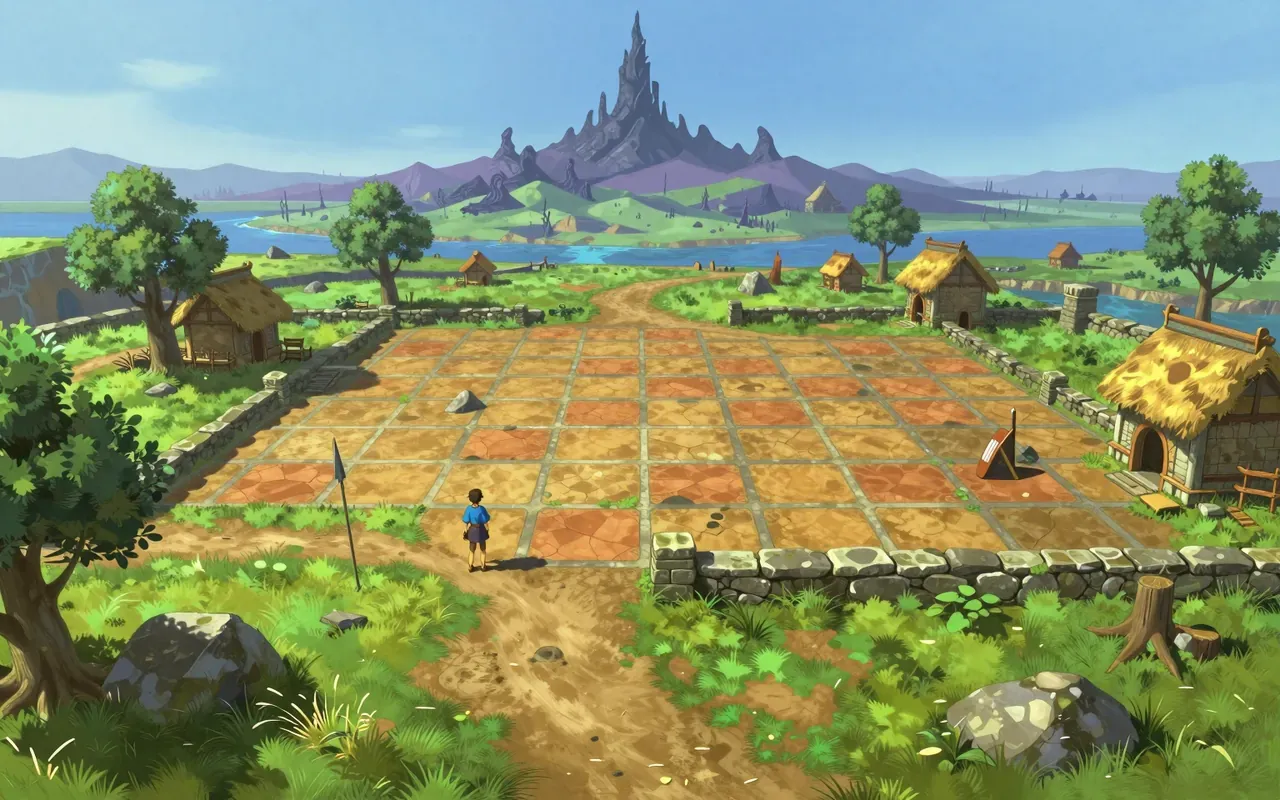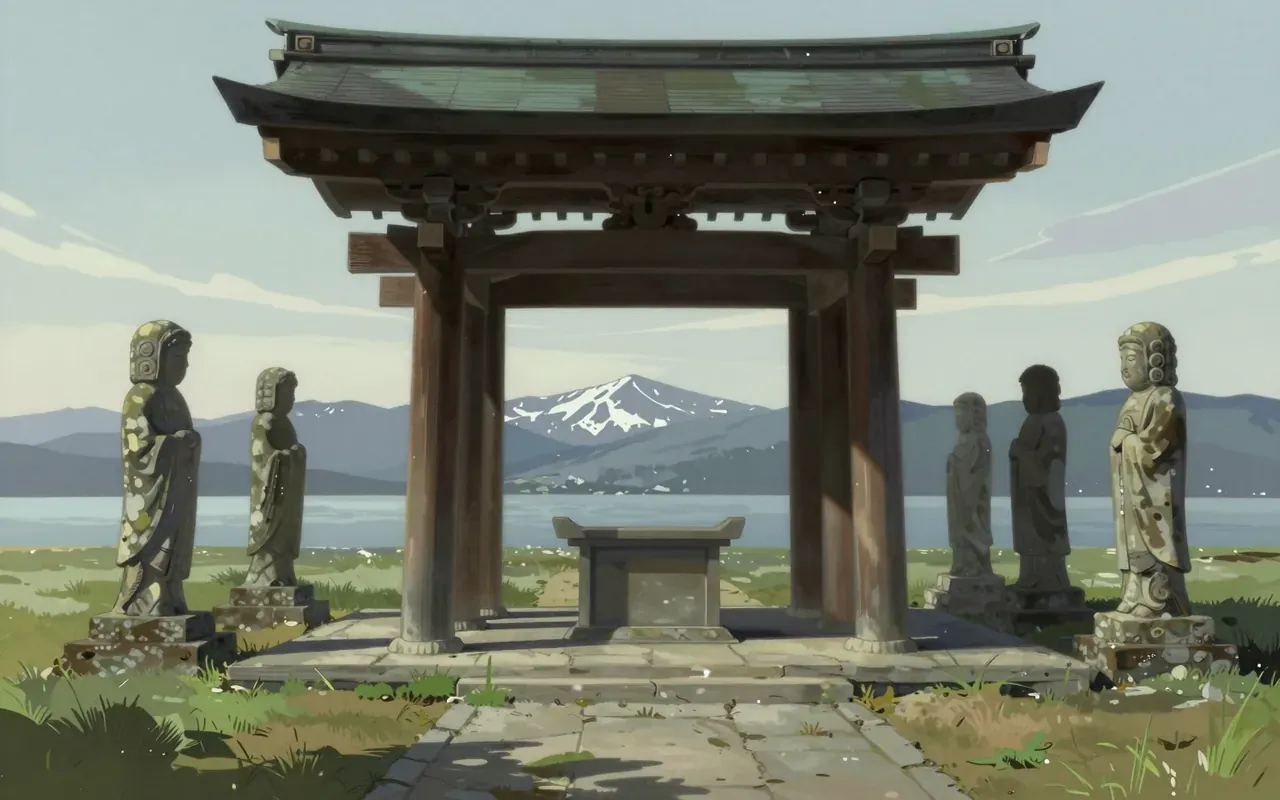
What the game is
A third-person action-adventure built around sixteen large-scale boss encounters in a seamless open world. It was directed and lead-designed by Fumito Ueda at Sony Computer Entertainment’s Japan Studio. Its structure is cyclical, minimal, and mechanic-first—designed under PlayStation 2 hardware constraints that forced reduction: from 48 planned colossi to 16, and no day/night cycle.
How it actually plays
You begin each cycle at the Shrine of Worship. You raise Wander’s sword in sunlight to catch and direct light toward the next colossus. You ride Agro across a seamless open world, but terrain forces detours—ravines, cliffs, ruins—so paths are rarely direct. When you reach a colossus, you must spot its glowing sigil using the sword’s reflection, then climb its fur or ledges while it thrashes. Stamina depletes as you grip and reposition. You strike the sigil. You repeat.
What works
The sword-light mechanic turns environment into interface. Scaling each colossus demands real-time spatial reasoning—reading fur density, ledge placement, and creature motion as physics puzzles. The ‘design by subtraction’ approach—sparse landscapes, overexposed light, minimalist story—focuses attention on weight, scale, and consequence. Every encounter feels authored, not procedural.
What does not
It withholds explanation, context, and variation. There are no side quests, no NPCs, no dialogue beyond whispers. The world is sparse by design—but that sparseness becomes oppressive when stamina fails mid-climb, or when the same traversal loop repeats without mechanical evolution. It offers no recovery from failure beyond restarting the climb.
Who it is for, and who it is not
It is for players who value deliberate pacing, environmental storytelling, and systems that respond physically—not narratively—to input. It is not for players who rely on HUD cues, frequent save points, or escalating combat variety. It assumes willingness to sit with silence, repetition, and ambiguity.
Is it worth your time
Yes—if you want a game that asks you to read space, time movement, and physics as language. It rewards patience, observation, and physical intuition over reflex or inventory management. It is not for players who need constant feedback, narrative scaffolding, or mechanical variety between encounters.