What the game is
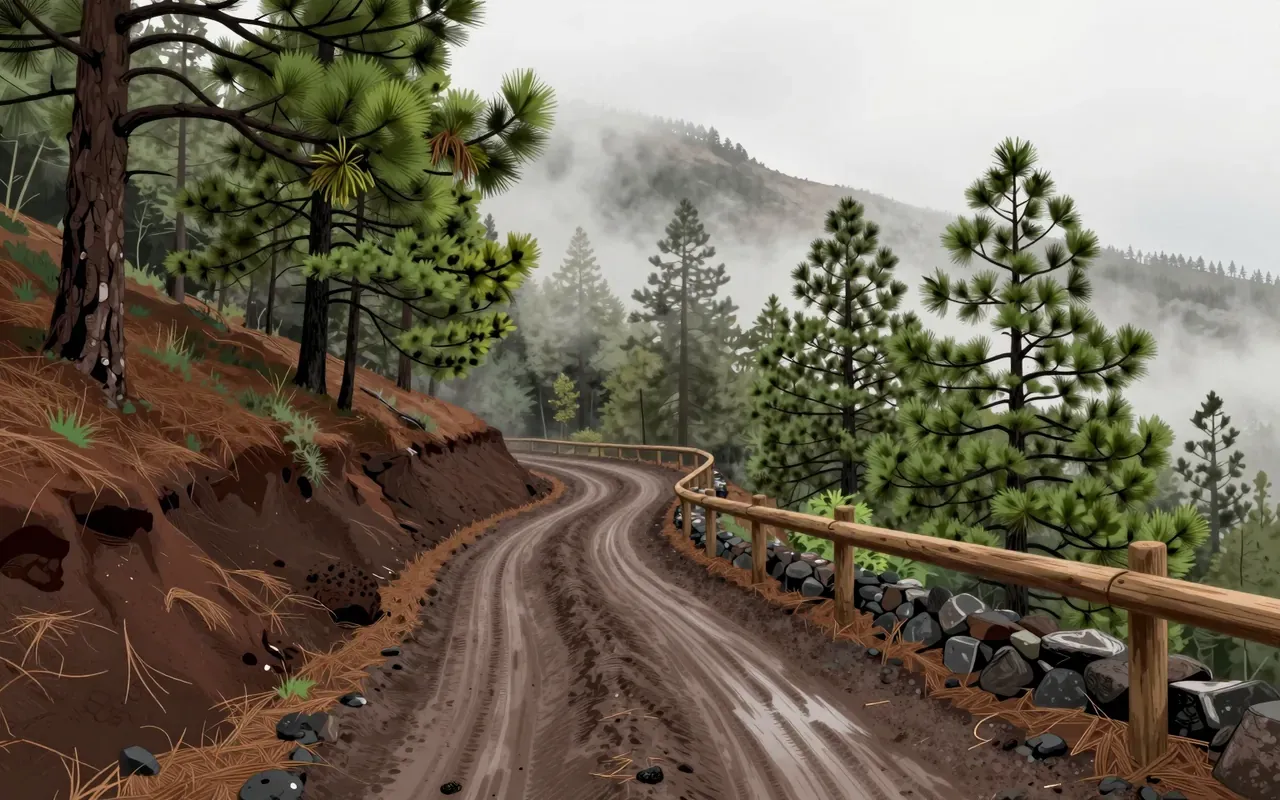
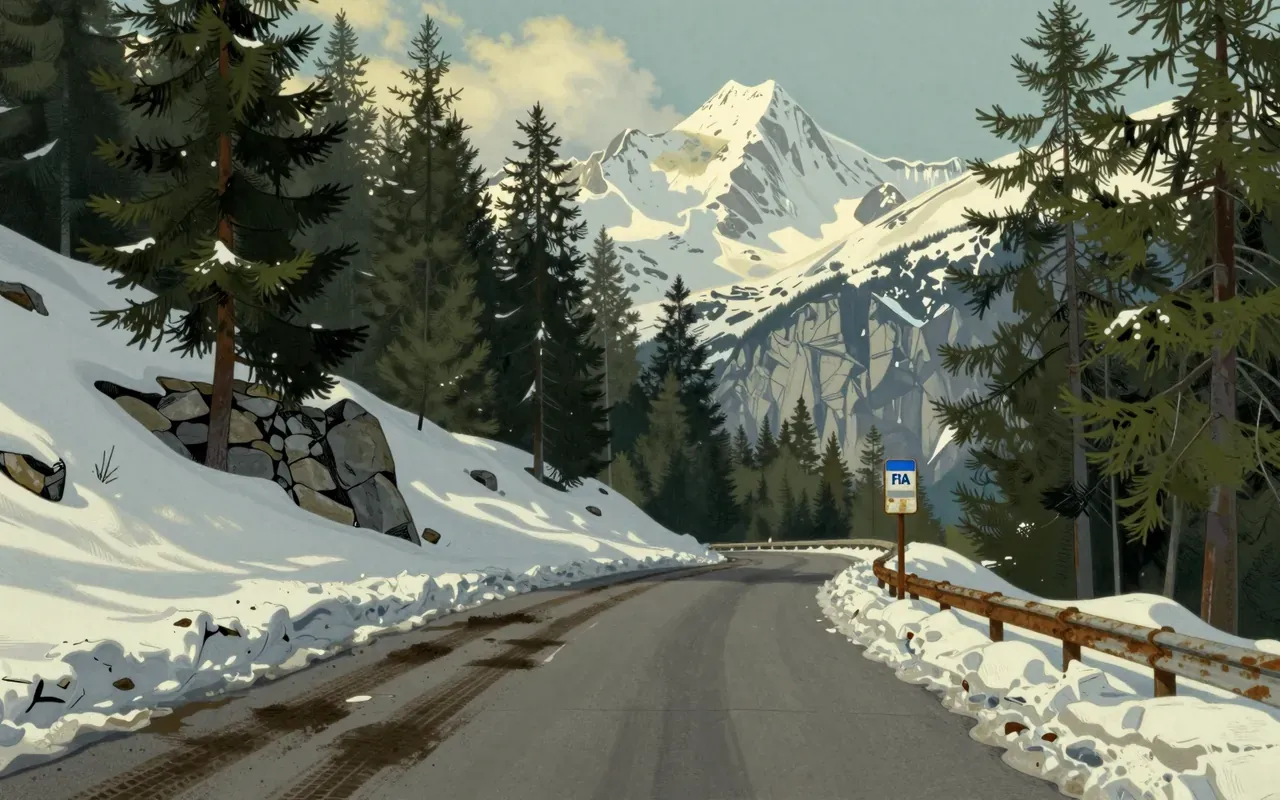
A sim racing game developed by Warthog with input from WRC champion Richard Burns. It simulates both classic and modern rallying using eight cars and thirty-six courses built from on-location scouting across Gateshead forest, Nevada, Canberra, Hokkaido, the French Alps, and the Arctic Circle.
How it actually plays
It asks you to read the road, not the map. You drive blind into corners, braking late on cambered gravel, correcting slides with throttle and weight transfer — not reflexes. The physics engine gives no forgiveness for misjudged entry speed or poor line choice. A session is a sequence of high-stakes reconnaissance: learn the stage by surviving it, then refine. There is no rubber-banding, no assists, no rewind.
What works
The fidelity to real-world surfaces, camber, and road width creates a tactile, spatial intelligence in driving. Feedback from Richard Burns on handling dynamics and from Possum Bourne on the Canberra stages grounds the simulation in lived expertise. The physics engine prioritises reality over accessibility — and it delivers.
What does not
It does not accommodate casual play. There is no tutorial, no dynamic difficulty, no visual or audio cues to guide correction. It withholds hand-holding, context, and recovery — even after crashes that erase minutes of progress.
Who it is for, and who it is not
It is for players who treat driving as a physical discipline — those who study corner entries like chess moves and value precision over spectacle. It is not for players who rely on UI prompts, forgiving controls, or narrative scaffolding.
Is it worth your time
Yes — if you want to feel what rally driving demands, not just watch it. It is not worth your time if you expect progression, feedback, or pacing that accommodates learning curves.