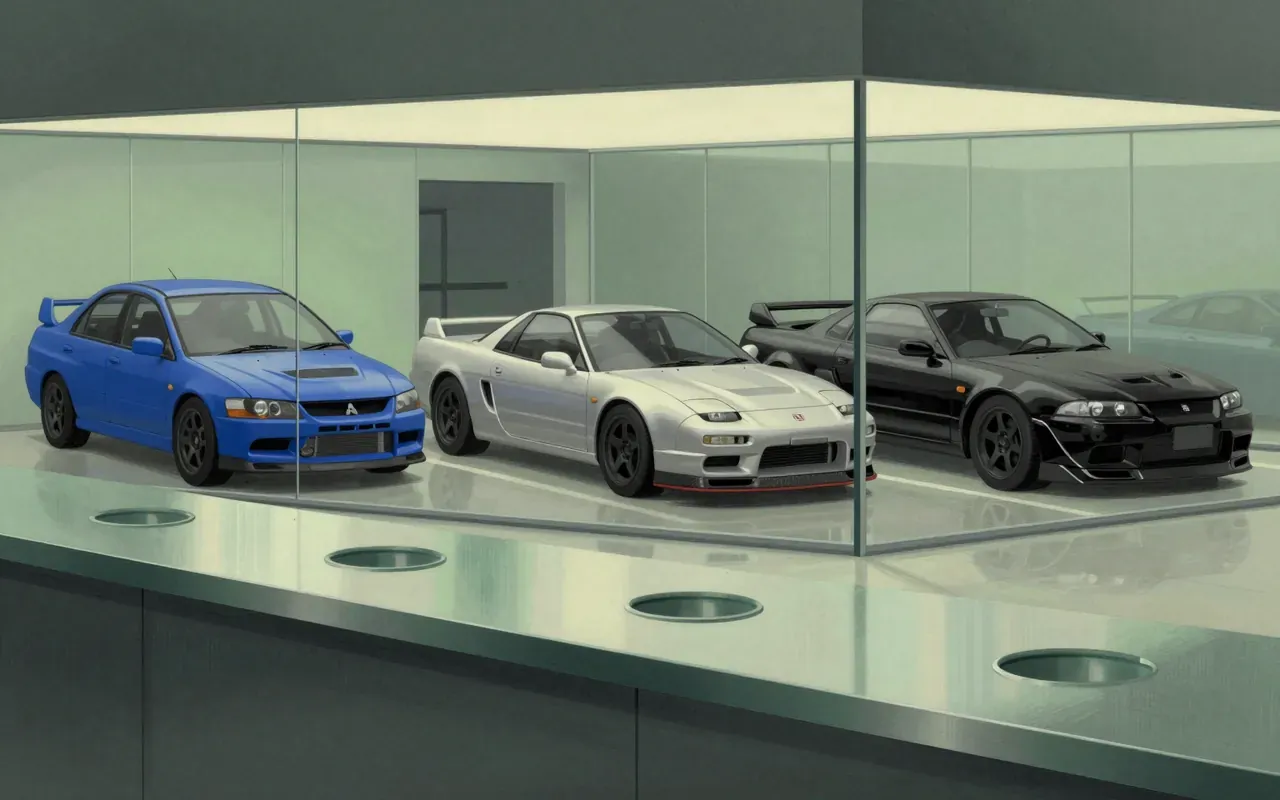
Gran Turismo 3: A-Spec
Polyphony Digital · 2001
Gran Turismo 3: A-Spec is a PlayStation 2 racing simulator built around linear, tiered progression, realistic driving physics, and graphical fidelity over breadth.
How far the body goes when the mind agrees.
Gran Turismo 3: A-Spec is a PlayStation 2 racing simulator built around linear, tiered progression, realistic driving physics, and graphical fidelity over breadth.
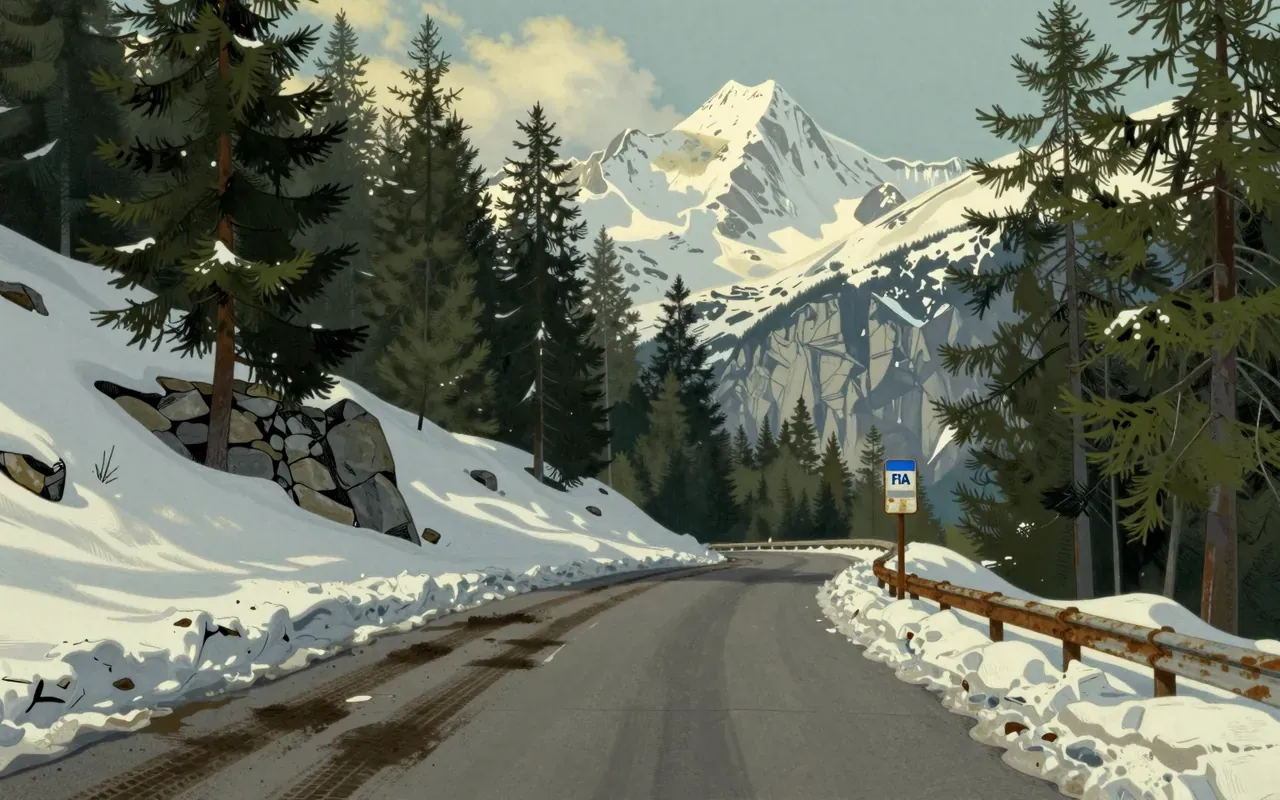
Richard Burns Rally is a sim racing game developed by Warthog and published by SCi in 2004. It features eight cars and thirty-six rally stages modelled from real locations including Gateshead forest, Nevada, Canberra, Hokkaido, the French Alps, and the Arctic Circle. Its defining trait is an uncompromising physics engine shaped by on-location scouting, precise measurement of road width, camber and texture, and direct input from rally drivers Richard Burns and Possum Bourne. It simulates both classic and modern rallying, and is defined by high difficulty—not as a flaw, but as a consequence of its fidelity-first design.
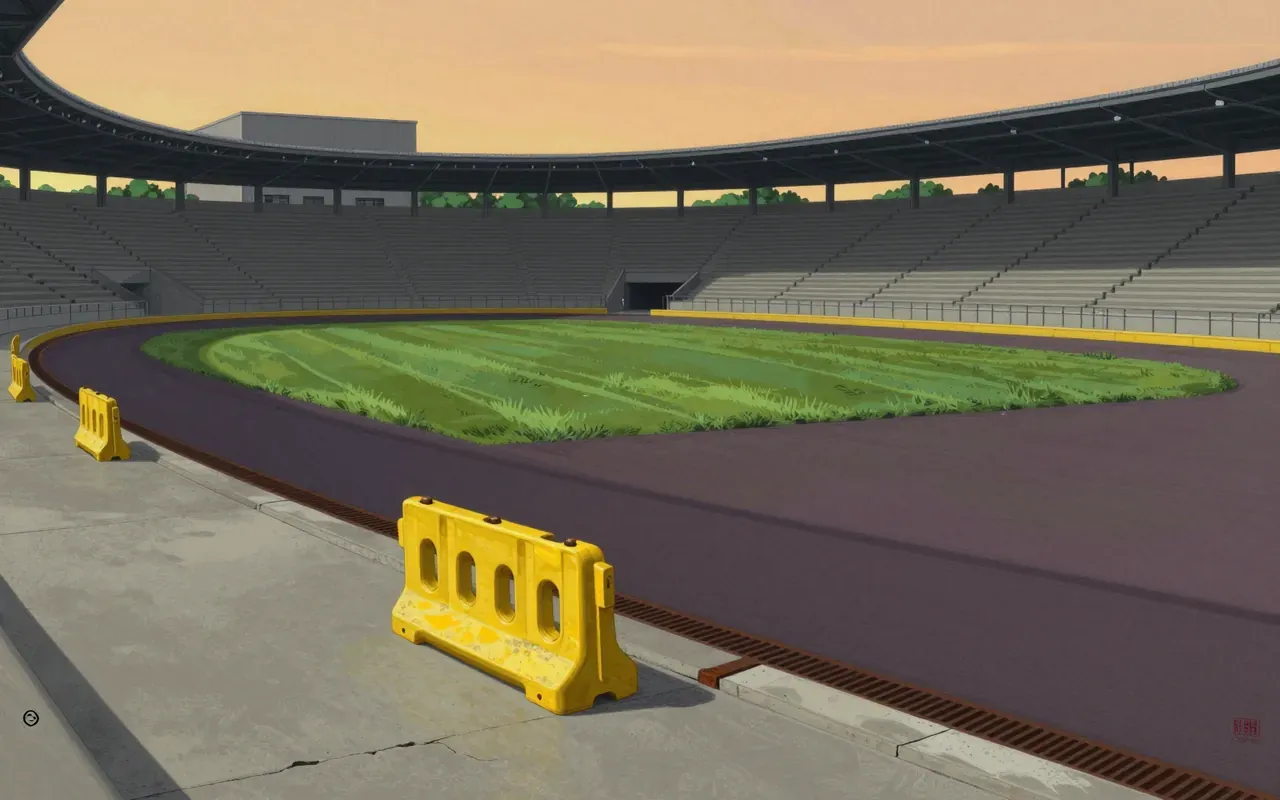
TrackMania Nations is a deliberately constrained 2006 arcade racer. It removes collision, car choice, and environmental variety to focus entirely on solo time-attack precision. Its loop is simple: run, fail, restart, refine. It asks for repetition, spatial memory, and fine motor control — nothing more, nothing less.

Diablo II is a rigid, act-locked RPG where procedural generation serves narrative containment — not freedom. Its power lies in enforced repetition across escalating difficulty tiers, each demanding full completion before unlocking the next. It asks for time, patience, and tolerance for systemic friction. It gives back loot, clarity, and a sense of earned scale — nothing more, nothing less.
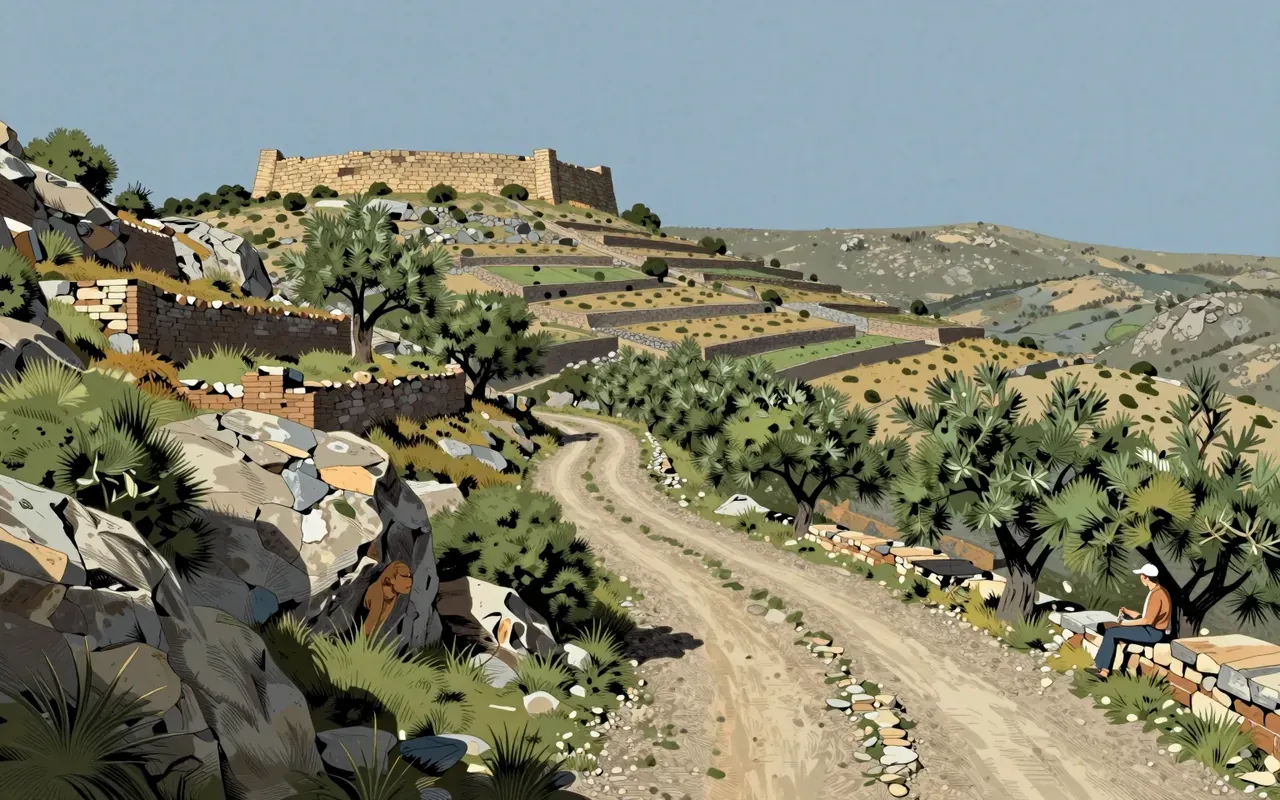
Dirt Rally is a focused, unforgiving rally simulation that replaces spectacle with consequence. It demands repetition, observation, and adaptation—not reflexes or narrative. Its strength is in its specificity: real locations, real cars, real weather, real penalties. Its limit is in what it refuses to offer: accessibility, explanation, or compromise.
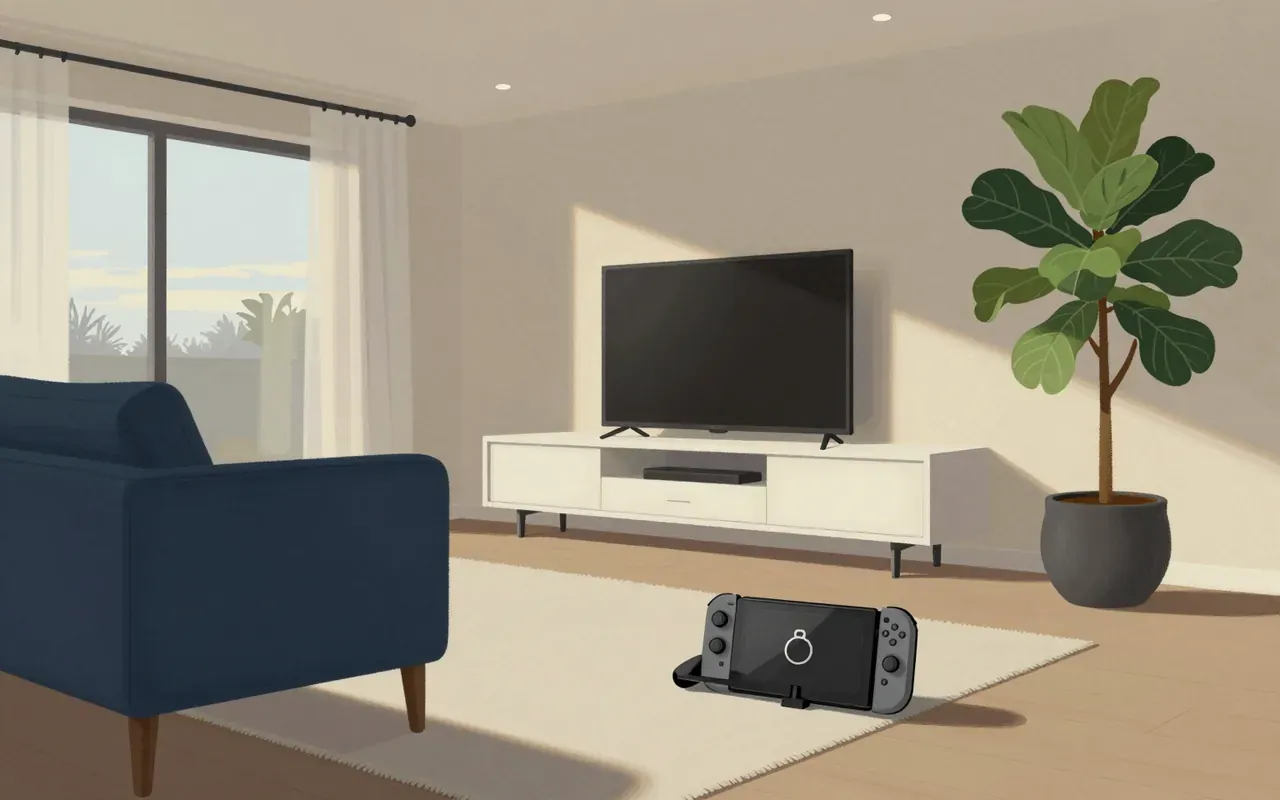
Ring Fit Adventure is an exercising role-playing video game developed and published by Nintendo for the Nintendo Switch. It requires two physical components—the Ring-Con and the Leg Strap—to translate real-world movement and strain into in-game actions. Its main mode is a turn-based RPG where overworld navigation (running in place, jumping via Ring-Con squeeze-and-release) and combat (exercise-based attacks, abdominal press defence) are fully dependent on those accessories. Exercises are colour-coded by target muscle group: red for arms, blue for legs, yellow for core, green for yoga. The design prioritises embodied routine over mechanical depth or narrative ambition.
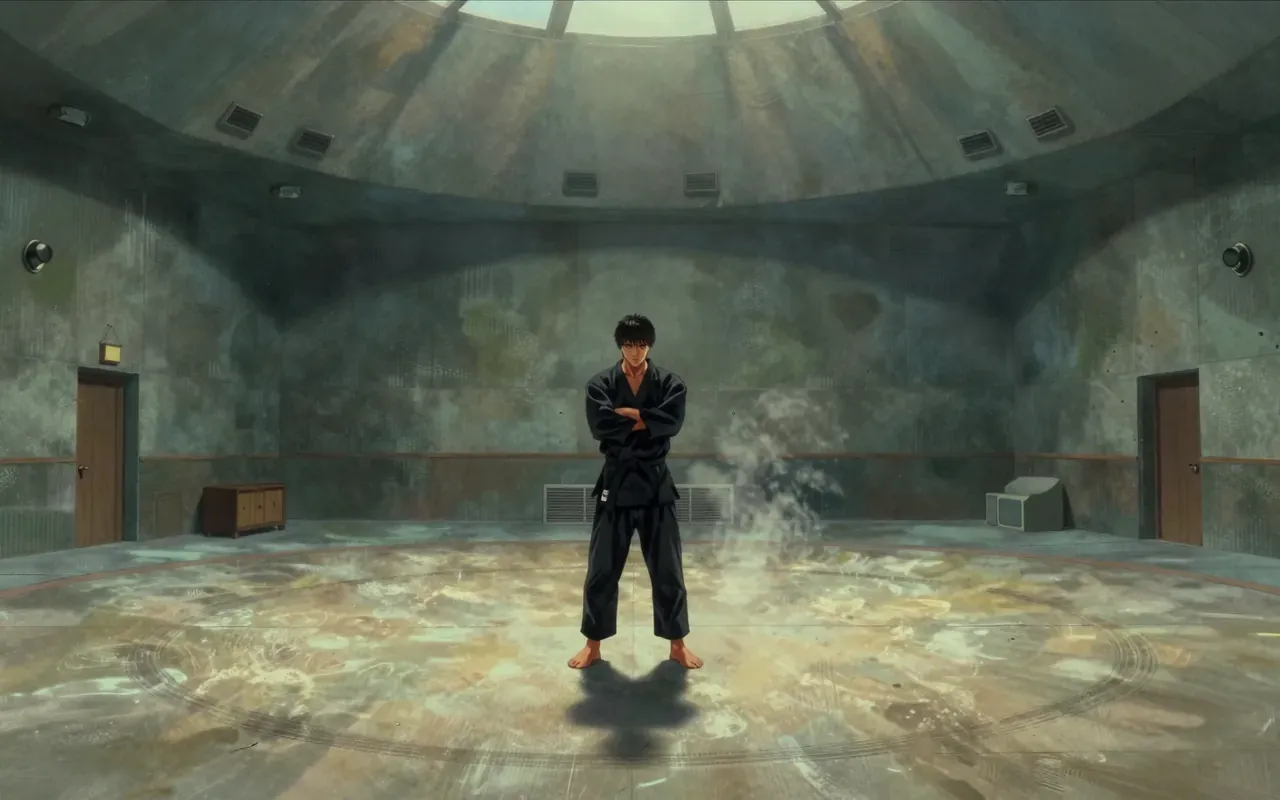
Tekken 2 refines the original's 3D fighting mechanics with new defensive and movement options—attack reversals, back throws, chain-throws, and character-specific sidesteps—while retaining the infinite plane and four-button layout. Its home console version adds structured training and endurance modes (Survival, Team Battle, Time Attack, Practice) with health carryover systems that shape long-session play. Unlock progression ties directly to Arcade Mode completion, and hardware constraints shaped the PlayStation port's development focus.
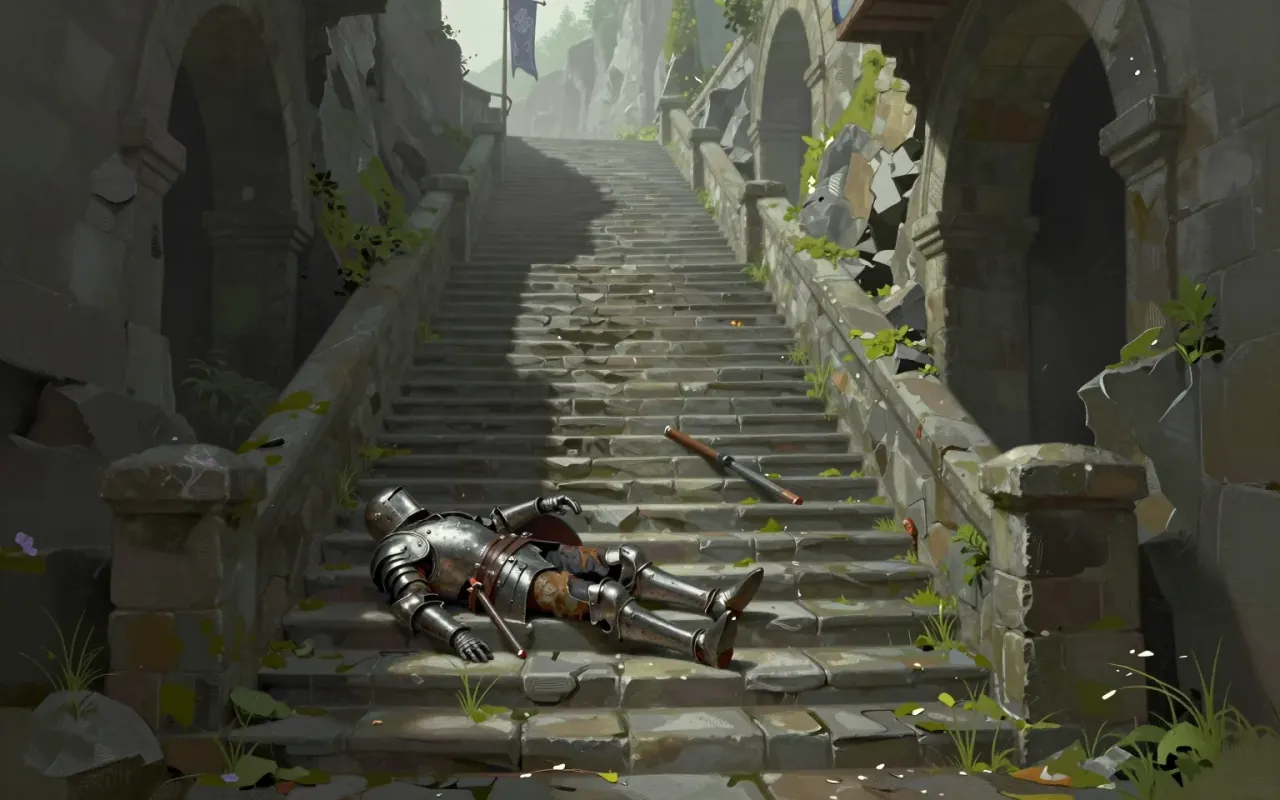
A precise, unforgiving action-RPG where every decision carries weight, every death has consequence, and every bonfire is both sanctuary and checkpoint.
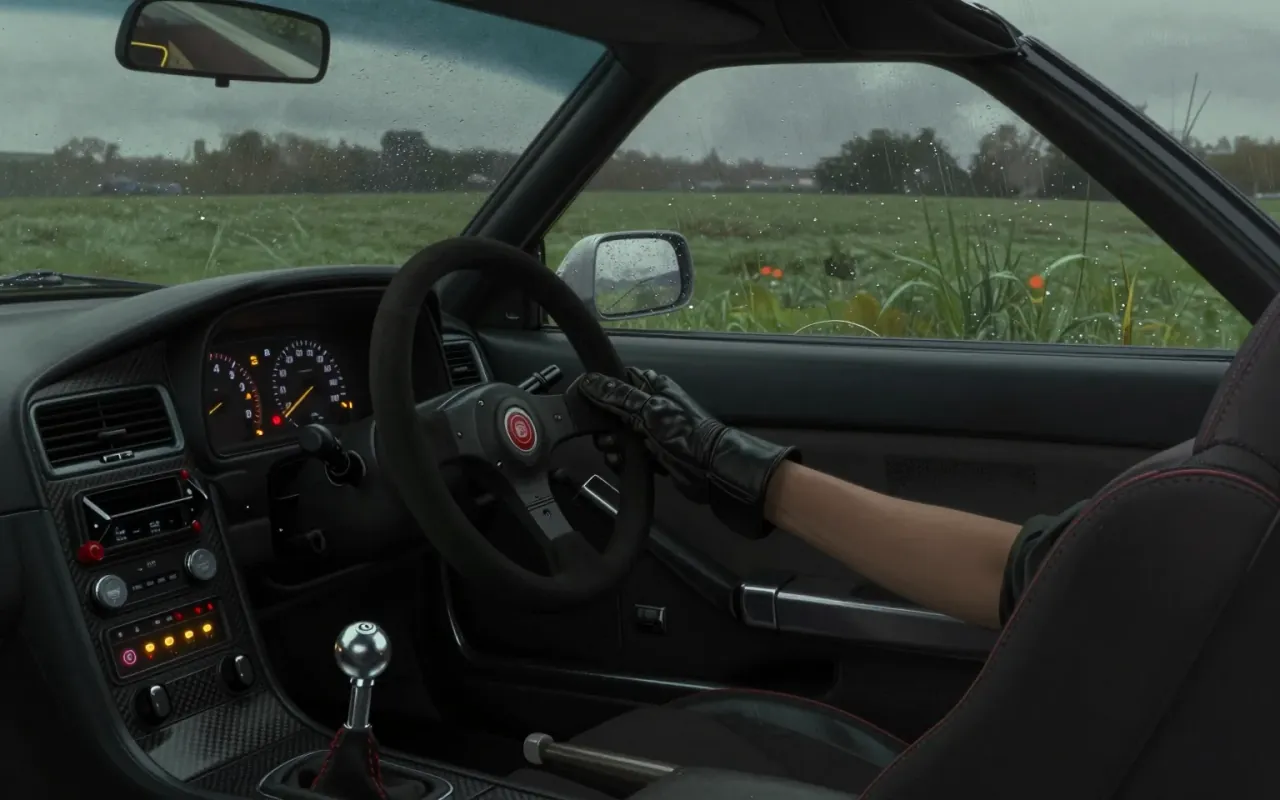
Gran Turismo 4 is a PlayStation 2 sim racing title by Polyphony Digital. It features A-Spec (first-person racing with experience-based progression), B-Spec (AI-directed crew-chief mode), Driving Missions, Photo Mode, and Nissan collaborations including the Fairlady Z NISMO S-Tune Concept and Z-Tune 350Z. It lacks online play at launch and uses reactive-only damage.
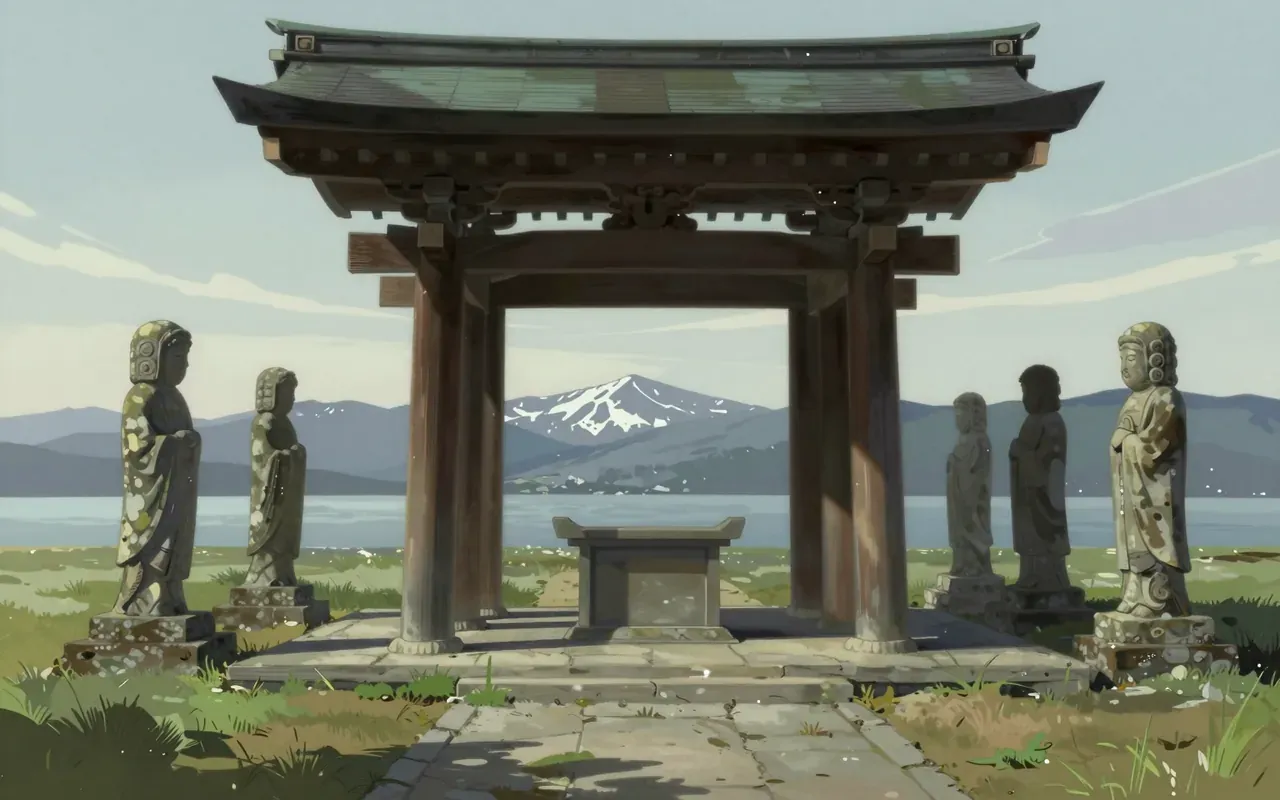
Shadow of the Colossus is a third-person action-adventure built around sixteen large-scale boss encounters in a seamless open world. It was directed and lead-designed by Fumito Ueda at Sony Computer Entertainment’s Japan Studio. Its structure is cyclical, minimal, and mechanic-first—designed under PlayStation 2 hardware constraints that forced reduction: from 48 planned colossi to 16, and no day/night cycle.