What the game is
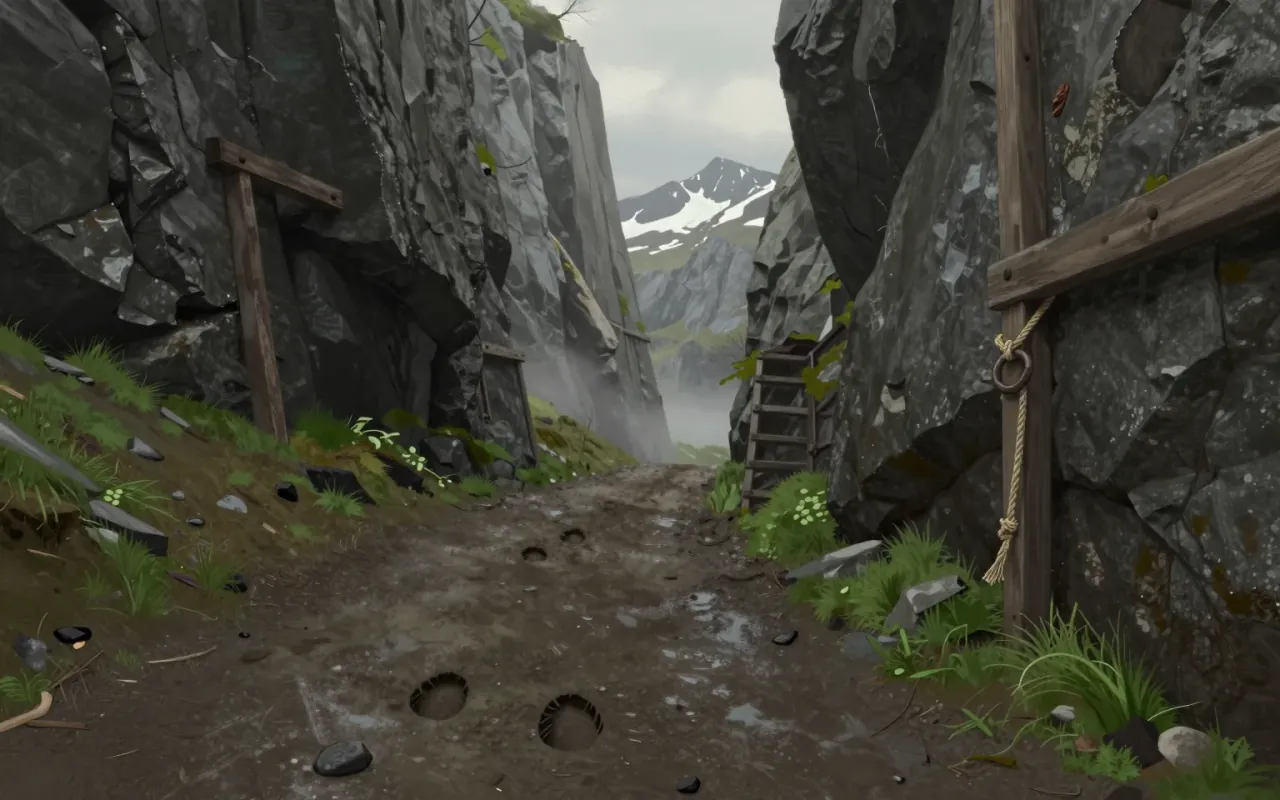
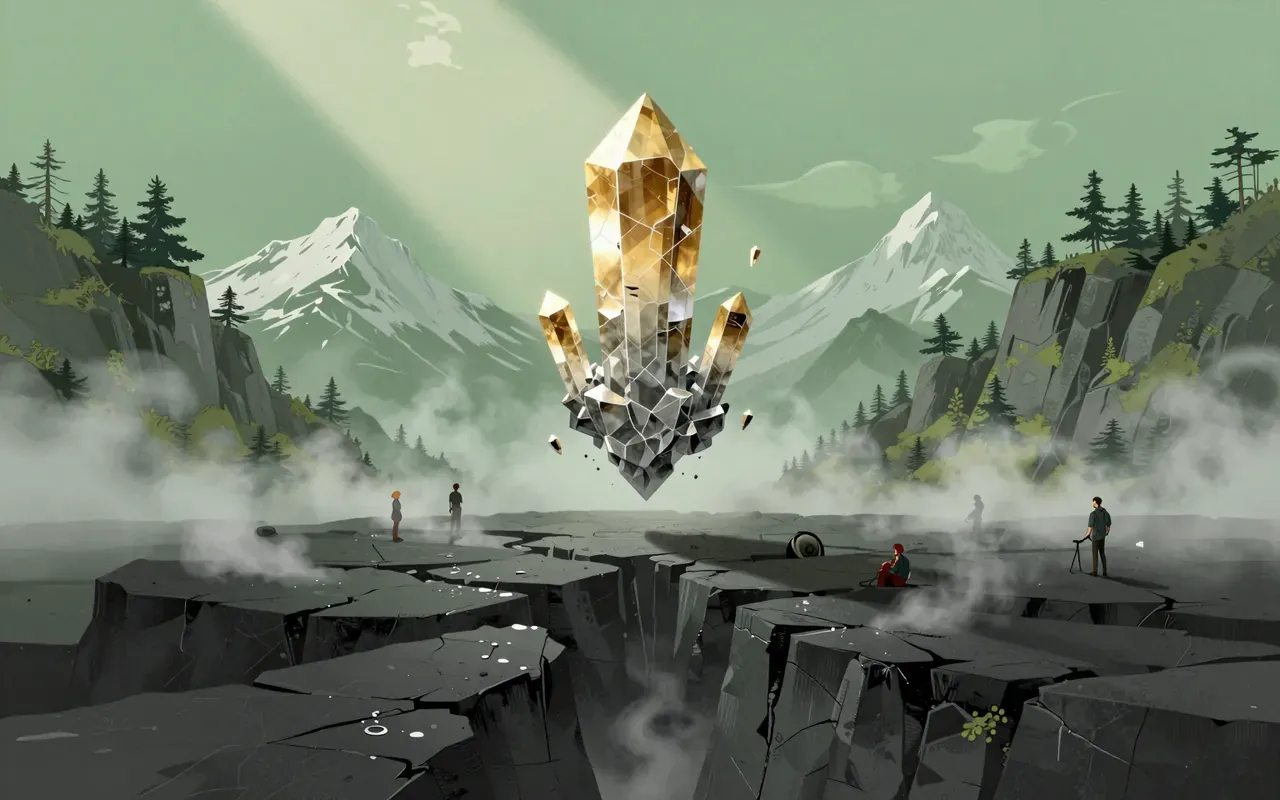
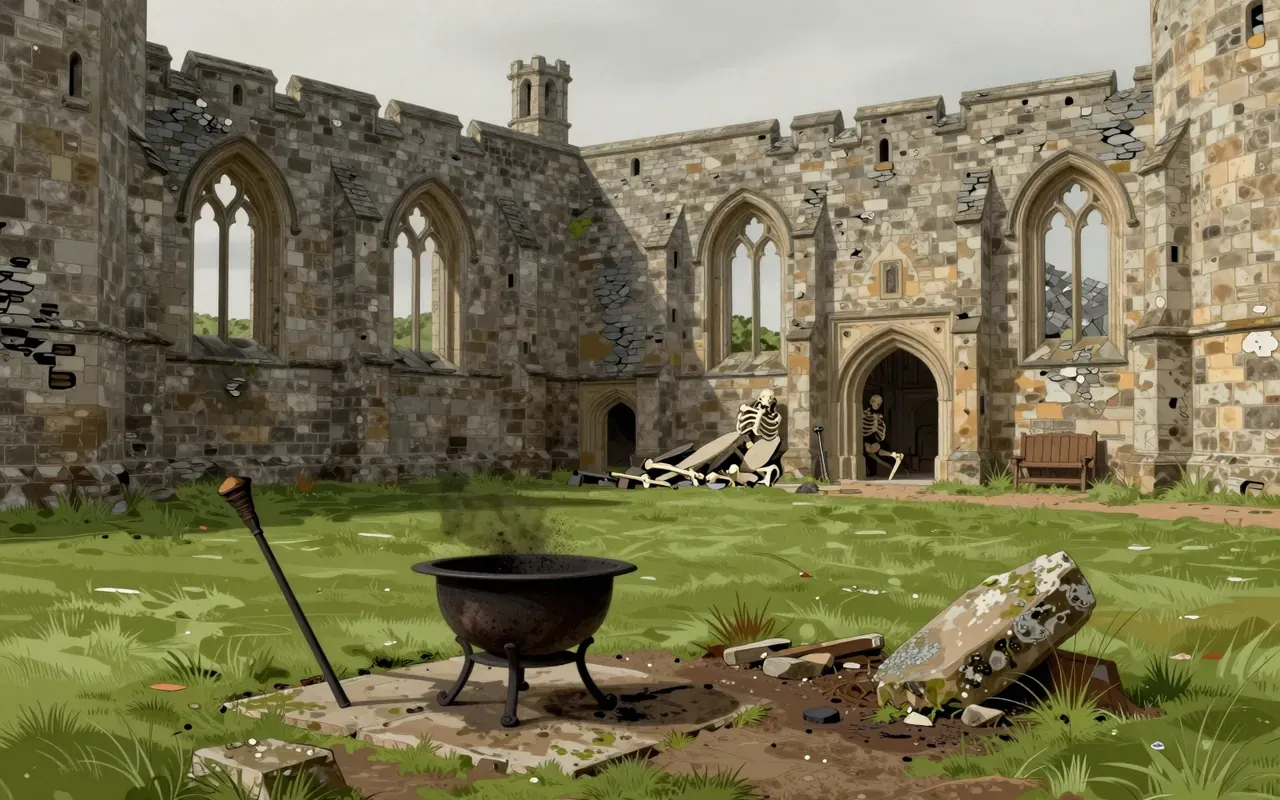
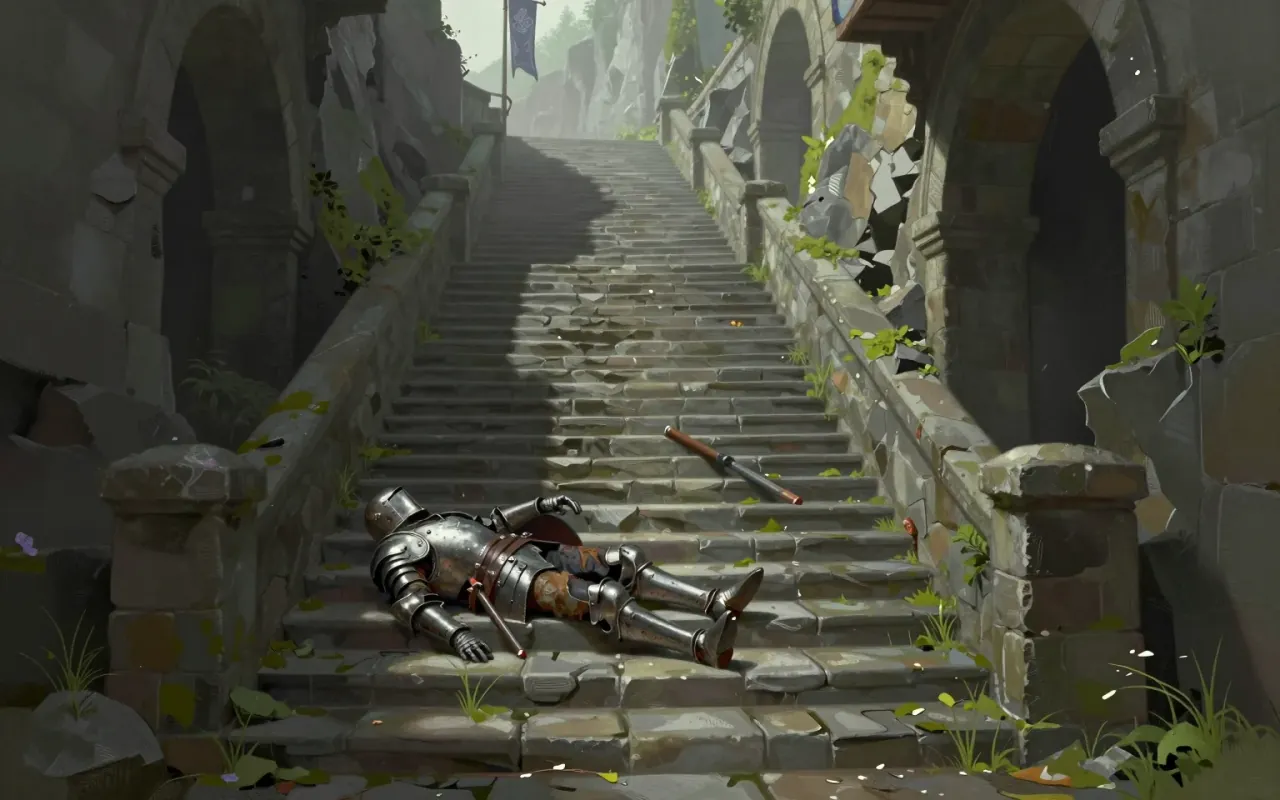
Dark Souls III is a third-person action role-playing game released in 2016. It is the third entry in the Dark Souls trilogy. Players control a customisable character who explores interconnected areas, fights enemies and bosses, and rests at bonfires — checkpoints that reset enemies and enable progression.
How it actually plays
Combat is a stamina-and-FP-managed loop: attack, dodge-roll, block or deflect, then recover. Each action drains stamina; magic and Skills cost FP. Death drops souls at the corpse; retrieving them requires replaying the same stretch without dying again. Bonfires reset enemies but serve as save points and upgrade stations. Exploration is linearly gated but spatially interwoven — areas loop back, shortcuts open, and verticality matters.
What works
The soul-based economy creates immediate stakes: every death risks permanent loss of progress. Weapon and shield Skills add tactical texture without breaking balance. Environmental storytelling rewards observation over exposition. The bonfire system structures play into discrete, replayable sessions — each ending either in triumph or a return to the corpse.
What does not
It does not explain its world through dialogue or cutscenes. It does not scale difficulty dynamically. It does not let you skip bosses or bypass environmental hazards. It does not separate progression from risk: levelling up requires returning to a bonfire, often across hostile ground.
Who it is for, and who it is not
It is for players who value deliberate, consequence-driven action and derive satisfaction from mastering systems rather than story beats. It is not for players who expect clear objectives, forgiving recovery windows, or explicit guidance on how to proceed.
Is it worth your time
Yes — if you want a tightly wound, punishing action-RPG where every encounter demands attention to timing, positioning, and resource economy. No — if you seek narrative exposition, hand-holding, or combat that forgives hesitation.