What the game is
Dark Souls (2011) is a third-person action role-playing game and the first entry in a trilogy. It defines the Soulslike subgenre through high difficulty, environmental storytelling, and an interconnected world governed by deliberate, iterative gameplay.
How it actually plays
The player explores Lordran, a single interconnected world divided into distinct regions linked by unlockable shortcuts. Areas support multiple routes, but some paths require prerequisites. Progress depends on iterative learning—enemy placement, attack patterns, and alternative routes—through repeated, cautious attempts. Combat integrates melee and ranged weapons, defensive options (block, dodge roll, backstep, parry), and magic categories (sorceries, miracles, pyromancies) with limited uses restored only at bonfires. Bonfires serve as checkpoints and hubs: resting restores health and Estus Flask charges, enables leveling up, magic attunement, and equipment repair or upgrading—but also respawns most enemies. Souls function as both currency and experience; death drops them at the bloodstain, recoverable only by returning before dying again.
What works
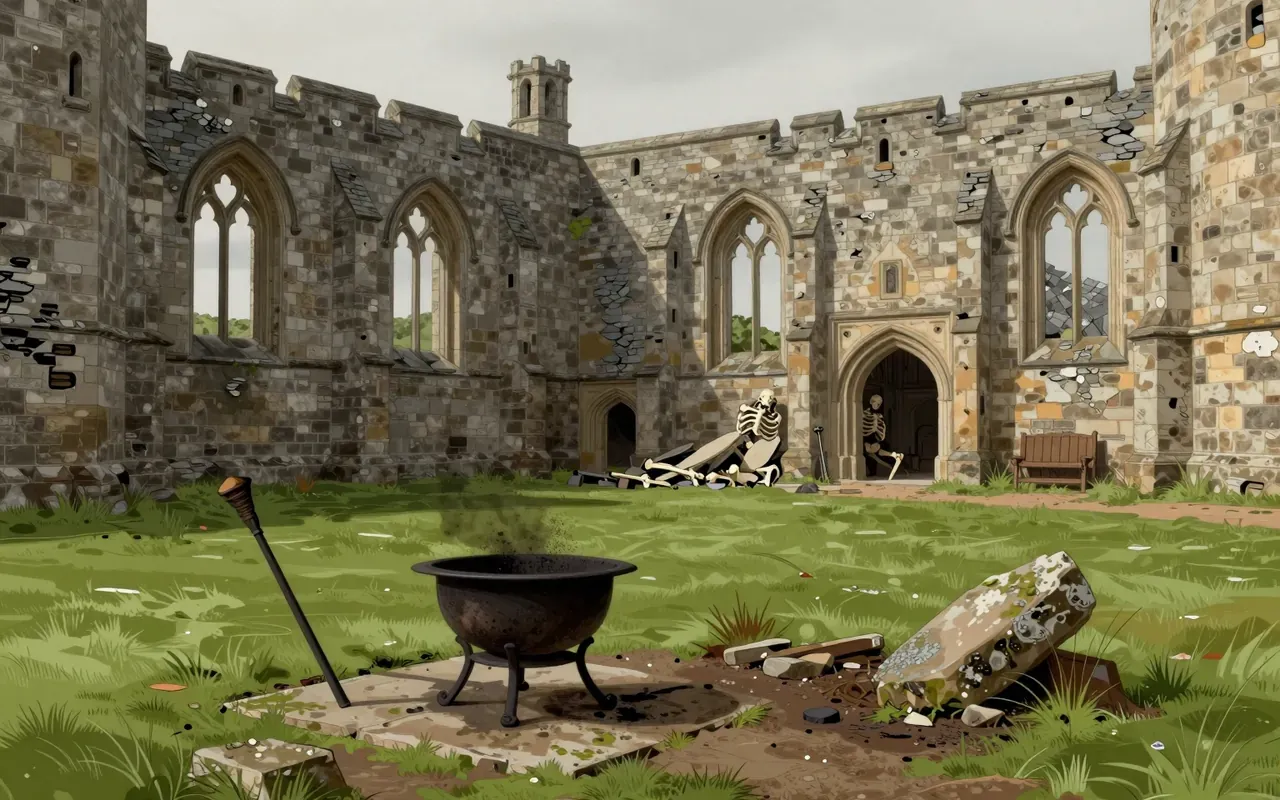
Its loop—explore, learn, die, adapt, return—is tightly enforced by bonfire-based progression, soul-based economy, and enemy respawning. The interconnected world rewards spatial memory and route optimisation. Magic’s per-spell usage limit forces meaningful attunement choices. Online interactions are embedded, not bolted on: messages warn, co-op shares risk, invasions disrupt—none require menus or lobbies. Environmental storytelling works because the world’s layout, architecture, and enemy placement imply history without stating it.
What does not
It does not accommodate players who dislike high-stakes resource loss or non-recoverable progress setbacks. It offers no difficulty adjustment, no skipable content, no narrative exposition outside environmental cues. Its online systems—messages, co-op, invasions—are asynchronous and unmoderated; they shape experience but do not explain it. Its world tells stories through decay and placement, not dialogue or cutscenes—and gives no guidance on how to read them.
Who it is for, and who it is not
It is for players who treat games as systems to master, not stories to consume. It is for those who find clarity in repetition, satisfaction in small route unlocks, and meaning in unspoken world logic. It is not for players who expect narrative clarity, scalable challenge, or frictionless progression. It is not for those who dislike losing hard-earned resources or navigating ambiguity without instruction.
Is it worth your time
Yes—if you want to invest time in learning systems, not just executing them. It demands patience, pattern recognition, and tolerance for repetition. It does not scale difficulty or offer hand-holding. It rewards observation, restraint, and spatial memory—not reflexes alone. It is worth your time only if you accept that failure is the primary teaching tool, and recovery is never guaranteed.