What the game is
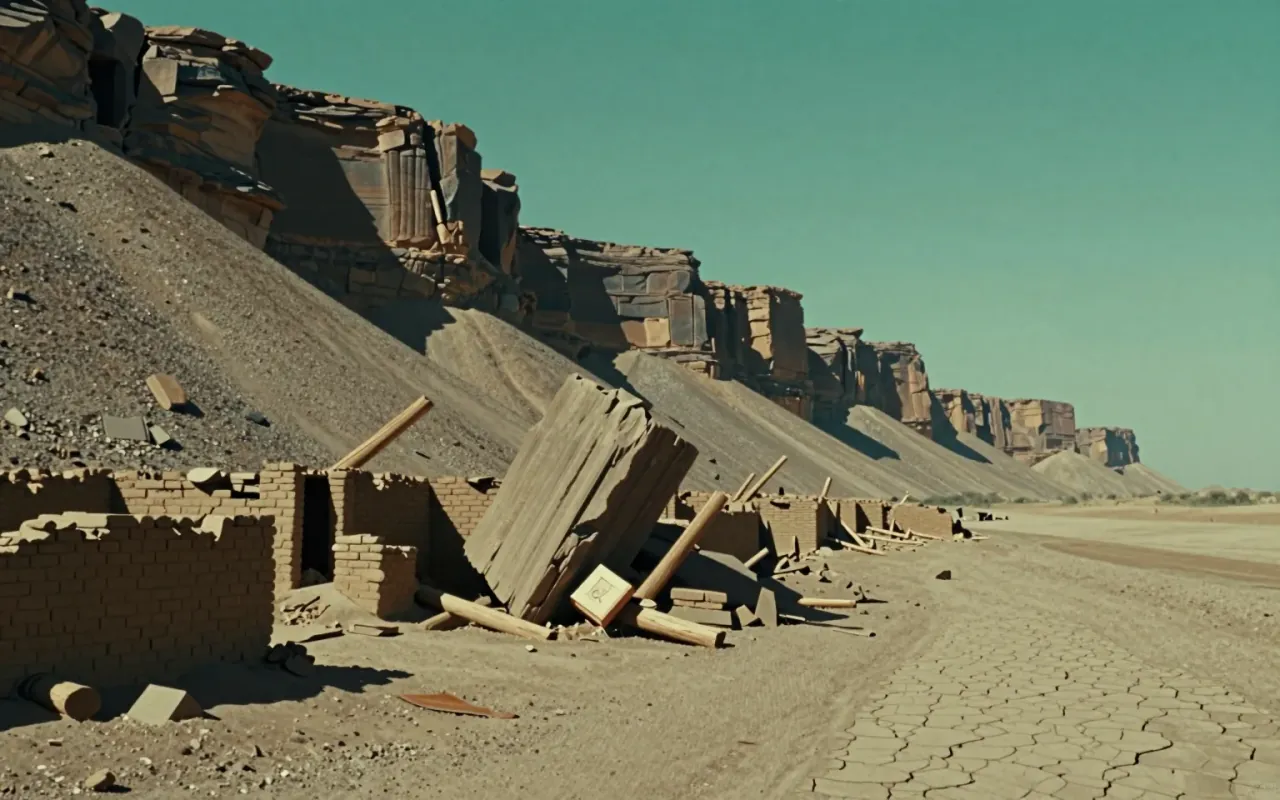
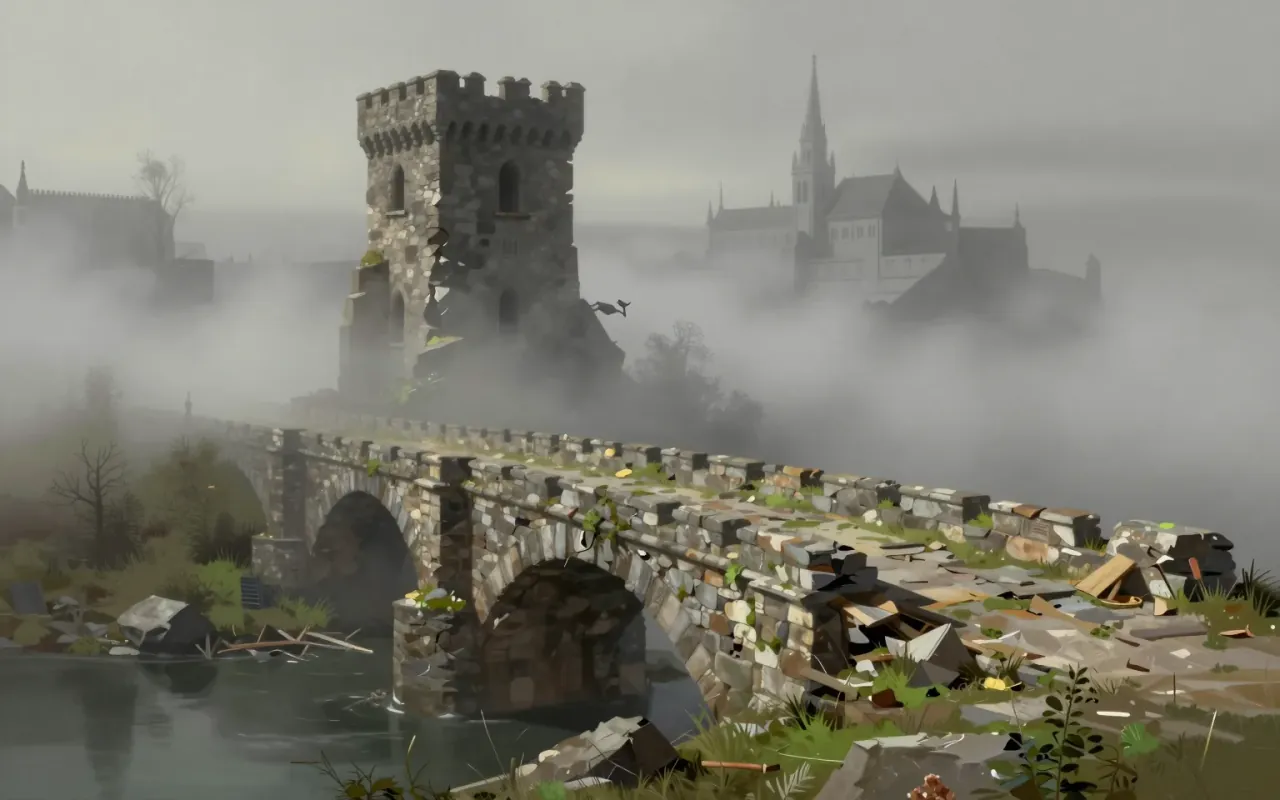
Demon’s Souls is a 2009 action role-playing game by FromSoftware set in the cursed land of Boletaria. Players customise their adventurer’s sex and appearance at the start; those choices affect gameplay stats. A starting class influences initial stats but can be overwritten through stat investment and weapon choice. The world is structured around the Nexus hub and five segmented worlds, each subdivided into areas ending in boss fights.
How it actually plays
Combat demands precise timing for strikes and blocks. Stamina drains with most actions, forcing players to pace attacks and dodges. Weapon type dictates movement speed and combat options. Souls act as both XP and currency; levelling costs escalate with each investment. Death drops all unspent Souls and halves maximum HP until retrieved from a bloodstain. Worlds are segmented: Nexus hub plus five worlds — World 1 has four areas, the rest three — each ending in a boss. Asynchronous multiplayer ghosts, messages, co-op summons, and invasions are baked into progression. World and Character Tendency shift difficulty and rewards based on player behaviour and server-wide activity.
What works
Stamina management forces deliberate, rhythmic combat. Dual-purpose Souls bind progression and economy tightly. Bloodstain retrieval turns death into a spatial memory test. Asynchronous multiplayer embeds community into solo play without requiring coordination. World and Character Tendency make player behaviour structurally consequential—not just cosmetic.
What does not
It does not explain its systems. It does not scale difficulty to player skill. It does not separate progression from risk: losing Souls means losing both power and purchasing power. It does not clarify how Tendency works beyond vague environmental cues. It does not let players opt out of asynchronous invasion without disabling multiplayer entirely.
Who it is for, and who it is not
It is for players who treat games as systems to reverse-engineer, not stories to consume. It is for those who value consequence over convenience, and clarity through repetition—not tutorials. It is not for players who need explicit feedback, narrative scaffolding, or fail-safes against frustration.
Is it worth your time
Yes—if you want a game that insists on attention, rewards pattern recognition over reflexes, and treats failure as data, not punishment. It is not worth your time if you expect hand-holding, narrative exposition, or consistent pacing.