What the game is
Elden Ring is an action role-playing game with a third-person open world. Players choose a class at the start, determining spells, equipment, and attributes. They explore freely on horseback, fight enemies with weapons and spells, use stealth, upgrade at sites of grace using runes, and engage in online co-op or PvP.
How it actually plays
Players ride Torrent across six open areas. They enter linear or hidden dungeons. Combat is third-person, melee or ranged, with dodge, block, parry, and spell-casting. Stealth enables non-direct engagement. Sites of grace act as checkpoints for fast travel, attribute upgrades using runes, spell swapping, and Ashes of War management. Death drops unspent runes; a second death forfeits them. Online multiplayer supports co-op boss fights and PvP.
What works
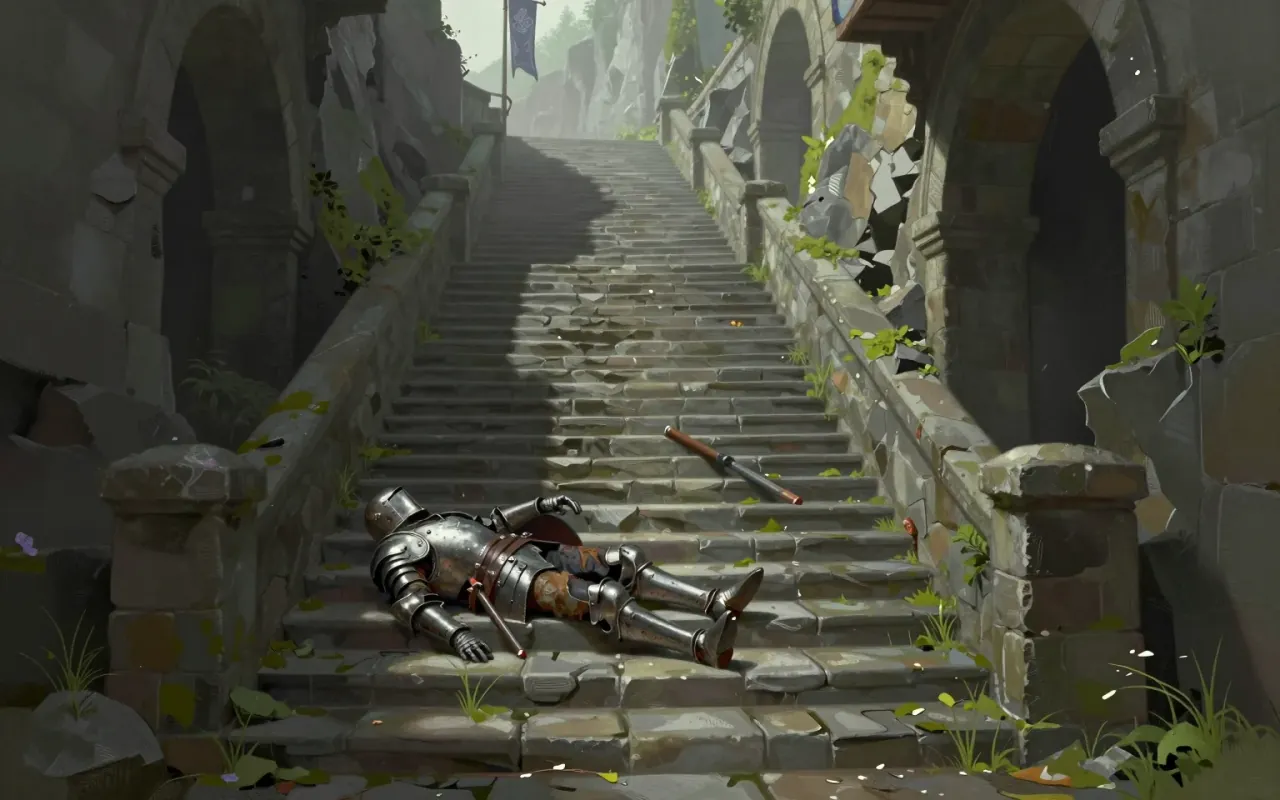
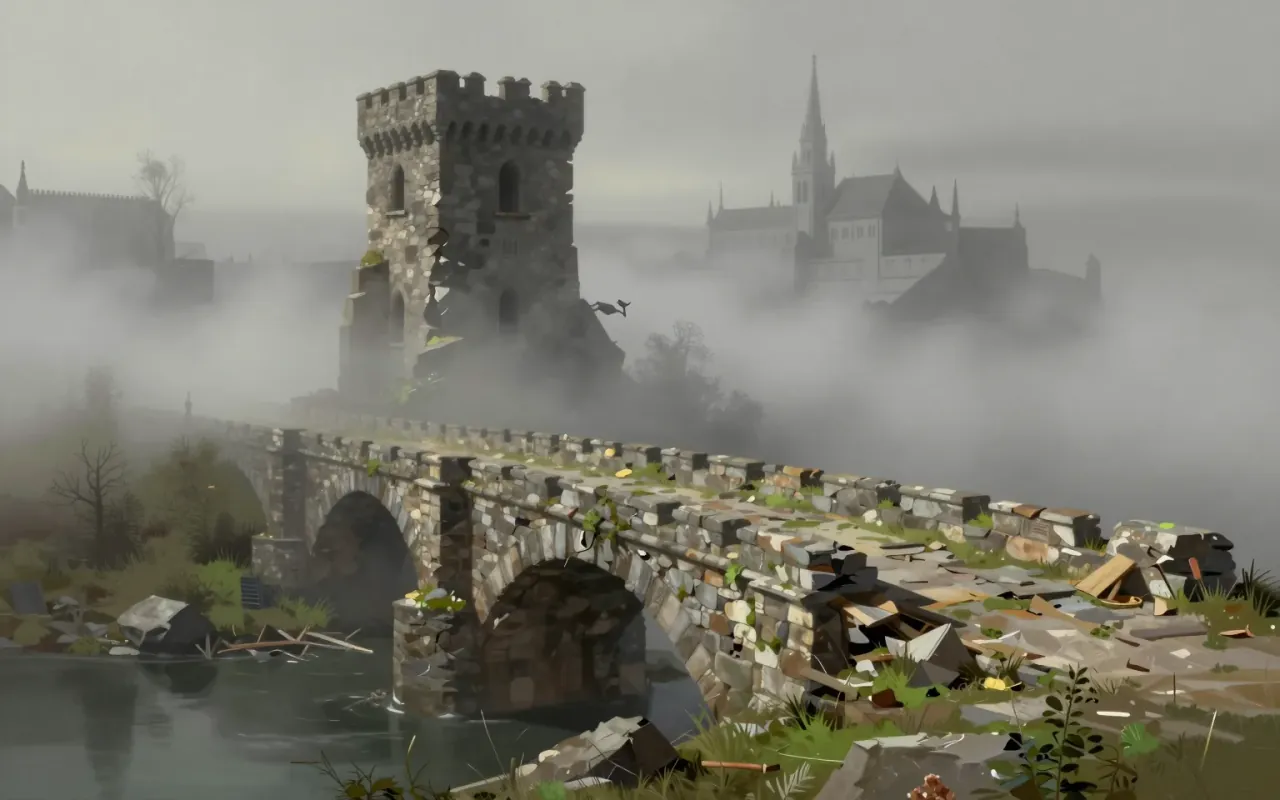
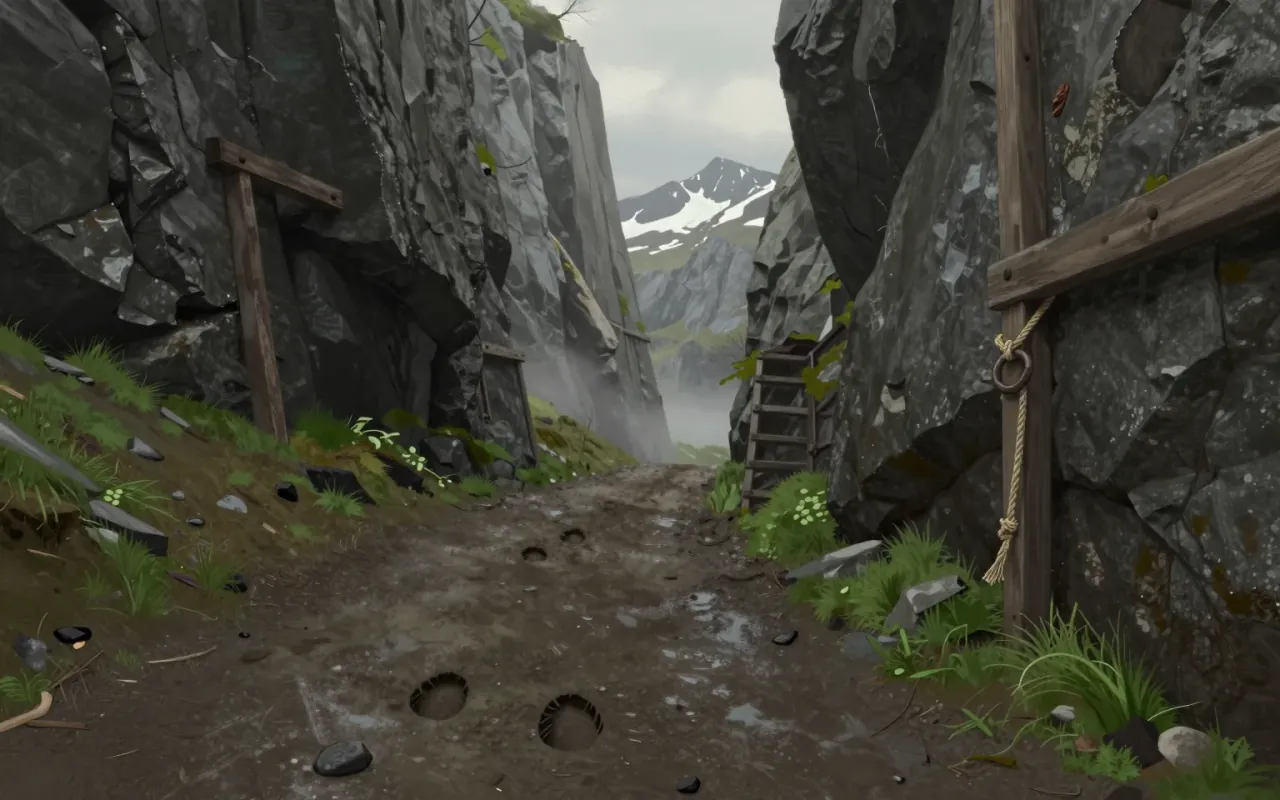
The open world rewards curiosity with verticality, hidden dungeons, and self-directed pacing. Torrent enables rapid traversal that shapes how players read distance and threat. Sites of grace anchor progression without breaking immersion. Environmental storytelling replaces exposition. Crafting, spirit summons, and Ashes of War add modular combat depth without bloating the core loop.
What does not
It does not explain its systems. It does not scale difficulty to player skill. It does not separate exploration from risk—every cliff, fog gate, or distant tower may demand preparation you lack. It withholds context: no quest log, no map markers beyond landmarks, no tutorialised stealth or spirit summon mechanics.
Who it is for, and who it is not
It is for players who treat failure as data, who enjoy reverse-engineering enemy behaviour, and who find satisfaction in unlocking a new path after three deaths. It is not for players who need clear goals, immediate feedback, or systems that telegraph consequences before they land.
Is it worth your time
Yes—if you want to spend evenings learning terrain, testing weapon-spell combinations, and reading environmental cues to survive punishing encounters. It asks for patience, pattern recognition, and tolerance for opaque progression. It does not ask for speed, reflexes alone, or narrative hand-holding.