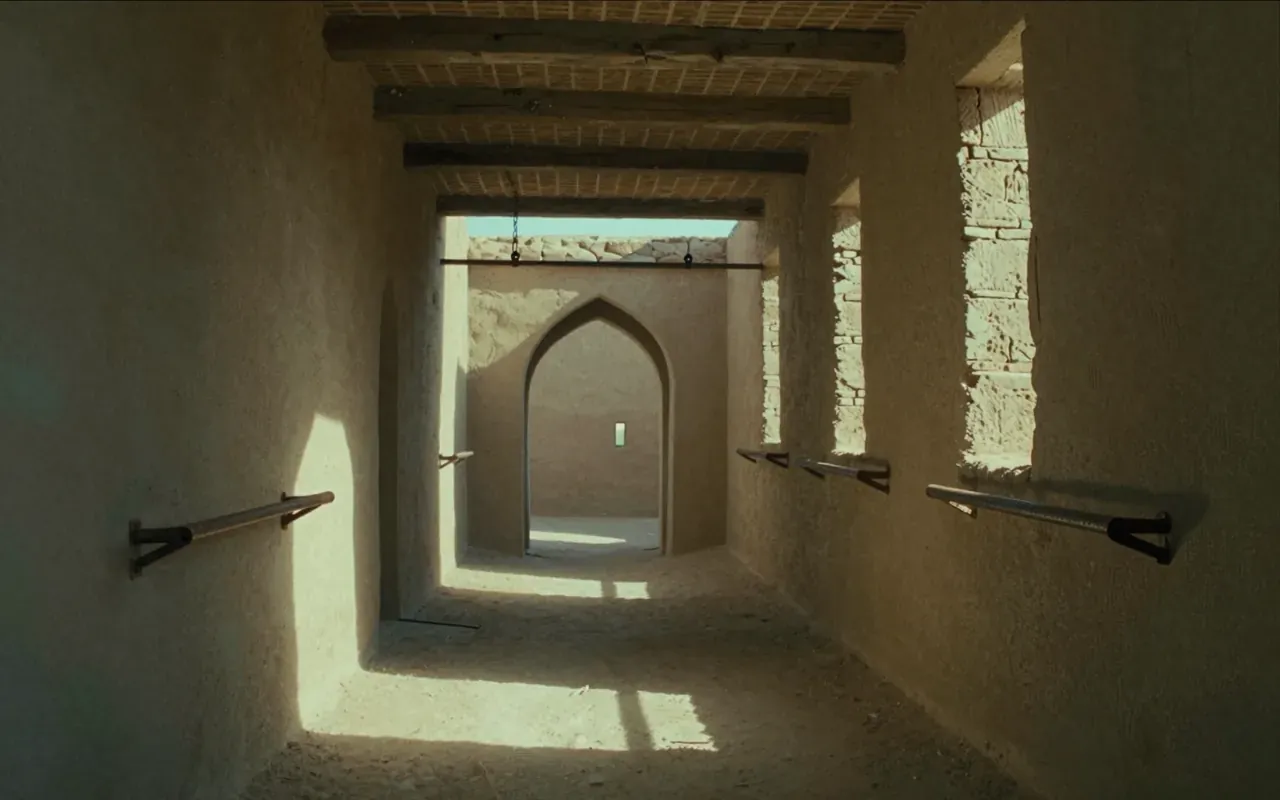
King’s Field III trades responsiveness for scale — and asks you to wait five minutes to kill a rat.
King’s Field III is a foundational FromSoftware RPG from 1996 that prioritises scale and slow-paced first-person exploration over responsiveness. Its overground world is vast. Its combat is lethargic — a melee round against a low-level creature can last up to five minutes. Players teleport between cities via a map screen. It follows King’s Field II (1996) and precedes Echo Night and Shadow Tower (1998). It was developed and published by FromSoftware for PlayStation.
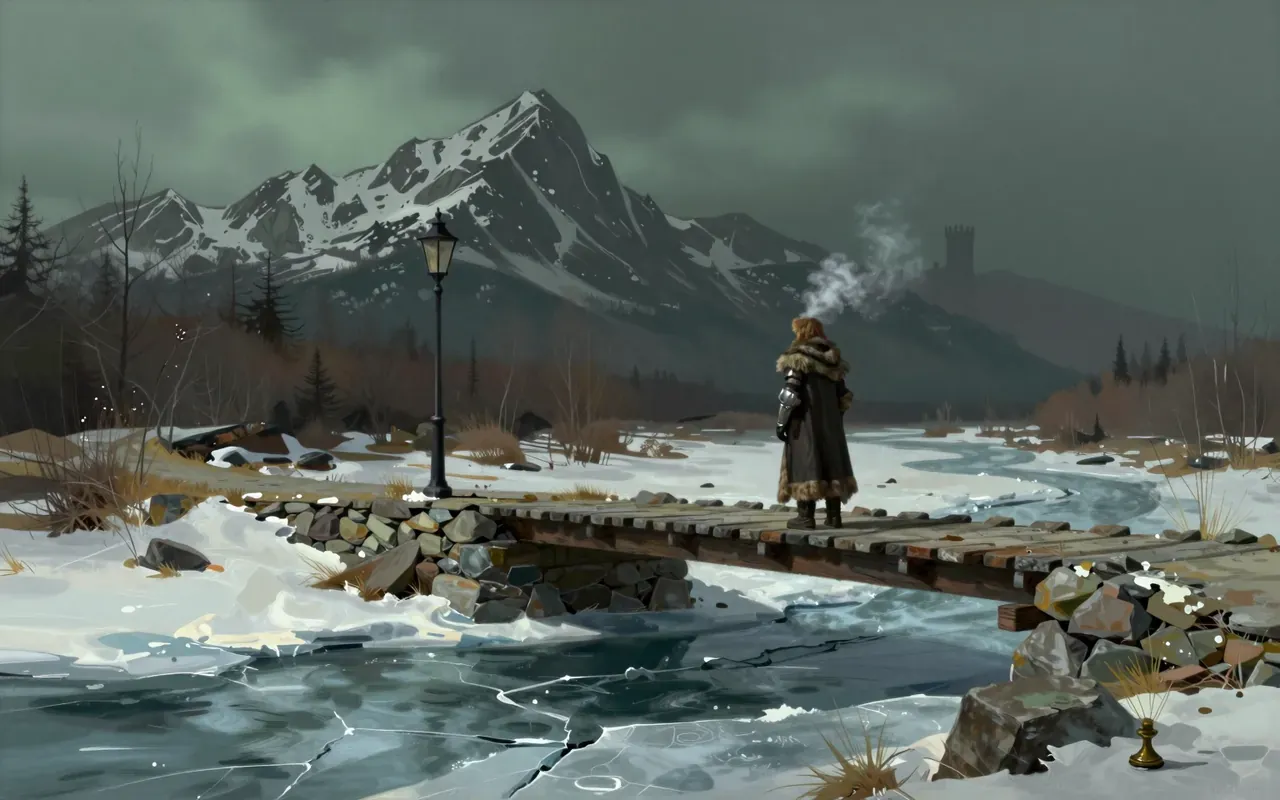
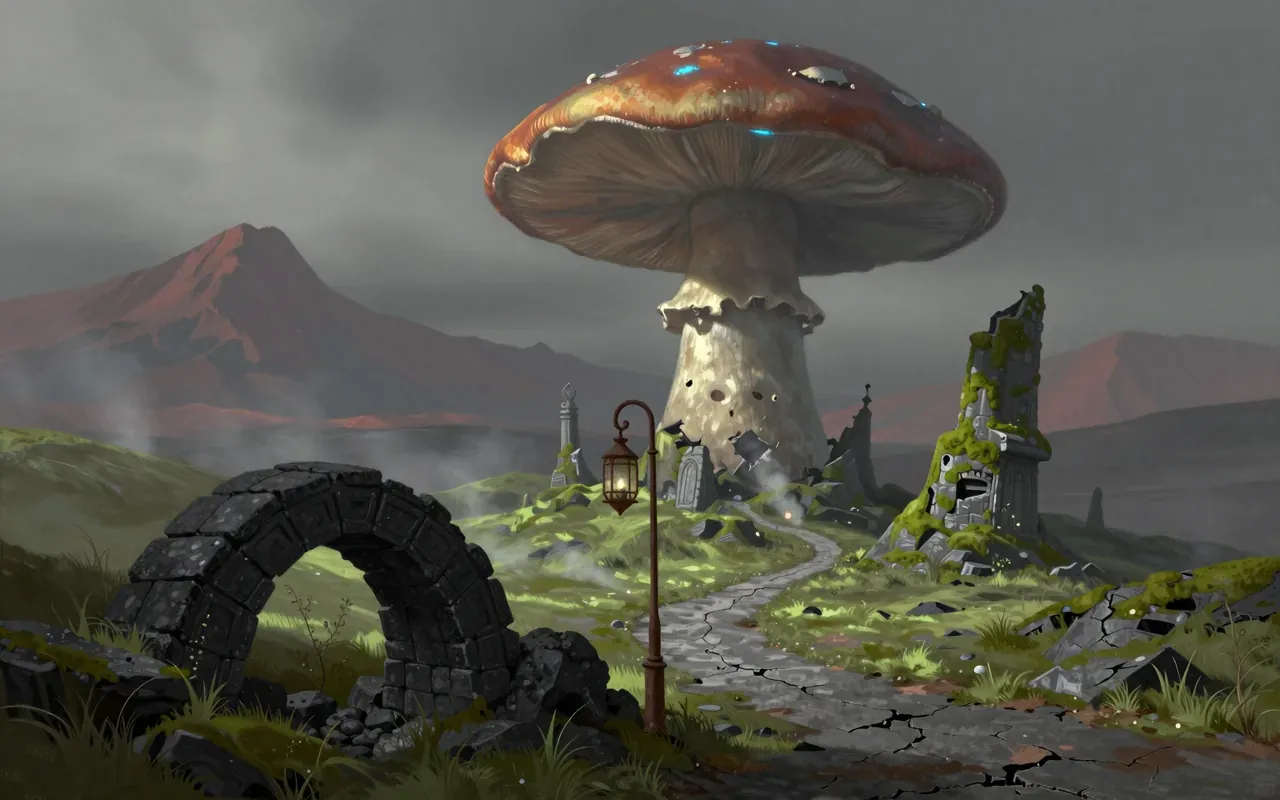
Exploration and puzzle solving happen in first person across sprawling overground zones and occasional dungeons.
3:46
Underwater physics
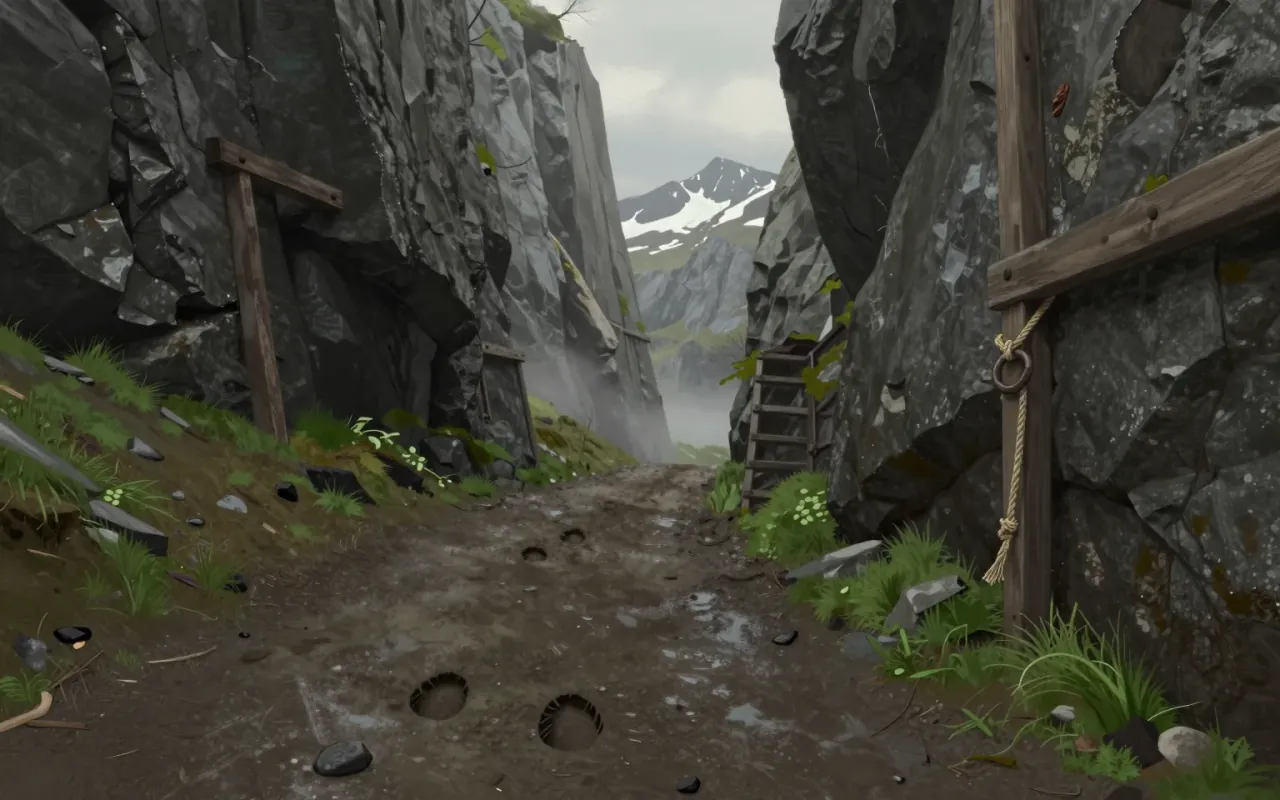
Movement and combat are so slow that a basic melee can last five minutes.
4:58
Map-screen travel
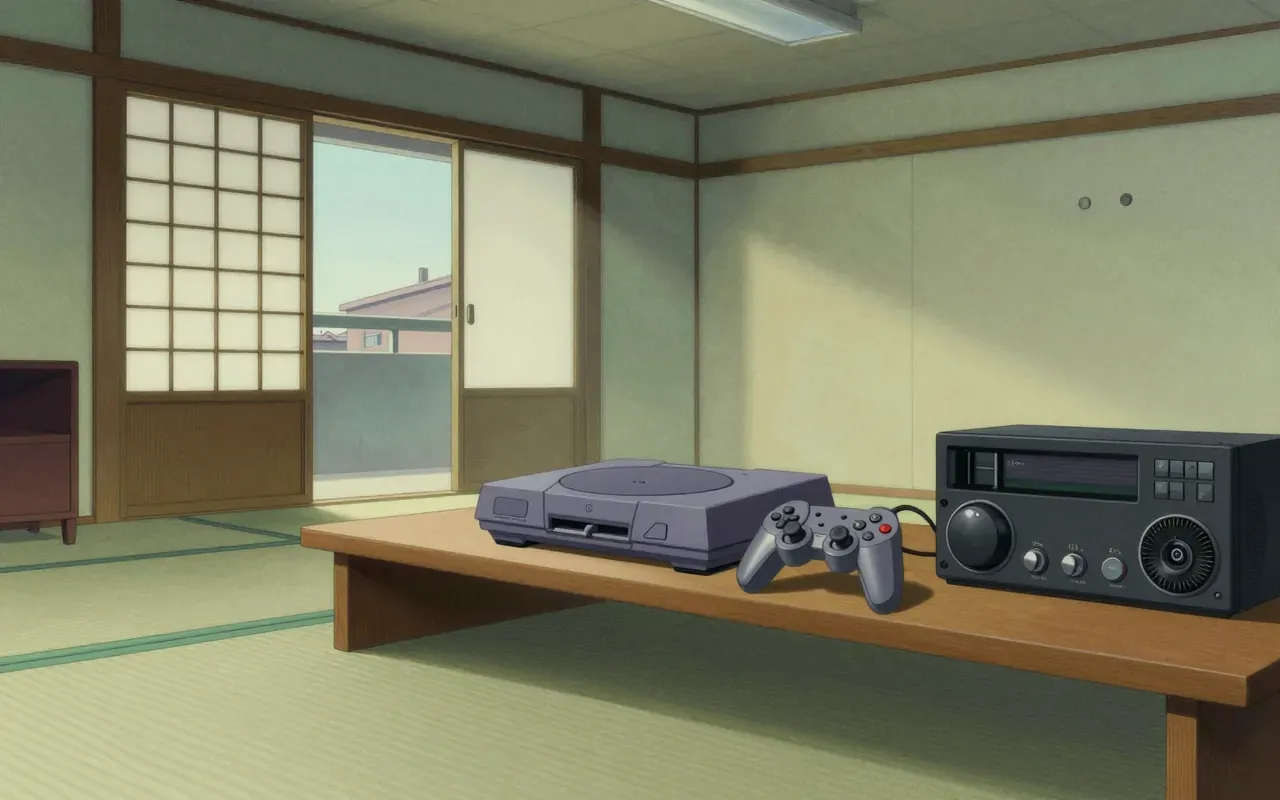
Cities are linked not by roads or maps, but by instant teleportation from a menu screen.
6:57
The pivot point
It is FromSoftware’s third King’s Field title — and the last before Echo Night and Shadow Tower pivoted the studio’s design language.
Worth your time?
Yes. Play the whole thing.
2.5/ 5
What works
massive overground terrain
first-person puzzle integration
map-screen city teleportation
What does not
responsive combat
intuitive pacing
modern accessibility
Play it if
players who value patience over polish
those studying early FromSoftware design constraints
Skip it if
players seeking tight action loops
anyone unwilling to tolerate five-minute melee rounds
The written brief1 min read
What the game is
A first-person action role-playing game developed by FromSoftware for PlayStation in 1996. It is the third entry in the King’s Field series.
How it actually plays
Players move slowly through overground terrain and dungeons in first person. Combat is sluggish and unbalanced. A melee round against a low-level creature can take up to five minutes. Players teleport between cities using the map screen.
What works
Its massive overground world rewards patient exploration. Puzzle solving and city-to-city teleportation create a distinct rhythm of discovery and reorientation.
What does not
The slow movement and combat undermine engagement. The underwater-like motion breaks immersion and makes encounters feel arbitrary rather than tactical.
Who it is for, and who it is not
Players who prioritise spatial curiosity and atmospheric persistence over pace or polish. Not for anyone who expects fluid combat, clear feedback, or modern UI conventions.
Is it worth your time
Only if you value vast, deliberate exploration over responsive action — and are prepared to endure punishingly slow pacing for hours.