What the game is
Ico is a third-person action-adventure built around a dyadic relationship between Ico — a horned boy imprisoned in an abandoned castle — and Yorda — the Queen’s daughter, whom he must free and escort to escape. Its design is defined by subtraction: no UI, no combat verbs for Yorda, no spoken language, no visual clutter.
How it actually plays
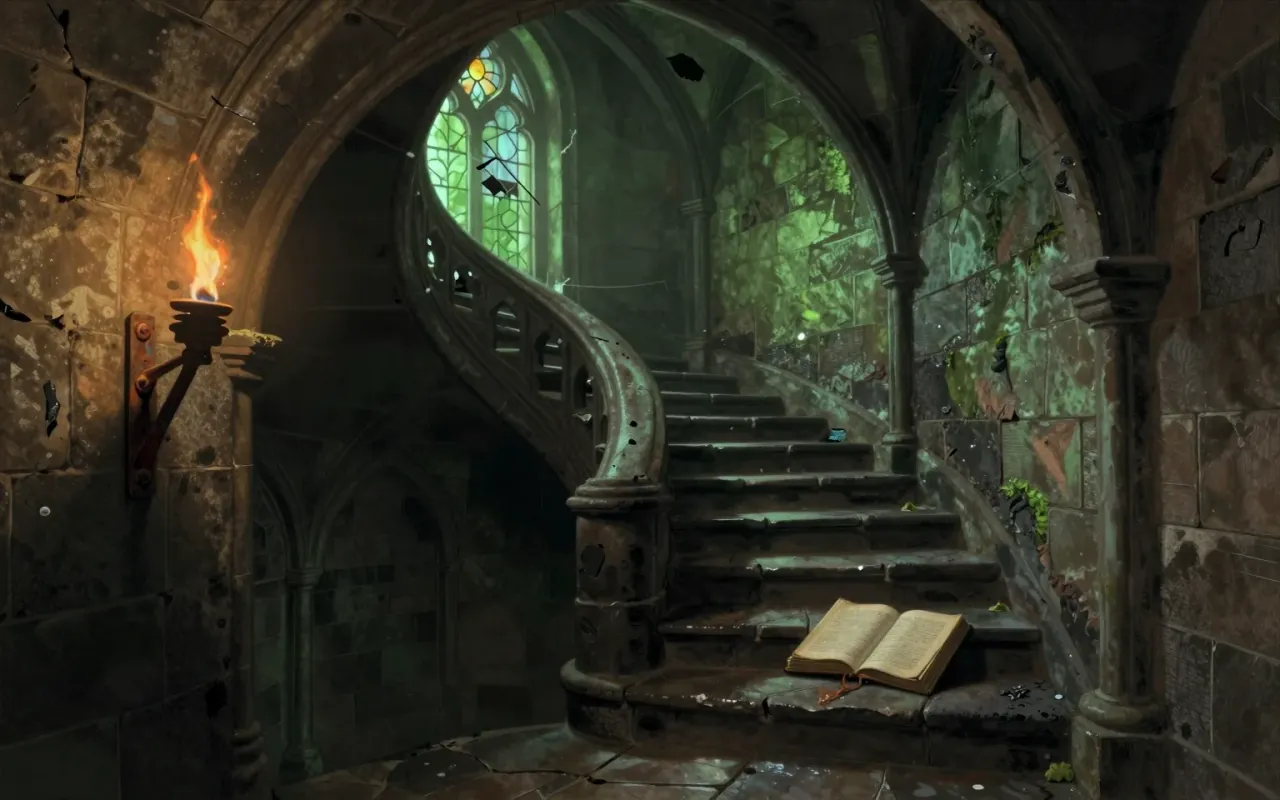
You control Ico in third-person as he explores a decaying castle. You jump, climb, push, and pull objects. Yorda follows or waits. You must lift her over gaps or reconfigure the environment so she can cross. The camera is fixed but swivels to follow either character; you can pan slightly to survey surroundings. Shadow creatures appear only when Yorda is threatened. You cannot fight them directly — you must draw them away or break their hold on her. Dialogue is absent or in fictional languages. There is no health bar, no map, no objective marker.
What works
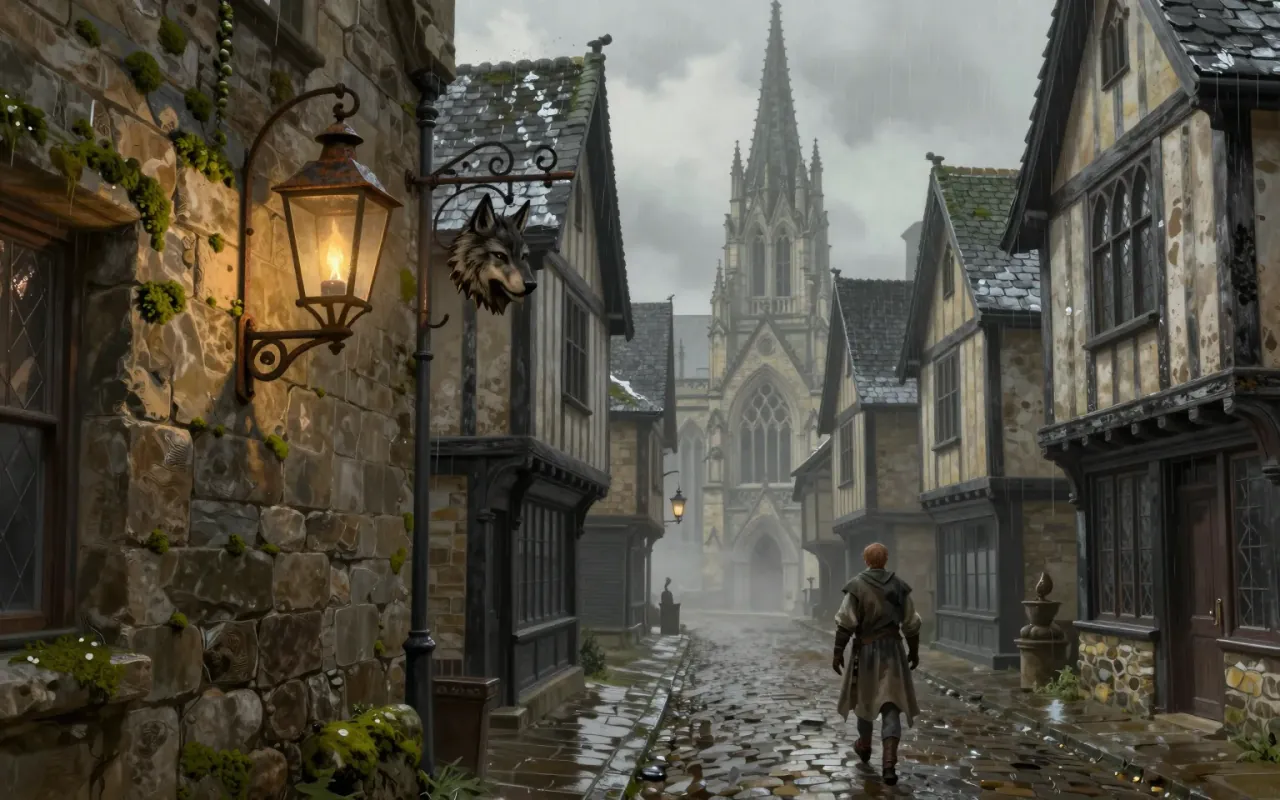
The physical bond between Ico and Yorda is enforced by mechanics: lifting, holding hands, waiting, guiding. Every puzzle requires her presence and cooperation. The overexposed, desaturated light flattens detail but amplifies scale and solitude. The sparse landscape and fictional language remove cultural signposts, making the castle feel both ancient and unplaceable. Mechanics precede story — and the story exists only to justify the loop.
What does not
It does not sustain tension through combat or escalation. Yorda’s fragility becomes a constraint that limits player agency rather than deepening consequence. The fixed camera occasionally obscures spatial relationships needed for precise platforming. The minimalism cuts out exposition — but also context, leaving motivation thin beyond the immediate loop.
Who it is for, and who it is not
It is for players who value intentionality over instruction, atmosphere over exposition, and relational play over individual prowess. It is not for players who need clear feedback loops, rapid iteration, or mechanical variety. It assumes attention, not expertise.
Is it worth your time
Yes — if you want to experience a game where every mechanic serves a single emotional contract: protect Yorda, trust her presence, and move forward together. It asks for patience with its pacing, acceptance of its silence, and willingness to read intention from gesture and light. It does not ask for speed, reflexes, or mastery of systems.