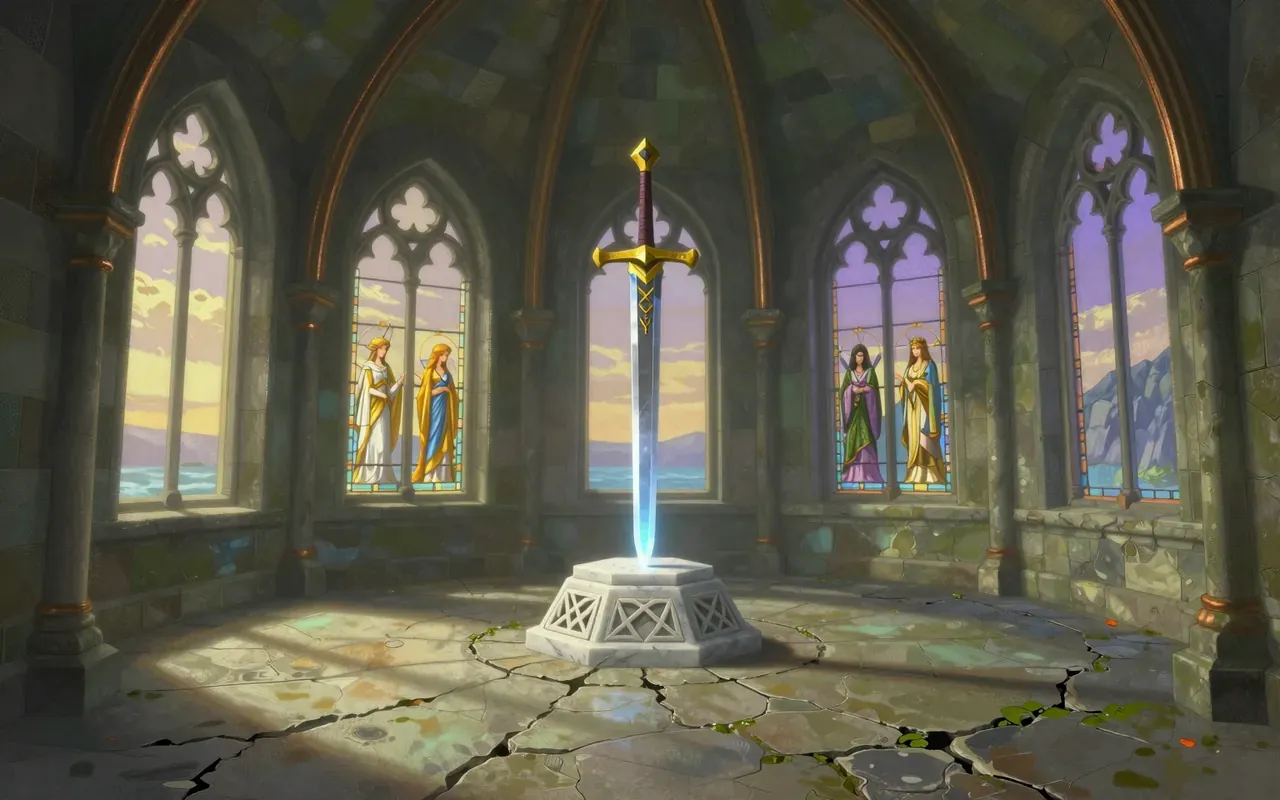
What the game is
A physics- and chemistry-driven open-world action-adventure that replaces fixed paths and scripted sequences with systemic interaction, stamina-constrained movement, and item degradation.
How it actually plays
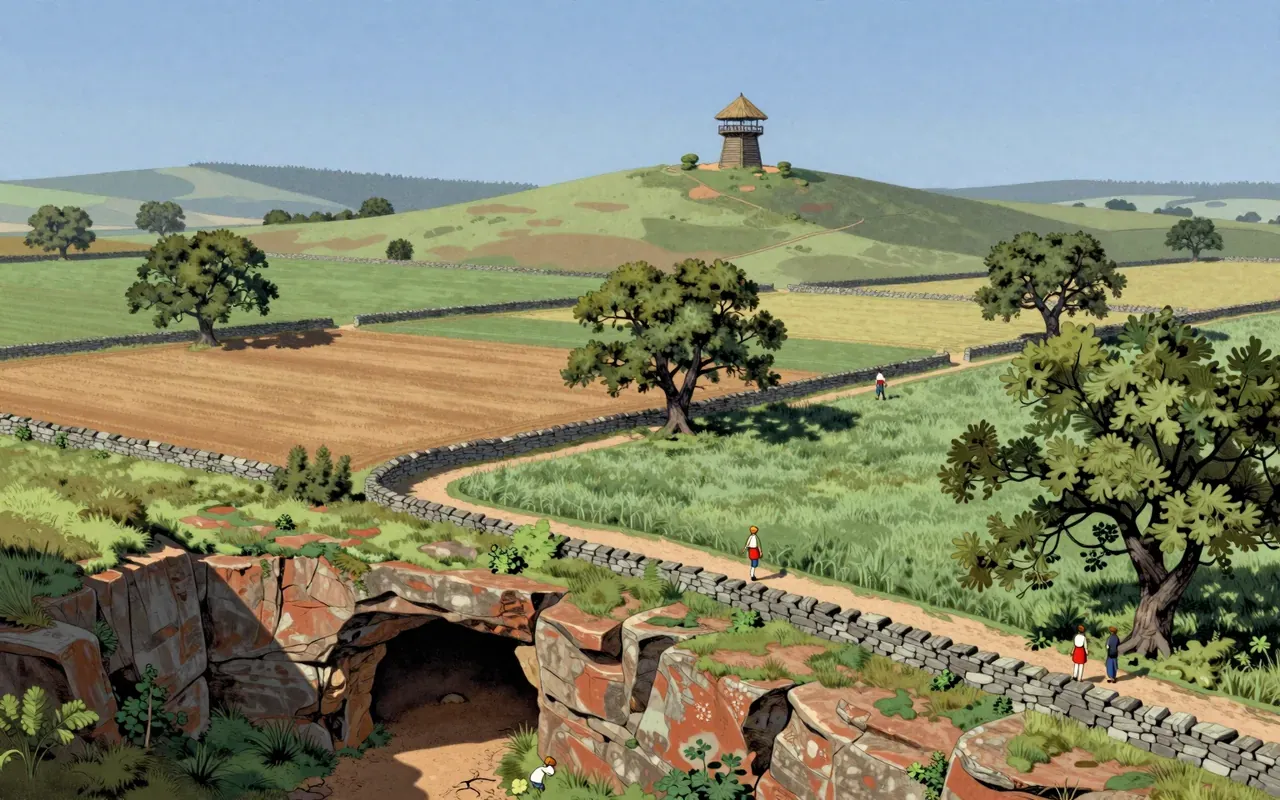
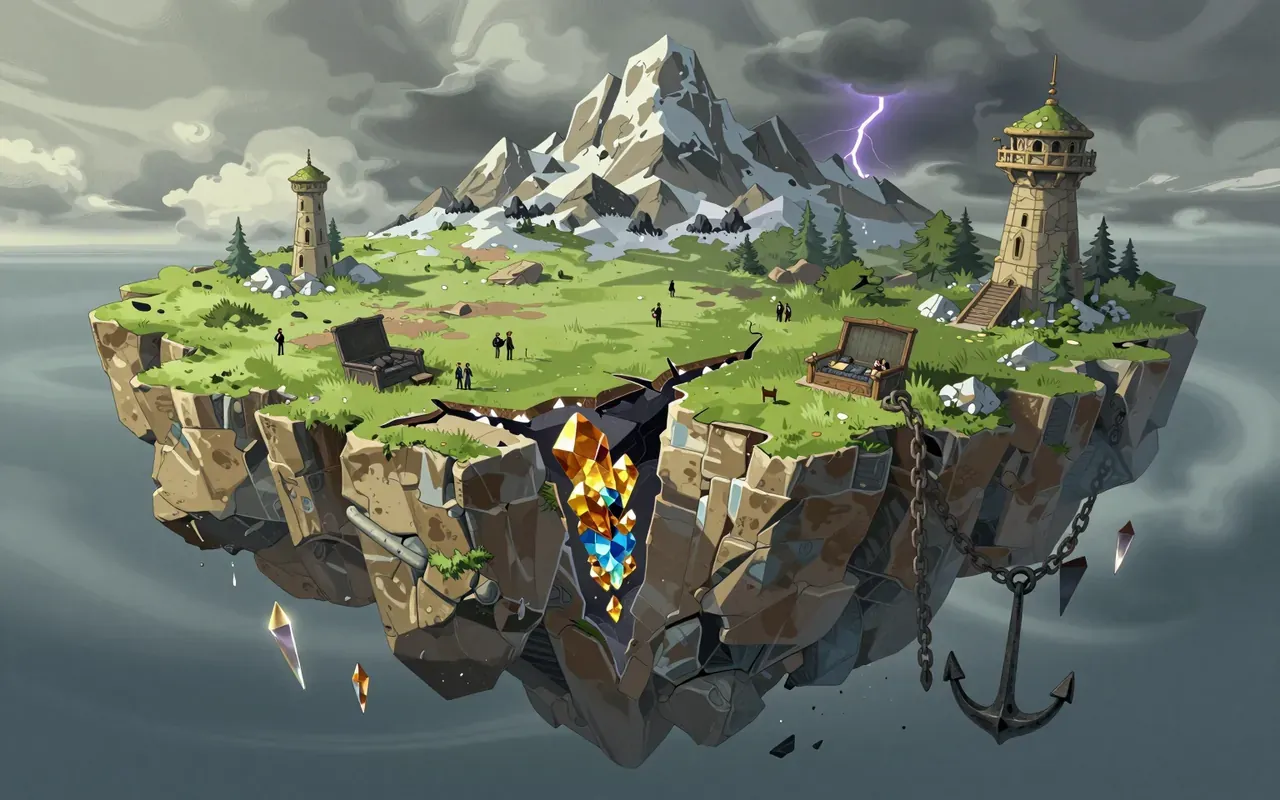
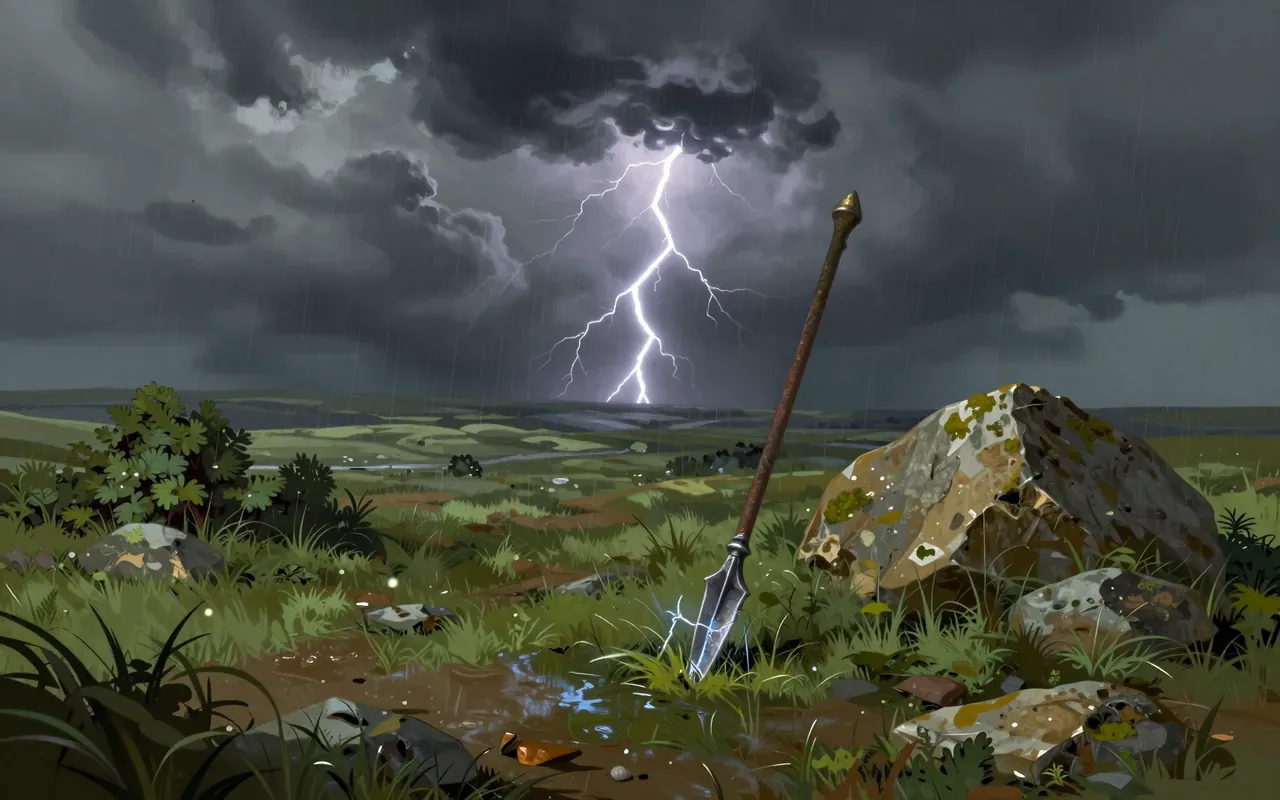
You move freely across an open world with no defined entrances or exits. Stamina limits running, climbing, swimming, and gliding. Weapons and shields degrade and shatter on use. Metal objects attract lightning during thunderstorms — a risk to carry, a tool to weaponise. Wooden shields catch arrows. Wooden weapons light fires. Some shields become snowboards.
What works
Unstructured exploration works because boundaries are undefined and instruction is scarce. Lightning attraction works as both hazard and tactic. Multi-use items work because context changes function: fire, defence, transport, and combat all share the same object set.
What does not
It does not support long-term attachment to gear. It does not gate progression with story beats. It does not explain its systems. It does not reward repetition of the same solution.
Who it is for, and who it is not
It is for players who enjoy discovering rules through failure, testing environmental logic, and building short-term strategies from perishable resources. It is not for players who rely on inventory permanence, explicit objectives, or curated pacing.
Is it worth your time
Yes — if you want to spend evenings experimenting with physics, chemistry, and consequence in real time. No — if you expect persistent tools, clear guidance, or narrative scaffolding.