What the game is
Arkanoid is a 1986 Taito arcade game. It is a block breaker where the player controls the Vaus paddle to bounce a ball and destroy bricks across 33 (or 36) levels.
How it actually plays
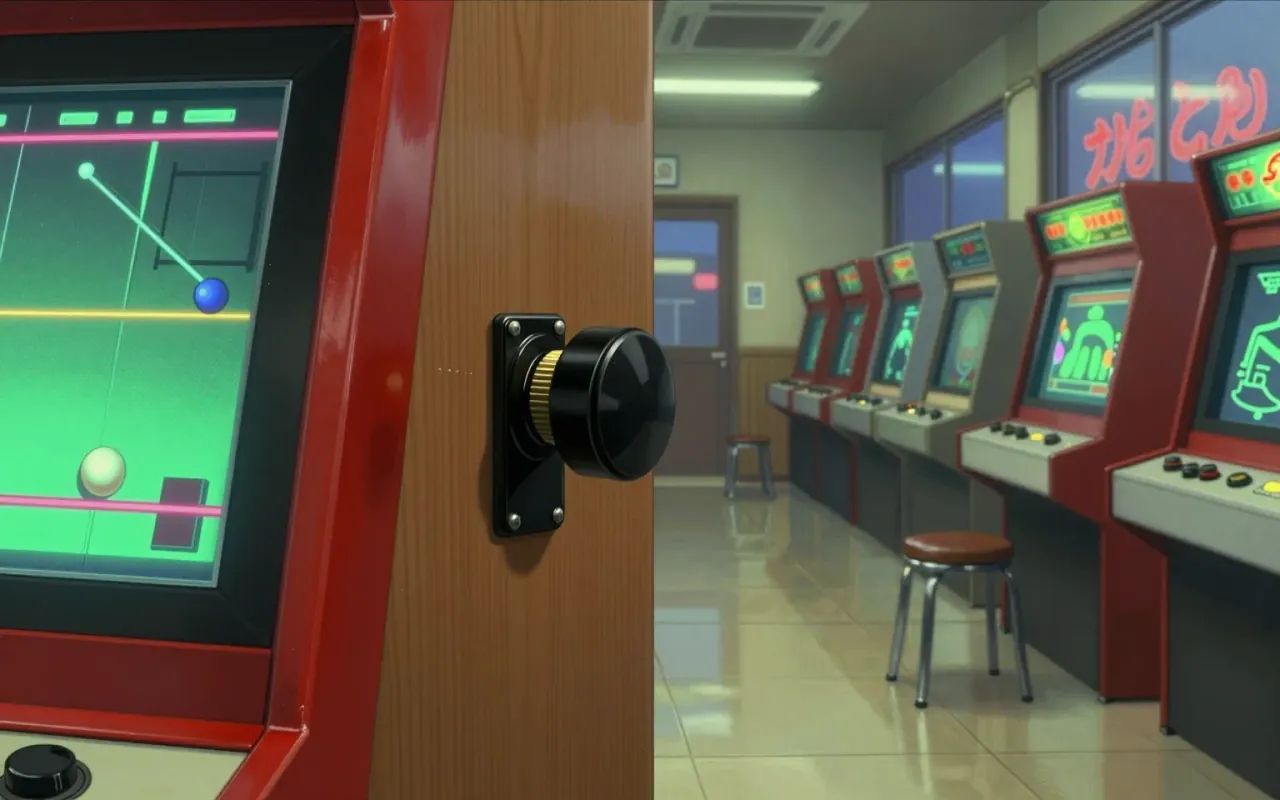
The player moves the Vaus horizontally with a control knob to hit a ball into bricks. Clearing all bricks advances to a new level with a new pattern. Bricks vary in durability: most break in one hit, some need multiple hits, and some are indestructible. Some bricks release catchable capsules that grant power-ups like Vaus extension, ball slowdown, or extra life. Floating enemies or obstacles appear and yield bonus points when hit. The final stage is boss fight against DOH. From that point onward, no continues are allowed after losing all lives.
What works
The Vaus-ball-brick triangle creates immediate cause-and-effect. The control knob gives direct, analog responsiveness. Brick variety forces adaptation per level. Power-up capsules add momentary stakes and reward risk-taking. Floating enemies punctuate rhythm without disrupting core loop.
What does not
It offers no narrative scaffolding. No explanation for DOH, the Vaus, or the capsule system. The difficulty spike at level 33 is abrupt and unforgiving. Power-ups are random and unrepeatable—no strategy emerges from their timing or placement. Indestructible bricks can block progress without warning.
Who it is for, and who it is not
It is for players who enjoy mechanical clarity, physical feedback, and self-contained challenges. It is not for players who need narrative context, adjustable difficulty, or persistent progression systems.
Is it worth your time
Yes—if you want a tight, tactile arcade loop built for short, focused sessions on hardware that demands precision. It asks for constant attention, rewards spatial awareness, and punishes distraction. It does not ask for story, character, or progression beyond brick patterns and capsule timing.